Home Learning Kits: Creating Take-Home Extensions of Classroom Learning
The classroom bell rings at dismissal, but learning doesn’t have to stop at the school doors. Home learning kits—thoughtfully curated collections of materials that extend classroom concepts into the home environment—create a powerful bridge between school and family life.
These customized take-home resources not only reinforce what students are learning in class but also engage families in the educational process. According to the Harvard Family Research Project, students whose families are involved in their learning show improved academic performance, better attendance, and more positive attitudes toward school.
Let’s explore how to create effective home learning kits that truly extend the classroom experience and support student success.
Why Home Learning Kits Matter
Before diving into the “how,” let’s understand the “why” behind these valuable resources:
1. They Reinforce Classroom Learning
Home learning kits provide additional practice opportunities for skills introduced in the classroom. This repetition helps solidify concepts and deepen understanding.
2. They Increase Family Engagement
When parents understand what their children are learning and have the tools to support them, they become more engaged in the educational process. Research from the National Education Association shows that family involvement is twice as predictive of academic success as socioeconomic status.
3. They Bridge Learning Gaps
For students who need additional practice or those who missed instruction due to absence, home learning kits provide continuity and help prevent learning gaps.
4. They Accommodate Different Learning Styles
Take-home materials can be designed to address various learning styles, giving students alternative ways to engage with content outside the classroom structure.
5. They Build Independence and Responsibility
Students take ownership of their learning when they’re responsible for completing activities at home with minimal supervision.
Essential Components of Effective Home Learning Kits
The most successful home learning kits include these key elements:
1. Clear, Accessible Instructions
Instructions should be:
Written in simple, jargon-free language
Available in multiple languages when needed
Accompanied by visual guides when possible
Formatted for easy reading (bullet points, numbered steps)
2. Connection to Classroom Learning
Each kit should:
Clearly state the learning objectives
Explain how activities connect to classroom instruction
Reference specific vocabulary or concepts being studied
Build upon (not simply repeat) classroom experiences
3. Necessary Materials
Include all required materials, considering that families may not have access to:
Basic school supplies
Technology
Printing capabilities
Specialized learning tools
4. Engaging, Hands-on Activities
The most effective kits include:
Interactive elements
Games or playful approaches to learning
Multi-sensory experiences
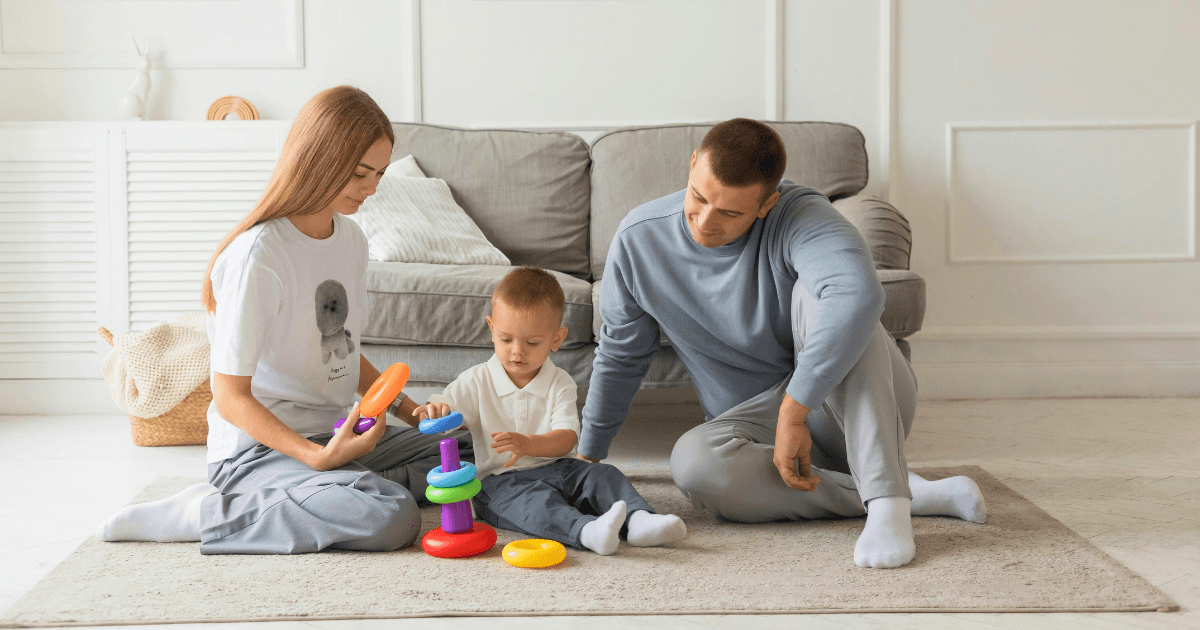
Activities that can involve the whole family
5. Reflection Component
Encourage metacognition through:
Simple reflection questions
Self-assessment tools
Ways to share learning with the teacher
Prompts for discussion with family members
Creating Subject-Specific Home Learning Kits
Different subjects lend themselves to different types of take-home activities. Here are some ideas for subject-specific kits:
Literacy Kits
Components to consider:
Leveled readers or book excerpts
Word cards or letter tiles
Reading response journal
Comprehension question cards
Story element manipulatives
Sample activity: “Character in a Bag” – Students collect items that represent a character from their reading and explain the significance of each item to family members.
Math Kits
Components to consider:
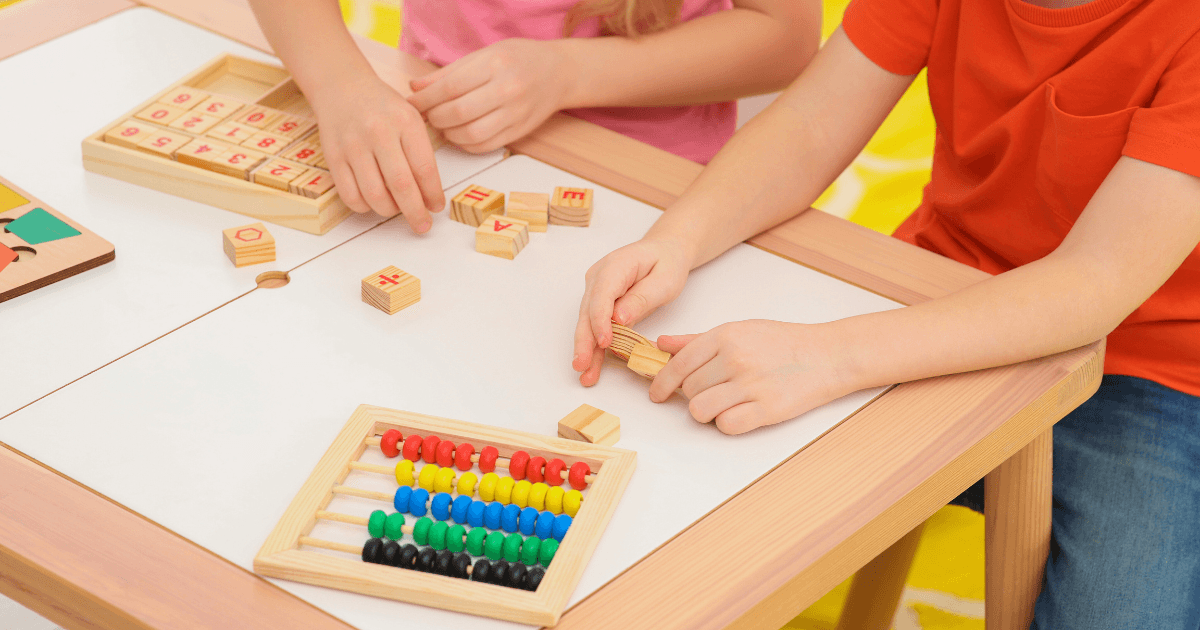
Counting objects or math manipulatives
Number cards or dice
Math games with simple rules
Real-world application activities
Visual models or reference charts
Sample activity: “Kitchen Fractions” – Using measuring cups and spoons, students explore fractions through simple cooking or mixing activities.
Science Kits
Components to consider:
Simple experiment materials
Observation journals
Magnifiers or other basic tools
Data collection sheets
Picture guides or reference materials
Sample activity: “Neighborhood Nature Journal” – Students document plants and animals in their neighborhood, noting patterns and changes over time.
Social Studies Kits
Components to consider:
Maps or mapping activities
Primary source images
Interview prompts
Cultural exploration activities
Timeline activities
Sample activity: “Family History Reporter” – Students interview family members about their experiences during a time period being studied in class.
Making Home Learning Kits Accessible for All Families
To ensure equity and maximum participation, consider these important factors:
Language Accessibility
Provide instructions in multiple languages spoken by your school community
Use visual guides and symbols when possible
Include a QR code linking to video instructions
Offer a phone number families can call with questions
Economic Considerations
Use inexpensive, readily available materials
Include all necessary supplies rather than assuming families have them
Create durable materials that can be returned and reused
Consider bulk purchasing through school funds or grants
Time Constraints
Design activities that can be completed in 15-20 minute sessions
Include a suggested schedule or timeframe
Offer flexibility in how and when activities are completed
Respect family time by keeping expectations reasonable
Technology Access
Don’t assume families have internet access or devices
If digital components are included, offer non-digital alternatives
Consider lending devices if activities require them
Keep technology requirements simple and accessible
Practical Tips for Implementation
1. Start Small
Begin with one subject area or one unit of study rather than trying to create kits for everything at once. Educational resource provider Hand2Mind recommends starting with your strongest curriculum area.
2. Create a Rotation System
Rather than creating unique kits for each student, develop a set of kits that rotate among students. This approach:
Reduces preparation time
Allows for more substantial materials
Creates sustainability for your program
Exposes students to a variety of activities
3. Involve Students in Creation
Have students help prepare materials for future kits:
Creating game cards
Writing instructions
Decorating containers
Assembling components
This involvement builds ownership and excitement.
4. Establish Clear Procedures
Create systems for:
Checking out kits
Returning materials
Replacing lost items
Documenting completion
Providing feedback
5. Gather and Use Feedback
Regularly collect feedback:
from students about engagement and clarity
from families about usability and time requirements
from colleagues about alignment with the curriculum
from yourself about preparation time and effectiveness
Use this feedback to refine your approach.
Storage and Organization Solutions
Effective storage systems make home learning kits sustainable:
Container Options
Gallon-size ziplock bags (inexpensive but less durable)
Plastic pencil boxes (good for materials that need protection)
Canvas bags with handles (easy for students to carry)
Plastic shoe boxes (stackable and durable)
Manila envelopes (good for paper-based activities)
Labeling Systems
Create clear labels that include:
Kit name and subject
Grade level
Contents list
Due date for return
Care instructions
Inventory Management
Create a checklist of components for each kit
Have students check items in and out
Establish a system for reporting missing pieces
Schedule regular maintenance time
Measuring Success
How do you know if your home learning kits are effective? Look for these indicators:
Home learning kits are among the most tangible ways to extend learning beyond classroom walls and strengthen the school-home connection. By thoughtfully designing these resources with accessibility, engagement, and clear learning goals in mind, you create powerful tools to reinforce classroom concepts and involve families in the educational journey.
Remember that the most successful home learning programs evolve. Start small, gather feedback, and refine your approach. The investment in creating these extensions of classroom learning pays dividends in student engagement, family involvement, and academic growth.
Have you created home learning kits for your students? What components have you found most successful? Share your experiences in the comments below!