Creating a Culture of Wellness: Healthy Habits in the Preschool Setting
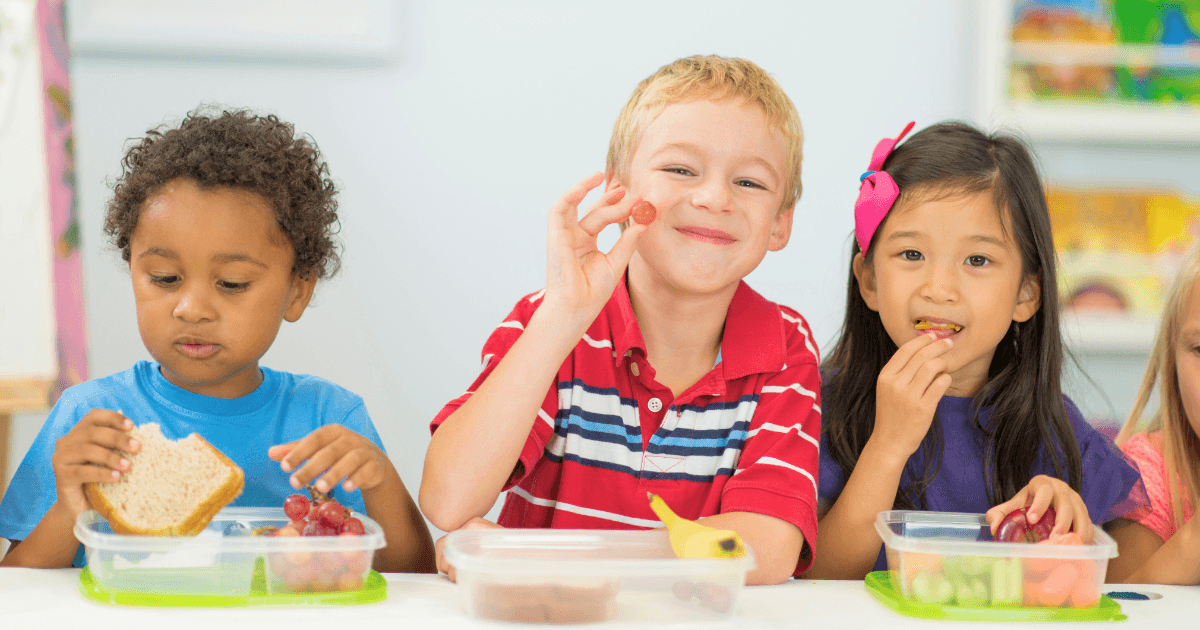
“Ms. Jamie, look! I picked carrots for my snack because they help my eyes see better!” exclaimed four-year-old Sophia, beaming with pride as she made her selection from our classroom snack options. This moment—a child making a conscious, healthy choice and understanding the “why” behind it—represents the powerful impact of cultivating wellness in early childhood settings.
As early childhood educators, we have a unique opportunity to influence children’s lifelong health habits during their most formative years. According to research from BBM Academy, establishing healthy routines during early childhood lays the groundwork for lifelong wellness. The habits, attitudes, and knowledge children develop about nutrition, physical activity, and emotional well-being in our classrooms can shape their health trajectories for decades to come.
Creating a culture of wellness isn’t about implementing isolated health initiatives—it’s about weaving healthy habits into the fabric of everyday classroom life. In this article, we’ll explore practical, evidence-based strategies for nurturing children’s physical, mental, and emotional well-being in preschool settings.
The Holistic Nature of Wellness in Early Childhood
Before diving into specific strategies, let’s consider what wellness means for young children. A holistic approach to preschool wellness encompasses several interconnected dimensions:
These dimensions don’t exist in isolation—they constantly influence and reinforce each other. For example, physical activity enhances cognitive function, nutritious foods support emotional regulation, and positive relationships contribute to resilience.
Building the Foundation: Nutrition in the Preschool Setting
Healthy eating habits established in early childhood can influence food preferences and choices throughout life. Here’s how to make nutrition education engaging and effective:
Creating a Positive Food Environment
Family-style meals: When possible, serve meals family-style, allowing children to serve themselves appropriate portions with guidance.
Mindful eating practices: Encourage children to notice colors, smells, textures, and flavors of foods.
No food rewards or punishments: Avoid using food as a reward or withholding it as punishment, which can create unhealthy relationships with eating.
Adult modeling: Demonstrate enthusiasm for healthy foods by eating and enjoying them alongside children.
Engaging Nutrition Education
Garden projects: Even small container gardens let children grow simple vegetables and herbs, sparking excitement about eating the foods they’ve cultivated.
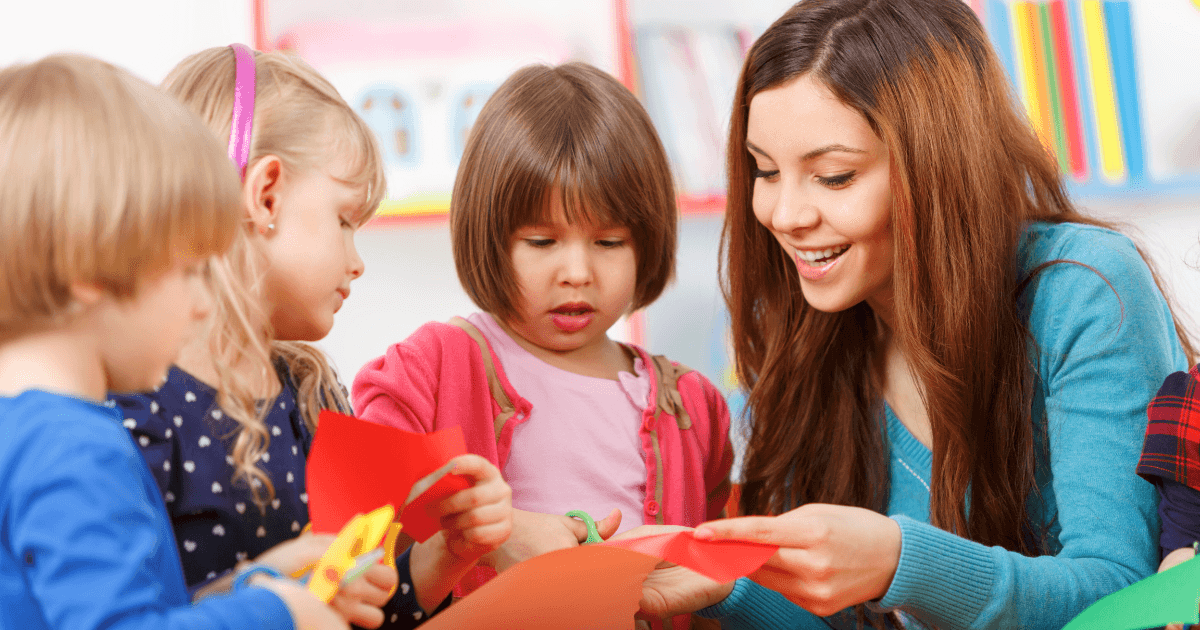
Cooking experiences: Simple no-cook or easy cooking activities help children connect with food preparation.
Food exploration activities: Sensory experiences with new foods reduce neophobia (fear of new foods) and increase willingness to try unfamiliar options.
Culturally diverse foods: Introduce foods from various cultures to connect nutrition with social studies and cultural appreciation.
According to My Concierge Pediatrics, involving children in meal planning and preparation teaches them about balanced nutrition while making them more likely to try new foods.
Practical Implementation Ideas
Rainbow Challenge: Encourage children to eat fruits and vegetables of different colors throughout the week and track their progress on a classroom chart.
Mystery Food Box: Introduce new foods through sensory exploration (feeling, smelling, observing) before tasting.
Food Group Sorting: Create games where children categorize food pictures or models into food groups.
Classroom Cookbook: Compile simple, healthy recipes that children have helped prepare in class, and send copies home to families.
Snack Selection Station: Offer a limited selection of healthy choices at snack time to promote decision-making and autonomy while ensuring nutritious options.
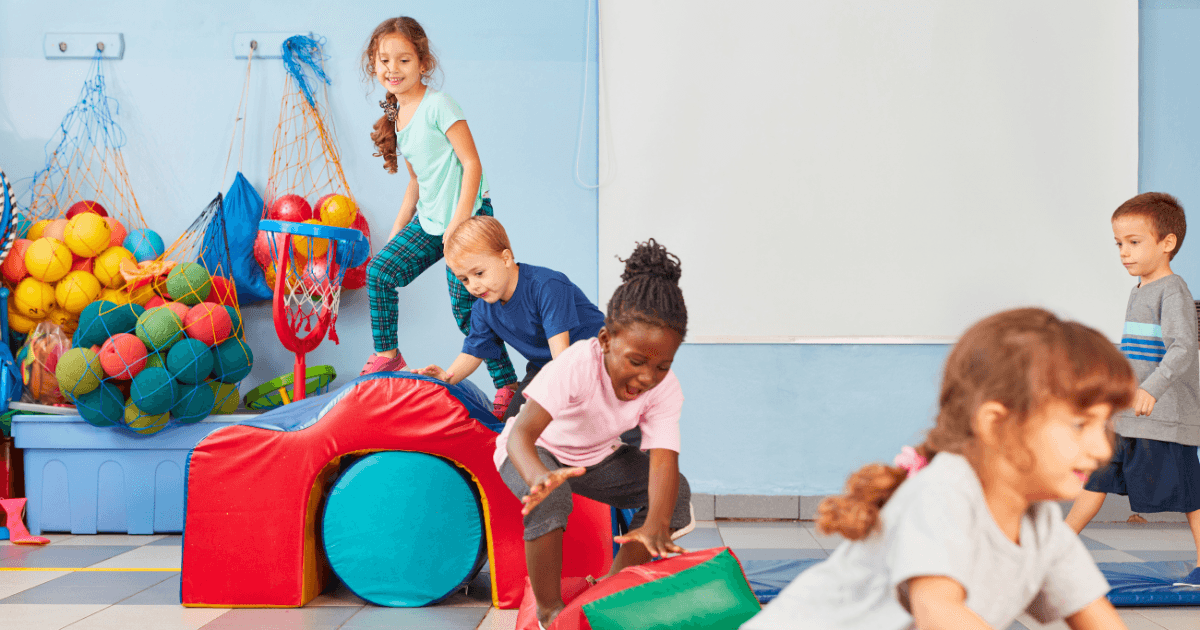
The CDC recommends that children get at least one hour of physical activity daily. In preschool settings, this should include a mix of structured and unstructured movement opportunities:
Creating Movement-Rich Environments
Indoor movement spaces: Designate areas where active play is encouraged, even in limited space.
Outdoor play prioritization: Maximize outdoor time with varied terrain and equipment to challenge different motor skills.
Active learning centers: Incorporate movement into traditional learning centers (e.g., acting out stories in the literacy center).
Movement pathways: Create hallway paths with footprints or other markers encouraging different locomotor movements.
Structured Physical Activity
Morning movement routines: Begin the day with brief, energizing movement activities.
Music and movement sessions: Use action songs to promote coordination and rhythm.
Skill-focused mini-lessons: Dedicate short periods to developing specific fundamental movement skills.
Active transitions: Turn necessary transitions between activities into opportunities for movement.
Unstructured Physical Play
Free play periods: Provide ample time for child-directed active play.
Loose parts for movement: Offer versatile materials (scarves, hoops, ropes) that inspire creative movement.
Natural play opportunities: Incorporate logs, stones, hills, and other natural elements that invite a range of movements.
Imaginative movement prompts: Suggest open-ended movement scenarios without dictating how children should move.
According to Kun Chiropractic, tech-assisted fitness programs are making exercise more engaging for children through gamification. While technology should be used thoughtfully in early childhood settings, simple applications might include:
Movement videos for indoor recess on inclement weather days
Interactive movement games projected on walls or floors
Simple tracking systems (like sticker charts) that gamify physical activity goals
Nurturing Emotional Well-being and Mental Health
Young children are just beginning to understand and manage their emotions—a critical foundation for mental health. Here’s how to support emotional wellness:
Creating Emotionally Safe Environments
Predictable routines: Establish consistent daily schedules that help children feel secure.
Cozy spaces: Create comfortable areas where children can retreat when feeling overwhelmed.
Emotional vocabulary: Use rich emotional language throughout the day to help children name their feelings.
Validation practices: Acknowledge all emotions as acceptable while guiding appropriate expression.
Sensory tools: Provide fidgets, stress balls, or other sensory items to support regulation.
Body awareness activities: Help children recognize physical signs of different emotions.
Calming routines: Establish specific steps children can follow when feeling dysregulated.
Building Resilience and Coping Skills
Problem-solving framework: Teach simple steps for addressing challenges independently.
Growth mindset language: Use phrases that emphasize effort, progress, and learning from mistakes.
Storytelling and literature: Share stories featuring characters who overcome obstacles.
Reflection practices: Help children process difficult experiences and identify what helped them cope.
BBM Academy notes that mindfulness activities, open communication, and creative expression enhance children’s emotional intelligence and mental wellness. Simple mindfulness activities for preschoolers include:
Bell Listening: Ringing a bell and listening carefully until the sound disappears
Mindful Walking: Taking slow, deliberate steps while noticing sensations
Gratitude Moments: Sharing something they’re thankful for during circle time
Body Scan: Progressively relaxing different body parts from toes to head
Weather Report: Describing their internal emotional “weather” (sunny, cloudy, stormy)
Rest and Relaxation: The Often Overlooked Wellness Component
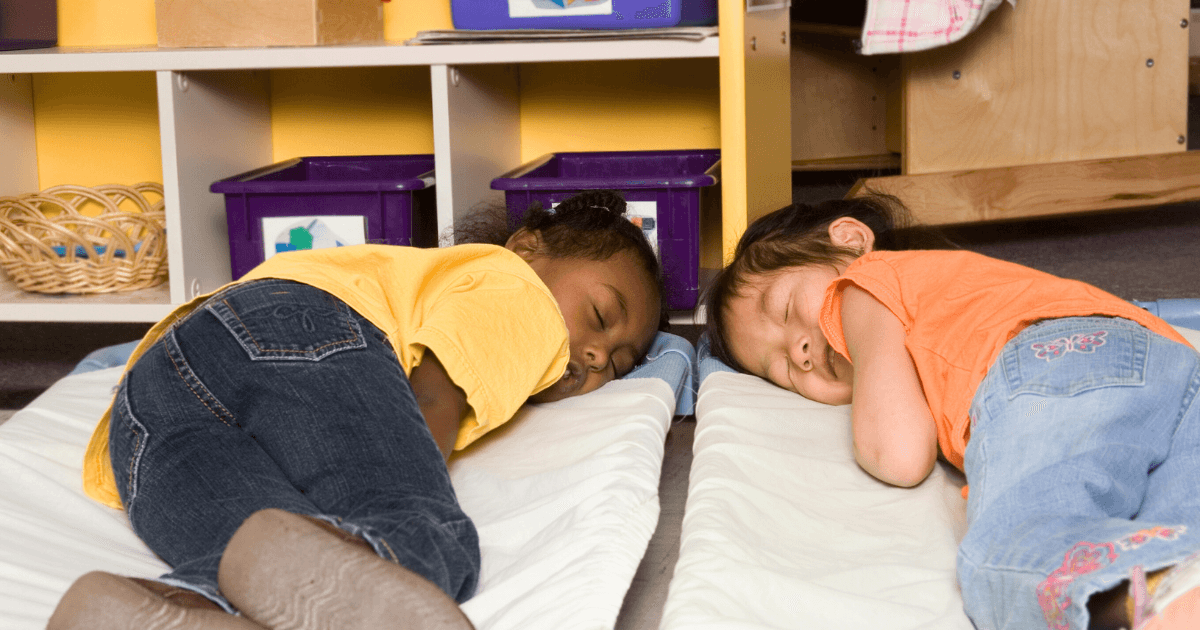
Quality sleep and rest are crucial for children’s development, yet they often receive less attention than nutrition and activity. While we can’t control children’s sleep at home, we can:
Create Restful Classroom Environments
Quiet spaces: Designate low-stimulation areas for children who need breaks.
Lighting considerations: Use natural light when possible and provide dimming options during rest times.
Noise management: Minimize background noise and teach children about appropriate voice levels.
Comfortable rest areas: Ensure nap/rest spaces are physically comfortable and emotionally secure.
Teach the Importance of Rest
Listen to your body: Help children recognize signs of tiredness or overstimulation.
Balance activities: Alternate between active and calmer activities throughout the day.
Rest as restoration: Frame rest positively as helping our bodies and minds grow strong.
Relaxation techniques: Teach simple methods, such as progressive muscle relaxation.
According to BBM Academy, children typically require 9-11 hours of sleep for optimal physical and mental regeneration. While most of this occurs at home, we can support families by:
Sharing information about age-appropriate sleep needs
Providing tips for effective bedtime routines
Discussing the connection between adequate sleep and classroom success
Respecting individual differences in rest needs during preschool hours
Integrating Wellness Throughout the Curriculum
Rather than treating wellness as a separate subject, weave it throughout your existing curriculum:
Literacy Connections
Book selections: Choose stories featuring healthy foods, active play, emotional regulation, and self-care.
Journaling: Have children draw or dictate stories about their wellness choices.
Recipe reading: Use simple recipes as functional reading experiences.
Wellness vocabulary: Intentionally introduce health-related words during language activities.
Math Integration
Measurement: Measure ingredients during cooking or distances during active play.
Patterns: Create movement or food patterns using different-colored fruits.
Graphing: Track class preferences for different healthy foods or activities.
Counting: Count movements during exercise or items during nutrition activities.
Science Exploration
Body systems: Explore how different foods and activities affect our bodies.
Plant growth: Connect gardening to nutrition and the science of growing food.
Sensory investigations: Conduct taste tests using healthy foods and discuss their properties.
Cause and effect: Observe how physical activity affects heart rate, breathing, and other responses.
Creative Arts
Movement expression: Use dance and creative movement to express emotions.
Food art: Create art with food before eating it (while maintaining respect for food).
Emotional artwork: Use art materials to express a range of feelings.
Family involvement significantly enhances the effectiveness of preschool wellness initiatives. According to Action for Healthy Kids, the connection between nutrition, physical activity, mental health, and learning is crucial for helping children thrive. Here’s how to strengthen this partnership:
Two-Way Communication
Wellness newsletters: Share information, tips, and classroom activities related to health.
Family input opportunities: Survey families about wellness priorities and cultural practices.
Documentation sharing: Provide photos and stories of children engaged in wellness activities.
Open dialogue: Create comfortable channels for discussing health concerns or questions.
Family Engagement Activities
Take-home activity kits: Create simple wellness activities families can do together.
Family cooking projects: Send home easy, affordable recipes that children have tried at school.
Movement challenges: Suggest simple physical activities families can do without special equipment.
Family wellness events: Host occasions where families can participate in health-promoting activities together.
Cultural Responsiveness
Diverse food experiences: Invite families to share culturally important foods and traditions.
Multiple approaches: Recognize that wellness practices vary across cultures and avoid a one-size-fits-all approach.
Accessible resources: Ensure wellness information is available in families’ preferred languages.
Inclusive planning: Include diverse family representatives when planning wellness initiatives.
Overcoming Common Challenges to Wellness Implementation
Creating a culture of wellness isn’t without challenges. Here are solutions to common obstacles:
Challenge: Limited Resources
Solutions:
Focus on low-cost, high-impact strategies (e.g., movement breaks require no equipment)
Healthy weight trajectories (neither underweight nor overweight)
Improved attention spans and focus
Enhanced social skills and peer relationships
Appropriate emotional regulation for the developmental stage
Classroom Culture Shifts
Children initiating conversations about healthy choices
Peer-to-peer encouragement of wellness behaviors
Reduced conflicts and behavior challenges
More peaceful transitions and rest times
Increased joy and engagement in learning
Case Study: Wellness Transformation in Action
To illustrate these principles in practice, consider this example from Sunshine Preschool:
The teaching team at Sunshine noticed concerning trends: children bringing mostly processed foods for lunch, increased behavioral challenges in the afternoon, and limited physical activity during outdoor time. Rather than implementing isolated interventions, they created a comprehensive wellness approach:
Environment Changes:
Redesigned the outdoor space to encourage varied movements
Created a calm corner with sensory tools and emotion resources
Established a small container garden on their patio
Added weekly cooking experiences connected to their project work
Incorporated movement breaks between sedentary activities
Introduced “Wellness Wednesday” featuring a new health concept each week
Developed a lending library of wellness-themed books for families
Family Engagement:
Hosted a “Healthy Bodies, Healthy Minds” family night
Created a simple recipe exchange program
Sent home “Movement Bags” with activity ideas requiring no special equipment
Established a wellness committee, including family representatives
The results after six months were remarkable:
Lunch contents gradually shifted to include more fruits, vegetables, and whole foods
Afternoon behavioral incidents decreased by 40%
Children spontaneously engaged in more active play outdoors
Families reported trying new foods and activities at home
Teachers noted improved attention spans and fewer disruptions during group times
What made Sunshine’s approach particularly effective was its commitment to sustainability. Rather than implementing a short-term “wellness month,” they created lasting systems:
They established a wellness committee with rotating membership to maintain momentum
Professional development for staff included wellness topics alongside traditional curriculum areas
Community partnerships with local farms and health organizations provided ongoing resources
Wellness goals were incorporated into their annual planning and assessment processes
As the director reflected, “We didn’t just change what children ate or how they moved—we changed how our entire community thinks about health and well-being. The children now talk about ‘growing strong bodies and minds’ as naturally as they talk about colors or numbers.”
Building Teacher Wellness: The Foundation for Child Wellness
Any discussion of preschool wellness would be incomplete without addressing the well-being of educators themselves. According to Zero to Three, comprehensive wellness programs for early childhood educators show promising results for both teacher well-being and classroom quality.
Why Teacher Wellness Matters
Teachers model health behaviors that children observe and imitate
Well-regulated adults better support children’s emotional regulation
Teacher stress directly impacts classroom climate and interactions
Wellness practices reduce burnout and improve job satisfaction
Simple Strategies for Educator Well-being
Create a staff wellness corner with comfortable seating, stress-reduction resources, and positive affirmations.
Implement “tap in, tap out” systems where colleagues briefly cover for each other when stress levels rise.
Establish wellness buddies who check in with each other and provide encouragement.
Schedule regular movement breaks for teachers during planning or meeting times.
Share healthy, easy meal ideas among staff to support nutrition during busy workdays.
As reported by Wellness Workdays, schools implementing staff wellness initiatives have seen significant benefits, including an 18% drop in staff absenteeism and improved morale. When teachers feel supported on their own wellness journey, they’re better equipped to nurture children’s wellness.
Starting Small: First Steps Toward a Wellness Culture
Creating a comprehensive culture of wellness may seem overwhelming, but even small changes can make meaningful differences. Here are manageable first steps:
Begin with One Wellness Domain
Choose one area to focus on initially:
Add a 10-minute movement break to your daily schedule
Introduce one new fruit or vegetable each week during snack time
Implement a simple emotional check-in during the morning meeting
Create a small calm-down space in your classroom
Gather Stakeholder Input
Survey families about their wellness priorities and challenges
Ask children what helps them feel healthy and strong
Discuss with colleagues what wellness practices they already value
Connect with community health resources for guidance
Look for Natural Integration Points
Identify existing routines where wellness practices could be incorporated
Consider current curriculum topics that connect to health concepts
Review your classroom environment for simple wellness enhancements
Reflect on transitions that could include brief wellness moments
Document and Celebrate Progress
Take “before” photos or notes to track changes
Capture children’s comments about wellness activities
Share success stories with families and colleagues
Celebrate small wins along the wellness journey
The Ripple Effect: How Preschool Wellness Impacts Communities
When preschools prioritize wellness, the benefits extend far beyond the classroom. According to Voices for Healthy Kids, schools that involve the community in creating wellness cultures see changes that reach into homes and neighborhoods.
Parents from one exemplary program reported that school initiatives helped their children make healthier choices at home and led to behavioral changes for the whole family, such as walking to school together instead of driving. This ripple effect multiplies the impact of preschool wellness efforts, creating healthier communities one family at a time.
As Edutopia emphasizes, whole-child wellness requires a coordinated team approach. When preschools partner with families, community organizations, and health professionals, they create powerful networks of support for children’s lifelong health.
Conclusion: Wellness as a Way of Being
Creating a culture of wellness in preschool settings isn’t about implementing a specific program or curriculum—it’s about embracing wellness as a fundamental aspect of how we care for and educate young children. It’s about recognizing that healthy bodies, minds, and hearts are the foundation on which all other learning is built.
When we integrate nutrition education, physical activity, emotional well-being practices, and rest into our daily routines, we’re not just teaching children about health—we’re helping them experience the joy and energy that comes from feeling well. We’re setting them on a path toward making health-promoting choices throughout their lives.
As Maria, a veteran preschool teacher in Boston, shared: “After thirty years in the classroom, I’ve come to believe that nurturing children’s wellness may be the most important gift we can give them. When children feel physically strong, emotionally secure, and mentally engaged, everything else—from literacy to math to social skills—flourishes.”
By committing to creating cultures of wellness in our preschool settings, we give children tools for health and happiness that will serve them long after they leave our classrooms. We help them develop not just the knowledge but the habits, attitudes, and values that support lifelong well-being. And in doing so, we nurture not just healthier children, but a healthier future for all.
What wellness practices have you found most effective in your early childhood setting? Share your experiences in the comments below!