From “No Way!” to “Okay!”: Effective Strategies for Introducing New Foods to Picky Eaters
“Miss Emma, I don’t like this. It looks yucky.”
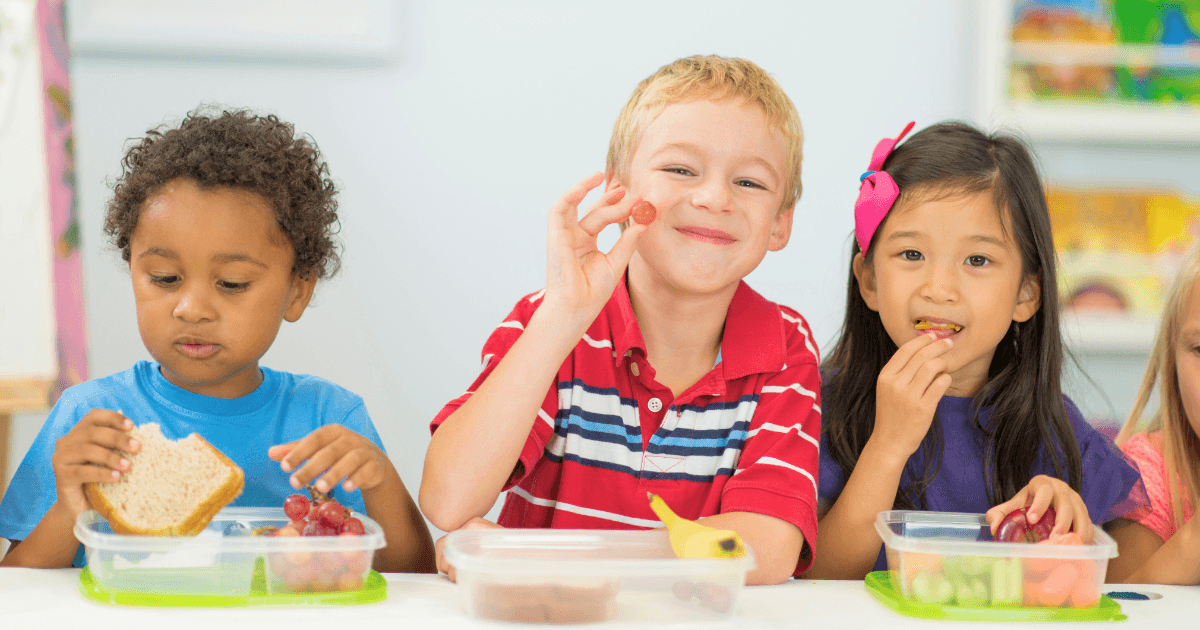
Four-year-old Zach pushed away his plate of roasted sweet potatoes, arms crossed and lower lip protruding in a definitive pout. As an early childhood educator, this scenario probably feels all too familiar. Food refusal, limited preferences, and mealtime battles are common challenges when working with young children.
What you might not realize is that Zach’s reaction is completely normal developmental behavior. According to the Children’s Hospital of Philadelphia, picky eating typically emerges between ages 2 and 4 as children assert their independence and develop more defined preferences. The good news? With consistent, positive approaches at both school and home, most children can expand their food repertoire and develop healthier relationships with food.
In this article, we’ll explore evidence-based strategies that early childhood educators and parents can use to transform mealtime struggles into opportunities for exploration and growth.
Understanding Picky Eating: Normal vs. Concerning
Before diving into strategies, it’s important to understand the difference between typical picky eating and more serious feeding issues.
Normal Picky Eating Behaviors
Preferring familiar foods
Going through food jags (wanting the same food repeatedly)
Refusing to try new foods initially
Not wanting foods to touch on the plate
Having strong preferences for certain textures or temperatures
Eating well one day and barely touching food the next
These behaviors, while challenging, are typically part of normal development and often resolve by age 5-6.
When to Be Concerned
According to More To Say Connecticut, signs that might warrant professional attention include:
Eating fewer than 10-15 total foods
Completely avoiding entire food groups
Gagging or vomiting when trying new foods
Showing extreme distress at mealtimes
Weight loss or failure to gain appropriate weight
Difficulty with the mechanics of eating (chewing, swallowing)
If you notice these more severe patterns, encourage parents to consult with their pediatrician, who might recommend a feeding specialist.
The Science Behind Food Acceptance
Understanding the science of food acceptance can help us approach picky eating with more patience and effective strategies.
The Familiarity Factor
Research consistently shows that familiarity is key to food acceptance. The CDC notes that children may need to try a new food 10or more times before accepting it. Yet most adults give up after just 3-5 attempts!
This means persistence is crucial. That sweet potato Zach rejected today might become his favorite food after 12 exposures.
The Sensory Experience
For young children, eating is a multi-sensory experience. Before a child even tastes a food, they’re processing its:
Appearance (color, shape, size)
Smell
Texture
Temperature
Sound (crunchy vs. soft)
When a food is unfamiliar in any of these aspects, children may be hesitant. This explains why many children prefer plain, simple foods with predictable sensory properties.
The Social Context
Children are highly influenced by the eating behaviors they observe. When they see peers and trusted adults enjoying a food, they’re more likely to try it themselves. This social learning is powerful and explains why children sometimes eat foods at school that they refuse at home (or vice versa).
Classroom Strategies for Introducing New Foods
As an early childhood educator, you have unique opportunities to positively influence children’s acceptance of food. Here are strategies specifically designed for the classroom setting:
1. Create a Positive Food Environment
Family-style meals: When possible, serve meals family-style, allowing children to serve themselves. This gives them control and reduces pressure.
Communal experience: Eat with the children, modeling enjoyment of the same foods they’re being offered.
No-pressure zone: Establish a rule that everyone must have food on their plate, but no one has to eat it. Even having it present is a step toward familiarity.
Consistent routines: Maintain predictable mealtime routines that help children feel secure.
2. Incorporate Food Into Learning
Food-themed story time: Read books about trying new foods, such as “Green Eggs and Ham” by Dr. Seuss or “I Will Never Not Ever Eat a Tomato” by Lauren Child.
Sensory exploration: Before mealtime, let children explore new foods through sensory activities. For example, before serving sugar snap peas at lunch, have a morning activity where children examine, touch, and describe the peas.
Garden projects: If possible, grow simple foods like herbs or cherry tomatoes in the classroom. Children are more likely to try foods they’ve helped grow.
Food science: Turn food into science experiments. “What happens when we put this raisin in water? Let’s observe and find out!”
3. Make It Social and Fun
Tasting parties: Host special “tasting parties” that celebrate sampling small portions of new foods.
Food passports: Create simple “food passports” where children get a stamp or sticker for each new food they try (even if they don’t like it).
Rainbow challenges: Challenge the class to eat a rainbow of colors over a week, tracking progress on a colorful chart.
“You might like this”: Encourage peer modeling by having children who enjoy a food item share with friends why they like it.
4. Use Graduated Exposure
Based on the feeding therapy techniques described by More To Say Connecticut, try this step-by-step approach:
Looking: First, have the food present at the table
Touching: Encourage children to touch or help prepare the food
Smelling: Take time to smell the food together
Kissing: Touch the food to the lips briefly
Licking: Just a quick taste
Biting: Taking a tiny bite without swallowing
Tasting: Actually eating a small amount
Celebrate each step as progress, without rushing to the final goal of eating.
5. Communicate With Families
Share successes: Let families know when their child tries something new at school.
Coordinate approaches: Share the strategies that work at school so families can try them at home.
Recipe exchange: When a new food is successful in class, share simple recipes with families.
Cultural connections: Invite families to share important foods from their cultural backgrounds, creating opportunities for all children to expand their experiences.
Home Strategies Parents Can Use
While you can’t control what happens at home, you can share these evidence-based strategies with families:
1. Involve Children in Food Preparation
According to First Things First, children are more likely to try foods they’ve helped choose or prepare. Suggest age-appropriate ways parents can involve children:
Washing fruits and vegetables
Tearing lettuce leaves
Stirring batters
Sprinkling herbs or cheese
Arranging food on plates
2. Serve Deconstructed Meals
Children’s Health recommends “deconstructed meals” where ingredients are kept separate rather than combined. This approach works well for:
Tacos/burritos
Pasta dishes
Stir-fries
Salads
Pizzas
This allows children to try individual components without being overwhelmed by mixed textures and flavors.
3. Use the “One Bite” Rule Effectively
Encourage parents to establish a gentle “one bite” rule—children must try one tiny taste of new foods, but no more if they don’t want to. The key is to keep the bite very small (pea-sized) and not force more.
4. Make the Presentation Appealing
Simple presentation changes can make food more approachable:
Cut foods into fun shapes using cookie cutters
Create faces or designs on plates
Serve dips with vegetables
Use colorful plates and utensils
Serve very small portions of new foods (less intimidating)
5. Maintain a Division of Responsibility
Based on feeding expert Ellyn Satter’s approach, suggest that parents:
Decide what foods to offer, when to serve them, and where meals happen
Let the child decide whether to eat and how much
This division reduces power struggles and respects children’s internal hunger cues.
Special Considerations for Different Ages
Toddlers (2-3 years)
Expect strong preferences and frequent changes in food acceptance
Offer very small portions—literally 1-2 bites of new foods
Use simple language: “This is crunchy!” “This is sweet like your apple”
Accept that messiness is part of learning about food
Preschoolers (3-5 years)
Tap into their growing independence by offering limited choices
Use their love of stories and imagination (“These are dinosaur trees!” for broccoli)
Involve them more deeply in food preparation
Begin simple conversations about how food helps our bodies
Early Elementary (5-7 years)
Connect foods to interests (“These carrots help your eyes see better for reading”)
Introduce basic nutrition concepts
Involve them in menu planning and grocery shopping
Use cooking to reinforce math skills (measuring, counting)
Addressing Common Challenges
Challenge: Food Throwing or Playing
Strategy: Calmly remove the food with a simple statement: “Food is for eating. If you’re playing, you must be finished.” End the meal matter-of-factly without negative attention.
Challenge: “I’m hungry.” Right After Refusing Dinner
Strategy: Offer a simple, plain option that’s always available (like plain yogurt or bread), but don’t prepare special alternatives. This respects hunger while maintaining boundaries.
Challenge: One Child’s Pickiness Influencing Others
Strategy: Separate food refusal from attention. Give positive attention to children who are trying foods, while maintaining a neutral attitude toward refusal.
Challenge: Food Refusal Seems Tied to Sensory Issues
Strategy: Start with foods that match the child’s sensory preferences (if they like crunchy, start there) and very gradually introduce new textures. Consider consulting an occupational therapist if sensory issues seem significant.
Success Stories from the Classroom
Let me share a few real examples from early childhood educators who’ve successfully expanded children’s food acceptance:
The Pea Skeptic: “We had a child who refused anything green. We planted pea seeds in the classroom, and the children cared for them until they produced pods. The excitement of harvesting peas he’d grown himself overcame his resistance, and he tried them. Now peas are one of his favorites!” — Melissa, Preschool Teacher.
The Sensory Explorer: “One of our students would only eat smooth foods. We created a ‘texture exploration’ station with foods of gradually increasing texture—from applesauce to small diced apple pieces. After weeks of just touching and playing, she began tasting and eventually eating a wider range of textures.” — James, Early Childhood Special Educator.
The Peer Influence: “We implemented ‘Taste Test Tuesdays’ where children vote on whether foods are ‘yummy,’ ‘okay,’ or ‘not for me yet.’ The social aspect and seeing peers try foods has dramatically increased willingness to taste new things.” — Priya, Pre-K Teacher.
Measuring Progress: Redefining Success
When working with picky eaters, it’s important to redefine what success looks like. Progress might include:
Allowing a new food on their plate without protest
Touching or smelling a previously refused food
Taking a tiny taste, even if they don’t like it
Reducing anxiety around new foods
Being willing to stay at the table when a challenging food is served
Celebrate these small steps! According to CDC-cited research, many picky eating behaviors naturally resolve by age 5 when addressed with patience and consistency.
When to Recommend Professional Help
While most picky eating resolves with time and consistent approaches, sometimes additional support is needed. Suggest that parents consult their pediatrician if:
The child’s growth is affected
Mealtime battles are creating significant family stress
The child eats fewer than 10-15 total foods
The child shows extreme anxiety or distress around new foods
There are concerns about nutritional deficiencies
Professionals who can help include pediatric dietitians, occupational therapists specializing in feeding, and feeding psychologists.
Conclusion: Patience, Persistence, and Positivity
Helping children expand their food acceptance is a marathon, not a sprint. The research is detailed: it takes multiple exposures—often 10-15 or more—before a child accepts a new food. This process requires patience from both educators and parents.
The most important thing to remember is that our goal extends beyond getting children to eat specific foods today. We’re helping them develop a healthy relationship with food that will serve them throughout life. By keeping mealtimes positive, removing pressure, and consistently offering variety, we set the stage for children to become adventurous, healthy eaters in their own time.
What strategies have you found successful for introducing new foods in your classroom? Share your experiences in the comments below!