Virtual Field Trips: Expanding Preschoolers’ Worlds Through Technology
“Ms. Sarah, are we really going to see penguins today?” four-year-old Elijah asked, eyes wide with excitement. “I thought penguins lived far, far away!”
I smiled at his enthusiasm. “We are going to see real penguins today, Elijah. And yes, they do live far away—in Antarctica! But thanks to technology, we can visit them without leaving our classroom.”
An hour later, my preschoolers were squealing with delight as they watched penguins waddle, swim, and care for their young via a live webcam from an Antarctic research station. What followed was a week of penguin-inspired art, dramatic play, literacy activities, and scientific discussions—all sparked by a virtual field trip that cost nothing but opened up a world of learning.
In early childhood education, we’ve long recognized the value of field trips for expanding children’s horizons and providing concrete experiences that connect to learning. But traditional field trips come with challenges: transportation costs, safety concerns, limited destinations, and logistical hurdles. Enter virtual field trips—an innovative approach that uses technology to bring the world to our youngest learners.
What Are Virtual Field Trips and Why They Matter for Early Childhood
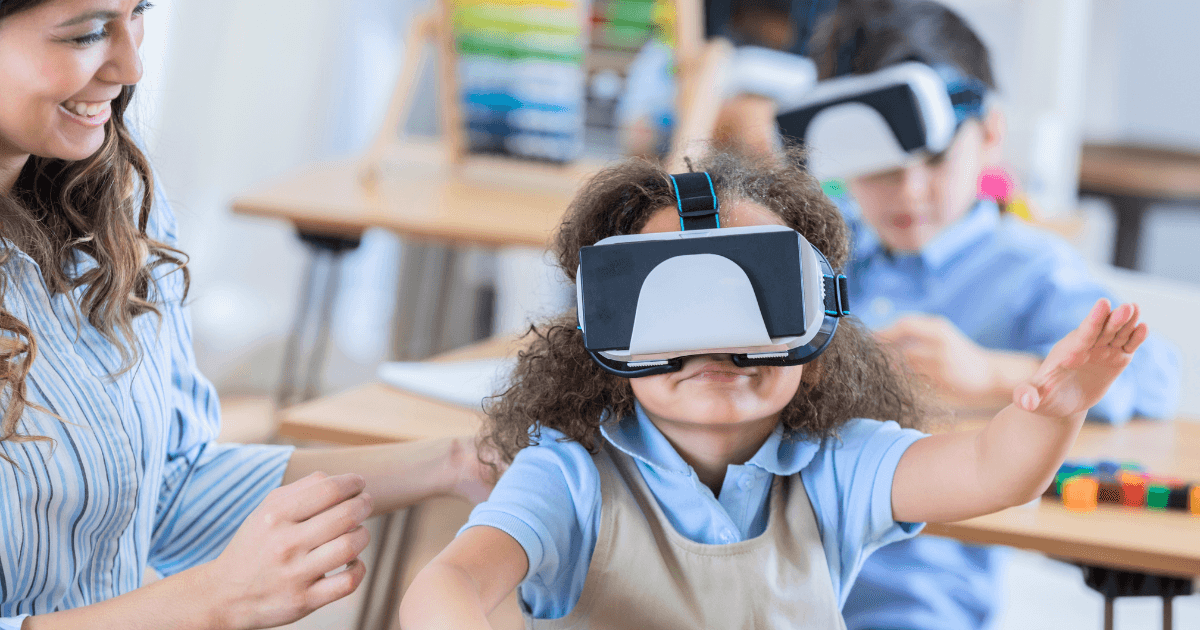
Virtual field trips use technology to transport children to places, experiences, and concepts they might not otherwise access. For preschoolers, these might include:
Live webcams of animals in their natural habitats
Interactive 360° tours of museums and cultural sites
Pre-recorded guided explorations of natural wonders
Immersive experiences of different cultures and environments
According to research from Kaixr, virtual field trips are particularly valuable in early childhood because children’s brains grow to about 90% of adult size by kindergarten, making them highly receptive to new experiences and environments. These digital journeys provide authentic, exploratory learning opportunities that align perfectly with how young children learn best—through play, exploration, and social interaction.
Benefits Beyond the Screen: Why Virtual Field Trips Work for Preschoolers
Some educators worry that virtual field trips might be “more screen time.” But when thoughtfully implemented, they offer unique benefits that extend far beyond the digital experience itself:
1. Access to Otherwise Impossible Experiences
“One of the most powerful aspects of virtual field trips is that they eliminate barriers of geography, safety, and practicality,” explains Dr. Elena Rivera, early childhood technology specialist. “Preschoolers can explore the ocean floor, visit space, or watch wild animals in their natural habitats—experiences that would be impossible in person.”
2. Building Background Knowledge and Vocabulary
Virtual field trips provide rich context for building vocabulary and background knowledge—critical foundations for later literacy. When children see a coral reef or visit a working farm virtually, they develop mental models and language that support comprehension across all learning domains.
3. Sparking Curiosity and Questions
Quality virtual experiences prompt children’s natural curiosity and question-asking. After our penguin webcam experience, my students generated dozens of questions: “Why don’t penguins fly?” “How do baby penguins stay warm?” “Do penguins have teeth?” These questions became launching points for deeper investigation.
4. Supporting Diverse Learners
Virtual field trips can be paused, revisited, and experienced at a child’s own pace. This flexibility makes them particularly valuable for children with special needs, English language learners, and children who benefit from multiple exposures to new concepts.
5. Connecting Families to Classroom Learning
Unlike traditional field trips, where parents might not be able to participate, virtual experiences can be shared with families. As noted by KidVision Virtual Field Trips, their program includes take-home resources that allow families to extend the learning at home.
10 Types of Virtual Field Trips Perfect for Preschoolers
Based on my experience and the latest offerings from platforms like Discovery Education and Roombr Digital Classroom, here are ten types of virtual field trips that work beautifully with preschoolers:
1. Animal Habitats and Wildlife Webcams
What it is: Live or recorded feeds of animals in zoos, sanctuaries, or natural habitats.
Why it works for preschoolers: Young children have a natural affinity for animals. Watching real animals in real time creates an emotional connection and a concrete understanding that static images can’t match.
Example: San Diego Zoo live cams allow children to observe pandas, polar bears, giraffes, and other animals throughout the day.
Extension activities: Create a habit at dioramas, engage in animal movement games, or set up a veterinary dramatic play area.
2. Community Helper Virtual Visits
What it is: Virtual tours of community workplaces or video calls with community helpers.
Why it works for preschoolers: These experiences connect to the social studies curriculum while making abstract career concepts concrete.
Example: A firefighter gives a virtual tour of the fire station, showing equipment and explaining safety procedures at a preschool-friendly level.
Extension activities: Set up related dramatic play areas, create thank-you cards for community helpers, or develop class books about different occupations.
3. Natural Wonders Exploration
What it is: 360° videos or guided tours of natural phenomena like volcanoes, waterfalls, or caves.
Why it works for preschoolers: These awe-inspiring natural features capture imagination and introduce scientific concepts in memorable ways.
Example: A child-friendly virtual tour of Niagara Falls, including above and below the waterfall.
Extension activities: Create waterfall art with different materials, experiment with water flow using tubes and containers, or read books about other famous waterfalls.
4. Cultural Journeys Around the World
What it is: Virtual visits to different countries and cultures, often including music, art, food, and daily life.
Why it works for preschoolers: These experiences build cultural awareness and respect for diversity in developmentally appropriate ways.
Example: A virtual tour of a Japanese garden, followed by a simple tea ceremony demonstration.
Extension activities: Try foods from the culture, learn simple greetings in different languages, or create art inspired by cultural traditions.
5. Historical Sites and Museums
What it is: Age-appropriate tours of museums, historical sites, or recreated historical environments.
Why it works for preschoolers: These experiences make abstract historical concepts more concrete and relatable.
Example: A virtual tour of a pioneer village showing how children lived in the past.
Extension activities: Compare old and new objects, try historical games or crafts, or create a classroom museum of “old things.”
6. Behind-the-Scenes Production Tours
What it is: Virtual visits showing how everyday items are made, from crayons to ice cream.
Why it works for preschoolers: These tours connect children to the origins of familiar objects, building their appreciation and understanding of the processes involved.
Example: A virtual tour of a crayon factory showing how crayons are made from wax to packaging.
Extension activities: Create your own versions of the product, set up a pretend factory in dramatic play, or explore related materials and tools.
7. Seasonal and Weather Phenomena
What it is: Live or recorded footage of seasonal events like monarch butterfly migrations, leaf color changes, or weather events.
Why it works for preschoolers: These experiences connect children to natural cycles and seasonal changes they may not experience in their local environment.
Example: A live webcam of a monarch butterfly sanctuary during migration season.
Extension activities: Plant milkweed to attract local butterflies, create butterfly life-cycle models, or design butterfly wings for dramatic play.
8. Artistic Performances and Demonstrations
What it is: Age-appropriate performances of dance, music, puppetry, or other arts.
Why it works for preschoolers: These experiences expose children to diverse art forms and cultural expressions.
Example: A virtual puppet show from a professional puppet theater, followed by a simple demonstration of puppet-making.
Extension activities: Create simple puppets, put on a classroom puppet show, or experiment with different types of puppets.
9. Space and Astronomy Explorations
What it is: Child-friendly tours of space centers, planetariums, or simplified space imagery.
Why it works for preschoolers: Space captivates children’s imagination while introducing basic scientific concepts.
Example: A virtual planetarium show designed for young children, showing recognizable constellations and planets.
Extension activities: Create constellation art with star stickers, build rocket ships from recycled materials, or read space-themed picture books.
Why it works for preschoolers: These experiences model scientific thinking and spark interest in experimentation.
Example: A virtual visit with a scientist who demonstrates sink-or-float experiments, inviting children to predict and test alongside the scientist.
Extension activities: Conduct the same or similar experiments in class, create prediction charts, or explore related scientific concepts through play.
Best Practices for Implementing Virtual Field Trips in Early Childhood
To maximize the impact of virtual field trips while minimizing passive screen time, consider these implementation strategies:
Before the Virtual Field Trip
Preview all content to ensure it’s developmentally appropriate and aligns with your learning goals.
Build background knowledge through books, discussions, and activities related to the upcoming experience.
Create a question chart where children can share what they already know and what they wonder about the destination.
Prepare a focused viewing guide with 2-3 specific things for children to look and listen for during the experience.
Set clear expectations for how children will participate during the virtual field trip.
During the Virtual Field Trip
Keep it brief—10-15 minutes is often ideal for preschoolers, though this may vary based on the content and your specific group.
Make it interactive by pausing for questions, predictions, or movement breaks.
Provide narration to highlight key points and connect to children’s prior knowledge.
Use technology thoughtfully—a large screen visible to all children often works better than individual devices for group experiences.
Document children’s reactions through photos, recorded comments, or on-the-spot drawings.
After the Virtual Field Trip
Facilitate immediate reflection through discussion, drawing, or dramatic play.
Connect to hands-on experiences that extend the learning into multiple domains.
Revisit over time by returning to recorded content when relevant to ongoing projects or questions.
Share with families through documentation panels, digital portfolios, or suggested home extension activities.
Assess impact by observing how children incorporate new vocabulary, concepts, and ideas into their play and conversations.
Overcoming Challenges: Making Virtual Field Trips Accessible and Meaningful
While virtual field trips offer tremendous benefits, they also present challenges. Here’s how to address common concerns:
Technology Limitations
Not every early childhood setting has reliable internet or appropriate devices. Consider these alternatives:
Download content in advance when possible
Partner with local libraries or schools for technology access
Use a single classroom device rather than requiring individual access
Explore no-tech or low-tech alternatives that simulate virtual experiences
Developmental Appropriateness
Some virtual content may move too quickly or include complex language for preschoolers. To address this:
Preview and select the sections most appropriate for your group
Provide simple narration or explanation as needed
Pause frequently for processing and questions
Follow up with concrete, hands-on experiences
Balance With Active Learning
Virtual field trips should complement, not replace, active learning experiences. Ensure balance by:
Limiting screen-based activities to a small portion of the day
Following virtual experiences with physical activity
Connecting virtual content to hands-on learning centers
Using virtual field trips as launching points for projects, not as isolated activities
Resources for Finding Quality Virtual Field Trips
The landscape of virtual field trips is constantly evolving, with new offerings emerging regularly. These resources offer excellent options for early childhood:
KidVision Virtual Field Trips provides experiences specifically designed for children ages 1-4 and aligned with early learning standards.
Field Trip Directory offers a searchable database of virtual field trips categorized by subject and age level.
Roombr Digital Classroom provides an all-in-one solution for immersive virtual experiences designed for young learners.
Conclusion: The World at Their Fingertips
In my fifteen years of teaching preschool, I’ve watched technology transform from an occasional tool to an integrated part of early learning. Virtual field trips represent one of the most positive applications of this technology—opening doors to experiences that would otherwise be inaccessible while sparking curiosity, building vocabulary, and connecting children to the wider world.
As Maria, a preschool teacher in Boston, shared with me: “After our virtual visit to a coral reef, one of my quietest children became our class ocean expert, bringing in books from home and creating elaborate underwater scenes in the art area. That virtual experience sparked something in him that I don’t think any book or picture could have done alone.”
The key is thoughtful implementation—using technology as a tool for connection and exploration rather than passive entertainment. When we approach virtual field trips with intentionality, preparation, and meaningful follow-up, we transform simple screen time into expansive learning journeys that honor the natural curiosity and wonder of our youngest learners.
What virtual field trips have been most successful in your early childhood classroom? Share your experiences in the comments below!