Sensory Bins for Every Season: Ideas and Materials List

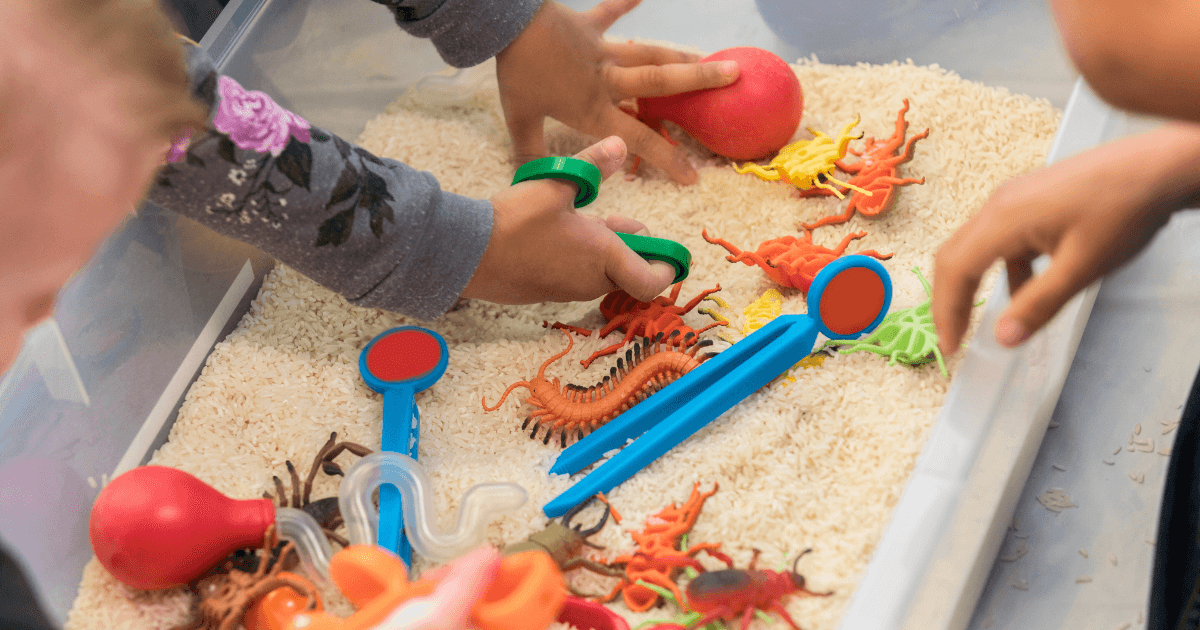
Children’s hands playing with toy insects and colorful tweezers in a bin filled with dry rice, enjoying a seasonal sensory bins activity that fosters both fun and learning.

Sensory bins are a cornerstone of early childhood exploration, offering children rich opportunities to engage their senses while developing crucial skills. By rotating seasonal themes throughout the year, you can keep sensory play fresh and exciting while connecting children to the natural rhythms and celebrations that mark our calendar.

This comprehensive guide will walk you through creating engaging sensory bins for each season, with detailed materials lists, setup tips, and learning connections to maximize the developmental benefits of sensory play.

What Are Sensory Bins and Why Are They Important?

Before diving into seasonal ideas, let’s understand what makes sensory bins so valuable for young children’s development.

Sensory bins are containers filled with materials that stimulate one or more of the senses—touch, sight, sound, smell, and sometimes taste. According to Sensory N Stuff, these hands-on play stations offer numerous benefits:

  • Sensory processing development: Children learn to integrate and respond to sensory information
  • Fine motor skills: Scooping, pouring, and manipulating small objects strengthens hand muscles needed for writing
  • Language development: New vocabulary emerges naturally as children describe textures, actions, and discoveries
  • Cognitive skills: Sorting, categorizing, and problem-solving happen organically during play
  • Social skills: When shared, sensory bins promote turn-taking, cooperation, and communication
  • Emotional regulation: Many children find sensory play calming and grounding

The beauty of sensory bins is their versatility—they can be adapted for different ages, abilities, interests, and learning goals while maintaining their intrinsic appeal to children.

Essential Supplies for Any Sensory Bin

While specific materials will vary by theme, these basic supplies will help you create successful sensory experiences year-round:

Containers

  • Plastic storage bins (6-quart size works well for individual play; larger bins for group play)
  • Under-bed storage containers (shallow but wide for easier access)
  • Water tables or sand tables (for outdoor or messy play)
  • Plastic kiddie pools (for larger group sensory experiences)

Tools and Accessories

  • Measuring cups and spoons
  • Scoops, shovels, and tongs
  • Funnels and sieves
  • Tweezers and droppers (for fine motor development)
  • Small containers for sorting
  • Magnifying glasses
  • Kitchen utensils (whisks, spatulas, etc.)

Common Base Materials

  • Rice (can be colored with food coloring or liquid watercolors)
  • Dried beans and lentils
  • Pasta (various shapes and sizes)
  • Sand (play sand or kinetic sand)
  • Water beads
  • Shredded paper
  • Pom-poms
  • Cotton balls

Now, let’s explore specific sensory bin ideas for each season!

Winter Sensory Bins

Winter offers unique sensory opportunities centered around cold, snow, and cozy indoor activities.

1. Arctic Ice Exploration

Materials:

  • Blue water beads or blue-dyed rice
  • Clear plastic ice cubes
  • Arctic animal figurines (polar bears, seals, penguins)
  • Small plastic icebergs (can be made from white clay or foam)
  • Silver glitter (use eco-friendly options)
  • Small metal scoops or tongs
  • Blue fabric scraps for “water”

Setup Tips:

  • If using water beads, prepare them 24 hours in advance
  • Consider adding a few drops of peppermint essential oil for a “cold” scent
  • Place on a waterproof mat if using water beads

Learning Connections:

  • Arctic animal habitats and adaptations
  • States of matter (ice vs. water)
  • Sensory vocabulary: cold, slippery, smooth

2. Snowflake Sensory Bin

Materials:

  • White rice or instant snow powder
  • Snowflake confetti or sequins
  • Plastic snowflake ornaments
  • Silver pipe cleaners
  • Blue and silver gems or marbles
  • Ice cream scoops
  • Small containers for “snowballs”

Setup Tips:

  • To color rice white, mix with a small amount of white paint and let dry completely
  • Add a drop of vanilla extract for a pleasant scent
  • Store colored rice in airtight containers for reuse

Learning Connections:

  • Weather concepts
  • Pattern creation with snowflakes
  • Counting and sorting activities

3. Cozy Hot Chocolate Shop

Materials:

  • Brown-dyed rice or dried coffee grounds
  • Mini marshmallows (real or foam)
  • Cinnamon sticks
  • Plastic mugs and spoons
  • White pom-poms (as alternative marshmallows)
  • Chocolate-scented sensory dough
  • Scoops and ladles

Setup Tips:

  • If using real marshmallows, replace frequently
  • Add a few drops of chocolate extract to the base material for scent
  • Include laminated “menu cards” for literacy connections

Learning Connections:

  • Dramatic play opportunities
  • Measurement concepts
  • Sensory vocabulary: soft, rough, smooth

Spring Sensory Bins

Spring themes focus on growth, renewal, and the return of color to the natural world.

4. Garden Planting Station

Materials:

  • Potting soil or cocoa mulch
  • Artificial flowers with removable stems
  • Small terracotta pots
  • Plastic gardening tools
  • Seed packets (empty or laminated)
  • Small watering cans
  • Plastic insects and worms

Setup Tips:

  • Consider using a deeper bin to contain soil
  • Have towels ready for cleanup
  • Can be set up outdoors for easier maintenance

Learning Connections:

  • Plant life cycles
  • Gardening vocabulary
  • Sequencing (planting steps)
  • Care for living things

5. Spring Rain Cloud

Materials:

  • Clear water beads
  • Blue food coloring or liquid watercolors
  • Cotton balls
  • Small containers or cups
  • Droppers and funnels
  • Plastic frogs, ducks, or umbrellas
  • Blue cellophane pieces

Setup Tips:

  • Place in a water table or deep container
  • Have towels ready for spills
  • Consider adding a small mirror at the bottom for added visual interest

Learning Connections:

  • Water cycle concepts
  • Cause and effect (squeezing droppers)
  • Color mixing if using different colored water

6. Easter Egg Hunt

Materials:

  • Green Easter grass or shredded paper
  • Plastic Easter eggs (various sizes)
  • Small bunnies or chick figurines
  • Egg cartons for sorting
  • Tongs or scoops
  • Pastel-colored pom-poms
  • Numbered egg halves for matching

Setup Tips:

  • Hide small treasures inside some eggs for discovery
  • Use a divided container to encourage sorting by color
  • Consider adding lavender or lemon essential oil for spring scent

Learning Connections:

  • Color matching and sorting
  • Counting and one-to-one correspondence
  • Fine motor development through egg opening/closing

Summer Sensory Bins

Summer bins celebrate warmth, outdoor adventures, and natural wonders.

7. Beach Day Sensory Bin

Materials:

  • Play sand or kinetic sand
  • Seashells (various sizes)
  • Small plastic buckets and shovels
  • Ocean animal figurines
  • Blue glass gems for “water”
  • Small pieces of driftwood
  • Smooth stones

Setup Tips:

  • Use kinetic sand for less mess
  • Add a spray bottle with water for authentic sand castle building
  • Consider a divided bin with “ocean” and “beach” sections

Learning Connections:

8. Ice Cream Shop

Materials:

  • Colored pom-poms (for “ice cream scoops”)
  • White and colored rice (for “sprinkles”)
  • Ice cream scoops and tongs
  • Plastic ice cream cones or cups
  • Colored gems for “toppings”
  • Small spoons
  • Laminated menu cards

Setup Tips:

  • Use cupcake liners for sorting different “flavors”
  • Add vanilla extract for scent
  • Include a play cash register for dramatic play extension

Learning Connections:

  • Dramatic play scenarios
  • Color sorting and matching
  • Fine motor skills through scooping and serving

9. Summer Garden Harvest

Materials:

  • Dried corn kernels
  • Plastic fruits and vegetables
  • Small baskets or berry containers
  • Child-safe scissors for “harvesting”
  • Gardening gloves
  • Small watering can
  • Artificial leaves and flower petals

Setup Tips:

  • Add green crinkle paper for “garden rows”
  • Include price tags for math connections
  • Consider adding herbs like mint or basil for scent

Learning Connections:

  • Food origins
  • Sorting by food groups
  • Vocabulary related to gardening and food

Fall Sensory Bins

Fall sensory experiences focus on changing colors, harvest themes, and seasonal celebrations.

10. Autumn Leaves Exploration

Materials:

  • Artificial fall leaves (various colors and sizes)
  • Acorns and pinecones (baked to eliminate pests)
  • Cinnamon sticks
  • Orange and red pom-poms
  • Small rake and basket
  • Brown, orange, and red dyed rice
  • Tweezers and tongs

Setup Tips:

  • Add cinnamon or apple pie spice for fall scent
  • Include real leaves laminated for preservation
  • Consider adding small squirrel or bird figurines

Learning Connections:

  • Seasonal changes
  • Color identification and sorting
  • Sensory vocabulary: crunchy, smooth, rough

11. Pumpkin Patch

Materials:

  • Orange-dyed rice or lentils
  • Mini pumpkins (real or plastic)
  • Green pipe cleaners for “vines”
  • Small hay bales or raffia
  • Cinnamon sticks
  • Scoops and containers
  • Small wagons for “pumpkin transport”

Setup Tips:

  • If using real mini pumpkins, check regularly for signs of decay
  • Add pumpkin pie spice for authentic scent
  • Include small flashlights for jack-o’-lantern play

Learning Connections:

12. Apple Orchard

Materials:

  • Green and red pom-poms or plastic apples
  • Brown rice or flax seeds for “dirt”
  • Small baskets or buckets
  • Tongs and tweezers
  • Artificial leaves and branches
  • Cinnamon sticks
  • Apple-scented sensory dough

Setup Tips:

  • Add a few drops of apple extract for authentic scent
  • Include sorting mats by apple color
  • Consider adding a play apple press or cider making station

Learning Connections:

  • Apple varieties and growth
  • Color sorting and matching
  • Counting and basic addition concepts

Tips for Sensory Bin Success

Managing Messes

  • Place sensory bins on easy-clean surfaces or tablecloths
  • Establish clear boundaries (materials stay in the bin)
  • Have cleanup supplies readily available
  • Consider outdoor sensory play for messier materials
  • Use fitted shower curtains under bins for easy cleanup

Storage Solutions

  • Label containers clearly with contents and theme
  • Store similar materials together (all rice bases, all seasonal items, etc.)
  • Use vacuum-sealed bags for bulky materials like cotton balls
  • Rotate materials seasonally to maintain freshness
  • Keep small parts in mesh bags inside larger containers

Adapting for Different Ages and Abilities

For Toddlers (1-2 years):

  • Use larger materials to prevent choking hazards
  • Focus on simple exploration rather than specific tasks
  • Consider taste-safe materials (coconut flour, cereal, etc.)
  • Provide close supervision

For Preschoolers (3-5 years):

  • Add tools that require moredexterity
  • Incorporate counting, sorting, and matching activities
  • Introduce themed dramatic play elements
  • Encourage vocabulary development through conversation

For School-Age Children (6+ years):

  • Add writing materials for recording observations
  • Include measurement tools for scientific exploration
  • Create more complex challenges and games
  • Connect to academic concepts in math and science

Addressing Sensory Sensitivities

Some children may be hesitant to engage with certain textures or materials. Here’s how to help:

  • Start with preferred textures and gradually introduce new ones
  • Offer tools for indirect interaction (scoops, tongs)
  • Provide gloves for children who dislike messy hands
  • Create alternative sensory experiences (sensory bottles for observation)
  • Follow the child’s lead and never force participation

Extending the Learning

Maximize the educational value of your sensory bins with these extension ideas:

Literacy Connections

  • Add theme-related vocabulary cards
  • Include themed books nearby
  • Provide notepads for “observations” or “orders”
  • Create laminated step-by-step visual instructions

Math Opportunities

  • Add counting cards or dice
  • Include measuring tools
  • Provide sorting containers
  • Create pattern cards to reproduce

Science Explorations

  • Add magnifying glasses and observation tools
  • Include related nature specimens
  • Provide simple science tools (balance scales, thermometers)
  • Create hypothesis and testing opportunities

Budget-Friendly and Sustainable Options

Creating engaging sensory bins doesn’t have to be expensive or wasteful:

Low-Cost Alternatives

  • Use dried beans, rice, and pasta (often less expensive in bulk)
  • Repurpose recyclable materials (shredded paper, cardboard)
  • Check dollar stores for seasonal items and containers
  • Use natural materials from outdoors (leaves, pinecones, stones)

Eco-Friendly Choices

  • Choose biodegradable base materials
  • Opt for wooden or metal tools instead of plastic
  • Use natural food coloring or plant-based dyes
  • Selectdurable items that can be reused across themes

DIY Sensory Materials

  • Make your own playdough with flour, salt, and water
  • Create cloud dough from flour and oil
  • Dye rice and pasta using vinegar and food coloring
  • Make scented materials using extracts and spices

Keeping Sensory Materials Fresh and Clean

Maintain your sensory materials for repeated use with these tips:

  • Store dry materials in airtight containers
  • Add a few drops of essential oil to refresh scents
  • Include silica packets in storage to prevent moisture
  • Periodically bake dry materials at low temperature to sanitize
  • Wash plastic items in mild soap solution regularly
  • Replace organic materials (like real leaves or flowers) when they show signs of decay

Conclusion: Embracing Seasonal Sensory Play

Seasonal sensory bins offer a perfect blend of open-ended exploration and thematic learning. By rotating materials throughout the year, you provide children with fresh sensory experiences that connect them to the changing world around them.

Remember that the most valuable sensory experiences come from following children’s interests and observations. While these ideas provide a starting point, the real magic happens when you observe what captivates the children in your care and expand on those fascinations.


Which seasonal sensory bin will you try first? Share your experiences and ideas in the comments below!
Leave a Reply

Your email address will not be published. Required fields are marked *