Brain Development at 3: What’s Happening Inside Your Preschooler’s Mind
Have you ever watched your 3-year-old build an elaborate block tower, create an imaginary tea party with stuffed animals, or suddenly use a complex sentence that catches you by surprise? These magical moments aren’t just adorable milestones—they’re visible signs of the remarkable brain development happening beneath the surface.
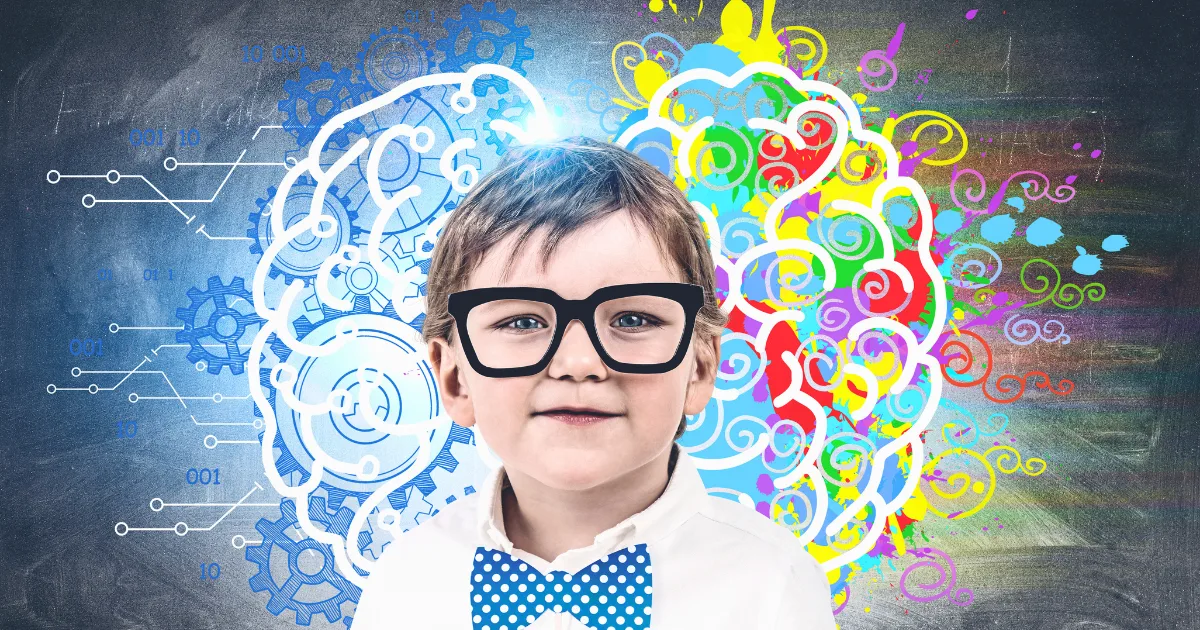
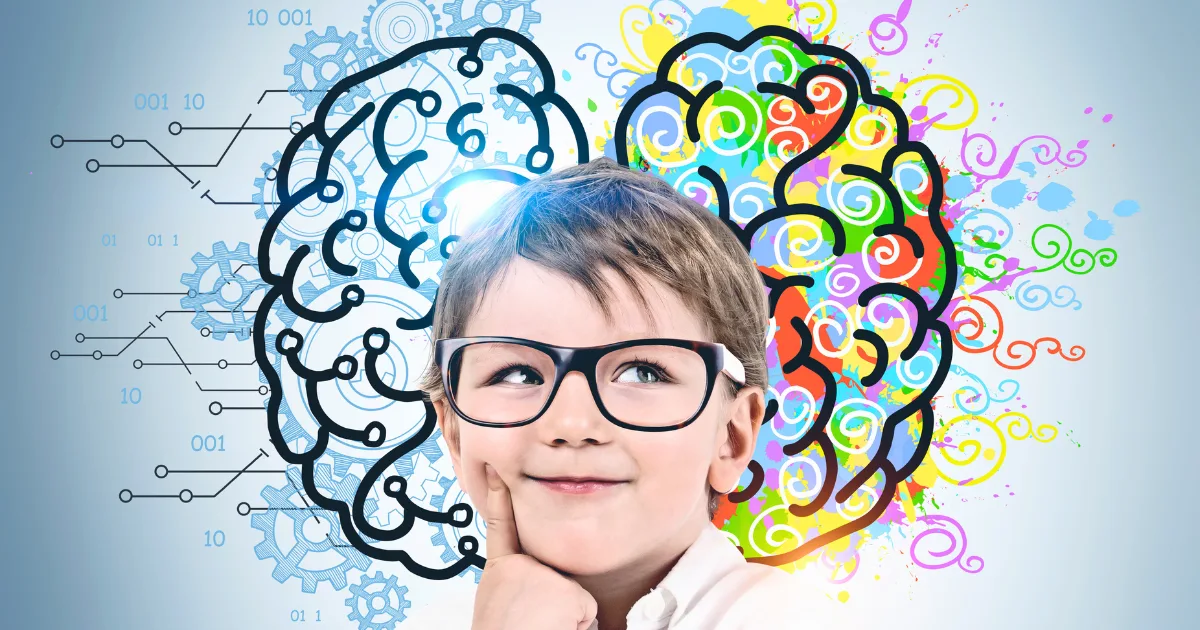
At age 3, your child’s brain is in one of its most dynamic periods of growth and reorganization. According to First Things First, by this age, your child’s brain has already reached approximately 80% of its adult size, with neural connections forming at an astonishing rate—over one million new neural connections every second.
Let’s explore what’s happening inside your preschooler’s mind and how you can support this crucial phase of development.
The 3-Year-Old Brain: A Hive of Activity
The brain of a 3-year-old is a bustling construction site of neural pathways and connections. Here’s what’s happening behind those curious eyes:
Rapid Growth and Pruning
Research published in the National Library of Medicine reveals that during the preschool years, the brain undergoes dramatic anatomical and physiological changes:
Gray Matter Expansion: The brain’s gray matter (the tissue containing neuronal cell bodies) is considerably larger in children than in adults, creating a foundation for learning.
Synaptic Pruning: After an initial overproduction of neurons and connections, the brain begins selectively eliminating unused pathways—a “use it or lose it” process that makes the brain more efficient.
Myelination: Nerve fibers are increasingly covered with myelin, a fatty substance that insulates neural pathways and speeds up signal transmission, allowing for faster thinking and better coordination.
Prefrontal Cortex Development
The prefrontal cortex—the brain’s command center for executive functions—undergoes significant development around age 3:
Working Memory: Your child can now hold several pieces of information in mind simultaneously, allowing them to follow multi-step instructions like “Please put your shoes away and bring me your book.”
Inhibitory Control: Though still developing, your 3-year-old is beginning to resist impulses and delay gratification, a skill that will continue to mature for many years.
Cognitive Flexibility: Your child is starting to adapt to changing situations and shift between different tasks, though they may still struggle when routines are disrupted.
According to The Education Hub, “Executive function supports children in controlling thoughts, feelings, and behaviors, which is vital for social and emotional competence.”
Language Explosion
The language centers of the brain are particularly active at age 3:
Vocabulary Growth: Most 3-year-olds use between 900 and 1,000 words and understand many more.
Sentence Structure: Your child is likely stringing together 3-5-word sentences and beginning to use proper grammar, including past tense and plurals.
Conversational Skills: Three-year-olds can engage in simple back-and-forth conversations and are beginning to adapt their speech for different listeners.
Research from PMC indicates that language development is closely tied to executive function skills, particularly working memory and cognitive flexibility, creating a synergistic relationship that powers cognitive growth.
Social-Emotional Neural Networks
The brain regions responsible for social understanding and emotional regulation are undergoing significant development:
Empathy Circuits: Your 3-year-old is developing the neural foundations for empathy, allowing them to recognize when others are upset and even offer comfort.
Emotional Regulation: The connections between the limbic system (emotional center) and the prefrontal cortex are strengthening, though emotional regulation remains challenging.
Theory of Mind: Your child is beginning to understand that others have thoughts and feelings different from their own, though this understanding is still developing.
As noted by Psychology Today, “Three-year-olds start to become more socially aware, recognizing emotions in others and offering comfort when someone is upset.”
Cognitive Milestones: What Your 3-Year-Old Can Do
These neural developments translate into observable cognitive abilities that emerge around age 3:
Thinking and Problem-Solving
Categorization: Your child can sort objects by color, shape, or size, laying the groundwork for mathematical thinking.
Cause and Effect: Three-year-olds understand simple cause-and-effect relationships and may conduct “experiments” to test their theories.
Spatial Reasoning: They can complete simple puzzles and understand spatial concepts like “in,” “on,” and “under.”
Counting: Most 3-year-olds can count to at least 5 and are beginning to understand the concept of “how many.”
Memory
Episodic Memory: Your child can recall and describe past events, though their sense of time remains limited.
Procedural Memory: They remember how to perform routine tasks and may correct you if you deviate from familiar procedures.
Recognition Memory: Three-year-olds easily recognize familiar people, places, and objects, even after significant time has passed.
Imagination and Creativity
Pretend Play: This is the golden age of imagination, with elaborate pretend scenarios becoming increasingly complex.
Imaginary Friends: Many 3-year-olds create imaginary companions as they explore the boundaries between reality and fantasy.
Storytelling: Your child may begin creating simple stories with a beginning, middle, and end.
According to Raising Children Network, “Imaginative play becomes prominent, with children engaging in pretend games and role-playing,” which is a crucial driver of cognitive development.
The Power of Play: Fuel for Brain Development
Play isn’t just fun for 3-year-olds—it’s the primary way they develop their brains. Different types of play support different aspects of brain development:
Pretend Play
When your child pretends to be a doctor, shopkeeper, or superhero, they’re exercising crucial cognitive skills:
Symbolic Thinking: Using objects to represent other things (a block becomes a phone, a stick becomes a magic wand)
Narrative Thinking: Creating and following storylines
Perspective-Taking: Stepping into different roles and viewpoints
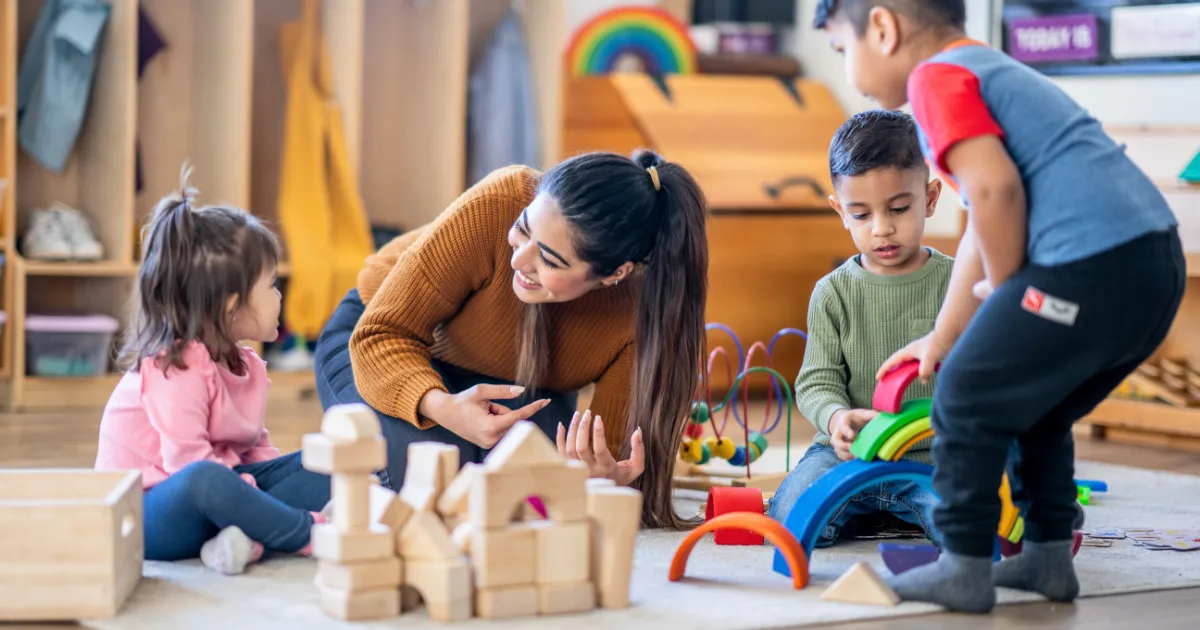
Construction Play
Building with blocks, LEGO, or other materials supports:
Spatial Awareness: Understanding how objects fit together in space
Planning: Thinking ahead about what to build and how
Problem-Solving: Figuring out why structures fall and how to make them stable
Social Play
Playing with peers helps develop:
Turn-Taking: Understanding the back-and-forth nature of social interaction
Conflict Resolution: Learning to navigate disagreements
Cooperation: Working together toward common goals
Physical Play
Active play supports brain development through:
Motor Planning: Coordinating movements to achieve goals
Spatial Navigation: Understanding how to move through space
Body Awareness: Developing a mental map of the body and its capabilities
Supporting Your 3-Year-Old’s Brain Development
Given what we know about brain development at this age, here are evidence-based strategies to support your child’s cognitive growth:
Engage in Conversation
Talking with your 3-year-old is one of the most powerful ways to support brain development:
Ask Open-Ended Questions: “What do you think will happen next?” or “How did that make you feel?”
Expand Their Language: If they say, “Big truck,” you might respond, “Yes, that’s a huge red fire truck with a ladder.”
Narrate Daily Activities: “I’m cutting these carrots into circles for our soup. Do you see how they’re round like wheels?”
Provide Rich Play Experiences
Create opportunities for different types of play:
Dramatic Play Props: Simple costumes, kitchen items, tools, or medical kits spark imaginative scenarios.
Building Materials: Blocks, magnetic tiles, and recycled materials encourage spatial thinking and problem-solving.
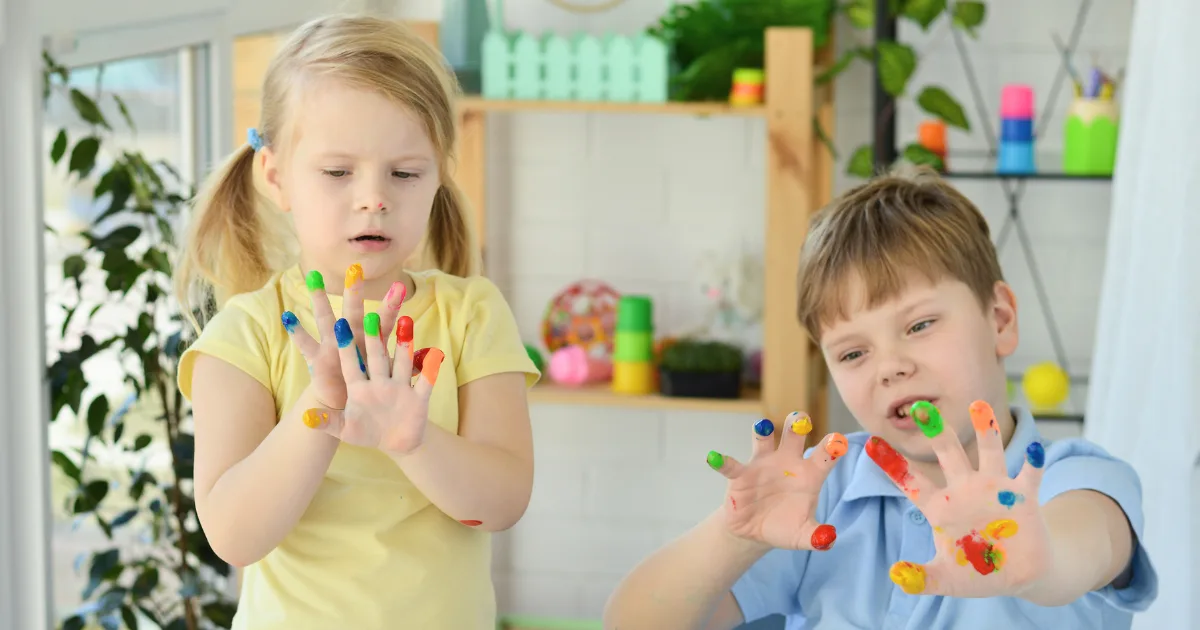
Art Supplies: Crayons, paint, clay, and collage materials foster creativity and fine motor skills.
Outdoor Exploration: Nature provides countless opportunities for discovery, sensory experiences, and physical challenges.
Support Executive Function Development
Help your child develop crucial self-regulation skills:
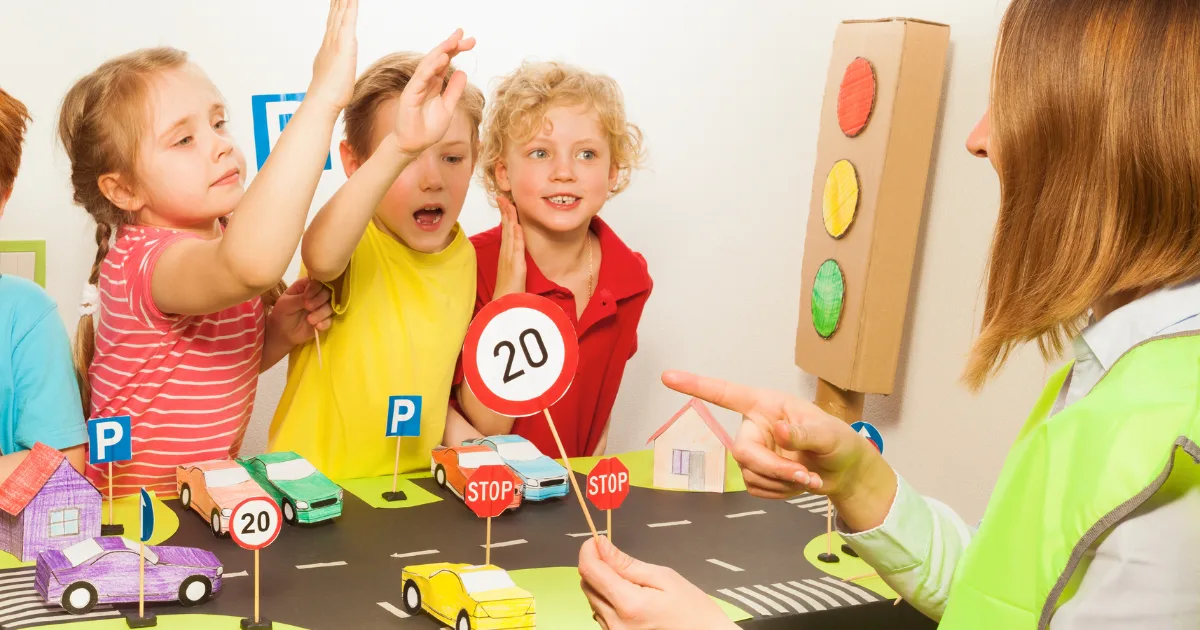
Play Games with Rules: Simple board games, Simon Says, and Red Light/Green Light help practice following rules and taking turns.
Create Visual Schedules: Pictures showing the day’s routine help your child understand sequences and transitions.
Encourage Independent Problem-Solving: When challenges arise, resist the urge to solve problems for your child immediately. Ask, “What could you try?” or “How might we fix this?”
Read Together Daily
Reading aloud supports multiple aspects of brain development:
Choose a Variety of Books: Include stories, information books, poetry, and books with diverse characters and situations.
Make It Interactive: Ask questions, relate stories to your child’s experiences, and encourage predictions.
Follow Their Lead: Let your child choose books and set the pace, revisiting favorites as often as they like.
Prioritize Social Experiences
Social interactions are crucial for brain development:
Arrange Playdates: Small, short playdates provide opportunities to practice social skills.
Model Social Skills: Demonstrate kindness, sharing, and conflict resolution in your own interactions.
Acknowledge Emotions: Help your child identify and name feelings: “You seem frustrated that the tower fell. It’s okay to feel disappointed.”
Limit Screen Time
While some high-quality media can be beneficial, excessive screen time can displace important developmental activities:
Follow AAP Guidelines: The American Academy of Pediatrics recommends limiting preschoolers’ screen time to 1 hour per day of high-quality programming.
Co-View When Possible: Watch together and discuss what you’re seeing to make it more interactive.
Choose Wisely: Select slow-paced, educational content without advertising.
When to Seek Support
While development varies widely among children, certain signs might indicate a need for additional support:
Speech Delays: If your 3-year-old uses fewer than 200 words, doesn’t use 3-word sentences, or is difficult for others to understand
Social Concerns: Limited interest in other children, difficulty with back-and-forth interaction, or lack of pretend play
Behavioral Challenges: Extreme difficulty with transitions, unusually intense tantrums, or inability to be calmed
Cognitive Concerns: Trouble understanding simple concepts, following directions, or remembering familiar routines
If you notice these or other concerns, consider discussing them with your pediatrician or a child development specialist.
The Big Picture: Building a Foundation for the Future
Brain development at age 3 lays the groundwork for future learning and success. Research from The Education Hub indicates that “children with high levels of executive function at school entry progress faster in mathematics and can catch up with peers even if initially behind.”
Even more importantly, the social-emotional foundations established during this period have lifelong implications. As noted by the EGG Toolkit, “Strong executive functioning in early childhood is associated with greater long-term academic, social, emotional, and behavioral health outcomes.”
By understanding and supporting your 3-year-old’s brain development, you’re not just helping them navigate their preschool years—you’re helping them build the neural architecture that will support learning, relationships, and wellbeing throughout their life.
Conclusion: Embracing the Wonder of Three
The 3-year-old brain is a marvel of development—simultaneously organized enough to support increasingly complex thinking and flexible enough to continue rapid learning. By providing a nurturing environment rich in conversation, play, and social connection, you’re giving your child’s brain exactly what it needs to thrive.
So the next time your preschooler asks “why” for the hundredth time, creates an elaborate pretend scenario, or struggles to regulate big emotions, remember: these moments aren’t just part of being three—they’re visible signs of the incredible neural construction project happening inside their growing mind.
What aspects of your 3-year-old’s development have surprised or delighted you most? Share your experiences in the comments below!