Waldorf Education: Understanding the Whole-Child Philosophy
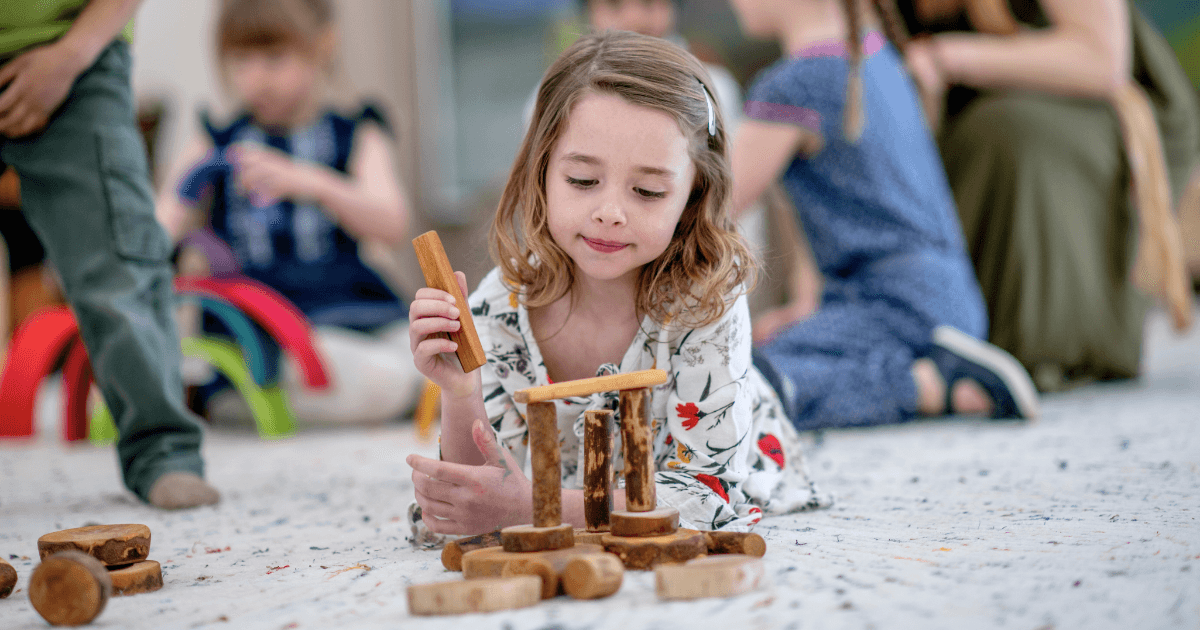
In a world increasingly focused on standardized testing, technological integration, and early academic achievement, Waldorf education stands apart with its deeply humanistic approach. Founded by Austrian philosopher Rudolf Steiner in 1919, Waldorf education offers a refreshingly different vision of what childhood education can be—one that honors the developmental stages of childhood and nurtures the whole human being: head, heart, and hands.
This comprehensive educational philosophy has grown from a single school in Stuttgart, Germany, to over 1,200 schools and 2,000 kindergartens worldwide. Its enduring appeal lies in its commitment to age-appropriate learning, artistic integration, and the development of well-rounded individuals who not only possess academic knowledge but also emotional intelligence, practical skills, and moral purpose.
In this article, we’ll explore the foundational principles of Waldorf education, its developmental approach, unique curriculum features, and what a typical day in a Waldorf classroom looks like. Whether you’re a curious parent, an educator seeking alternative approaches, or simply interested in educational philosophies that honor the whole child, this guide will provide valuable insights into this century-old yet remarkably relevant educational movement.
The Philosophical Foundation: Rudolf Steiner and Anthroposophy
To understand Waldorf education, we must first understand something about its founder and the philosophical framework from which it emerged.
Rudolf Steiner: Visionary and Founder
Rudolf Steiner (1861-1925) was an Austrian philosopher, scientist, and social reformer whose work spanned numerous fields including education, agriculture, medicine, architecture, and the arts. Highly educated in the sciences and humanities, Steiner sought to bridge the materialistic worldview of science with spiritual understanding.
In the aftermath of World War I, Steiner was approached by Emil Molt, the owner of the Waldorf-Astoria cigarette factory in Stuttgart, Germany, who asked him to create a school for the children of his factory workers. This first “Waldorf School” opened in 1919 with a revolutionary approach: it was co-educational, open to children of all economic backgrounds, and based on a holistic understanding of human development.
Anthroposophy: The Spiritual Foundation
Waldorf education is informed by anthroposophy, a spiritual philosophy developed by Steiner that posits humans as beings of body, soul, and spirit. While anthroposophy itself is not taught to students, it provides teachers with a framework for understanding child development and creating age-appropriate curriculum.
Key anthroposophical concepts that influence Waldorf education include:
- The belief that humans are spiritual beings on a developmental journey
- Recognition of the integration of thinking, feeling, and willing in the human being
- Understanding of human development as occurring in approximately seven-year phases
- Emphasis on the relationship between humans and the natural world
It’s important to note that while these spiritual underpinnings inform the pedagogical approach, Waldorf schools welcome families of all religious backgrounds and do not promote any particular religious doctrine.
According to the Association of Waldorf Schools of North America, “Waldorf education addresses the child as a three-fold being of body, soul, and spirit and works to develop the intellectual, artistic, and practical skills in an age-appropriate manner.”
The Developmental Approach: Honoring Childhood’s Stages
One of the most distinctive aspects of Waldorf education is its deep respect for the stages of child development. Rather than viewing children as miniature adults or empty vessels to be filled with information, Waldorf educators recognize that children develop according to a natural rhythm, with different capacities emerging at different times.
The Three Developmental Phases
Waldorf education organizes childhood development into three main phases, each approximately seven years long:
Early Childhood (Birth to Age 7): The Physical Foundation
During this phase, children learn primarily through imitation and sensory experience. Their energy is directed toward physical development—growing their bodies and developing fundamental motor skills. Key educational approaches during this phase include:
- Emphasis on creative play with simple, natural toys that stimulate imagination
- Rhythmic daily, weekly, and seasonal activities that provide security and predictability
- Storytelling and puppetry rather than direct academic instruction
- Practical activities like baking, gardening, and handwork
- A warm, home-like environment that protects the young child’s senses
According to the Hundred Hills School, “Waldorf Education emphasizes the importance of early childhood as the foundation for lifelong development.” During this stage, formal academic instruction is deliberately delayed, with the belief that premature intellectual work can divert energy from crucial physical development.
Middle Childhood (Ages 7-14): The Emotional Foundation
As children enter this second phase, their capacity for feeling and imagination blossoms. They develop a rich emotional life and learn best through artistic and imaginative approaches. Educational strategies during this phase include:
- Introduction of academic subjects through artistic mediums
- A class teacher who ideally stays with the same group of children for multiple years
- Integration of music, movement, painting, and drama into all subject areas
- Teaching that appeals to the child’s growing sense of beauty and feeling
- Stories and curriculum content that speak to the emotional developmental needs of each age
During this phase, children begin formal academic learning but always through approaches that engage their imagination and feelings alongside their thinking.
Adolescence (Ages 14-21): The Intellectual Foundation
In the third phase, adolescents develop their capacity for abstract thinking and independent judgment. The high school curriculum responds to this development by:
- Presenting subjects through rigorous intellectual content that challenges students to think independently
- Continuing to integrate arts and practical work with academic studies
- Specialized teachers with expertise in their subject areas
- Encouraging questions, debate, and critical thinking
- Addressing adolescents’ search for truth and meaning in the world
By respecting these developmental phases, Waldorf education aims to build a solid foundation for lifelong learning and well-being. As noted by Pacific Tides Education, “The curriculum is designed to align with the child’s developmental stage, presenting subjects in imaginative ways that meet the child where they are.”
Curriculum Features: Integrating Head, Heart, and Hands
The Waldorf curriculum is remarkably comprehensive, addressing not only intellectual development but also artistic, social, physical, and practical skills. Several distinctive features set it apart from mainstream educational approaches:
Main Lesson Blocks
Rather than studying many subjects in short periods each day, Waldorf students explore a single subject intensively for 3-4 weeks in morning “Main Lesson” blocks. This immersive approach allows for deep engagement with each subject. A typical Main Lesson integrates:
- Intellectual content appropriate to the age
- Artistic activities related to the subject
- Movement and rhythmic elements
- Practical applications of the material
- Creation of a “Main Lesson Book” where students record their learning through writing and illustration
This block scheduling allows students to develop a relationship with each subject and make connections across disciplines.
Arts Integration
Perhaps the most visible feature of Waldorf education is the thorough integration of the arts into all academic subjects. Students learn through:
- Music (singing, playing instruments, movement)
- Visual arts (painting, drawing, modeling)
- Drama and speech
- Movement and eurythmy (a form of expressive movement developed by Steiner)
This artistic approach isn’t merely decorative—it’s fundamental to how children learn and process information. As the Alliance for Public Waldorf Education explains, “The arts are integrated throughout the curriculum, not as separate subjects but as fundamental ways of understanding and expressing knowledge.”
Practical Skills and Handwork
Waldorf education places significant emphasis on developing practical skills through activities such as:
- Handwork (knitting, crocheting, sewing, cross-stitch)
- Woodworking
- Gardening
- Cooking and nutrition
- Practical crafts related to human needs (shelter, clothing, food)
These activities develop fine motor skills, practical intelligence, perseverance, and a sense of capability and self-reliance. They also connect children to traditional human crafts and the satisfaction of creating useful objects with their own hands.
Narrative and Oral Tradition
Storytelling forms a central pillar of Waldorf education. Teachers are skilled storytellers who bring curriculum content to life through narrative. This emphasis on oral tradition:
- Develops listening skills and attention span
- Builds rich vocabulary and language patterns
- Nurtures imagination and inner picture-making
- Connects children to cultural and literary heritage
- Addresses moral and ethical themes through archetypal stories
From fairy tales in early grades to mythology, history, and biography in later years, stories provide the living context for learning across the curriculum.
Limited Technology
Waldorf schools are known for their cautious approach to technology, particularly in the early years. This approach is based on the belief that:
- Young children learn best through direct, sensory experience of the real world
- Creative play and human interaction build essential foundations for later learning
- Screen time can displace the active, imaginative play crucial for development
- Children need to develop their own inner resources before engaging with external technology
As students mature, they gradually incorporate appropriate technology, often learning not just how to use digital tools but also to understand the science and engineering behind them.
A Day in the Life: Rhythm and Balance in Waldorf Education
The daily and weekly schedule in a Waldorf school reflects a deep understanding of children’s needs for both structure and freedom, focus and relaxation. This intentional rhythm supports children’s sense of security while honoring their natural energy flows.
The Breathing Rhythm: In-breath and Out-breath
A core concept in Waldorf education is the alternation between “in-breath” activities (requiring focus, concentration, and receptivity) and “out-breath” activities (allowing for expression, movement, and release). As Denver Waldorf School explains, “The curriculum emphasizes a predictable cycle of outbreaths and inbreaths, fostering confidence and engagement.”
This rhythmic alternation might look like:
- A focused math lesson followed by an active game applying the concepts
- Concentrated listening to a story followed by artistic interpretation
- Careful observation of a natural phenomenon followed by outdoor exploration
A Typical Day in a Waldorf Lower School
While schedules vary between schools, a typical day in grades 1-8 might follow this pattern:
Morning Gathering (8:00-8:15)
- Verse or song to begin the day
- Movement activities to awaken the body
- Transition to the classroom
Main Lesson (8:15-10:15)
- Two-hour integrated lesson on the current block subject
- Begins with rhythmic activities (songs, verses, movement)
- Includes review of previous day’s work
- Introduces new material through artistic presentation
- Provides time for students to work in Main Lesson books
- Concludes with anticipation of tomorrow’s learning
Snack and Recess (10:15-10:45)
- Nutritious snack, often prepared by the class
- Outdoor free play regardless of weather
Special Subjects (10:45-12:15)
- Foreign languages
- Music (singing, recorder, strings)
- Movement or games
Lunch and Recess (12:15-1:15)
- Shared meal with blessing or gratitude verse
- Outdoor play
Afternoon Subjects (1:15-3:00)
- Handwork or woodworking
- Painting or modeling
- Gardening or environmental studies
- Additional music, movement, or games
Closing (2:45-3:00)
- Cleanup and preparation for departure
- Closing verse or song
- Personal farewells from the teacher
This daily rhythm provides a balance of focused academic work, artistic activity, physical movement, and practical skills, addressing all aspects of the child’s development.
Weekly and Seasonal Rhythms
Beyond the daily schedule, Waldorf education embraces weekly and seasonal rhythms:
Weekly Rhythms might include:
- Specific activities associated with each day (painting on Monday, baking on Tuesday, etc.)
- Weekly assemblies or all-school gatherings
- Special subjects scheduled on particular days
Seasonal Rhythms are honored through:
- Seasonal festivals and celebrations
- Nature tables that reflect the changing year
- Curriculum content that connects to seasonal themes
- Outdoor activities appropriate to each season
These layered rhythms create a sense of predictability and security while connecting children to natural cycles and cultural traditions.
The Teacher’s Role: Guide, Artist, and Observer
In Waldorf education, the teacher plays a multifaceted role that differs significantly from conventional models:
The Class Teacher Relationship
In Waldorf lower schools, a class teacher ideally stays with the same group of students for multiple years (often from grades 1-8). This long-term relationship:
- Allows the teacher to know each child deeply
- Provides continuity in the learning journey
- Creates a family-like classroom community
- Enables the teacher to address individual developmental needs
- Builds strong relationships with families
This approach requires teachers to grow and develop alongside their students, continually expanding their knowledge and skills to meet the changing needs of the class.
Teacher as Artist
Waldorf teachers approach their work as an art form, developing skills in:
- Storytelling and oral presentation
- Music, movement, and visual arts
- Creating beautiful classroom environments
- Crafting lessons that engage and inspire
- Responding creatively to the needs of the moment
This artistic approach keeps teaching fresh and alive, preventing the rigidity that can develop with standardized curriculum.
Teacher as Observer
Waldorf teachers are trained in careful observation of children’s development. Rather than relying primarily on standardized assessments, they:
- Observe how children move, speak, interact, and approach tasks
- Note patterns in learning and behavior
- Identify individual strengths and challenges
- Adjust teaching approaches to meet developmental needs
- Create detailed narrative reports rather than letter grades
This observational approach allows for truly individualized education within the context of a strong classroom community.
Assessment and Evaluation: Beyond Testing
Waldorf education takes a distinctive approach to assessment that emphasizes the whole child rather than standardized measures:
Narrative Assessment
Instead of letter grades or numerical scores, Waldorf teachers provide detailed narrative reports that:
- Describe the child’s engagement with each subject
- Note social and emotional development
- Identify strengths and areas for growth
- Offer specific examples of the child’s work and participation
- Provide a comprehensive picture of development across all domains
These narrative assessments give parents much richer information than traditional report cards and honor the complexity of each child’s learning journey.
Authentic Assessment
Assessment in Waldorf schools is based on authentic work and observation rather than standardized testing. Teachers evaluate students through:
- Main Lesson books that document learning
- Artistic projects and performances
- Class participation and discussion
- Practical work and handcrafts
- Observation of the child’s approach to learning
This authentic assessment connects directly to the actual learning experience rather than creating a separate testing situation.
Developmental Perspective
Assessment in Waldorf education always considers the child’s individual developmental path. Teachers ask:
- How is this child progressing on their unique journey?
- What growthdo we see compared to their previous work?
- Are they developing in a balanced way across all domains?
- What support might they need for their next developmental steps?
This approach recognizes that children develop at different rates and in different patterns, while still holding high expectations for all students.
The Four Foundational Senses in Waldorf Education
A distinctive aspect of Waldorf education is its attention to developing what Steiner identified as four foundational senses that form the basis for healthy development:
The Sense of Touch
The sense of touch provides our most fundamental connection to the world. Waldorf education nurtures this sense through:
- Natural materials with varied textures (wood, wool, silk, cotton)
- Handwork activities that develop tactile sensitivity
- Outdoor exploration in all weather conditions
- Warm human contact and appropriate physical boundaries
A well-developed sense of touch helps children feel secure in their bodies and connected to the physical world.
The Sense of Life (Well-Being)
This internal sense tells us how we’re feeling physically—whether we’re comfortable, hungry, tired, or energized. Waldorf education supports it through:
- Regular rhythms that help children recognize and respond to their needs
- Nutritious snacks and meals shared communally
- Alternation between activity and rest
- Attention to the classroom environment (temperature, air quality, aesthetics)
Developing this sense helps children regulate their energy and care for their physical needs.
The Sense of Self-Movement
This proprioceptive sense tells us where our body is in space and how it’s moving. It’s developed through:
- Daily movement activities (circle games, eurythmy, outdoor play)
- Fine motor activities like handwork and form drawing
- Gross motor challenges like climbing, balancing, and jumping
- Movement integrated into academic learning
A well-developed sense of movement supports coordination, spatial awareness, and even cognitive functions like reading and mathematics.
The Sense of Balance
Beyond physical balance, this sense relates to finding equilibrium in all aspects of life. Waldorf education nurtures it through:
- Physical balancing activities and games
- Balanced daily rhythms of focused work and free play
- Curriculum that addresses thinking, feeling, and willing
- Social experiences that balance individual and group needs
As noted by Hundred Hills School, these four senses form “the foundation for all other learning and development,” creating the secure base from which children can explore and engage with the world.
The Arts as Essential, Not Extracurricular
In Waldorf education, artistic activities aren’t “extras” or enrichment—they’re fundamental to the learning process itself. This arts integration serves multiple purposes:
Developing the Whole Human Being
Artistic activities engage multiple capacities simultaneously:
- Cognitive skills (planning, problem-solving, spatial reasoning)
- Emotional development (expression, appreciation, nuance)
- Physical abilities (coordination, dexterity, technique)
- Social skills (collaboration, appreciation of others’ work)
This integration helps develop well-rounded individuals rather than just training specific academic skills.
Making Learning Memorable
Information presented artistically creates stronger neural connections and deeper memory traces. When children:
- Paint a scene from history
- Act out a mathematical process
- Create a song about scientific concepts
- Draw detailed observations from nature
They engage multiple brain regions, creating rich, multisensory learning experiences that are more likely to be retained.
Building Executive Function
Artistic activities naturally develop executive function skills that are crucial for all learning:
- Sustained attention
- Working memory
- Planning and sequencing
- Cognitive flexibility
- Self-regulation
These capacities, developed through artistic work, transfer to academic learning and life skills.
Preserving Joy in Learning
Perhaps most importantly, arts integration preserves the joy and wonder that should be at the heart of education. When learning remains connected to beauty, creativity, and self-expression, children maintain their natural love of discovery and growth.
The Role of Nature in Waldorf Education
Connection to the natural world is another cornerstone of Waldorf education, reflecting both Steiner’s philosophy and contemporary research on the benefits of nature for child development.
Outdoor Time in All Weather
Waldorf students spend significant time outdoors every day, regardless of weather conditions:
- Multiple recess periods for free play
- Nature walks and outdoor lessons
- Gardening and care for the school grounds
- Seasonal festivals and celebrations
The saying “There is no bad weather, only inappropriate clothing” reflects the Waldorf commitment to outdoor experience in all seasons.
Nature as Teacher
The natural world provides essential learning experiences that no classroom can replicate:
- Sensory richness that develops neural pathways
- Natural rhythms that teach patience and observation
- Inherent challenges that build resilience and problem-solving
- Beauty that nurtures aesthetic appreciation
As children climb trees, build forts, observe insects, or plant gardens, they develop capacities that serve all areas of learning.
Environmental Stewardship
Through their intimate connection with nature, Waldorf students develop a deep sense of environmental responsibility:
- Practical experience caring for plants and animals
- Understanding of natural systems and cycles
- Emotional connection to the natural world
- Sense of themselves as part of nature, not separate from it
This relationship with nature forms the foundation for lifelong environmental consciousness and action.
The Social Dimension: Building Community
Waldorf education places strong emphasis on social development and community building, recognizing that humans are inherently social beings who learn and thrive in relationship.
The Class as a Social Organism
The long-term relationship between a class teacher and students creates a unique social environment:
- Children learn to work through conflicts rather than simply changing classes
- Diverse strengths and challenges within the group are recognized and valued
- Students develop deep understanding of one another over years together
- The class forms a supportive community for individual growth
This stable social context provides security for taking risks and developing authentic relationships.
Cooperative Rather Than Competitive Learning
While Waldorf education honors individual achievement, it emphasizes cooperation over competition:
- Group projects that require collaboration
- Performances where everyone participates
- Games that focus on collective achievement
- Recognition of each person’s unique contributions
This approach helps children develop teamwork skills and appreciation for diverse abilities.
Connection to the Broader Community
Waldorf schools actively cultivate connections beyond the classroom:
- Parent involvement in festivals, workdays, and classroom activities
- Community service projects appropriate to each age
- Relationships with local artisans, farmers, and businesses
- Cultural celebrations that honor diverse traditions
These connections help children understand themselves as valuable members of a larger social fabric.
Waldorf Education in Different Settings
The Waldorf approach has been adapted to various contexts while maintaining its core principles:
Independent Waldorf Schools
Traditional independent Waldorf schools follow the full curriculum and approach as developed by Steiner and evolved over the past century. These schools:
- Are typically governed by the faculty
- Maintain autonomy in curriculum decisions
- Charge tuition but often offer financial aid
- Belong to national and international Waldorf associations
Public Waldorf-Inspired Schools
In recent decades, public Waldorf-inspired schools have emerged, particularly in the United States. These schools:
- Adapt Waldorf methods to public education requirements
- Balance Waldorf principles with state standards
- Are free and open to all students
- Often operate as charter schools
The Alliance for Public Waldorf Education supports these schools in maintaining Waldorf principles within public education contexts.
Waldorf Homeschooling
Many families apply Waldorf principles in home education settings:
- Following Waldorf curriculum resources
- Creating rhythmic home environments
- Emphasizing artistic and practical activities
- Connecting with other Waldorf homeschooling families
As Dropkick Math notes, “Waldorf homeschooling integrates creativity, discipline, and a nurturing environment through the concept of rhythm,” adapting the school approach to home settings.
Waldorf Early Childhood Programs
Waldorf early childhood programs have been particularly influential, with principles adopted even in non-Waldorf settings:
- Emphasis on creative play rather than academic instruction
- Natural materials and simple toys
- Rhythmic daily activities
- Protection of childhood from adult concerns
- Limited media exposure
These programs focus on building the developmental foundation for later learning rather than accelerating academic skills.
The Outcomes: Waldorf Graduates in the World
What becomes of students educated through this distinctive approach? Research and anecdotal evidence suggest that Waldorf graduates often demonstrate particular strengths:
Creative Thinking and Problem-Solving
The emphasis on imagination, artistic expression, and finding multiple approaches to challenges fosters innovative thinking. Waldorf graduates often excel in fields requiring creative solutions and “thinking outside the box.”
Social and Emotional Intelligence
The attention to social development and emotional learning throughout the curriculum helps graduates navigate complex human relationships with empathy and skill.
Intrinsic Motivation and Love of Learning
By preserving the joy in learning and avoiding external motivators like grades and rewards, Waldorf education tends to produce graduates with strong internal motivation and genuine interest in continuing to learn throughout life.
Resilience and Adaptability
The balanced development of intellectual, emotional, and practical capacities gives graduates a broad foundation for adapting to new situations and overcoming challenges.
Moral Purpose and Social Responsibility
The integration of ethical questions throughout the curriculum and the emphasis on community helps graduates develop a sense of purpose beyond personal achievement.
Conclusion: The Relevance of Waldorf Education Today
In our rapidly changing world, the Waldorf approach offers timeless wisdom about child development while preparing students for an uncertain future. Its emphasis on developing the whole human being—creative thinking, emotional intelligence, practical skills, moral purpose, and physical well-being—addresses precisely the capacities needed for navigating the21st century.
As artificial intelligence takes over routine cognitive tasks, the uniquely human capacities nurtured by Waldorf education—creativity, empathy, ethical judgment, collaboration, and adaptability—become increasingly valuable. The Waldorf graduate’s ability to integrate thinking, feeling, and action prepares them not just for specific careers but for a meaningful human life.
Whether implemented in independent schools, public education, or home settings, the core insights of Waldorf education offer a profound alternative to standardized, technology-driven approaches. By honoring the wisdom of childhood development and nurturing the whole human being, Waldorf education continues to inspire and inform educational practice worldwide.
Have you had experience with Waldorf education, either as a student, parent, or educator? What aspects of this approach resonate with you? Share your thoughts and questions in the comments below!
Common Questions and Considerations
As parents and educators explore Waldorf education, several common questions arise:
Waldorf education isn’t against technology but takes a developmental approach to its introduction. The philosophy holds that:
- Young children learn best through direct, sensory experience
- Creative play builds the cognitive foundations needed for later technical skills
- Technology is introduced gradually as children mature
- Understanding the principles behind technology is as important as using it
Many Waldorf graduates go on to careers in technology and science, having developed the creativity, problem-solving abilities, and conceptual understanding that make them innovative thinkers in these fields.
While Waldorf education doesn’t emphasize early academics or standardized testing, research indicates that Waldorf students ultimately achieve strong academic outcomes:
- A study by the Waldorf Education Research Institute found that nearly 100% of Waldorf graduates attend college or university
- Waldorf students typically score above average on standardized tests when they encounter them in high school
- Graduates often demonstrate strengths in critical thinking, complex problem-solving, and creative approaches to challenges
The Waldorf approach builds a strong foundation for academic success through developing attention, memory, creativity, and motivation—capacities that serve students well in any learning environment.
Waldorf education naturally accommodates diverse learning styles through its multisensory, arts-integrated approach:
- Visual learners benefit from the rich imagery in storytelling and the visual arts
- Auditory learners thrive with the emphasis on music, poetry, and oral tradition
- Kinesthetic learners engage through movement, handwork, and experiential activities
By presenting each subject through multiple modalities—verbal, visual, musical, kinesthetic, artistic—Waldorf education reaches all types of learners without singling out children with different learning preferences.
While founded on Rudolf Steiner’s spiritual philosophy of anthroposophy, Waldorf schools are not religious institutions and do not teach anthroposophy to students. The approach:
- Honors the spiritual dimension of human development without promoting specific religious doctrines
- Celebrates seasonal festivals that often have cultural or historical roots in various traditions
- Welcomes families of all religious backgrounds and beliefs
- Fosters reverence for nature and human potential
As the Alliance for Public Waldorf Education states, “Public Waldorf education is not religious education. Public Waldorf schools are cultural, not religious, institutions that seek to nourish and support the spiritual development of each human being.”
Transitions between Waldorf and conventional schools require thoughtful consideration:
Entering Waldorf from conventional education:
- Students may need time to adjust to the artistic and experiential approach
- They often quickly embrace the engaging, multisensory learning environment
- Some academic alignment may be needed, particularly in math sequencing
Transitioning from Waldorf to conventional education:
- Waldorf students typically adapt well to new environments due to their social skills and love of learning
- They may need support with standardized testing formats if not previously encountered
- Their strong critical thinking and creativity often become assets in new settings
Many Waldorf schools offer transition support to help students and families navigate these changes successfully.