Supporting the Anxious Child: Strategies for Parents and Teachers
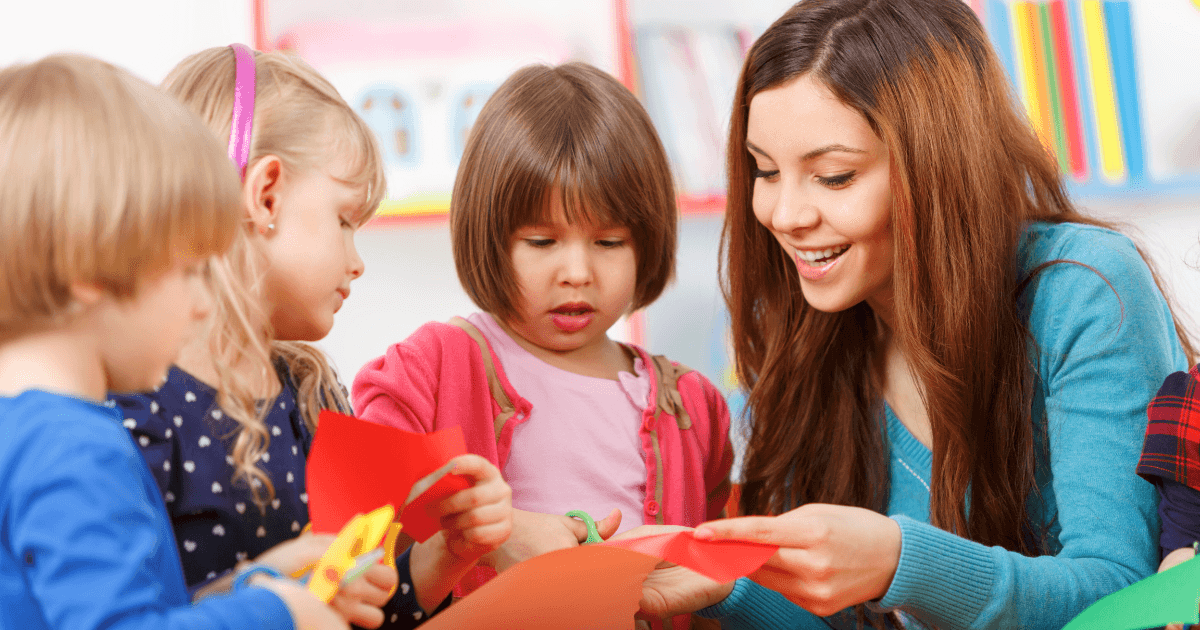
Four-year-old Mia stood frozen at the classroom doorway, her small hand gripping her mother’s with surprising strength. Her eyes darted around the room, her breathing quickened, and tears threatened to spill. This wasn’t just typical separation anxiety—this was a pattern that had persisted for months, affecting Mia’s ability to fully engage in learning and social experiences.
Scenes like this are increasingly common in early childhood settings. According to Kids Included Together (KIT), 12% of US children ages three to seventeen experienced anxiety or depression in 2022, an increase from 9% in 2016. This rising trend means that parents and educators must be equipped with effective strategies to support anxious children.
Anxiety in young children isn’t just a passing phase to “get over”—it’s a real emotional experience that requires understanding, patience, and targeted support. When adults work together to create consistent approaches across home and school environments, anxious children can develop the coping skills and resilience they need to thrive.
In this article, we’ll explore practical, evidence-based strategies that both parents and teachers can implement to support anxious children. By understanding anxiety’s manifestations in early childhood and learning specific techniques to address it, we can help children like Mia find their confidence and joy in learning.
Understanding Anxiety in Young Children
Before diving into strategies, it’s important to recognize how anxiety manifests in young children, which often differs from adults.
Common Signs of Anxiety in Preschoolers
Physical Symptoms:
- Stomachaches and headaches (often before school or social events)
- Sleep disturbances or nightmares
- Changes in appetite
- Restlessness or fidgeting
- Complaints of feeling dizzy or a racing heart
Behavioral Signs:
- Excessive clinginess or difficulty separating from caregivers
- Avoidance of certain activities, places, or people
- Frequent seeking of reassurance (“Will you be here when I get back?”)
- Regression to earlier behaviors (baby talk, thumb sucking, etc.)
- Tantrums or meltdowns when faced with anxiety-provoking situations
Emotional Indicators:
- Excessive worry about things that might happen
- Heightened sensitivity to criticism or correction
- Perfectionism or fear of making mistakes
- Difficulty transitioning between activities
- Expressing negative thoughts about themselves or their abilities
According to Worth-it, anxiety can significantly impact a child’s ability to learn by shortening attention spans and impairing working memory. It can also lead to school avoidance and academic difficulties if not addressed appropriately.
Types of Anxiety in Early Childhood
Dr. Sarah Taylor Vanover identifies seven types of childhood anxiety that may appear in preschool-aged children:
- Separation Anxiety: Fear of being away from parents or caregivers
- Social Anxiety: Fear of social situations or interactions with others
- Generalized Anxiety: Excessive worry about various aspects of life
- Specific Phobias: Intense fears of particular objects or situations
- Selective Mutism: Consistent failure to speak in specific social situations
- Obsessive-Compulsive Behaviors: Repetitive thoughts or actions to reduce anxiety
- Post-Traumatic Stress: Anxiety following a traumatic experience
Understanding the specific type of anxiety a child is experiencing helps tailor support strategies more effectively.
Creating Supportive Environments: Strategies for Both Home and School
The foundation for supporting anxious children is creating environments that promote security and emotional safety. Here are strategies that work in both home and classroom settings:
1. Establish Consistent Routines
Predictability is a powerful antidote to anxiety. When children know what to expect, their sense of control increases and worry decreases.
Implementation Tips:
- Create visual schedules with pictures showing the day’s sequence
- Maintain consistent daily routines for meals, rest, and activities
- Provide advance notice before transitions (e.g., “In five minutes, we’ll be cleaning up”)
- Use transition cues such as songs or visual timers
- Keep major routines similar on weekends and school days when possible
Child Care Education Institute emphasizes that creating predictable daily routines helps reduce anxiety and promotes a sense of security among children.
2. Create Calm Spaces
Both homes and classrooms benefit from designated areas where children can retreat when feeling overwhelmed.
Implementation Tips:
- Designate a small, comfortable space with soft furnishings
- Include sensory tools like stress balls, weighted stuffed animals, or fidget toys
- Add calming visual elements such as glitter jars, aquariums, or nature images
- Provide books about emotions and coping with feelings
- Teach children how and when to use this space independently
3. Validate Feelings While Building Coping Skills
Acknowledging children’s anxiety without dismissing it is crucial, but so is helping them develop strategies to manage it.
Implementation Tips:
- Use reflective language: “I see you’re feeling worried about…”
- Avoid dismissive phrases like “Don’t worry” or “You’ll be fine”
- Teach simple breathing techniques (e.g., “balloon breathing” or “five-finger breathing”)
- Practice naming feelings and body sensations
- Create personalized “calm-down plans” with each child
Teaching Strategies notes that validating a child’s feelings and allowing them to express their emotions is essential for helping them develop emotional regulation skills.
4. Use Visual Supports
Visual cues help anxious children process information and expectations more easily than verbal instructions alone.
Implementation Tips:
- Create simple social stories about challenging situations
- Use emotion charts to help children identify their feelings
- Provide visual countdowns for transitions or waiting periods
- Develop visual choice boards to promote autonomy
- Create personalized visual reminders of coping strategies
5. Teach and Practice Mindfulness
Simple mindfulness activities can help children connect with the present moment rather than worrying about the future.
Implementation Tips:
- Practice “still like a frog” sitting with focused breathing
- Try “mindful listening” to environmental sounds for 30 seconds
- Engage in slow, mindful eating of a small snack
- Do “body scan” exercises where attention moves from toes to head
- Use guided imagery for brief mental “vacations” to calm places
Specific Strategies for Parents
Parents have unique opportunities to support anxious children through their close relationship and home environment:
1. Create Supportive Morning and Bedtime Routines
The beginnings and endings of days are often challenging times for anxious children.
Implementation Tips:
- Prepare for school the night before (laying out clothes, packing lunch)
- Wake children with enough time to avoid rushing
- Create a visual morning routine chart
- Establish a consistent, calming bedtime sequence
- Allow extra time for connection during these transitions
2. Model Healthy Anxiety Management
Children learn by watching how adults handle stress and worry.
Implementation Tips:
- Verbalize your own coping strategies: “I’m feeling nervous about my meeting, so I’m taking some deep breaths”
- Demonstrate problem-solving rather than catastrophizing
- Show self-compassion when you make mistakes
- Practice self-care openly and involve children when appropriate
- Be honest about feelings while demonstrating resilience
3. Create “Worry Time”
For children with persistent worries, scheduling specific times to discuss concerns can prevent anxiety from dominating the entire day.
Implementation Tips:
- Set aside 10-15 minutes daily for “worry time”
- Use a “worry box” where children can place written or drawn worries
- During worry time, problem-solve together about specific concerns
- Outside of worry time, gently remind children to save worries for the designated time
- End worry time with a positive activity or gratitude practice
4. Build Gradual Exposure to Challenges
Helping children face fears in small, manageable steps builds confidence over time.
Implementation Tips:
- Break challenging situations into smaller steps
- Create a “courage ladder” with increasingly difficult steps
- Celebrate each successful step, no matter how small
- Provide support without rescuing from age-appropriate challenges
- Use role-play to practice challenging scenarios
5. Maintain Open Communication with Teachers
Consistency between home and school approaches is crucial for anxious children.
Implementation Tips:
- Share effective home strategies with teachers
- Ask about classroom approaches that could be reinforced at home
- Update teachers about significant events that might affect anxiety
- Collaborate on a communication system for particularly difficult days
- Include the child in appropriate parts of these conversations
Specific Strategies for Teachers
Educators have unique opportunities to support anxious children within the social context of the classroom:
1. Build Strong Relationships
A secure relationship with teachers provides a foundation of safety for anxious children.
Implementation Tips:
- Greet each child individually at arrival
- Learn about children’s interests and incorporate them into activities
- Provide specific, positive feedback regularly
- Create special roles or responsibilities that build confidence
- Check in privately with anxious children throughout the day
Worth-it emphasizes that building positive relationships with students helps them feel more at ease and encourages them to share their concerns, which is essential for supporting children with anxiety.
2. Support Successful Separations
For many young children, separation from parents triggers significant anxiety.
Implementation Tips:
- Create consistent drop-off routines with parents
- Use comfort items like family photos or small objects from home
- Develop special arrival activities that engage children immediately
- Create personalized social stories about the school day and reunion
- Use puppets to discuss and normalize separation feelings
According to Teaching Strategies, separation anxiety typically begins around 6 months of age and is often resolved by 3 years old, but some children continue to struggle beyond this age and need additional support.
3. Adapt Classroom Demands Appropriately
Anxious children may need modifications to fully participate in classroom activities.
Implementation Tips:
- Provide advance warning about changes in routine
- Offer alternative ways to participate in group activities
- Create “exit strategies” for overwhelming situations
- Allow extra time for transitions and settling in
- Consider sensory needs and provide accommodations
4. Foster Peer Connections
Positive peer relationships can significantly reduce social anxiety.
Implementation Tips:
- Use buddy systems for activities and transitions
- Teach and model inclusive language and behaviors
- Structure small group activities that build connections
- Explicitly teach social skills through stories and role-play
- Create opportunities for anxious children to share their strengths
Worth-it notes that positive peer-to-peer interactions can significantly support children with anxiety, helping them feel safe and accepted within the classroom community.
5. Incorporate Emotional Literacy Throughout Curriculum
Embedding emotional vocabulary and coping strategies into daily activities normalizes discussions about feelings.
Implementation Tips:
- Read and discuss books featuring characters experiencing anxiety
- Incorporate feelings check-ins during circle time
- Use puppets to demonstrate coping with worried feelings
- Create art activities focused on expressing emotions
- Develop class books about overcoming challenges
Collaborative Approaches: When Parents and Teachers Work Together
The most powerful support for anxious children occurs when home and school environments align their approaches:
1. Consistent Communication Systems
Establish regular ways to share information about the child’s anxiety and coping strategies.
Implementation Tips:
- Create a communication notebook that travels between home and school
- Schedule regular check-in meetings beyond standard conferences
- Develop a simple daily or weekly update system
- Share successes as well as challenges
- Decide together how to involve the child in communications
2. Aligned Response Plans
Develop consistent approaches to supporting the child during anxious moments.
Implementation Tips:
- Create a written plan detailing effective calming strategies
- Use the same language and cues across environments
- Agree on appropriate accommodations and when to use them
- Develop consistent responses to avoidance behaviors
- Regularly review and update the plan together
3. Celebration of Progress
Recognizing improvements, however small, builds the child’s confidence and motivation.
Implementation Tips:
- Define what progress looks like for this specific child
- Create visual ways to track brave moments or coping strategy use
- Share celebrations between home and school
- Focus on effort and strategy use rather than just outcomes
- Involve the child in recognizing their own growth
4. Resource Sharing
Parents and teachers can support each other by sharing helpful resources.
Implementation Tips:
- Exchange books, articles, or videos about childhood anxiety
- Share information about community resources and workshops
- Develop a shared collection of social stories or visual supports
- Recommend apps or tools that have been effective
- Create a resource lending library for families
5. Professional Support When Needed
Sometimes, despite everyone’s best efforts, additional help is needed.
Implementation Tips:
- Discuss concerns openly and without blame
- Collaboratively decide when to seek additional support
- Share observations from both home and school settings
- Consider involving school counselors or psychologists
- Explore play therapy or other child-centered therapeutic approaches
Case Study: Supporting Anxious Children Effectively
To illustrate these principles in action, let’s return to Mia, the anxious four-year-old we met at the beginning:
Mia’s parents and teacher, Ms. Garcia, noticed her increasing anxiety about school attendance and collaborated to develop a support plan:
Understanding Mia’s Anxiety: They identified that Mia showed signs of both separation anxiety and social anxiety. She worried about being away from her parents and also felt overwhelmed by classroom social interactions.
Home Strategies:
- Created a visual morning routine chart with Mia’s input
- Established a special goodbye ritual (three hugs, a high five, and a special phrase)
- Read books about school and separation at bedtime
- Practiced school scenarios with stuffed animals
- Created a small photo album of family pictures Mia could keep in her cubby
Classroom Strategies:
- Assigned Mia a consistent arrival job (feeding the class fish)
- Paired her with a friendly peer buddy for the first activity each day
- Created a quiet corner with sensory tools Mia could use when overwhelmed
- Implemented a visual schedule with warnings before transitions
- Taught simple breathing techniques to the whole class
Collaborative Approaches:
- Shared a daily communication notebook with a simple rating system for Mia’s anxiety level
- Agreed on consistent language about separations and reunions
- Created a gradual entry plan, starting with shorter days that slowly increased
- Celebrated brave moments with a special sticker chart both at home and school
- Met biweekly to assess progress and adjust strategies
Results: After six weeks, Mia’s morning anxiety had significantly decreased. She still had occasional difficult days, especially after weekends or when tired, but she had developed several coping strategies she could use independently. Most importantly, she had begun to enjoy school and form friendships once her anxiety was better managed.
When to Seek Additional Help
While many anxious children respond well to the supportive strategies outlined above, some may need professional intervention. Consider seeking additional help if:
- Anxiety significantly interferes with daily functioning for several weeks
- Physical symptoms are severe or persistent
- The child expresses thoughts of hopelessness or worthlessness
- Anxiety leads to complete avoidance of necessary activities
- Strategies implemented consistently at home and school show little improvement
- The child’s anxiety seems to be worsening despite support
- Parents or teachers feel overwhelmed by managing the child’s anxiety
Early intervention can prevent anxiety patterns from becoming entrenched and help children develop effective coping skills during these formative years.
Conclusion: A Foundation of Security and Skills
Supporting anxious children isn’t about eliminating all sources of worry from their lives—that would be neither possible nor beneficial for their development. Instead, our goal as parents and educators is to provide children with two essential elements: a foundation of security and a toolkit of coping skills they can carry throughout life.
When we create consistent, predictable environments where children feel safe to express their worries, we build that foundation of security. According to Harvard’s Center on the Developing Child, “Supportive relationships with caring adults can help buffer a child’s stress response, promoting resilience and healthy development.” This security becomes the platform from which children can begin to explore challenging situations with growing confidence.
Simultaneously, teaching specific coping skills equips children to manage anxiety independently over time. As noted by the International OCD Foundation, we want to teach children to “live with fear, not in fear.” When children learn practical strategies like deep breathing, positive self-talk, and gradual exposure to challenges, they develop resilience that extends far beyond the preschool years.
Research from Authentic Growth Wellness indicates that children between ages 5 and 10 are actively forming emotional regulation patterns that shape their stress management skills throughout life. The strategies we teach during these formative years don’t just address current anxiety—they lay the groundwork for lifelong emotional health.
Perhaps most importantly, when parents and teachers work together consistently to support anxious children, we show them that they are not alone in their struggles. This collaborative approach creates a circle of care that allows children to gradually build confidence in their ability to face challenges. As Wellington Counseling Group emphasizes, “Resilient children experience improved mental health, stronger relationships, better problem-solving abilities, and greater life satisfaction.”
By implementing the strategies outlined in this article with patience and consistency, we can help anxious children like Mia not only manage their current worries but develop the emotional resilience that will serve them throughout their lives. We transform anxiety from an overwhelming obstacle into a manageable challenge—one that children can learn to navigate with growing independence and confidence.
This is perhaps the greatest gift we can offer anxious children: not a worry-free existence, but the skills, support, and self-belief to face life’s uncertainties with resilience and hope.
What strategies have you found most effective in supporting anxious children? Share your experiences in the comments below!