Summer Water Play with Learning Goals: Beyond Splashing
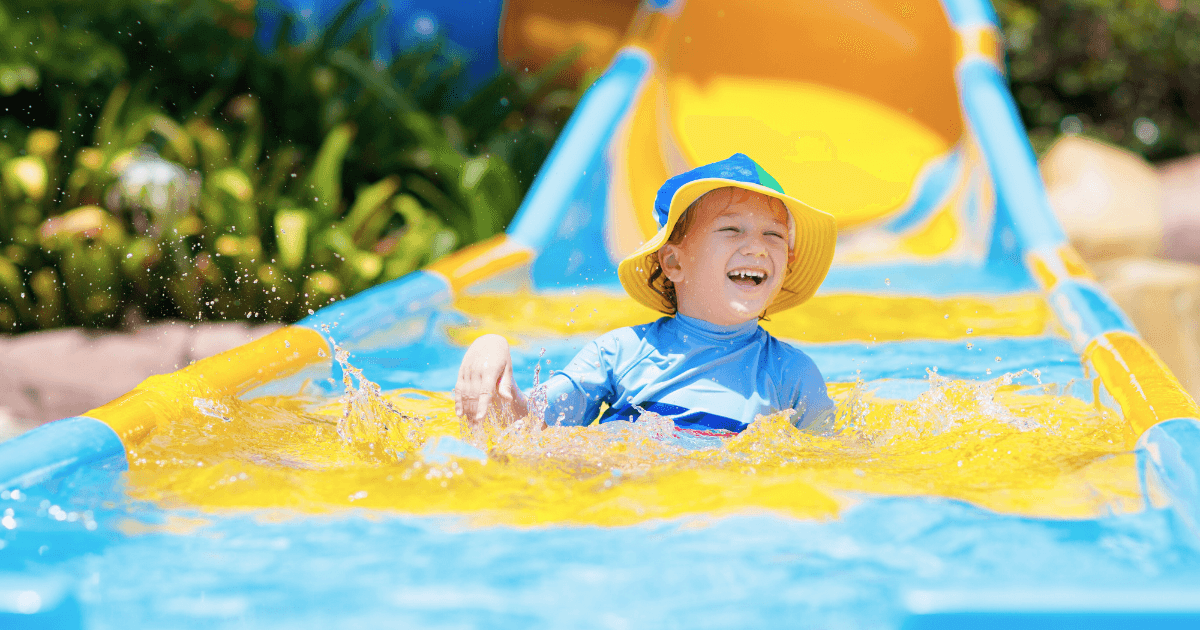
When summer temperatures rise, water play becomes an irresistible attraction for children. But beyond the giggles and splashes lies a wealth of learning opportunities that can transform simple water activities into powerful educational experiences.
According to the National Association for the Education of Young Children, water play supports development across multiple domains—physical, cognitive, social-emotional, and language—making it one of the most versatile learning mediums available. By intentionally designing water play activities with specific learning goals in mind, we can maximize both enjoyment and educational value during those hot summer months.
Let’s explore how to elevate water play beyond mere splashing into rich, purposeful learning experiences for children of all ages.
The Developmental Power of Water Play
Before diving into specific activities, it’s worth understanding the remarkable learning potential that water offers:
Cognitive Development
- Scientific thinking: Concepts like buoyancy, volume, and states of matter
- Mathematical reasoning: Measurement, estimation, and comparison
- Problem-solving: Testing hypotheses and discovering cause-effect relationships
- Spatial awareness: Understanding capacity, dimensions, and transformation
Physical Development
- Fine motor skills: Pouring, squeezing, and manipulating small objects
- Gross motor coordination: Balancing, reaching, and whole-body movements
- Sensory integration: Processing multiple sensory inputs simultaneously
- Eye-hand coordination: Targeting, tracking, and controlled movements
Social-Emotional Development
- Cooperation: Sharing materials and working toward common goals
- Self-regulation: Managing excitement and taking turns
- Confidence: Mastering new skills in an engaging environment
- Emotional expression: Processing feelings through sensory experiences
Language Development
- Vocabulary expansion: Learning specific terms related to water properties
- Descriptive language: Articulating observations and experiences
- Communication skills: Negotiating, questioning, and explaining
- Literacy connections: Linking water play to books and stories
As Zippi Kids notes, “Water play supports children’s development in sensory skills, problem-solving, and motor coordination” while providing a naturally motivating context for learning.
Designing Water Play with Intentional Learning Goals
The key to elevating water play lies in intentional design—creating activities with specific learning objectives while maintaining the joy that makes water play so engaging. Here’s how to approach different developmental domains:
Science Exploration Through Water
1. Sink or Float Investigation Station
Materials:
- Water table or large container
- Collection of diverse objects (wood, metal, plastic, natural materials)
- Recording sheets with simple pictures or words
- Pencils and clipboards (waterproof if possible)
- Sorting hoops or containers
Learning Goals:
- Predict and test which objects sink or float
- Categorize objects based on observed properties
- Develop hypotheses about why some objects sink while others float
- Introduce vocabulary: buoyancy, density, weight, volume
Implementation:
- Begin with a question: “What do you think will happen when we place these objects in water?”
- Invite predictions before testing each item
- Guide observations: “What do you notice about the objects that float? That sink?”
- Encourage categorization and pattern recognition
- Extend by changing variables (adding salt to water, reshaping malleable objects)
2. States of Matter Water Cycle
Materials:
- Clear containers of various sizes
- Ice cubes
- Warm water
- Plastic wrap
- Small weights (coins work well)
- Observation journals
- Thermometer (for older children)
Learning Goals:
- Observe water in solid, liquid, and gas states
- Understand the basic water cycle
- Develop scientific observation skills
- Connect to weather patterns and natural cycles
Implementation:
- Create a mini water cycle: place ice cubes in warm water, cover with plastic wrap, place weight in center
- Observe condensation forming on the plastic wrap and “rain” dripping back down
- Document changes at different stages
- Connect to real-world examples: “Where have you seen water changing forms outside?”
- For older children, track temperature changes during transformations
Mathematical Thinking in Water Play
1. Measurement and Volume Exploration
Materials:
- Containers of different sizes and shapes
- Measuring cups and spoons
- Funnels and tubes
- Recording charts
- Food coloring (optional, for better visibility)
Learning Goals:
- Understand volume and capacity concepts
- Practice measurement and estimation
- Recognize that volume remains constant despite container shape
- Develop mathematical vocabulary: more, less, equal, half, double
Implementation:
- Pose questions: “How many small cups will fill the large container?”
- Encourage predictions before testing
- Guide discovery of conservation principles: “The water looks different in this tall container, but is it actually more water?”
- Create challenges: “Can you find three different ways to measure exactly1 cup of water?”
- For older children, introduce standard measurements and fractions
2. Water Pattern and Sequence Play
Materials:
- Colored water in squeeze bottles
- Pattern cards or examples
- Large white sheets or sidewalk areas
- Timers (optional)
Learning Goals:
- Recognize, create, and extend patterns
- Understand sequencing and order
- Develop visual discrimination skills
- Practice counting and grouping
Implementation:
- Create simple patterns with colored water streams or drops
- Challenge children to identify and continue patterns
- Increase complexity for older children (ABC patterns, growing patterns)
- Add a time element: “How many pattern repeats can you create before the water evaporates?”
- Connect to mathematical notation for advanced learners
Literacy and Language Through Water Play
1. Floating Letter Rescue
Materials:
- Waterproof letters (foam, plastic, or laminated)
- Small nets, sieves, or tongs
- Word building mats or boards
- Picture cards for younger children
- Challenge cards for older children
Learning Goals:
- Letter recognition and phonemic awareness
- Fine motor control through letter manipulation
- Vocabulary development
- Word building and spelling practice
Implementation:
- Float letters in water table or container
- For younger children: “Can you rescue the letter that makes the /b/ sound?”
- For older children: “Rescue the letters to spell’splash'”
- Extend with word families: “Find letters to make words that rhyme with ‘wet'”
- Create sentences or stories with rescued letters
Dr. Day Care emphasizes that “new vocabulary related to water properties, such as ‘splashing’ and ‘pouring,’ is acquired and used by children” during well-designed water play.
2. Story-Inspired Water Play
Materials:
- Children’s books with water themes
- Props related to the stories
- Water table or containers
- Character figures or puppets
- Storytelling prompt cards
Learning Goals:
- Connect literature to sensory experiences
- Develop narrative skills and vocabulary
- Encourage imaginative play
- Reinforce story comprehension
Implementation:
- Read a water-themed book (e.g., “Mr. Gumpy’s Outing” or “The Snowy Day”)
- Create a water play scenario based on the story
- Provide props for retelling or extending the story
- Encourage children to narrate their play
- Document stories created during play for class books
Physical Development Water Activities
1. Water Transfer Obstacle Course
Materials:
- Various containers for carrying water
- Obstacles (cones, hoops, balance beams)
- Starting and ending containers with measurement marks
- Sponges, basters, cups with holes, etc.
- Stopwatches (optional)
Learning Goals:
- Develop gross motor coordination and balance
- Enhance fine motor control through pouring and squeezing
- Practice spatial awareness and body control
- Build hand-eye coordination
Implementation:
- Create a course requiring different movement skills
- Challenge children to transport water from start to finish
- Vary the tools used for different fine motor challenges
- Measure success by amount of water successfully transferred
- Encourage problem-solving: “What’s the most efficient way to move the water?”
2. Target Practice Water Play
Materials:
- Spray bottles, water droppers, or small cups
- Targets (floating objects, chalk circles, water-sensitive paper)
- Containers at varying heights and distances
- Scoring system or recording method
Learning Goals:
- Enhance eye-hand coordination
- Develop visual tracking skills
- Build finger and hand strength
- Practice spatial estimation and targeting
Implementation:
- Set up targets at various distances and heights
- Demonstrate different ways to aim and release water
- Encourage precision and control rather than speed
- For older children, create scoring systems or challenges
- Modify difficulty based on skill development
Social-Emotional Learning Through Water Play
1. Collaborative Water Wall
Materials:
- PVC pipes cut in various lengths
- Funnels, tubes, and connectors
- Recycled containers with holes
- Fence, pegboard, or other vertical surface
- Tape, zip ties, or hooks for attaching components
Learning Goals:
- Develop cooperation and teamwork
- Practice communication and negotiation
- Build problem-solving skills
- Experience cause and effect relationships
Implementation:
- Provide materials for creating a vertical water play surface
- Encourage children to work together to design water pathways
- Test and revise the system collaboratively
- Discuss challenges and strategies: “What happens when we place this piece here?”
- Celebrate successful teamwork and creative solutions
2. Emotion Regulation Water Station
Materials:
- Calming water features (bubbles, gentle flow)
- Squeezing tools (sponges, water pumps)
- Color-mixing opportunities with liquid watercolors
- Mindfulness prompts or visual guides
- Comfortable seating nearby
Learning Goals:
- Recognize and manage emotions
- Develop self-regulation strategies
- Practice mindfulness and focus
- Build sensory awareness
Implementation:
- Create a peaceful water play area for calming activities
- Introduce language for emotional states: “This activity helps when we feel frustrated”
- Demonstrate deep breathing while watching water movement
- Provide physical outlets like squeezing water from sponges
- Connect sensory experiences to emotional regulation
Honest Buck notes that “water play stimulates the senses and can help children regulate emotions, providing calming effects” when thoughtfully designed.
STEAM Integration Through Water Play
1. Water-Powered Inventions
Materials:
- Recycled materials (bottles, containers)
- Simple machines (wheels, levers, pulleys)
- Water wheels or turbines
- Building tools appropriate for age
- Design worksheets or journals
Learning Goals:
- Apply engineering design process
- Understand energy transfer
- Develop creative problem-solving
- Practice technical skills
Implementation:
- Introduce the challenge: “How can water make something move?”
- Guide children through designing, testing, and improving their inventions
- Demonstrate simple water wheels or water-powered devices
- Encourage documentation of the design process
- Create a showcase of water-powered inventions
2. Water Art Exploration
Materials:
- Watercolors, liquid watercolors, or food coloring
- Various applicators (droppers, spray bottles, brushes)
- Different surfaces (paper, fabric, sidewalk)
- Salt, oil, or other materials for resistance effects
- Documentation materials (camera, display space)
Learning Goals:
- Explore properties of water and pigment
- Develop creative expression
- Observe cause and effect with materials
- Build fine motor control through artistic techniques
Implementation:
- Introduce different water art techniques
- Encourage experimentation with colors, tools, and surfaces
- Observe and discuss how water moves pigment
- Create collaborative water art installations
- Connect to famous water-themed artworks or artists
Adapting Water Play for Different Ages
For Toddlers (Ages 1-3)
- Focus on sensory exploration and simple cause-effect
- Provide stable containers at appropriate heights
- Use larger materials that aren’t choking hazards
- Emphasize vocabulary development during play
- Keep activities brief with clear boundaries
For Preschoolers (Ages 3-5)
- Introduce basic scientific concepts and vocabulary
- Incorporate more structured investigations
- Add social components requiring turn-taking and sharing
- Include pre-literacy and numeracy connections
- Balance free exploration with guided activities
For School-Age Children (Ages 6-8)
- Develop more complex investigations with variables
- Incorporate measurement and data collection
- Challenge with multi-step problems and projects
- Connect to curriculum concepts in science and math
- Encourage independent documentation and reflection
Water Play Safety Considerations
While designing educational water play, safety remains paramount:
- Supervision: Maintain constant adult supervision, regardless of water depth
- Depth: Use shallow containers for younger children (1-2 inches of water)
- Surfaces: Ensure non-slip surfaces around water play areas
- Hygiene: Change water frequently and clean materials regularly
- Sun protection: Provide shade and apply sunscreen for outdoor water play
- Drinking water: Clearly distinguish between play water and drinking water
- Inclusive design: Ensure water play areas are accessible to children of all abilities
As Hotchpotch Daily emphasizes, “Constant adult supervision is critical during water activities to prevent drowning, a leading cause of injury-related death among children.”
Setting Up Successful Water Play Environments
The physical setup of water play significantly impacts its educational value:
Outdoor Water Play Spaces
- Locate near water source for easy filling and drainage
- Provide varied surfaces (grass, concrete, sand)
- Include natural elements when possible
- Consider traffic flow and visibility for supervision
- Establish clear boundaries for water play areas
Indoor Water Play Areas
- Use waterproof flooring or mats
- Provide ample towels and water containment
- Consider proximity to bathrooms or changing areas
- Ensure electrical safety with proper outlet covers
- Create defined spaces with clear expectations
Essential Materials for Educational Water Play
- Variety of containers for pouring and filling
- Tools for moving water (basters, pumps, droppers)
- Measurement tools (cups, spoons, graduated cylinders)
- Recording materials (waterproof clipboards, cameras)
- Visual supports (activity cards, vocabulary displays)
Documenting Learning Through Water Play
Capture the rich learning that occurs during water play through thoughtful documentation:
- Take photographs of key moments in investigations
- Record children’s questions and theories
- Create displays connecting water play to learning standards
- Involve children in documenting their own discoveries
- Share documentation with families to extend learning at home
Conclusion: The Ripple Effect of Intentional Water Play
When we design water play with specific learning goals in mind, we transform a simple summer activity into a powerful educational experience. The joy of splashing, pouring, and exploring creates the perfect context for developing skills across all developmental domains.
As BrightPath Kids explains, “These activities provide meaningful learning opportunities while keeping children engaged and entertained”—the perfect combination for summer learning.
By intentionally planning water play activities that go beyond splashing, we create ripples of learning that extend far beyond the water table. Children develop scientific thinking, mathematical reasoning, language skills, and social-emotional competencies while simply enjoying one of summer’s greatest pleasures.
So this summer, look beyond the splash and see the learning potential in every drop, pour, and ripple. With thoughtful design and intentional facilitation, water play becomes not just a way to cool off, but a rich, multifaceted learning experience that children eagerly dive into. The concepts explored, skills practiced, and discoveries made during these engaging activities will continue to ripple outward, influencing children’s understanding and approach to learning long after the water has dried.
Remember that the most powerful learning often happens when children don’t realize they’re being “taught”—when education feels like play, curiosity flows naturally, and joy becomes the current that carries new understanding forward. In the hands of thoughtful educators and caregivers, summer water play becomes exactly this kind of transformative experience—one splash, one discovery, one learning moment at a time.
What are your favorite educational water play activities? How have you observed children learning through water exploration? Share your experiences in the comments below!