Managing Materials: Storage Solutions for Small Spaces
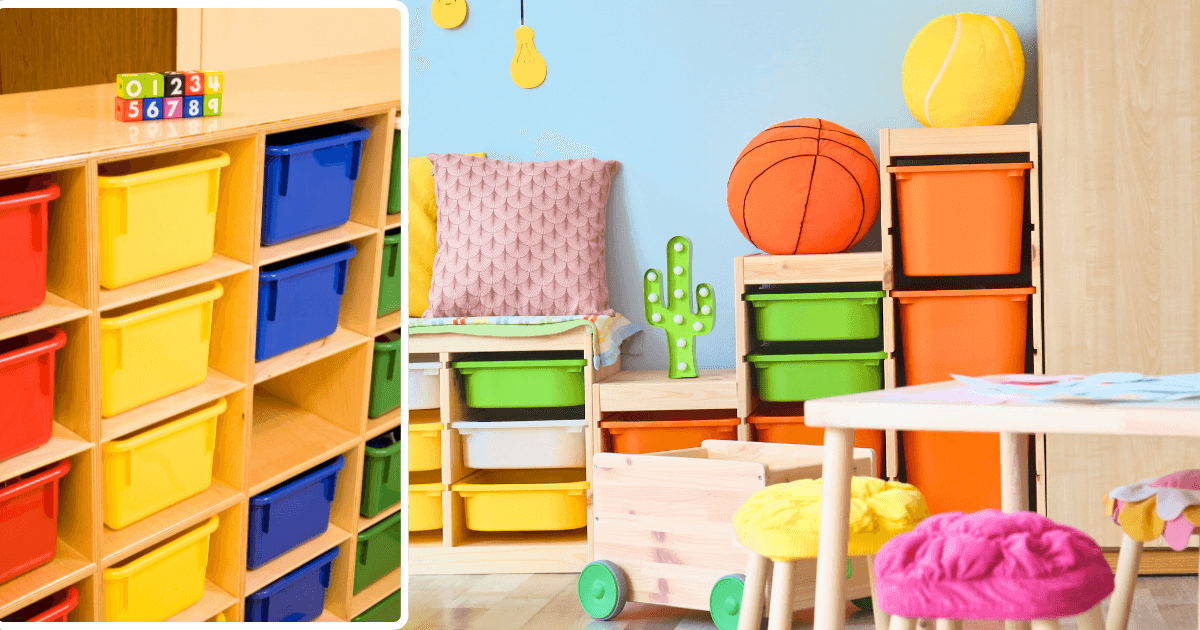
The modern classroom often feels like a masterclass in spatial Tetris. With diminishing square footage and expanding curriculum requirements, teachers are constantly challenged to store more materials in less space while keeping everything accessible and organized. If your classroom feels more cramped than conducive to learning, you’re not alone.
The good news? Limited space doesn’t have to mean limited teaching possibilities. With strategic organization and creative storage solutions, even the smallest classroom can become an efficiently managed learning environment where materials are accessible, organized, and contribute to—rather than detract from—the learning experience.
The Small-Space Classroom Challenge
Before diving into solutions, let’s acknowledge the specific challenges of managing materials in compact classrooms:
- Limited surface area for both storage and instruction
- Competing priorities for available space (learning centers, meeting areas, desk arrangements)
- Accessibility issues when materials are stacked or stored out of reach
- Visual clutter that can overwhelm students and teachers alike
- Transition difficulties when materials aren’t easily retrievable
As one teacher shared on a Facebook educator group, “Moving to a smaller classroom with students who have extensive support needs means I need to completely rethink my storage approach. Every inch matters!”
Maximizing Vertical Space: The Upward Solution
When floor space is at a premium, look up! Vertical storage solutions dramatically increase your storage capacity without sacrificing valuable floor space.
Wall-Mounted Storage Systems
Pegboard Organizers
- Install pegboard panels with hooks and accessories for frequently used items
- Color-code areas for different subjects or material types
- Add small baskets or containers that hook directly onto the pegboard
Implementation tip: According to Picture Hang Solutions, “Pegboards allow for customizable storage solutions, ideal for hanging tools and supplies to free up desk space.” Consider painting your pegboard to match your classroom color scheme for a more cohesive look.
French Cleat Systems
- Install horizontal wooden strips with angled cuts along walls
- Create matching cleats on the backs of shelves, containers, or display boards
- Rearrange components as needed throughout the year
Implementation tip: “French cleats can support up to 750 lbs, providingdurable wall-mounted storage options.” This makes them ideal for heavier teaching materials like textbooks or science equipment.
Hanging File Systems
- Mount magazine holders or file pockets horizontally on walls
- Label clearly for different subjects, groups, or projects
- Use for storing current unit materials, student portfolios, or works in progress
Implementation tip: Place these at student height for materials they need to access independently, and at adult height for teacher reference materials.
Door Space Utilization
Over-the-Door Organizers
- Repurpose shoe organizers for small supply storage
- Use clear pocket styles for visibility of contents
- Label pockets for specific materials or student groups
Implementation tip: Teach Starter suggests, “Hanging shoe organizers can be utilized for storing classroom headphones to prevent tangling,” but they work equally well for art supplies, math manipulatives, or individual student materials.
Door-Mounted Shelving
- Install narrow shelving units on the backs of closet doors
- Use for frequently accessed teacher materials
- Add containment rails to prevent items from falling when doors open
Implementation tip: Ensure door hinges can support the additional weight, and use command strips or non-damaging mounting methods if you can’t drill into doors.
Furniture That Multitasks: Dual-Purpose Solutions
In small spaces, every piece of furniture should earn its keep by serving multiple functions.
Under-Furniture Storage
Under-Table Storage Bins
- Place rolling bins or crates under tables when not in use
- Label with contents and assign to specific tables or groups
- Use for project materials or shared supplies
Implementation tip: Choose containers with smooth-rolling casters to prevent floor damage and make access easier for students.
Chair Pocket Organizers
- Attach fabric pockets to the backs of student chairs
- Store individual student materials like folders, books, or clipboards
- Color-code by table group or subject
Implementation tip: “Small metal buckets from dollar stores can be mounted to the legs of desks for additional storage,” notes Teach Starter. This approach keeps frequently used supplies accessible without cluttering desk surfaces.
Transformable Furniture
Nesting Tables
- Use tables that can be nested when not in use
- Pull out for small group instruction or centers
- Store in compact formation during whole-group activities
Implementation tip: Label the edges of each table with its designated purpose or group to facilitate quick transitions.
Foldable Workstations
- Install wall-mounted drop-leaf surfaces that fold down when needed
- Use for teacher work areas or small group instruction
- Store materials in wall pockets above the folded surface
Implementation tip: These work particularly well for technology stations or assessment areas that aren’t needed daily.
Mobile Solutions: Storage That Moves With You
Flexibility is key in small classrooms, and mobile storage allows you to reconfigure your space as needed.
Rolling Carts
Subject-Specific Carts
- Dedicate each cart to a specific subject or center
- Organize materials by unit or activity type
- Roll to different areas of the classroom as needed
Implementation tip: “Mobile carts can be dedicated to various classroom supplies such as arts and crafts or tech supplies,” suggests Teach Starter. Label each drawer or shelf clearly, and consider using picture labels for younger students.
Teacher Mobile Stations
- Create a rolling command center with frequently used teacher materials
- Include assessment tools, lesson materials, and emergency supplies
- Move between small groups or teaching stations
Implementation tip: A rolling cart with a flat top can double as a demonstration surface during lessons.
Portable Student Storage
Individual Supply Caddies
- Provide small caddies or bins for personal student supplies
- Store on shelves when not in use
- Carry to desks or work areas as needed
Implementation tip: “Small containers from dollar stores can create sets of crayons for individual student use,” notes Teach Starter, reducing the need for shared supply storage.
Group Work Bins
- Create portable bins with all materials needed for specific group activities
- Label with activity instructions and material lists
- Store on shelves and distribute only when needed
Implementation tip: Use photo labels showing the completed setup to help students independently gather and return materials.
Repurposed and Upcycled Storage: Budget-Friendly Approaches
Creative repurposing not only saves money but often results in storage solutions perfectly tailored to specific classroom needs.
Household Items Reimagined
Food Containers
- Clean and repurpose plastic food containers for small manipulatives
- Use coffee cans for taller items like rulers, pointers, or art tools
- Stack clear containers for visible storage of themed materials
Implementation tip: “Dishwasher pod boxes can be used for storing markers, pencils, or small manipulatives,” according to Teach Starter. Their compartmentalized design makes them perfect for sorting small items.
Hanging Shoe Bags
- Use clear pocket shoe organizers for categorized storage
- Hang on walls, doors, or the sides of bookcases
- Perfect for small, frequently used items that need to be visible
Implementation tip: Treehouse Schoolhouse suggests using “grab-and-go baskets for supplies to keep the space organized and minimize chaos.” The clear pockets of shoe organizers create perfect grab-and-go access.
Retail Packaging Reused
Cardboard Display Stands
- Ask local stores for sturdy cardboard displays
- Repaint or cover with contact paper
- Use for book displays, assignment collection, or material organization
Implementation tip: Reinforcing with duct tape before decorating will extend the life of cardboard organizers.
Shipping Boxes and Trays
- Collect uniform boxes from school deliveries
- Cover with contact paper or paint for durability and aesthetics
- Create modular storage that can be reconfigured as needed
Implementation tip: “A modular storage format using bins, trays, or crates is an efficient method for small classroom organization,” notes Picture Hang Solutions. Uniform boxes create a cohesive look while maximizing space.
Digital Alternatives: Reducing Physical Storage Needs
Sometimes the best storage solution is to reduce what needs to be stored in the first place.
Digital Resource Management
Cloud-Based Filing Systems
- Store lesson plans, worksheets, and resources digitally
- Organize with consistent naming conventions and folder structures
- Print only what’s needed for immediate use
Implementation tip: Create a simple digital filing system that mirrors your physical organization for easy cross-reference.
- Use apps or platforms for students to document their work
- Reduce the need for physical portfolio storage
- Create digital archives that can be shared with families
Implementation tip: Even young students can learn to document their work digitally with simple photography and uploading procedures.
Print-on-Demand Strategies
Just-in-Time Printing
- Print materials only as needed rather than storing physical copies
- Create master digital files organized by unit or subject
- Maintain a small emergency paper file for technology failures
Implementation tip: Develop a weekly printing routine to ensure materials are ready without creating unnecessary paper storage.
Reusable Worksheet Alternatives
- Laminate frequently used reference sheets or activity templates
- Use dry-erase markers for student responses
- Store the minimal number of reusable resources rather than multiple copies
Implementation tip: Create a simple cleaning station where students can wipe their materials before returning them to storage.
Organizational Systems: Making Storage Work Efficiently
Even the best storage solutions fail without consistent organizational systems to maintain them.
Visual Organization
Color-Coding Systems
- Assign colors to subjects, groups, or material types
- Use consistent colors across all storage containers and labels
- Create a color key posted for reference
Implementation tip: According to Really Good Stuff, “Classroom organization materials are available in various eye-catching colors, including yellow, blue, and red,” making color-coding systems easy to implement.
Clear Labeling Strategies
- Use both text and images on labels
- Position labels for visibility when containers are stored
- Create consistent label formats across all storage
Implementation tip: Print labels on full-sheet label paper and cover with clear tape for durability, or invest in a label maker for a professional look.
Rotation Systems
Seasonal Storage Rotation
- Store currently unused seasonal materials in less accessible areas
- Create an inventory of stored materials with locations
- Schedule regular rotation of materials based on curriculum calendar
Implementation tip: “Organize supplies based on frequency of use: daily, weekly, or as needed for projects,” suggests Treehouse Schoolhouse. This approach ensures your most accessible storage is dedicated to currently needed materials.
Project-Based Organization
- Store materials by project or unit rather than by type
- Keep all needed materials together for efficient lesson preparation
- Rotate project bins based on curriculum schedule
Implementation tip: “Each child can have a designated container for ongoing projects to avoid clutter during lessons,” notes Treehouse Schoolhouse. This approach works equally well for teacher project materials.
Implementation Strategy: A Phased Approach
Transforming your storage approach can feel overwhelming. Consider this phased implementation strategy:
Phase 1: Assess and Purge
Begin by evaluating what you actually need to keep:
- Remove outdated or unused materials
- Digitize resources when possible
- Identify items that could be shared with colleagues rather than individually stored
Phase 2: Categorize and Prioritize
Organize remaining materials by:
- Frequency of use (daily, weekly, monthly, rarely)
- Type of access needed (teacher only vs. student access)
- Related curriculum units or projects
Phase 3: Implement Core Solutions
Start with the highest-impact storage solutions:
- Address your most frequently used materials first
- Focus on creating systems for student-accessible materials
- Implement vertical storage to immediately free floor space
Phase 4: Refine and Expand
Once basic systems are in place:
- Add specialized storage for unique materials
- Develop rotation systems for seasonal items
- Create long-term storage solutions for archival materials
Success Story: Ms. Chen’s Classroom Transformation
When fifth-grade teacher Ms. Chen moved to a classroom half the size of her previous space, she initially felt overwhelmed. “I had to completely rethink my approach to materials management,” she recalls.
She began by ruthlessly purging outdated materials and digitizing what she could. Next, she implemented vertical storage solutions, installing pegboards and hanging file systems on every available wall space. For student materials, she created a mobile cart system where each subject had a dedicated cart that could be moved as needed.
“The game-changer was reimagining my furniture,” she explains. “I replaced my teacher desk with a rolling cart that could tuck under a table when not in use. I also installed foldable workstations that could be put away when we needed floor space for whole-group activities.”
The result? “Despite having a much smaller room, we actually function more efficiently now. Students know exactly where to find what they need, transitions are smoother, and I spend less time managing materials and more time teaching.”
Final Thoughts: The Organized Small-Space Mindset
Managing materials in small spaces isn’t just about clever storage containers—it’s about developing an organizational mindset that prioritizes intentionality and efficiency. Every item in your classroom should earn its place by contributing meaningfully to student learning.
Remember that organization is an ongoing process, not a one-time event. Schedule regular maintenance time to keep your systems functioning effectively, and be willing to adapt your approach as classroom needs change throughout the year.
The ultimate goal isn’t a picture-perfect classroom that could be featured in a teacher magazine. Rather, it’s creating a functional, efficient space where materials support learning instead of hindering it—where both you and your students can focus on education rather than hunting for that missing marker or worksheet.
What creative storage solutions have you implemented in your small classroom space? Share your ideas in the comments below!