
Sensory Processing: Understanding Your Child’s Unique Sensory Profile
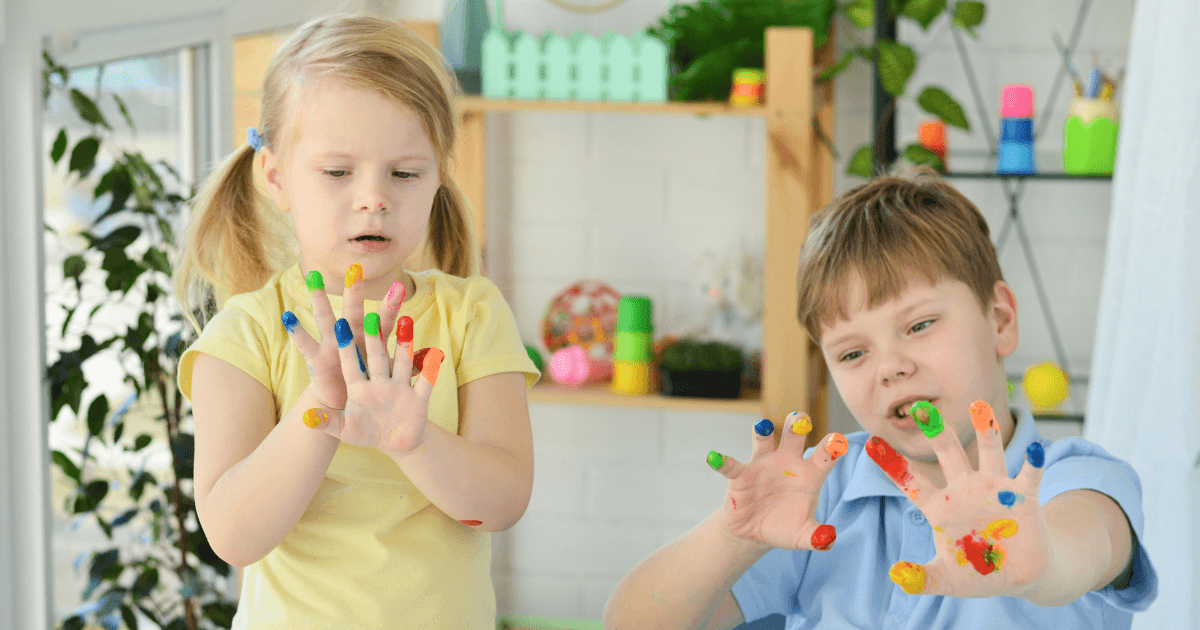
Have you ever wondered why your child seeks out spinning until dizzy while another avoids playground swings entirely? Or why certain clothing tags are “unbearably itchy” to one child but completely unnoticed by another? The answer lies in sensory processing—the way our brains receive, organize, and respond to sensory information from our bodies and the environment.
Every child has a unique sensory profile that influences how they experience and interact with the world. Understanding your child’s sensory preferences and needs can transform your parenting approach and help you support your child’s development in powerful ways.
Beyond the Five Senses: Our Complete Sensory System
While most of us learned about five senses in school, neuroscience now recognizes eight distinct sensory systems:
- Visual (sight): Processing what we see
- Auditory (hearing): Processing sounds and speech
- Tactile (touch): Processing touch sensations on our skin
- Gustatory (taste): Processing flavors and food textures
- Olfactory (smell): Processing scents and odors
- Vestibular: Processing movement, balance, and spatial orientation
- Proprioception: Processing body position and muscle/joint feedback
- Interoception: Processing internal body sensations (hunger, thirst, need for bathroom)
According to Sensory Health, these systems work together to help us navigate daily life, but each person processes sensory information differently.
Understanding Sensory Processing Patterns
Research from Wondirful Play indicates that approximately 1 in 20 children in the United States experience sensory processing issues that impact daily functioning. However, all children have sensory preferences and tendencies, even those without diagnosed sensory processing disorders.
Children generally fall into one or more of these sensory processing patterns:
1. Sensory Seeking
What it looks like:
- Craves intense sensory experiences
- Constantly moving, jumping, or spinning
- Enjoys loud noises or makes loud sounds
- Touches everything (and everyone!)
- Chews on non-food items
- Seeks out deep pressure (tight hugs, heavy blankets)
What’s happening: Children with sensory seeking patterns have high sensory thresholds, meaning they need more intense or frequent stimulation to register sensory input. According to Handspring Health, these children are actively trying to meet their sensory needs through their behavior.
Example: Five-year-old Jackson can’t seem to sit still during story time. He bounces in his seat, chews on his shirt collar, and frequently bumps into classmates. He’s not being deliberately disruptive—his body is seeking the sensory input it needs to feel regulated.
2. Sensory Over-Responsive
What it looks like:
- Easily overwhelmed by sensory input
- Covers ears at normal sounds
- Picky about clothing textures or food
- Avoids messy play or certain textures
- Gets dizzy or nauseated easily with movement
- May be labeled as “sensitive” or “picky”
What’s happening: These children have low sensory thresholds and experience sensory input more intensely than others. Their nervous systems register sensations that others might not even notice.
Example: Four-year-old Sophia refuses to wear jeans or clothes with tags, covers her ears during the birthday song, and avoids playground equipment that moves. Her sensory system is processing everyday sensations as overwhelming or even threatening.
3. Sensory Under-Responsive
What it looks like:
- Seems unaware of sensory input others notice
- May not respond to their name being called
- High pain tolerance
- May not notice when face or hands are messy
- Might use too much force when playing
- Appears “zoned out” or passive
What’s happening: These children have high sensory thresholds but, unlike sensory seekers, they don’t actively seek more input. They may miss sensory information that helps with body awareness and environmental cues.
Example: Six-year-old Ethan doesn’t seem to notice when his hands are sticky or his face is dirty. He frequently bumps into furniture and often breaks toys by pressing too hard. His sensory system isn’t efficiently registering these inputs.
4. Sensory Craving
What it looks like:
- Intensely focused on certain sensory experiences
- May fixate on specific textures, sounds, or visual inputs
- Difficulty transitioning away from preferred sensory activities
- Becomes dysregulated when sensory needs aren’t met
What’s happening: These children have an intense drive for specific types of sensory input that help them feel regulated and organized.
Example: Three-year-old Maya could spend hours watching spinning objects and becomes upset when asked to stop. This specific visual input has a regulating effect on her nervous system.
Mixed Sensory Profiles: The Reality for Most Children
According to research published in Nature, most children don’t fit neatly into just one sensory pattern. A child might be over-responsive to sound, under-responsive to body position, and sensory-seeking with movement. This is why understanding your child’s complete sensory profile is so valuable.
Signs Your Child Might Need Support with Sensory Processing
While sensory differences exist on a spectrum, certain signs might indicate your child would benefit from professional support:
- Extreme reactions to sensory input that interfere with daily life
- Difficulty participating in typical childhood activities due to sensory aversions
- Sensory-seeking behaviors that put them at risk for injury
- Significant avoidance of certain sensory experiences
- Distress during transitions or in new sensory environments
- Challenges with emotional regulation related to sensory experiences
If you notice these patterns, consider consulting with an occupational therapist who specializes in sensory processing. As noted by ADDitude Magazine, occupational therapists are best suited to identify sensory processing challenges and develop appropriate support strategies.
Creating a Sensory Profile for Your Child
Understanding your child’s unique sensory needs starts with careful observation. Consider these questions for each sensory system:
Visual
- Does bright light bother your child?
- Do they seek out visual stimulation like screens or spinning objects?
- Are they distracted by visual clutter?
Auditory
- Do certain sounds cause distress?
- Do they seem not to hear when called?
- Do they make their own loud noises?
Tactile
- Do they avoid or seek certain textures?
- Are they bothered by clothing seams or tags?
- Do they enjoy or avoid messy play?
Gustatory/Olfactory
- Are they sensitive to food textures or smells?
- Do they smell objects frequently?
- Is their diet limited by sensory preferences?
Vestibular
- Do they seek or avoid movement?
- Do they get carsick easily?
- Do they enjoy spinning or swinging?
Proprioceptive
- Do they seek deep pressure?
- Do they bump into things frequently?
- Do they seem to use too much or too little force?
Interoception
- Do they recognize when they’re hungry or need the bathroom?
- Do they have difficulty identifying emotions in their body?
- Do they seem unaware of temperature changes?
Supporting Your Child’s Sensory Needs
Once you understand your child’s sensory profile, you can implement strategies to help them thrive:
For Sensory Seekers:
- Provide regular movement breaks
- Offer “heavy work” activities (carrying groceries, pushing a loaded cart)
- Create a designated space for jumping, spinning, or crashing
- Provide appropriate chewable items if they seek oral input
- Use fidget toys for focused activities
For Over-Responsive Children:
- Create a calm, predictable environment
- Give warnings before transitions or loud events
- Offer noise-canceling headphones in overwhelming environments
- Respect clothing preferences and remove tags when possible
- Provide a quiet space to retreat when overwhelmed
For Under-Responsive Children:
- Use firm touch rather than light touch
- Incorporate movement before focused activities
- Provide extra visual and verbal cues
- Create routines that include sensory check-ins
- Use vibrant colors and contrasts for visual attention
For Sensory Cravers:
- Schedule regular access to preferred sensory activities
- Create a sensory diet with an occupational therapist
- Use visual timers to help with transitions
- Provide acceptable alternatives to intense fixations
- Teach self-regulation strategies
Communicating About Your Child’s Sensory Needs
Helping others understand your child’s sensory profile is crucial for consistent support. Consider these approaches:
- For teachers: Create a simple one-page sensory profile with specific strategies that help in the classroom
- For family members: Explain that sensory preferences are neurological, not behavioral choices
- For caregivers: Provide specific examples of what works and what doesn’t
- For your child: Use age-appropriate language to help them understand their own sensory needs
Sensory Processing Across Development
Sensory profiles can evolve as children grow. According to developmental experts, here’s what to expect:
- Toddlers (1-3 years): Sensory exploration is intense as they discover their world; many sensory preferences emerge
- Preschoolers (3-5 years): Can begin to communicate about sensory experiences; sensory patterns become more established
- Early Elementary (5-8 years): May develop coping strategies for challenging sensory experiences; social implications of sensory differences become more apparent
- Later Elementary (8-12 years): Can learn self-advocacy for sensory needs; may become more aware of differences from peers
When Sensory Processing Affects Learning
Sensory processing significantly impacts how children learn. Consider these connections:
- Reading: Visual processing affects tracking words on a page
- Writing: Tactile and proprioceptive processing influence pencil grip and pressure
- Attention: Filtering relevant sensory information affects focus
- Social skills: Interpreting social cues requires integrated sensory processing
- Emotional regulation: Sensory overload can trigger emotional responses
If your child struggles in these areas, discussing sensory processing with their educational team may open doors to helpful accommodations.
Embracing Your Child’s Unique Sensory Profile
Remember that sensory preferences exist on a spectrum, with wonderful diversity in how we all experience the world. Your child’s sensory profile isn’t something to “fix”—it’s part of what makes them uniquely themselves.
By understanding and supporting your child’s sensory needs, you’re not only helping them navigate daily challenges more successfully but also teaching them self-awareness and self-advocacy skills that will serve them throughout life.
Has understanding your child’s sensory preferences changed your approach to parenting? Share your experiences in the comments below!