Preschool Teacher Secrets: What Educators Want Parents to Know

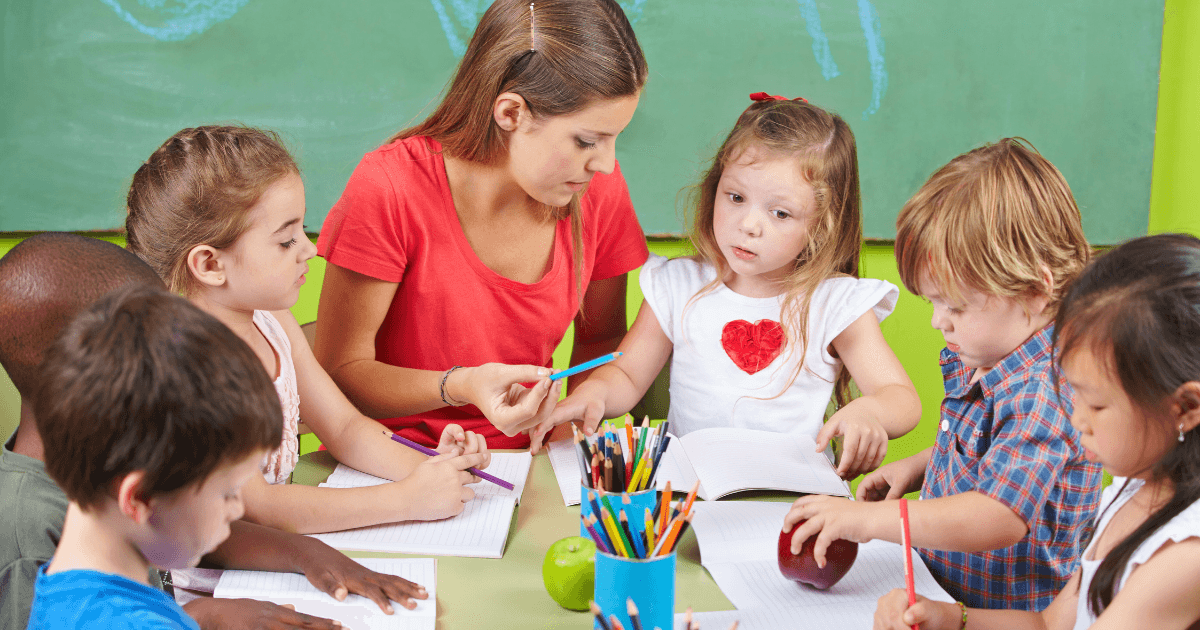
Behind every finger painting masterpiece and block tower construction in preschool classrooms across the country, dedicated early childhood educators are working tirelessly to create meaningful learning experiences for young children. While the relationship between parents and teachers is generally positive, there’s often a communication gap that, if bridged, could make the preschool experience even better for everyone involved—especially the children.
We spoke with dozens of experienced preschool teachers to uncover the insights they most wish they could share with parents. Their candid responses reveal both practical advice and deeper perspectives that can transform the parent-teacher partnership and enhance your child’s early education journey.
“We’re Educators, Not Babysitters”
One of the most consistent messages from preschool teachers is their desire to be recognized as professional educators.
“Many parents see us primarily as childcare providers,” says Maria, who has taught preschool for 15 years. “While we certainly care for children, we’re also implementing carefully designed curricula and creating learning experiences that build crucial foundations for future academic success.”
According to a 2025 report from Jacksonville Mom, preschool teachers typically earn about half the salary of elementary school teachers, despite their critical role in early development. Yet they’re responsible for teaching fundamental skills across all developmental domains—cognitive, physical, social, and emotional.
What teachers wish you knew:
- Preschool teachers often have specialized education and training in child development and early education
- Each day includes intentionally planned activities targeting specific learning objectives
- Teachers observe and document your child’s development across multiple domains
- Many preschool teachers continue their professional development through courses, workshops, and conferences
How this knowledge helps your child:
When you recognize and respect your child’s teacher as an education professional, you’re more likely to value their input, follow through on their suggestions, and create a consistent approach between home and school—all of which benefit your child’s development.
“Independence Matters More Than ABCs”
While many parents are understandably focused on academic readiness, teachers consistently emphasize that self-help skills and independence are far more important for preschool success.
“I can teach a child their letters and numbers,” explains Devon, a pre-K teacher in Minnesota. “But I can’t effectively teach 18children simultaneously if they all need help zipping coats, opening lunch containers, and using the bathroom. Independence skills make everything else possible.”
According to the Spokesman-Recorder, teachers value self-help skills like putting on a coat and opening a lunchbox over academic skills when children start school.
What teachers wish you knew:
- Children feel a genuine sense of pride and confidence when they master self-help skills
- Classroom time spent on basic care tasks takes away from learning experiences
- Teachers must divide their attention among many children, making independence crucial
- Struggling with independence can affect a child’s social standing among peers
Skills to practice at home:
- Bathroom independence (wiping, washing hands, managing clothing)
- Dressing skills (putting on/taking off coats, managing shoes, zippers, buttons)
- Mealtime independence (opening containers, using utensils, cleaning up spills)
- Basic organization (putting away materials, keeping track of belongings)
- Asking for help when truly needed (after attempting independently)
“When parents tell me they don’t have time to let their child practice these skills, I gently remind them that I have 16 children and limited time,” says Keisha, a preschool teacher in Georgia. “The few extra minutes at home make a world of difference in the classroom.”
“The Most Important Learning Happens Through Play”
While worksheets and academic drills might seem like “real learning” to some parents, preschool teachers unanimously emphasize that play is the most effective vehicle for early childhood education.
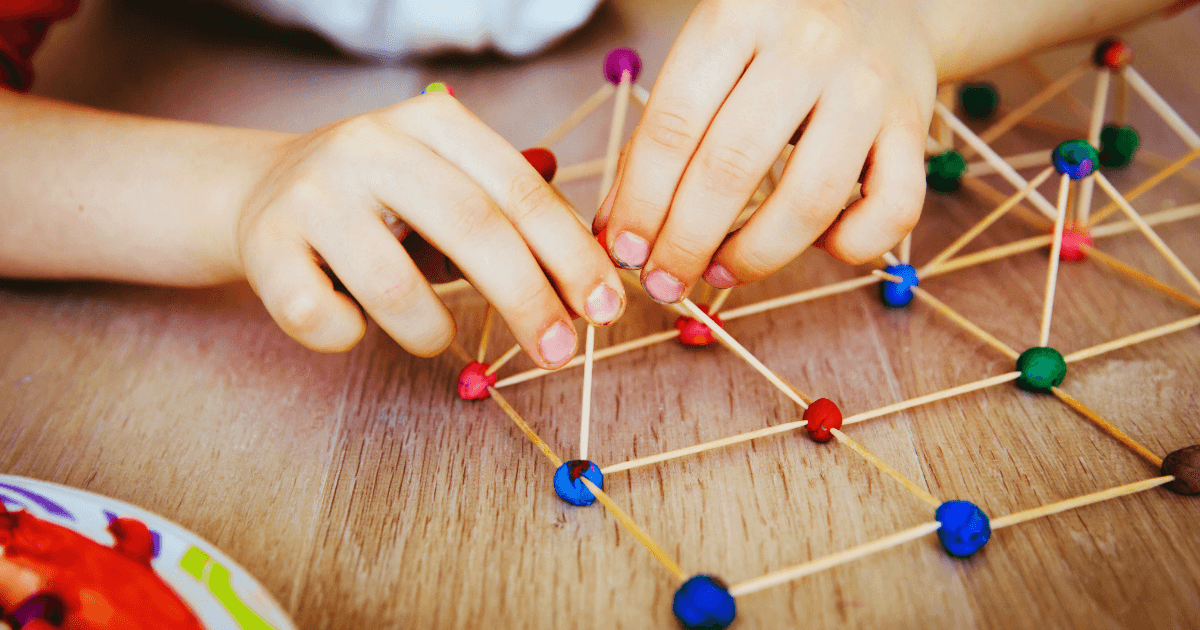
“I sometimes have parents who want more ‘academic’ activities and fewer ‘just playing’ times,” shares Lin, who teaches3-year-olds in California. “What they don’t realize is that when children are building with blocks, they’re learning physics, engineering, spatial reasoning, problem-solving, and often language and social skills as they work together.”
Research consistently supports this approach. According to the Healthy Family Project, play fosters problem-solving skills, fine motor coordination, language development, and emotional awareness—all crucial foundations for later academic success.
What teachers wish you knew:
- Complex play scenarios build executive function skills that predict academic success
- Dramatic play develops narrative thinking, vocabulary, and social understanding
- Construction play builds mathematical and spatial reasoning
- Art exploration develops fine motor skills needed for writing
- Sensory play creates neural connections that support learning across domains
How to support play-based learning at home:
- Provide open-ended materials (blocks, art supplies, dress-up clothes)
- Allow unstructured time for self-directed play
- Ask questions that extend thinking rather than directing play
- Recognize and value the learning in everyday play activities
- Limit structured activities and screen time that displace free play
“When a parent tells me proudly that their 4-year-old can recite the alphabet or count to 100, I’m happy for them,” says Marcus, a veteran preschool teacher. “But I’m much more impressed when I hear that a child spent an hour creating an intricate pretend scenario or solved a problem during play. Those skills predict long-term success much more reliably than memorization.”
“We See a Different Child Than You Do”
Parents are often surprised—sometimes concerned—when teachers describe behaviors or challenges that don’t match what they see at home. Teachers wish parents understood that this difference is completely normal.
“Children behave differently in different environments,” explains Sophia, who has taught preschool for over a decade. “Just as adults might act one way at work and another way at home, children adapt their behavior to different settings and expectations.”
What teachers wish you knew:
- Group dynamics bring out different behaviors than one-on-one interaction
- Children often test boundaries more with parents than with teachers
- Some children need time to warm up at school, while others “let loose” after holding it together all day
- Developmental challenges often become more apparent in group settings with same-age peers
How this knowledge helps your child:
When parents and teachers share observations without judgment, they create a more complete picture of the child. This collaboration allows for better support across environments and earlier identification of potential concerns.
“Instead of saying ‘my child never does that at home’ in a defensive way, I wish parents would get curious with me,” says Jamila, a preschool teacher in Texas. “Together we can figure out why the behavior is happening in one setting but not another, and what that tells us about how to support the child.”
“Your Morning Routine Affects the Entire Day”
Teachers notice clear patterns in how a child’s morning at home impacts their school day, but many parents are unaware of this powerful connection.
“I can often tell which children had a rushed, chaotic morning and which had a calm, predictable routine,” says Carlos, who teaches 4-year-olds. “It affects everything from their emotional regulation to their ability to focus during activities.”
What teachers wish you knew:
- Children who arrive hungry struggle with attention and emotional regulation
- Consistent morning routines help children transition to school more easily
- Screen time before school often makes transition and focus more difficult
- Children pick up on parent stress and bring those emotions into the classroom
- A positive, calm drop-off sets the tone for the day
Creating a school-day morning routine:
- Wake up with enough time to avoid rushing
- Provide a nutritious breakfast with protein
- Create a visual schedule of morning tasks for your child to follow
- Prepare clothes, backpacks, and lunches the night before
- Include a special goodbye ritual that’s brief but loving
- Save screen time for after school rather than before
“When parents prioritize an extra 15-30 minutes in the morning for a calm routine, we see the benefits all day long,” notes Aisha, a preschool director. “It’s one of the most impactful changes a family can make.”
“Communication Goes Both Ways”
Effective parent-teacher communication is consistently cited as crucial for children’s success, yet teachers often feel that parents miss important information or don’t share relevant details from home.
“We send home newsletters, post updates, and reach out personally,” says Taylor, who teaches in a preschool program in Washington. “But sometimes it feels like we’re sending messages into a void. We need parents to be equally communicative with us.”
What teachers wish you knew:
- Changes at home (even minor ones) can significantly affect behavior at school
- Teachers need to know about disrupted sleep, family visits, parent travel, etc.
- Reading and responding to school communications helps maintain consistency
- Quick check-ins at drop-off about how the morning/night went are invaluable
- Teachers want to know what works at home so they can be consistent at school
Communication tips:
- Create a system for checking school communications regularly
- Share significant events or changes proactively, not just when problems arise
- Ask specific questions rather than general “How was their day?”
- Inform teachers about successful strategies you use at home
- Approach concerns with a collaborative rather than confrontational mindset
According to Medium, the relationship between parents and teachers significantly influences a child’s success in school. Open, two-way communication builds the foundation for this relationship.
“We’re Exhausted Too”
Teaching preschool is physically, emotionally, and mentally demanding work. Teachers wish parents understood the intensity of their daily experience.
“By the time parents arrive for pickup, I’ve managed hundreds of conflicts, wiped countless noses, changed dozens of activities, differentiated for various needs, and been’on’ all day with little to no breaks,” explains Jordan, who teaches in a community-based preschool. “Sometimes parents seem frustrated if I don’t have a detailed report of every moment of their child’s day, but I’m responsible for 15 children, not just one.”
According to a 2025 report from Illumine, preschool teachers face significant challenges including managing diverse developmental needs, documentation requirements, and communication with families, all while being significantly underpaid for their expertise and effort.
What teachers wish you knew:
- Teachers often work before and after school hours planning and preparing
- Most preschool teachers earn very modest salaries despite their education and responsibilities
- Many use their own money for classroom supplies and materials
- The emotional labor of supporting young children all day is intense
- Teachers are juggling the needs of many children simultaneously
How this knowledge helps your child:
When parents recognize and appreciate teachers’ efforts, it creates a more positive relationship that ultimately benefits children. Simple acknowledgments, reasonable expectations about communication, and occasional gestures of appreciation make a significant difference.
“A parent once told me, ‘I have two children and I’m exhausted at the end of the day. I can’t imagine how you manage a whole classroom,'” recalls Denise, a preschool teacher in Ohio. “That simple recognition meant so much to me.”
“We Notice Everything You Send (and Don’t Send)”
The practical aspects of preschool life—appropriate clothing, necessary supplies, and functional gear—may seem minor, but they significantly impact a child’s daily experience.
According to a recent Reddit thread among early childhood professionals, teachers consistently mention practical issues like appropriate clothing and supplies as major concerns that affect classroom functioning.
What teachers wish you knew:
- Weather-appropriate clothing is essential for outdoor play, which is crucial for development
- Extra clothes that fit current size and season are necessary for inevitable accidents
- Shoes that children can manage independently support their confidence and save teacher time
- Labeled belongings help maintain organization and prevent loss
- Easy-to-open lunch containers allow children to practice independence
Practical tips:
- Check weather forecasts and send appropriate outdoor gear
- Update extra clothing seasonally and as your child grows
- Choose Velcro shoes until your child masters tying laces
- Select clothing that supports bathroom independence (elastic waistbands, etc.)
- Practice opening/closing lunch containers at home before sending them to school
“When a child doesn’t have appropriate outdoor clothing, sometimes they have to stay inside while others play, or a teacher has to stay in with them,” explains Whitney, a preschool teacher in a cold-weather state. “Either way, it impacts not just your child but others as well.”
“We’re On Your Child’s Side—And Yours”
Perhaps the most important message teachers wish to convey is that they are allies, not adversaries, in supporting children’s development.
“When we bring up concerns, it’s because we care deeply about your child’s success,” says Elena, who has taught preschool for 25 years. “We’re not judging your parenting—we’re trying to collaborate with you to give your child the best possible foundation.”
According to Teaching 2 and 3 Year Olds, building positive relationships with parents is a key priority for effective preschool teachers.
What teachers wish you knew:
- Teachers become deeply attached to their students and are invested in their success
- Sharing concerns early allows for more effective intervention when needed
- Teachers see your child in a context you don’t, providing valuable additional perspective
- Most teachers go above and beyond their job descriptions out of dedication to children
- Teachers and parents working as a team creates the best outcomes for children
Building a strong parent-teacher partnership:
- Approach conversations with an assumption of shared goals
- Listen openly to teacher observations and insights
- Share your own observations and questions
- Follow through on agreed-upon strategies at home
- Express appreciation for the teacher’s efforts and care
“The strongest partnerships happen when parents and teachers recognize that we each have valuable perspectives and expertise,” notes Miguel, a pre-K teacher. “Parents know their child best historically, but teachers often have broader knowledge of child development and see the child in a different context. Both viewpoints matter.”
Conclusion: The Power of Partnership
When parents and teachers work together with mutual respect and open communication, children thrive. The “secrets” shared by preschool teachers aren’t about hiding information—they’re about creating deeper understanding between the important adults in a child’s life.
By recognizing teachers as educational professionals, supporting independence skills, valuing play-based learning, sharing relevant information, and addressing practical needs, parents can help create a seamless support system between home and school.
“The children who flourish most are those whose parents and teachers are truly on the same team,” says Gabriela, a preschool director with over 20 years of experience. “When we align our approaches and communicate openly, we create a foundation that benefits children not just in preschool, but throughout their educational journey.”
What questions do you have for preschool teachers? Share in the comments below!