Outdoor Learning Stations That Bring Curriculum Outside
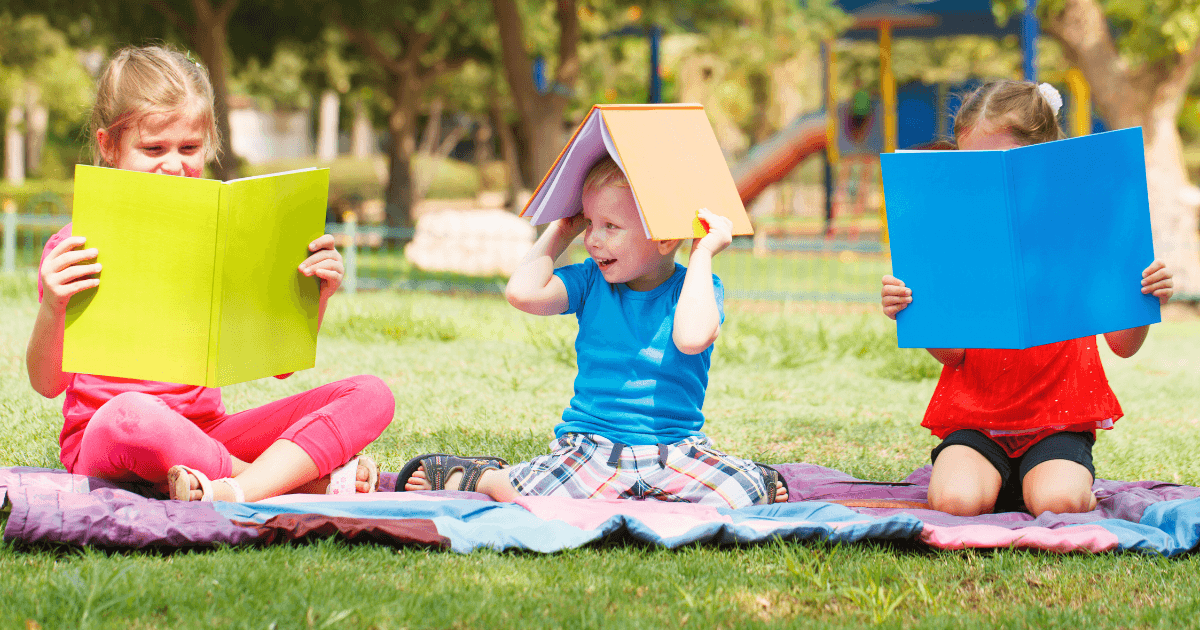
The classroom walls can sometimes feel like barriers to authentic learning. When we move education outdoors, something magical happens—engagement increases, stress decreases, and learning takes on new dimensions. According to research cited by Brightwheel, 88% of teachers report that children are more engaged when learning outdoors, and the benefits extend across physical, social-emotional, and cognitive development.
Creating intentional outdoor learning stations allows you to harness these benefits while still addressing curriculum standards and learning objectives. This comprehensive guide will help you transform your outdoor space—whether it’s a dedicated school yard, local park, or even a small patio—into rich learning environments that support academic growth and whole-child development.
The Benefits of Outdoor Learning
Before diving into specific stations, let’s understand why outdoor learning is so powerful:
Cognitive Benefits
- Improved attention and focus: Natural environments reduce attention fatigue
- Enhanced observation skills: Outdoor settings offer complex, multi-sensory stimuli
- Better retention: Experiential learning in novel settings improves memory
- Increased creativity: Natural materials inspire open-ended thinking
Physical Benefits
- Increased physical activity: Learning stations can incorporate movement
- Vitamin D production: Sunlight exposure supports bone development and immune function
- Improved eyesight: Outdoor time reduces the risk of myopia (nearsightedness)
- Developed motor skills: Varied terrain and natural materials build coordination
Social-Emotional Benefits
- Reduced stress and anxiety: Nature has calming effects on the nervous system
- Improved self-regulation: Outdoor spaces allow for appropriate noise levels and movement
- Enhanced cooperation: Many outdoor activities naturally encourage collaboration
- Increased confidence: Outdoor challenges build resilience and self-efficacy
Environmental Benefits
- Ecological awareness: Direct contact with nature builds environmental consciousness
- Conservation mindset: Children protect what they love and understand
- Seasonal awareness: Outdoor learning connects children to natural cycles
- Local knowledge: Children develop connection to their specific bioregion
Setting Up Your Outdoor Learning Environment
Creating effective outdoor learning stations requires thoughtful planning:
Location Considerations
- Proximity to indoor spaces: Consider access to restrooms and shelter
- Natural features: Utilize existing trees, gardens, or landforms
- Shade availability: Ensure some stations have protection from direct sun
- Surface types: Include a mix of surfaces (grass, pavement, mulch) for different activities
Organization Strategies
- Clear boundaries: Define station areas with natural materials, chalk, or portable dividers
- Visual cues: Use consistent signage with pictures and words
- Storage solutions: Weather-resistant containers for materials
- Rotation schedule: Plan for regular changes to maintain interest
Materials Management
- Outdoor-friendly supplies: Choose durable items that can withstand weather
- Transportation systems: Crates, wagons, or backpacks for moving materials
- Inventory checklists: Track materials to prevent loss
- Student helpers: Assign roles for setup and cleanup
Now, let’s explore specific learning stations organized by curriculum area!
Literacy Learning Stations
1. Outdoor Reading Nook
Materials:
- Weather-resistant cushions or stumps for seating
- Plastic crates or weatherproof boxes for books
- Outdoor book display (can be made from rain gutters attached to fence)
- Clipboards and pencils for response activities
- Laminated reading response cards
Setup: Create a comfortable, shaded area where children can read independently or in small groups. Rotate books based on current themes or seasonal topics.
Learning Connections:
- Independent reading practice
- Reading comprehension through nature connections
- Vocabulary development through environmental print
Extension Ideas:
- Add themed scavenger hunts based on current books
- Create a “story walk” with pages posted along a path
- Include audio books with weather-resistant players
2. Nature Writing Station
Materials:
- Clipboards with paper
- Pencils, colored pencils in waterproof containers
- Laminated word cards related to outdoor observations
- Magnifying glasses
- Small collection boxes for gathering writing inspiration
Setup: Position this station near interesting natural features—a garden, tree, or area with visible wildlife. Include prompts for different types of writing: descriptive, narrative, poetry, etc.
Learning Connections:
- Descriptive vocabulary development
- Observation skills
- Connection between experience and written expression
Extension Ideas:
- Create class books of outdoor observations
- Develop a nature journal routine with regular entries
- Add field guides for identifying and naming observations
3. Alphabet Adventure
Materials:
- Large alphabet cards (laminated)
- Natural materials for letter formation (sticks, stones, leaves)
- Letter hunt checklists
- Alphabet-themed movement cards
- Buckets or bags for collecting items
Setup: Create a space where children can form letters with natural materials, hunt for objects that start with different letters, or play movement games based on letter sounds.
Learning Connections:
- Letter recognition and formation
- Phonemic awareness
- Vocabulary development
Extension Ideas:
- Create a nature alphabet book with photos of found items
- Add writing materials for practicing sight words with natural materials
- Include letter-sound matching activities with found objects
Mathematics Learning Stations
4. Outdoor Measurement Center
Materials:
- Non-standard measurement tools (sticks, rope, hands)
- Standard measurement tools (rulers, tape measures, yard sticks)
- Recording sheets on clipboards
- Natural items to measure
- Challenge cards with measurement questions
Setup: Designate an area with various items to measure and compare. Include a flat surface for recording findings and displaying challenge cards.
Learning Connections:
- Standard and non-standard measurement
- Comparison vocabulary (longer, shorter, heavier, lighter)
- Data collection and recording
Extension Ideas:
- Create measurement scavenger hunts
- Add scales for weight measurement
- Include capacity exploration with containers and water
5. Nature Patterns and Sorting
Materials:
- Collection baskets or sorting trays
- Attribute cards (color, size, shape, texture)
- Pattern prompt cards
- Natural materials (leaves, pinecones, rocks, sticks)
- String or yarn for creating patterns
Setup: Provide space for collecting, sorting, and arranging natural materials. Include visual prompts for different sorting criteria and pattern sequences.
Learning Connections:
- Classification and sorting
- Pattern recognition and creation
- Logical thinking and reasoning
Extension Ideas:
- Create nature mandalas using concentric circle patterns
- Add graphing activities based on collected items
- Include symmetry explorations with natural materials
6. Counting Garden
Materials:
- Number cards (laminated)
- Counting containers
- Natural loose parts for counting
- Number formation guides
- Simple addition/subtraction prompt cards
Setup: Create a designated area for quantity exploration. This could include painted number rocks, stepping stones with numbers, or a number line made from stumps.
Learning Connections:
- One-to-one correspondence
- Number recognition and formation
- Basic operations with concrete objects
Extension Ideas:
- Plant a real garden with numbered rows or sections
- Create a number scavenger hunt
- Add estimation activities with natural materials
Science Learning Stations
7. Weather Observation Station
Materials:
- Simple weather tools (rain gauge, windsock, thermometer)
- Weather recording charts
- Cloud identification guides
- Sensory materials for weather exploration (pinwheels, bubbles)
- Weather prediction cards
Setup: Position this station in an open area with good visibility of the sky. Include a protected space for recording observations and using reference materials.
Learning Connections:
- Weather patterns and seasonal changes
- Scientific observation and data collection
- Cause and effect relationships
Extension Ideas:
- Create a class weather journal with daily observations
- Add a sun dial for time measurement
- Include materials for weather-related experiments
8. Nature Investigation Lab
Materials:
- Magnifying glasses and bug viewers
- Field guides (plants, insects, birds)
- Collection containers
- Observation journals and colored pencils
- Question prompt cards
Setup: Create a designated area for close examination of natural items. Include a “discovery table” where items can be displayed and investigated.
Learning Connections:
- Scientific observation skills
- Classification and identification
- Life cycles and habitats
Extension Ideas:
- Add microscopes for closer examination
- Create a nature museum with labeled specimens
- Include materials for simple experiments with found items
9. Garden-to-Table Station
Materials:
- Gardening tools sized for children
- Seed packets and plant markers
- Watering cans
- Growth charts and plant journals
- Recipe cards for garden harvests
Setup: Designate a space for growing plants, from seed starting to harvesting. Include an area for food preparation when appropriate.
Learning Connections:
- Plant life cycles
- Nutrition and food origins
- Responsibility and care for living things
Extension Ideas:
- Create a compost system to explore decomposition
- Add cooking tools for garden-to-table activities
- Include pollinator habitats to observe plant-animal relationships
Art and Creative Expression Stations
10. Nature Art Studio
Materials:
- Natural materials for creating (sticks, leaves, flowers)
- Clay or playdough for impressions
- Paper, clipboards, and drawing materials
- Frames made from sticks
- Examples of environmental artists’ work (Andy Goldsworthy, etc.)
Setup: Create a designated space with both gathering and creating areas. Include a display space for finished works and inspiration.
Learning Connections:
- Artistic expression using natural materials
- Texture, color, and form exploration
- Ephemeral vs. permanent art concepts
Extension Ideas:
- Create a nature art gallery with photos of creations
- Add weaving materials (branches, yarn) for textile exploration
- Include natural dyes and painting tools
11. Outdoor Music and Movement
Materials:
- Weather-resistant musical instruments (drums, chimes, shakers)
- Natural items for sound exploration
- Movement prompt cards
- Ribbon sticks or scarves for movement
- Recording device for capturing sounds
Setup: Designate a space away from quiet activities where sound exploration is encouraged. Include both fixed and portable sound-making materials.
Learning Connections:
- Sound properties and production
- Rhythm and pattern in music
- Body awareness and spatial relationships
Extension Ideas:
- Create a sound map of the outdoor environment
- Add materials for creating instruments from natural items
- Include dance pattern cards for creative movement
12. Dramatic Play Outdoors
Materials:
- Open-ended props (fabric pieces, ropes, crates)
- Theme-based materials (camping, gardening, exploration)
- Natural materials for storytelling
- Simple costumes or costume pieces
- Story prompt cards
Setup: Create a flexible space that can be transformed based on children’s interests and current curriculum themes. Include storage for props and materials.
Learning Connections:
- Narrative development
- Role-playing and perspective-taking
- Vocabulary development through themed play
Extension Ideas:
- Add loose parts for creating environments
- Include puppets for storytelling
- Create story stones with painted images for narrative prompts
Social Studies Learning Stations
13. Community Builders
Materials:
- Natural building materials (sticks, stones, logs)
- Simple tools (mallets, rope, measuring tools)
- Blueprint paper and pencils
- Examples of different types of homes/structures
- Collaborative challenge cards
Setup: Designate a space with flat ground and various building materials. Include both individual and group building challenges.
Learning Connections:
- Cooperation and teamwork
- Spatial awareness and design
- Cultural awareness through diverse architecture
Extension Ideas:
- Create maps of built environments
- Add materials for exploring different cultural building styles
- Include simple machines to assist with building
14. Mapping Station
Materials:
- Large outdoor surface for creating maps (pavement, tarp)
- Natural materials for map creation
- Directional tools (compasses, sundials)
- Premade maps of the school grounds
- Treasure hunt materials
Setup: Create a space where children can explore mapping concepts, from creating simple maps to following directions.
Learning Connections:
- Spatial awareness and directionality
- Symbol use and representation
- Geography concepts
Extension Ideas:
- Create geocaching activities with hidden containers
- Add orienteering challenges with simple compasses
- Include materials for measuring distances
15. Cultural Connection Garden
Materials:
- Plants from different cultures and regions
- Story cards about plant origins
- Recipe cards featuring garden plants
- Cultural artifacts related to gardening
- World map showing plant origins
Setup: Create a garden space featuring plants with cultural significance. Include informational materials about how these plants are used in different cultures.
Learning Connections:
- Cultural awareness and appreciation
- Global connections
- Historical uses of plants
Extension Ideas:
- Host cultural celebration days featuring garden harvests
- Add cooking tools for preparing cultural recipes
- Include materials for craft projects using garden plants
Implementation Strategies for Success
Weather Adaptations
Don’t let weather limit your outdoor learning! Consider these adaptations:
For Rain:
- Create covered stations under awnings or pop-up tents
- Provide rain gear for students and waterproof materials
- Embrace the learning opportunities that rain provides (puddles, water flow)
For Cold:
- Shorten outdoor sessions with focused activities
- Provide warm accessories (fingerless gloves work well for activities)
- Include movement in stations to keep bodies warm
For Heat:
- Schedule outdoor learning for cooler parts of the day
- Ensure shade and water access
- Have indoor backup plans for extreme heat days
Management Tips
Successful outdoor learning requires thoughtful management:
- Clear signals: Establish attention-getting systems that work outdoors
- Boundaries: Define clear physical boundaries for activities
- Transitions: Create routines for moving between indoor and outdoor spaces
- Expectations: Establish specific outdoor learning behavior guidelines
- Grouping: Consider how group sizes might differ outdoors versus indoors
Inclusive Outdoor Learning
Ensure all students can access the benefits of outdoor learning:
- Physical access: Create pathways for mobility devices
- Sensory considerations: Provide noise-reducing headphones or quiet retreat spaces
- Multiple entry points: Ensure activities can be approached at different levels
- Choice: Allow students to select stations that meet their needs and interests
- Support tools: Provide visual schedules, timers, and other supports as needed
Connecting to Curriculum Standards
Outdoor learning stations aren’t separate from your curriculum—they enhance it! Here’s how to make explicit connections:
- Identify key standards: Select priority standards that align well with outdoor exploration
- Document connections: Create simple documentation showing how each station addresses specific standards
- Assessment opportunities: Develop observation checklists or documentation methods for outdoor learning
- Parent communication: Share how outdoor learning supports academic goals
- Student reflection: Create ways for students to reflect on their outdoor learning
Getting Started: A Phased Approach
Feeling overwhelmed? Start small and build gradually:
Phase 1: One Station at a Time
Begin with 1-2 stations that connect to your current curriculum focus. Perfect these before adding more.
Phase 2: Rotation System
Create a system where different groups visit different stations throughout the week.
Phase 3: Full Integration
Develop a comprehensive outdoor classroom with multiple stations available simultaneously.
Conclusion: The Living Classroom
By bringing curriculum outside through intentional learning stations, you transform education from something that happens to children into something that happens with them, through them, and because of their natural curiosity about the world.
The outdoor environment isn’t just a place to take a break from “real learning”—it is real learning in its most authentic form. When we connect curriculum to the natural world, we help children develop not only academic skills but also the environmental awareness, physical wellness, and joy in learning that will serve them throughout their lives.
What outdoor learning stations have you tried? Share your experiences