Mixed-Age Classrooms: The Benefits of Learning Across Developmental Stages

When you picture a traditional classroom, you likely envision rows of desks filled with children of the same age, all working on identical assignments. But what if there’s a more natural, effective way to structure learning environments—one that more closely resembles how children interact in families and communities?
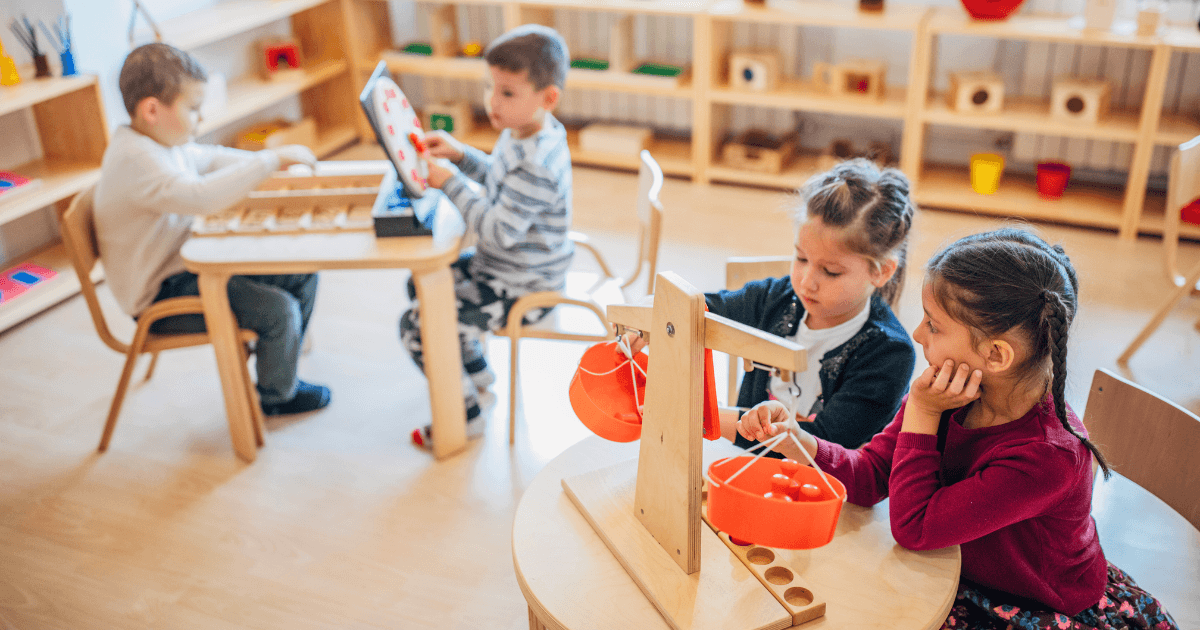
Enter mixed-age classrooms, where children spanning multiple years learn together in the same space. This approach, while not new, is gaining renewed attention as educators and parents seek educational models that better support children’s holistic development.
“In a mixed-age setting, children experience being the youngest, the middle, and the oldest over time,” explains Dr. Maria Chen, educational psychologist and classroom researcher. “This progression creates a natural cycle of mentorship and growth that benefits children socially, emotionally, and academically.”
Let’s explore the compelling benefits of mixed-age classrooms, how they work in practice, and what parents should consider when evaluating this educational approach.
The Natural Benefits of Mixed-Age Learning
Mixed-age classrooms offer numerous advantages that align with how children naturally learn and develop:
Social and Emotional Growth
One of the most significant benefits of mixed-age classrooms is the rich social environment they create:
- Reduced Competition, Increased Collaboration: When children are at different developmental stages, the focus shifts from comparison to cooperation. Research from Stanford University’s Bing Nursery School notes that “children in mixed-age classrooms focus on discovery and curiosity rather than competition.”
- Enhanced Empathy and Understanding: Interacting with peers of different ages helps children develop perspective-taking skills and patience. A study published in the Early Childhood Research & Practice journal found that “children in mixed-age classrooms are more likely to engage in prosocial behaviors, such as helping and sharing, compared to those in same-age classrooms.”
- Natural Leadership Opportunities: Older children naturally take on mentoring roles, developing responsibility and reinforcing their own knowledge. As OCASA explains, “Mixed-age classrooms encourage peer learning and mentorship where older students act as leaders and role models for younger peers.”
- Reduced Social Isolation: The same ECRP study reported “fewer instances of social isolation in mixed-age classrooms than in same-age classrooms,” suggesting that children are more likely to find social connections in diverse age groups.
Cognitive and Academic Benefits
Beyond social advantages, mixed-age classrooms offer significant cognitive benefits:
- Scaffolded Learning: Younger children are exposed to more advanced concepts through their older peers, while older children reinforce their understanding by explaining concepts to younger classmates. This creates what Lev Vygotsky called the “zone of proximal development”—the sweet spot where learning is optimally challenging.
- Personalized Progression: Children can advance at their own pace rather than being constrained by grade-level expectations. According to Edwin Pratt Early Learning Center, “Mixed age classrooms reduce frustration when children are not developmentally ready for skills they are expected to master.”
- Enhanced Language Development: A study published in PMC found that younger children in classrooms with greater age variance showed positive effects on vocabulary development, particularly when paired with good classroom management.
- Deeper Understanding Through Teaching: The “protégé effect” occurs when older children teach younger ones, reinforcing and deepening their own knowledge. Southwood Learning notes that “older students reinforce their knowledge by teaching younger classmates new concepts.”
Long-Term Educational Outcomes
Research suggests that mixed-age classrooms may contribute to positive long-term outcomes:
- Improved Attitudes Toward School: A review of 37 studies cited in the ECRP journal indicated that “students in mixed-age classes showed improved standardized test scores and better attitudes toward school, particularly among underachievers and low-income students.”
- Enhanced Executive Function: The collaborative nature of mixed-age classrooms helps develop executive function skills like planning, self-regulation, and cognitive flexibility—skills that are strong predictors of academic and life success.
- Greater Engagement: The World Economic Forum reports that “students in mixed-age settings exhibit higher levels of engagement and motivation compared to traditional single-age classrooms.”
Mixed-Age Classrooms in Different Educational Models
While mixed-age grouping can be implemented in various educational settings, it’s a cornerstone of several established educational philosophies:
Montessori Education
The Montessori approach has championed mixed-age classrooms for over a century:
- Three-Year Age Spans: Typical Montessori classrooms group children in three-year spans (3-6, 6-9, 9-12 years), allowing for a natural cycle of growth and leadership.
- Child-Directed Learning: Children choose activities based on interest and readiness rather than age, with teachers guiding individual progress.
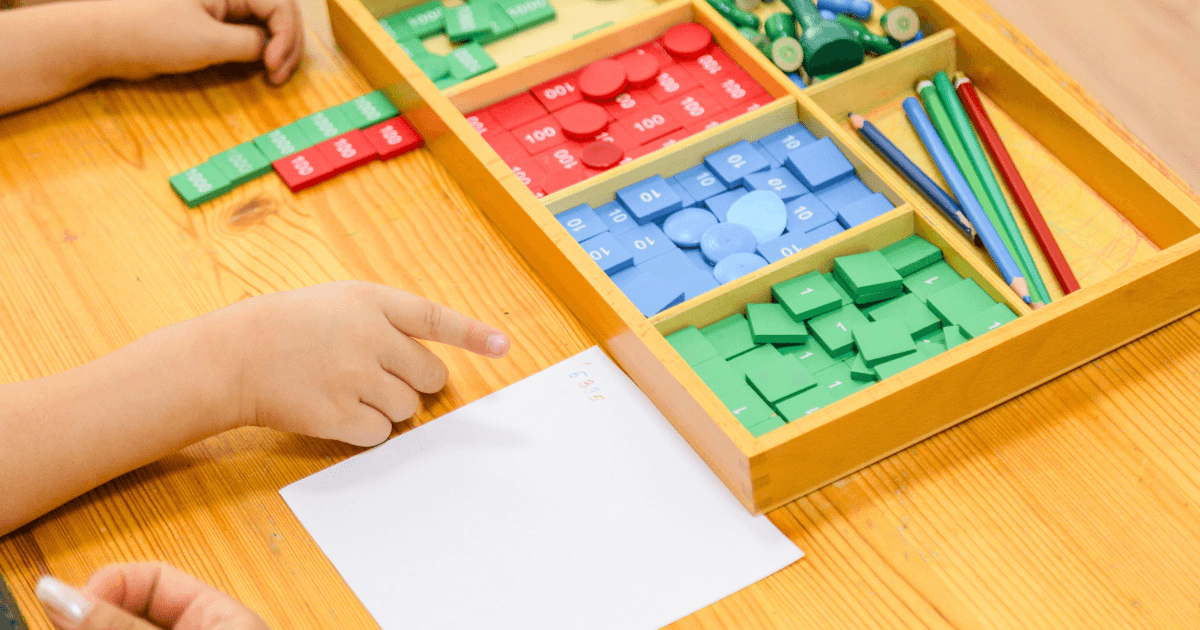
- Prepared Environment: Carefully designed classrooms contain materials that span multiple developmental levels, allowing each child to work at their appropriate level.
- Long-Term Benefits: Research published in PMC found that “attending Montessori for at least two years is associated with significantly higher adult wellbeing across four factors: general wellbeing, engagement, social trust, and self-confidence.”
Waldorf Education
The Waldorf approach also incorporates mixed-age elements:
- Main Lesson Blocks: While Waldorf classrooms are often organized by grade, they frequently bring different ages together for certain subjects and activities.
- Community Focus: The emphasis on community building and social development aligns with the benefits of mixed-age interaction.
- Developmental Approach: Waldorf education recognizes that children develop at different rates across various domains, supporting the mixed-age philosophy.
Traditional Public Schools
Even within conventional educational settings, mixed-age classrooms are sometimes implemented:
- Rural Schools: Smaller schools often combine grades out of necessity, creating natural mixed-age environments.
- Looping: Some schools practice “looping,” where teachers stay with the same group of students for two or more years, creating some of the benefits of mixed-age settings.
- Deliberate Implementation: Some public schools intentionally create mixed-age classrooms based on research showing social and academic benefits.
How Mixed-Age Classrooms Work in Practice
Successful mixed-age classrooms share several key characteristics:
Thoughtful Physical Environment
The classroom setup is crucial for effective mixed-age learning:
- Learning Centers: Well-defined areas for different activities allow children to engage at their appropriate level.
- Accessible Materials: Resources spanning multiple developmental levels are organized and available for independent use.
- Flexible Spaces: Areas for both individual work and collaborative projects accommodate different learning modes.
Skilled Teaching Approaches
Teachers in mixed-age classrooms employ specific strategies:
- Differentiated Instruction: Lessons are designed with multiple entry points to engage children at different developmental levels simultaneously.
- Small Group Work: Teachers work with small, skill-based groups while others engage in independent or collaborative activities.
- Observation and Documentation: Careful observation allows teachers to track individual progress and plan appropriate next steps.
- Facilitation vs. Direction: Teachers act more as guides than lecturers, supporting children’s exploration and peer learning.
Curriculum Considerations
The curriculum in mixed-age classrooms is typically:
- Spiral in Nature: Key concepts reappear at increasing levels of complexity, allowing children to engage at their developmental level.
- Project-Based: Open-ended projects accommodate multiple skill levels and encourage collaboration.
- Integrated: Subjects are often connected rather than taught in isolation, reflecting real-world learning.
- Individualized: Progress is measured against the child’s own development rather than age-based standards.
Addressing Common Concerns
Parents considering mixed-age classrooms often have questions:
Will My Child Be Challenged?
Parents of older or academically advanced children may worry about appropriate challenge:
- Research Perspective: Studies indicate that older children in mixed-age settings often perform better academically as they deepen their understanding through peer teaching.
- Practical Solution: Effective mixed-age classrooms include extension activities and advanced materials for children ready for greater challenges.
- Teacher’s Role: Skilled teachers ensure all children are appropriately challenged through observation and individualized planning.
Will My Child Keep Up?
Parents of younger children may worry about their child feeling overwhelmed:
- Developmental Approach: Mixed-age classrooms honor individual developmental timelines rather than expecting all children to progress at the same rate.
- Peer Modeling: Younger children benefit from observing more advanced peers, which often accelerates learning naturally.
- Reduced Pressure: Without rigid age-based expectations, children can develop at their own pace without stigma.
How Do Teachers Manage Different Levels?
The complexity of teaching multiple levels is a legitimate concern:
- Teacher Training: Effective mixed-age teachers receive specialized training in differentiation and classroom management.
- Experience Matters: Teachers with experience in mixed-age settings develop strategies for balancing diverse needs.
- Support Systems: Additional classroom support through assistants or parent volunteers can help manage the complexity.
Is a Mixed-Age Classroom Right for Your Child?
When considering whether a mixed-age classroom would benefit your child, reflect on:
Your Child’s Personality and Learning Style
- Social Nature: Highly social children often thrive in the rich social environment of mixed-age classrooms.
- Learning Preferences: Children who enjoy collaborative and hands-on learning may particularly benefit.
- Independence Level: Mixed-age settings often encourage greater independence, which suits some children better than others.
Your Educational Values
- Competition vs. Collaboration: If you value collaborative learning over competitive achievement, mixed-age settings may align with your philosophy.
- Whole-Child Development: Mixed-age classrooms often emphasize social-emotional development alongside academics.
- Real-World Preparation: If you believe education should reflect real-world social structures (which rarely segregate by exact age), mixed-age settings offer this authenticity.
Practical Considerations
- School Quality: The implementation quality matters more than the mixed-age concept itself.
- Teacher Experience: Experienced, well-trained teachers are essential for successful mixed-age classrooms.
- Community Fit: Consider whether the school community aligns with your family’s values and approach.
Questions to Ask When Considering a Mixed-Age Program
If you’re exploring mixed-age options for your child, consider asking:
- How are children grouped? What age ranges are included in each classroom?
- How do teachers differentiate instruction for children at different developmental stages?
- How is individual progress tracked and communicated to parents?
- What specific training do teachers have in mixed-age education?
- How do you support both younger and older children in meeting their unique needs?
- How do you handle transitions when children move to the next age grouping?
- What does a typical day look like in your mixed-age classroom?
- How do you address academic standards while honoring individual development?
The Parent Experience: Perspectives on Mixed-Age Classrooms
Parents whose children have attended mixed-age programs often report:
Positive Observations
- Reduced Sibling Rivalry: Children from mixed-age classrooms often apply their collaborative skills at home, improving sibling relationships.
- Increased Independence: Many parents notice greater self-sufficiency and problem-solving abilities.
- Expanded Vocabulary: Exposure to older peers often accelerates language development in younger children.
- Natural Leadership: Parents of older children frequently observe emerging leadership and nurturing qualities.
Adjustment Periods
- Initial Uncertainty: Some parents report an adjustment period as their child acclimates to the mixed-age environment.
- Different Expectations: Parents sometimes need to adjust their own expectations about what learning looks like.
- Communication Needs: Effective parent-teacher communication becomes especially important in mixed-age settings.
Conclusion: The Future of Mixed-Age Learning
As our understanding of child development continues to evolve, mixed-age classrooms offer a compelling alternative to age-segregated education. By creating learning environments that more closely resemble natural communities, these classrooms prepare children not just academically but socially and emotionally for a complex world.
The OECD report highlighted by OECD EduToday notes that “mixed-age classrooms can serve as a stimulus to learning, encourage diversity, and reduce bullying,” suggesting benefits that extend beyond traditional academic measures.
Whether implemented through established educational models like Montessori or adapted for conventional school settings, mixed-age learning environments acknowledge a fundamental truth: children develop at different rates across different domains. By honoring this reality, mixed-age classrooms create space for each child to thrive on their unique developmental journey.
As you consider educational options for your child, mixed-age classrooms deserve thoughtful consideration—not as a novelty, but as a time-tested approach that may better align with how children naturally learn and grow.
Have you had experience with mixed-age classrooms? Share your thoughts and questions in the comments below!