Kindergarten Readiness: What It Really Means (And What It Doesn’t)

“Is my child ready for kindergarten?”
This question keeps countless parents awake at night as their little one’s fifth birthday approaches. The anxiety is understandable—kindergarten represents the official entry into the world of “big kid” education, and we all want our children to start this journey with confidence and success.
But in today’s achievement-oriented culture, kindergarten readiness has become surrounded by misconceptions and unrealistic expectations. Parents worry their children should be reading before they start, writing in complete sentences, or sitting still for extended periods. These concerns often overshadow what kindergarten readiness truly means.
Let’s set the record straight on what kindergarten readiness really entails—and perhaps more importantly, what it doesn’t.
What Kindergarten Readiness Really Means
According to child development experts and kindergarten teachers, true readiness encompasses development across multiple domains. The Temple Beth Or Preschool highlights four key areas that genuinely indicate a child’s readiness for kindergarten:
1. Social-Emotional Development
This is consistently ranked by kindergarten teachers as the most important readiness factor. A socially-emotionally ready child can:
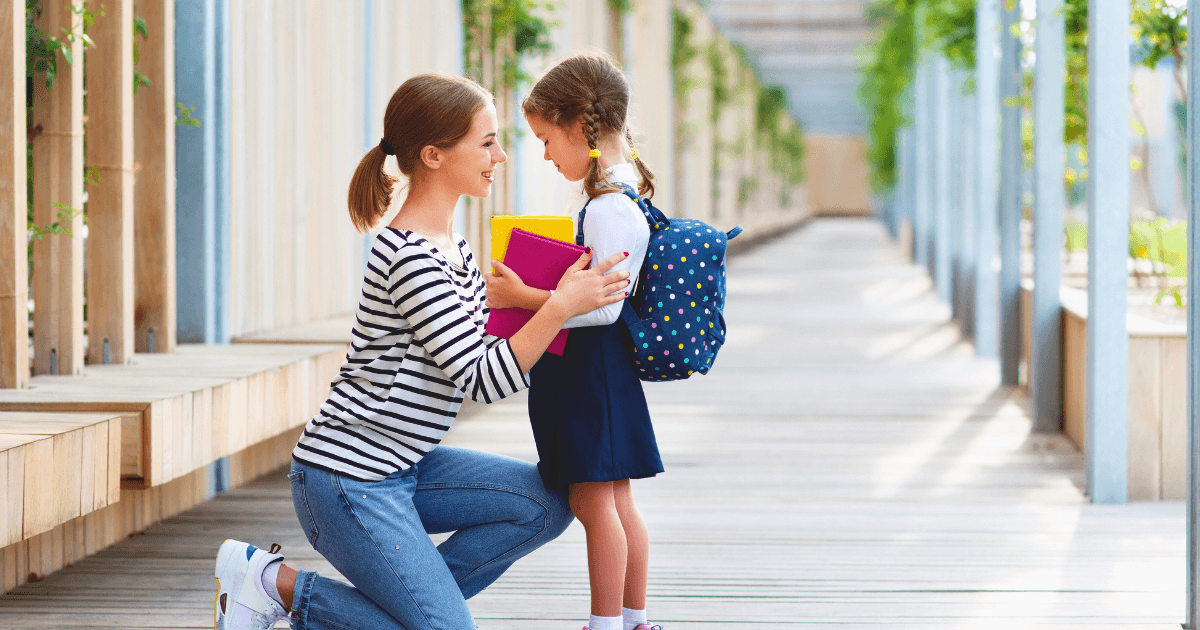
- Separate from caregivers without extreme distress
- Take turns and share with other children
- Express feelings in appropriate ways
- Ask for help when needed
- Follow basic rules and routines
- Show empathy toward others
“When I ask kindergarten teachers what they wish every child could do on day one, they rarely mention academics,” explains Dr. Sarah Martinez, early childhood education specialist. “Instead, they talk about children who can manage their emotions when frustrated and work cooperatively with classmates.”
2. Self-Help and Independence Skills
Children who can manage basic self-care tasks are set up for kindergarten success:
- Using the bathroom independently
- Washing hands properly
- Managing simple clothing fasteners (zippers, buttons)
- Opening lunch containers and snack packages
- Putting on and taking off a jacket
- Cleaning up after themselves
These skills allow children to navigate the school day with confidence and free up teachers to focus on learning rather than managing basic needs.
3. Language and Communication Skills
Effective communication forms the foundation for all learning:
- Following 2-3 step directions
- Expressing needs and wants clearly
- Engaging in back-and-forth conversations
- Asking and answering simple questions
- Using language to solve problems
- Listening attentively to stories
According to First Things First, these language skills predict later reading success more accurately than early letter recognition or phonics knowledge.
4. Curiosity and Approach to Learning
A child’s attitude toward learning matters tremendously:
- Shows curiosity about new experiences
- Persists with challenging tasks
- Demonstrates focus for age-appropriate periods
- Shows enthusiasm for discovering and exploring
- Attempts to solve problems before seeking help
“The most successful kindergartners aren’t necessarily those who know the most facts,” notes veteran kindergarten teacher Michael Chen. “They’re the ones who approach learning with excitement and resilience.”
What Kindergarten Readiness Does NOT Mean
Now let’s address some common misconceptions about kindergarten readiness:
It Does NOT Mean Reading Independently
While exposure to books and print awareness are valuable, expecting children to read before kindergarten is developmentally inappropriate for most. Early literacy skills like enjoying books, recognizing some letters (especially in their name), and understanding that print carries meaning are appropriate expectations—not fluent reading.
It Does NOT Mean Perfect Behavior
Five-year-olds are still developing impulse control. Kindergarten readiness doesn’t mean children never have emotional outbursts or always make perfect choices. Instead, it means they’re developing the skills to recover from upsets and learn from mistakes.
As Conscious Discipline emphasizes, co-regulation with supportive adults is still essential at this age, as most kindergartners haven’t fully developed self-regulation capabilities.
It Does NOT Mean Sitting Still for Long Periods
According to a 2025 EdWeek report, the expectation that 5-year-olds should sit still for extended academic work is contributing to behavior problems in kindergarten classrooms. Developmentally appropriate kindergartens incorporate movement, hands-on learning, and frequent transitions.
It Does NOT Mean Mastering Academic Skills
While basic concepts like counting to 10, recognizing some shapes and colors, and identifying some letters (especially in their name) are helpful, kindergarten is designed to teach these skills—not expect them as prerequisites.
“The purpose of kindergarten is to teach children, not to expect them to arrive already taught,” explains early childhood advocate Dr. Rebecca Johnson. “We’ve created a system where many parents feel their children need to be ‘pre-taught’ kindergarten curriculum, which creates unnecessary pressure and anxiety.”
The Shifting Landscape of Kindergarten Expectations
It’s important to acknowledge that kindergarten itself has changed dramatically over the past two decades. What was once a gentle introduction to school focused on social development and play-based learning has, in many districts, become much more academic.
This shift has created a disconnect between developmental appropriateness and classroom expectations. As the EdWeek survey notes, many educators believe current kindergarten expectations are not aligned with what’s developmentally appropriate for 5-year-olds.
Some states are pushing back against this trend. New Hampshire passed legislation in 2018 requiring play to be reinstated as a cornerstone of public school kindergarten, recognizing its essential role in developing executive function, social skills, and problem-solving abilities.
Supporting Your Child’s Kindergarten Readiness
Rather than drilling academic skills, here are meaningful ways to prepare your child for kindergarten success:
1. Foster Independence
- Encourage self-help skills through everyday routines
- Provide opportunities to practice opening containers, zipping backpacks
- Assign simple responsibilities at home
- Allow extra time for children to complete tasks themselves
2. Build Social Skills
- Arrange playdates with a variety of children
- Visit public places like libraries, museums, and playgrounds
- Practice taking turns and sharing
- Role-play social scenarios like asking to join a game
3. Develop Language Through Conversation
- Engage in back-and-forth conversations about everyday experiences
- Read together daily, discussing stories and asking open-ended questions
- Limit screen time in favor of interactive play and conversation
- Narrate your actions and environment during daily activities
4. Nurture Emotional Intelligence
- Help your child identify and name feelings
- Model healthy emotional regulation
- Validate emotions while setting appropriate boundaries
- Teach simple calming strategies like deep breathing
5. Create Consistent Routines
- Establish predictable daily schedules
- Practice morning routines that mirror school expectations
- Ensure adequate sleep (10-12 hours for kindergarten-age children)
- Create visual schedules to help children understand what comes next
When to Consider Waiting
Sometimes, despite our best efforts, a child truly isn’t ready for kindergarten. According to developmental psychologist Dr. Amanda Torres, these signs might suggest waiting could be beneficial:
- The child turns 5 just before the cutoff date AND shows significant delays in multiple developmental areas
- The child has diagnosed developmental delays and their support team recommends additional time
- The child consistently struggles with emotional regulation far beyond what’s typical for their age
“The decision to delay kindergarten should be made thoughtfully, considering the whole child and consulting with professionals who know your child,” advises Dr. Torres. “It should never be based solely on academic skills or arbitrary expectations.”
A Teacher’s Perspective
Kindergarten teacher Emma Rodriguez shares what she wishes parents understood about readiness:
“After 15 years teaching kindergarten, I can tell you that the children who thrive aren’t necessarily those who enter knowing the most letters or numbers. They’re the ones who can manage their belongings, express their needs, recover from disappointments, and approach learning with curiosity and joy. These are the foundational skills that allow academic learning to flourish.”
The Bottom Line: Readiness Is About the Whole Child
As the Ohio Library system reminds parents, kindergarten readiness isn’t about perfection. It’s about providing children with the tools, support, and encouragement they need to begin their educational journey with confidence.
Remember that each child develops at their own pace. The goal isn’t to have the most academically advanced 5-year-old in the class, but rather to nurture a child who approaches school with enthusiasm, resilience, and the foundational skills to engage with learning.
By focusing on social-emotional development, independence, language, and a positive approach to learning, you’ll be giving your child the true essentials for kindergarten success—and setting them up for a lifelong love of learning that extends far beyond the kindergarten classroom.
What are your thoughts on kindergarten readiness? Have you found certain skills particularly important for your child’s transition to school? Share your experiences in the comments below.