Intergenerational Programs: Connecting Preschoolers with Senior Citizens
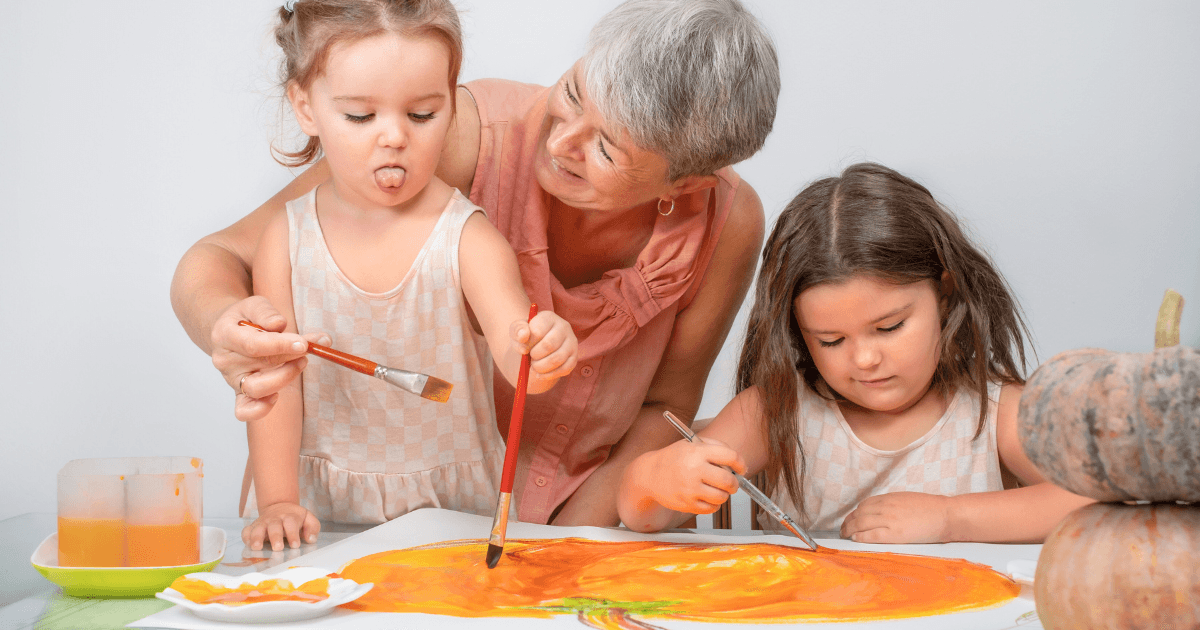
Four-year-old Emma carefully holds up her painting to show Mr. Frank, her 82-year-old art partner. “It’s a dinosaur in space,” she explains with complete seriousness. Mr. Frank, who once worked as an engineer, nods thoughtfully before asking, “How does the dinosaur breathe in space?” This launches a spirited conversation about astronauts, oxygen, and whether dinosaurs could wear helmets.
This scene from an intergenerational program in Nebraska represents the magic that happens when our youngest and oldest community members connect. These interactions—seemingly simple on the surface—create profound benefits for both generations while addressing significant societal challenges.
According to recent research, intergenerational programs can decrease social isolation and improve quality of life for seniors while enhancing reading comprehension, problem-solving skills, and empathy in children. Yet despite these documented benefits, fewer than 150 intergenerational care facilities operated in the United States as of 2021.
Let’s explore how to bridge this gap by creating meaningful connections between preschoolers and senior citizens.
Understanding the Intergenerational Opportunity
Before diving into implementation, it’s important to understand why these connections matter so deeply.
The Generational Disconnect
Modern society has created unprecedented separation between generations:
- Families often live far apart, limiting natural intergenerational interactions
- Age-segregated housing and care facilities isolate seniors
- Digital technology creates communication barriers between generations
- Busy schedules reduce opportunities for meaningful cross-generational engagement
This separation has consequences. Seniors experience loneliness and isolation, which are associated with increased risks of dementia, heart disease, and stroke. Meanwhile, children miss out on the wisdom, patience, and different perspectives that older adults can provide.
The Mutual Benefit Principle
Successful intergenerational programs are built on the foundation of mutual benefit. They’re not just about children “visiting” seniors or seniors “helping” children—they create genuine value for both groups:
For seniors, these programs provide:
- Reduced feelings of isolation and loneliness
- Improved mood and decreased symptoms of depression
- Enhanced cognitive stimulation and memory maintenance
- A renewed sense of purpose and community connection
- Opportunities to share knowledge and life experiences
For preschoolers, the benefits include:
- Enhanced language development through rich conversations
- Improved social skills and emotional regulation
- Development of empathy and understanding of differences
- Exposure to diverse perspectives and life experiences
- Additional nurturing relationships beyond parents and teachers
As one program director noted, “The magic happens when both generations forget they’re supposed to be ‘helping’ each other and simply enjoy being together.”
Models for Intergenerational Engagement
Intergenerational programs can take various forms, each with distinct advantages:
1. Co-located Programs
These facilities physically house both preschool and senior programs in the same building, allowing for daily interaction.
Example: Tiny Images in Nebraska operates inside Fairview Manor, serving up to 36 children while creating daily opportunities for seniors and children to interact.
Advantages:
- Regular, consistent interaction
- Shared resources and facilities
- Integrated programming opportunities
- Convenience for families with both children and senior relatives
2. Partnership Programs
These involve separate facilities that create regular opportunities for interaction through scheduled visits.
Example: Kendal at Hanover’s Early Learning Center partners with a senior living community, facilitating regular visits and shared activities.
Advantages:
- More feasible to implement without major facility changes
- Can start small and scale gradually
- Flexibility in scheduling and programming
- Ability to match specific groups based on interests or needs
3. Community-Based Programs
These programs bring seniors and preschoolers together in neutral community spaces.
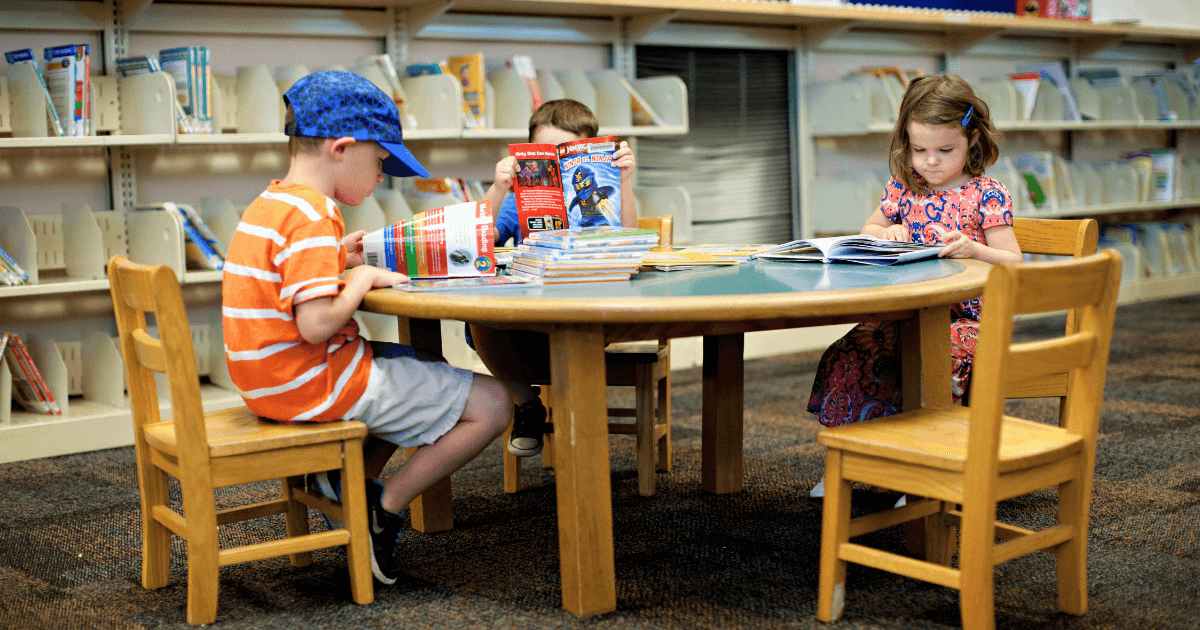
Example: Public libraries often host intergenerational story times where senior volunteers read to preschool groups.
Advantages:
- Accessible to seniors living independently
- No institutional affiliation required
- Can involve diverse community members
- Often lower cost to implement
Planning Successful Intergenerational Activities
The most effective intergenerational programs are intentionally designed to create meaningful engagement. Here’s how to create activities that resonate with both age groups:
1. Focus on Relationship-Building
The most successful programs emphasize building genuine relationships rather than one-off events.
Key strategies:
- Start with small groups to allow for real connection
- Pair the same seniors and children consistently when possible
- Allow time for natural relationships to develop
- Create name tags with large print to help with recognition
- Take photos of pairs/groups to review between sessions
2. Design Age-Appropriate, Ability-Inclusive Activities
Effective activities engage both generations meaningfully without frustrating either group.
Successful activity characteristics:
- Multiple entry points for different ability levels
- Focus on process rather than product
- Incorporate movement but accommodate mobility differences
- Include options for varying attention spans
- Emphasize strengths of both age groups
3. Incorporate Shared Interests
The most engaging activities build on interests common to both generations.
Popular intergenerational activities:
- Storytelling circles: Sharing personal stories or creating stories together
- Arts and crafts: Creating seasonal decorations or gifts for others
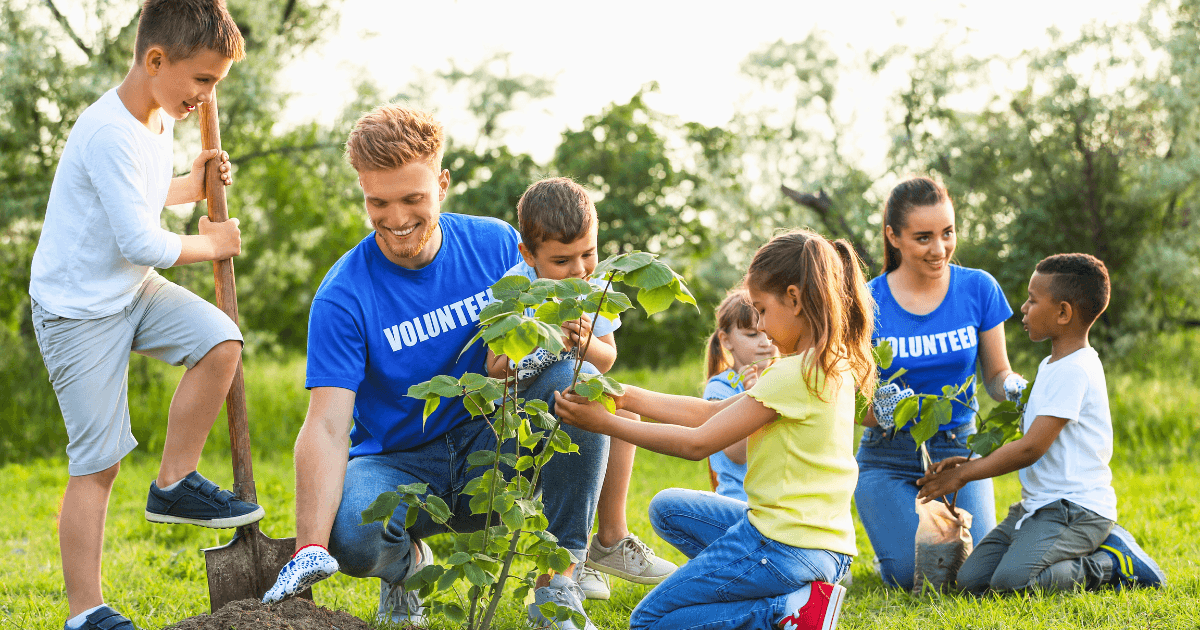
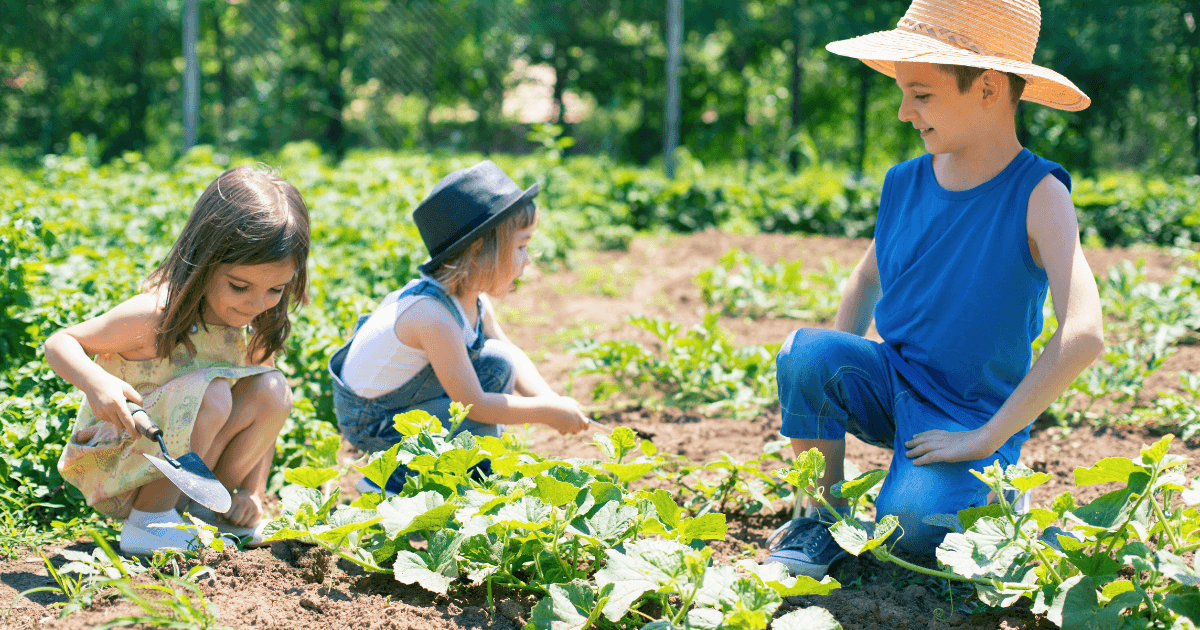
- Gardening: Planting, tending, and harvesting together
- Cooking: Preparing simple recipes, often with cultural significance
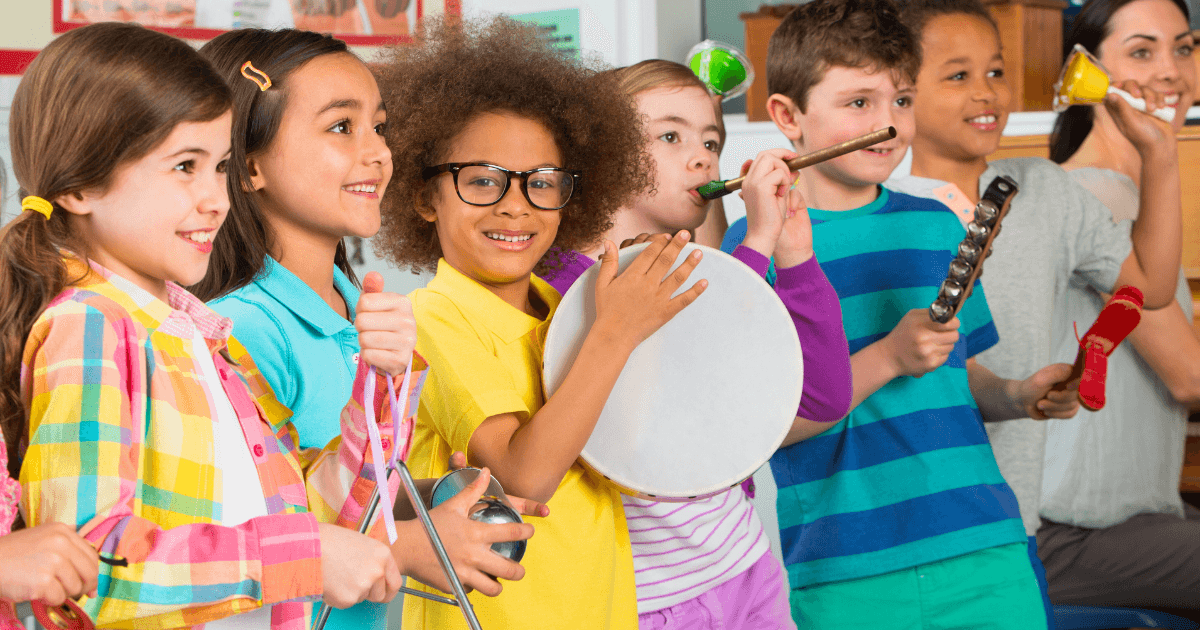
- Music and movement: Singing, dancing, or playing simple instruments
- Games: Board games, card games, or modified physical games
- Nature exploration: Observing and learning about the natural world together
- Technology exchange: Seniors sharing traditional skills while children help with technology
As Learning Grove Academy notes, the most effective activities allow natural connections to develop without forced programming.
Implementing Your Intergenerational Program
Taking an intergenerational program from concept to reality requires thoughtful planning and implementation:
1. Build the Right Partnerships
Successful programs start with strong partnerships:
- Preschool programs: Child care centers, Head Start, public preschools
- Senior organizations: Senior centers, retirement communities, nursing facilities
- Community resources: Libraries, community centers, places of worship
- Supporting organizations: Universities, healthcare providers, foundations
Action step: Identify 2-3 potential partners and schedule exploratory conversations about shared goals and resources.
2. Address Logistical Considerations
Practical details can make or break an intergenerational program:
- Transportation: How will participants travel between locations?
- Scheduling: When will activities occur and for how long?
- Space requirements: What physical environment will support interaction?
- Health and safety protocols: How will you address concerns like illness transmission?
- Staffing needs: Who will facilitate activities and provide support?
Action step: Create a logistical planning checklist specific to your program model.
3. Prepare Both Generations
Setting expectations and providing preparation enhances the experience for everyone:
For seniors:
- Offer information about child development and age-appropriate expectations
- Provide tips for communicating effectively with young children
- Address any concerns about energy levels or physical limitations
- Share the specific goals and structure of the program
For children:
- Introduce concepts about aging in age-appropriate ways
- Discuss how some seniors might move or speak differently
- Practice skills like speaking clearly and listening patiently
- Read books featuring positive intergenerational relationships
For staff/facilitators:
- Train in both early childhood and gerontology basics
- Develop skills in facilitating cross-generational communication
- Learn to recognize signs of overstimulation or fatigue in both groups
- Practice strategies for gracefully redirecting or concluding activities
Action step: Develop simple orientation materials for each participant group.
4. Start Small and Build
Successful programs typically begin with modest goals and expand as relationships develop:
- Start with a small group of participants who are most likely to engage positively
- Begin with shorter, highly structured activities before moving to longer or more open-ended ones
- Schedule activities consistently but not too frequently (biweekly is often ideal to start)
- Collect feedback after each session and adjust accordingly
- Celebrate small successes to build momentum
Action step: Design a 3-month pilot program with clear goals and evaluation metrics.
Activity Ideas for Different Settings
Here are specific activities tailored to different program models:
For Co-located Programs
These programs can take advantage of daily proximity for both scheduled and spontaneous interaction:
- Morning Greeting Circles: Start the day with a joint circle time featuring songs and greetings
- Buddy Reading Program: Pair seniors and children for regular reading sessions
- Intergenerational Dining: Share meals together at least weekly
- Learning Centers: Create classroom stations where seniors can support child-directed activities
- Collaborative Care Projects: Tend a shared garden or care for classroom pets together
For Partnership Programs
These programs benefit from planned, regular visits:
- Traveling Art Studio: Bring art supplies for collaborative creative projects
- Oral History Projects: Record seniors sharing stories about their childhood
- Seasonal Celebrations: Host joint holiday or seasonal events
- Nature Walks: Explore outdoor environments together at an appropriate pace
- Skill-Sharing Workshops: Seniors teach traditional crafts or skills while children share new games
For Community-Based Programs
These programs utilize community spaces and resources:
- Library Story Hours: Senior volunteers read to preschool groups
- Community Garden Projects: Work together in public garden spaces
- Intergenerational Choirs: Practice and perform simple songs together
- Service Learning: Collaborate on community service projects like park clean-ups
- Cultural Heritage Days: Share traditional foods, music, and customs from different cultures
Overcoming Common Challenges
Even the best-designed programs face obstacles. Here’s how to address common challenges:
1. Health and Safety Concerns
Challenge: Concerns about illness transmission or physical safety.
Solutions:
- Develop clear health screening protocols for both populations
- Create environments that accommodate varying mobility needs
- Train staff in universal precautions and emergency procedures
- Ensure appropriate adult-to-child ratios during all activities
- Consider the physical stamina of both groups when planning activities
2. Communication Barriers
Challenge: Differences in communication styles and abilities.
Solutions:
- Use visual cues and simple instructions for activities
- Provide hearing amplification devices if needed
- Position participants to facilitate face-to-face communication
- Train facilitators in techniques to enhance cross-generational communication
- Create activities that rely on multiple forms of expression beyond verbal
3. Scheduling and Consistency
Challenge: Maintaining regular programming despite absences and schedule changes.
Solutions:
- Build flexibility into the program structure
- Create a core group of committed participants supplemented by occasional participants
- Develop contingency plans for days with low attendance
- Maintain communication channels between partner organizations
- Document activities to help new participants integrate smoothly
4. Measuring Impact
Challenge: Demonstrating program value to stakeholders and funders.
Solutions:
- Establish clear, measurable objectives from the outset
- Collect both quantitative and qualitative data
- Document changes in specific behaviors or skills
- Gather testimonials from participants and families
- Take photos and videos (with appropriate permissions)
Case Studies: Success Stories
Examining successful programs provides valuable insights for creating your own:
The Intergenerational Learning Center at Providence Mount St. Vincent
This Seattle-based program combines a preschool with a 400-resident senior care center:
- Structure: Daily structured activities plus spontaneous interactions
- Signature activities: Music, art, lunch, storytelling, and “enhancement” activities
- Impact: Research shows reduced falls and medication use among seniors, enhanced empathy and comfort with aging among children
- Key to success: Treating both generations as equal contributors rather than one serving the other
Kindness Creators Intergenerational Day Center
This Illinois-based program serves both seniors and young children:
- Structure: Integrated daily programming with intentional intergenerational activities
- Signature activities: Miniature golf, coloring, and holiday-themed events
- Impact: Enhanced social engagement and sensory stimulation for both populations
- Key to success: Emphasis on emotional education, allowing children to learn about real-life issues through interactions with seniors
Funding and Sustainability
Creating sustainable funding is crucial for long-term program success:
1. Explore Multiple Funding Streams
Successful programs typically combine various funding sources:
- Public funding: Several states, including Nebraska and Oklahoma, have created specific funding for intergenerational programs
- Foundation grants: Many foundations focus on either early childhood or aging services
- Corporate sponsorships: Businesses often support community-building initiatives
- Program fees: Modest participant fees can supplement other funding
- In-kind contributions: Partner organizations may provide space, transportation, or materials
2. Document and Communicate Impact
Securing ongoing funding requires demonstrating program value:
- Collect stories and testimonials from participants and families
- Document changes in specific behaviors or outcomes
- Take photos and videos (with appropriate permissions)
- Invite funders and community leaders to observe the program
- Create annual impact reports highlighting key successes
3. Build Community Support
Broad community engagement enhances sustainability:
- Create a community advisory board with diverse stakeholders
- Engage local media to share program successes
- Host community events showcasing the program
- Build relationships with elected officials and community leaders
- Connect with national organizations like Generations United for resources and recognition
The Future of Intergenerational Programming
As we look ahead, several trends are shaping the future of intergenerational connections:
1. Integrated Design
New facilities are increasingly being designed specifically for intergenerational use, like the Harbor House Intergenerational Life Center, a 36,000-square-foot facility designed to foster relationships among individuals of all ages and abilities.
2. Technology as a Bridge
Digital tools are creating new possibilities for connection:
- Virtual reality experiences shared across generations
- Digital storytelling projects preserving senior wisdom
- Video chat platforms connecting distant generations
- Apps designed specifically for intergenerational communication
3. Research-Informed Practice
Growing research is helping refine program models and practices:
- Evidence-based activities: Recent studies have identified specific activities that yield the strongest benefits. According to a 2025 systematic review, activities like storytelling, singing, gardening, and crafts showed particularly positive outcomes for both generations.
- Optimal interaction patterns: Research now suggests that consistency matters more than frequency. The INTERACTION program study found that ten weekly 2-hour sessions led by trained educators produced significant benefits, with 75% attendance rates among participating seniors.
- Measurement of outcomes: More sophisticated assessment tools are helping programs document specific benefits. A 2025 pilot study showed that children’s positive attitudes toward older adults increased from 0.61 to 0.87 on a standardized scale after participating in an intergenerational summer camp.
- Targeted interventions: Programs are increasingly designed to address specific challenges like reducing anxiety and depression among seniors. Research indicates that between 3.2% to 20% of residential aged care residents have diagnosed anxiety disorders, and up to 46.2% experience depression—conditions that targeted intergenerational activities can help alleviate.
4. Policy Support
Government recognition of intergenerational benefits is growing:
- Several states have introduced legislation to support the development of intergenerational programs
- Medicare and Medicaid are exploring reimbursement models for evidence-based intergenerational activities
- Educational standards are beginning to incorporate intergenerational learning as a best practice
- Zoning and building codes are being updated to facilitate co-located programs
Conclusion: Building Bridges Across Generations
In a society often segregated by age, intergenerational programs create vital bridges between our youngest and oldest community members. These connections aren’t just heartwarming—they’re transformative, addressing fundamental human needs for connection, purpose, and understanding.
As one program director put it: “We don’t just bring children and seniors together—we create a space where they can truly see each other. The children learn that aging isn’t something to fear, and the seniors remember that they still have so much to give. Everyone leaves richer for the experience.”
Whether you’re an educator, senior care professional, or community member, consider how you might foster these powerful connections. The benefits—for individuals of all ages and for our communities as a whole—are too significant to ignore.
Have you participated in or observed intergenerational programs? Share your experiences and insights in the comments below.