The Inclusive Classroom: Accommodations That Benefit All Children

When we think of classroom accommodations, we often picture specialized supports for students with identified disabilities or learning differences. But what if these same accommodations could enhance learning for every child in the classroom? What if the strategies that help one student overcome barriers actually elevate the educational experience for all?
This is the powerful premise behind truly inclusive classrooms—learning environments designed from the ground up to support diverse learners not through separate tracks but through universally beneficial approaches.
Beyond Compliance: Reframing Our Understanding of Accommodations
For decades, educational accommodations have been viewed primarily through a compliance lens—modifications required by law to ensure students with disabilities have equal access to education. While legal protections remain essential, this narrow framing misses a crucial insight: many accommodations originally designed for specific learning differences actually enhance learning for everyone.
According to research from 21K School, “Inclusive classrooms improve academic performance for all students.” This isn’t just about helping students with disabilities—it’s about creating learning environments where every student can thrive.
The Universal Design for Learning Framework
At the heart of effective inclusive classrooms is the Universal Design for Learning (UDL) framework, developed by CAST. UDL applies architectural principles of accessibility to learning environments, ensuring that educational experiences are designed from the start to be accessible to the widest possible range of learners.
The UDL framework focuses on three key principles:
1. Multiple Means of Engagement
Providing various ways to motivate learners and sustain their interest
2. Multiple Means of Representation
Presenting information and content in different formats
3. Multiple Means of Action and Expression
Offering diverse ways for students to demonstrate what they know
Rather than retrofitting lessons with accommodations for specific students, UDL encourages educators to build flexibility into the original design of learning experiences—benefiting everyone in the process.
Classroom Accommodations That Elevate Learning for All
Let’s explore specific accommodations that, while often initially implemented for students with particular needs, create richer learning experiences for the entire classroom.
Visual Supports and Graphic Organizers
Originally designed for: Students with autism, ADHD, or language processing challenges
Benefits all students by:
- Providing visual reinforcement of verbal information
- Breaking complex concepts into manageable components
- Supporting executive functioning and organization
- Enhancing memory and retention of key concepts
Implementation strategies:
- Post daily schedules with both pictures and text
- Use concept maps to show relationships between ideas
- Create visual step-by-step instructions for procedures
- Incorporate color-coding for different subjects or concepts
Research from GiGi’s Playhouse confirms that “Universal Design for Learning (UDL) principles encourage offering multiple ways of learning, such as hands-on activities and visual aids,” which supports diverse learning styles and enhances overall student engagement.
Flexible Seating and Classroom Arrangement
Originally designed for: Students with sensory processing differences, ADHD, or physical disabilities
Benefits all students by:
- Accommodating different learning preferences and physical needs
- Increasing comfort and reducing fatigue
- Providing appropriate sensory input or reduction
- Encouraging autonomy and self-awareness
Implementation strategies:
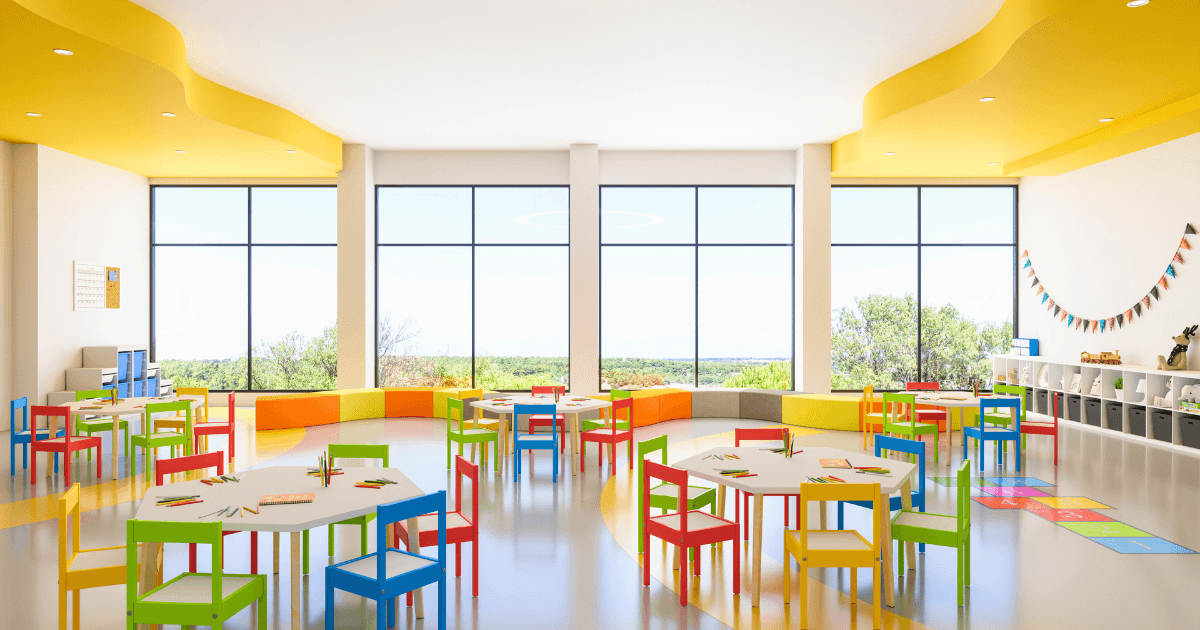
- Offer varied seating options (stability balls, standing desks, floor cushions)
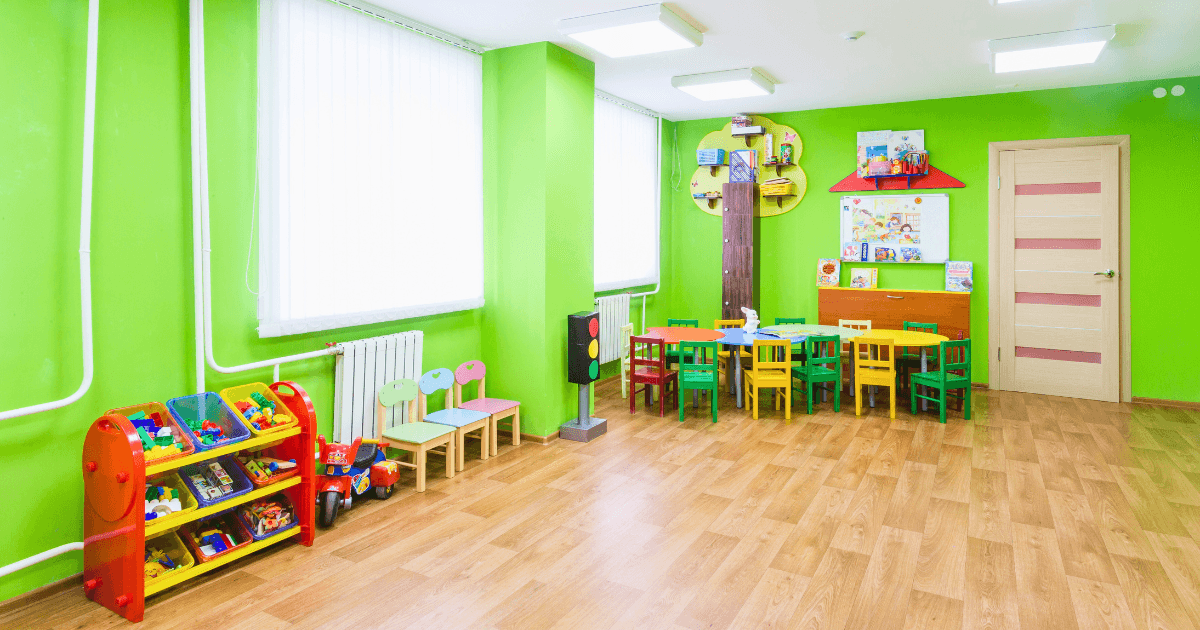
- Create both collaborative and quiet independent work spaces
- Ensure pathways are wide and clear for easy movement
- Designate low-stimulation areas for focus work
As noted by educational researchers, “Implementing UDL can involve providing flexible seating arrangements,” which helps create an environment where all students can find their optimal learning conditions.
Text-to-Speech and Audio Supports
Originally designed for: Students with dyslexia, visual impairments, or reading challenges
Benefits all students by:
- Supporting different learning modalities
- Enhancing comprehension of complex texts
- Improving access to grade-level content regardless of reading level
- Building listening comprehension skills
Implementation strategies:
- Provide audiobooks alongside printed texts
- Use text-to-speech software for digital reading materials
- Record instructions or directions for independent reference
- Create audio versions of classroom notes
These tools have evolved from specialized accommodations to mainstream learning supports that benefit auditory learners and strengthen literacy skills for all students.
Chunking and Extended Time
Originally designed for: Students with processing speed differences, executive functioning challenges, or anxiety
Benefits all students by:
- Reducing cognitive overload
- Allowing for deeper processing and understanding
- Promoting quality over speed
- Decreasing performance anxiety
Implementation strategies:
- Break assignments into smaller, manageable parts
- Provide work checklists with clear stopping points
- Allow flexible deadlines when possible
- Create “time buffers” between activities
According to Life Sciences Education research, these approaches support engagement and enhance inclusive learning environments for all students.
Multisensory Instruction
Originally designed for: Students with learning disabilities or sensory processing differences
Benefits all students by:
- Engaging multiple neural pathways simultaneously
- Catering to diverse learning preferences
- Enhancing memory through multiple modalities
- Making abstract concepts more concrete
Implementation strategies:
- Incorporate movement into lessons (act out stories, use hand motions for concepts)
- Provide manipulatives for mathematical concepts
- Create opportunities to touch, see, hear, and move with new information
- Use songs, rhymes, and chants to reinforce key concepts
Multisensory approaches transform traditional instruction into engaging experiences that reach more learners in meaningful ways.
Assistive Technology and Digital Tools
Originally designed for: Students with physical, cognitive, or sensory disabilities
Benefits all students by:
- Providing multiple ways to access and interact with content
- Supporting organization and executive functioning
- Enhancing creativity and expression
- Developing digital literacy skills essential for the future
Implementation strategies:
- Implement speech-to-text options for writing assignments
- Use digital graphic organizers and mind-mapping tools
- Provide captioned videos for all multimedia content
- Incorporate collaborative digital platforms for group work
As technology evolves, tools once considered specialized accommodations are now recognized as valuable learning supports for everyone. According to inclusive education experts, “Assistive technology tools, such as speech-to-text software and audiobooks, help students access curriculum content more effectively.”
The Social-Emotional Benefits of Inclusive Practices
Beyond academic advantages, inclusive classroom practices yield significant social and emotional benefits:
For Students with Disabilities:
- Increased sense of belonging and community
- Improved self-advocacy skills
- Higher expectations and achievement
- Authentic peer relationships
- Preparation for inclusive life beyond school
For Students Without Disabilities:
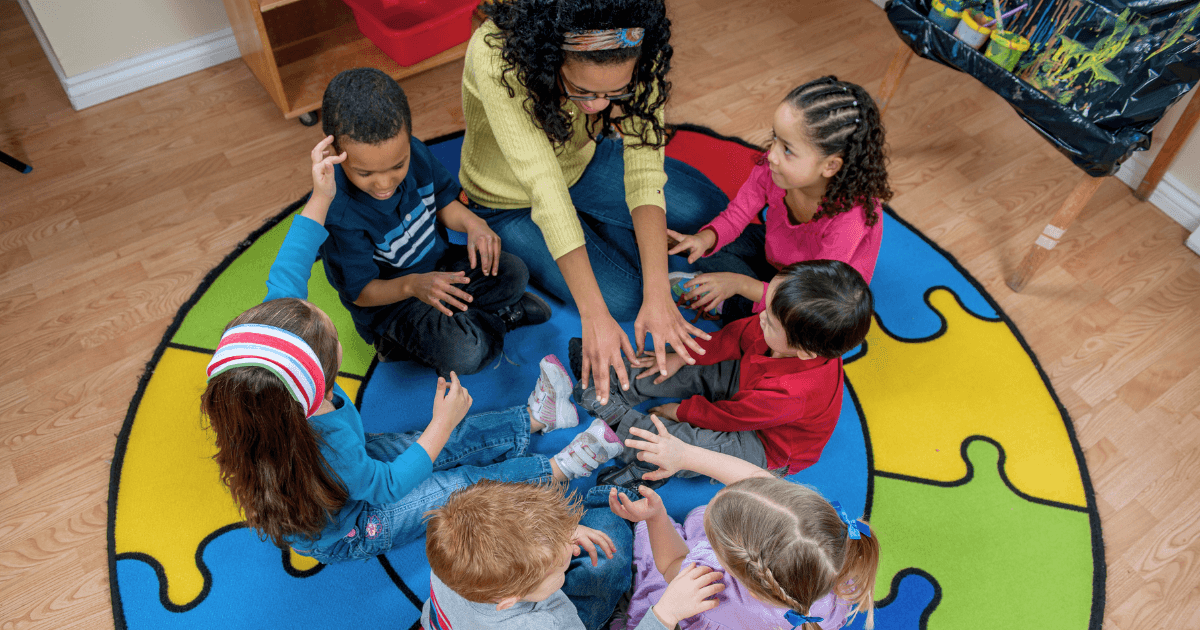
- Development of empathy and understanding of differences
- Practice with collaboration across diverse perspectives
- Appreciation for multiple approaches to problems
- Comfort with human diversity
- Leadership and mentoring opportunities
Research from 21K School confirms that “Collaboration with peers from diverse backgrounds helps students develop empathy, respect, and kindness,” essential skills for success in our increasingly diverse world.
Implementation: Starting Small for Big Impact
Creating a fully inclusive classroom doesn’t happen overnight. Consider these strategies for gradual implementation:
1. Audit Your Current Practices
- Identify existing barriers in your classroom
- Notice which students struggle with current formats
- Observe when engagementdips during the day
2. Select One UDL Principle to Focus On
- Start with multiple means of representation, engagement, or expression
- Implement 2-3 specific strategies aligned with your chosen principle
- Observe and document the impact on different learners
3. Involve Students in the Process
- Ask students about their learning preferences
- Teach about different learning styles and strengths
- Encourage self-advocacy and reflection on what helps them learn
4. Build a Professional Learning Network
- Connect with colleagues implementing inclusive practices
- Share resources and strategies that work
- Observe classrooms with established inclusive approaches
5. Measure Impact Broadly
- Look beyond test scores to engagement, independence, and classroom climate
- Gather feedback from students and families
- Document unexpected benefits and challenges
Success Story: Ms. Johnson’s Transformation
Third-grade teacher Ms. Johnson initially felt overwhelmed by the diverse learning needs in her classroom. She started small, implementing visual schedules and offering flexible seating options—accommodations originally intended for two students with ADHD and autism.
“I was amazed by how these simple changes benefited everyone,” she shares. “Students who I never considered to have special needs began using the visual schedule to manage their time better. The flexible seating options led to fewer disruptions and better focus across the board.”
Over time, Ms. Johnson expanded her inclusive practices to include graphic organizers, audio supports, and chunked assignments. “My classroom management issues decreased dramatically, and student engagement soared. What started as accommodations for a few students evolved into better teaching for everyone.”
Overcoming Common Concerns
“Won’t these accommodations give some students an unfair advantage?”
This concern stems from a fixed mindset about learning—the idea that education should be standardized rather than personalized. In reality, providing multiple pathways to learning doesn’t give anyone an unfair advantage; it simply removes unnecessary barriers so all students can demonstrate their true abilities.
“I don’t have time to implement different approaches for every student.”
The beauty of UDL is that it’s not about creating 25 different lesson plans. It’s about building flexibility into one robust plan that works for diverse learners from the start. While initial planning may require more thought, it ultimately saves time spent on behavior management and re-teaching.
“What about preparing students for the ‘real world’ where accommodations aren’t available?”
Today’s “real world” increasingly values diversity, flexibility, and personalization. Modern workplaces offer flexible schedules, remote work options, and various ways to demonstrate competence. By teaching students to understand their learning needs and advocate for themselves, we’re preparing them for success in an increasingly adaptable world.
Final Thoughts: From Special to Universal
The journey toward truly inclusive classrooms requires a fundamental shift in perspective—from seeing accommodations as special provisions for some to recognizing them as universal supports that enhance learning for all. When we design learning environments with diverse needs in mind from the beginning, we create spaces where every child can thrive.
As educators, our goal isn’t just compliance with legal requirements for accommodations. It’s the creation of learning communities where differences are expected and valued, where multiple pathways to success exist, and where all students develop the flexibility and self-awareness they’ll need for lifelong learning.
What inclusive practices have you found benefit all students in your classroom? Share your experiences in the comments below!