How to Teach Letters to Preschoolers Without Worksheets or Flashcards
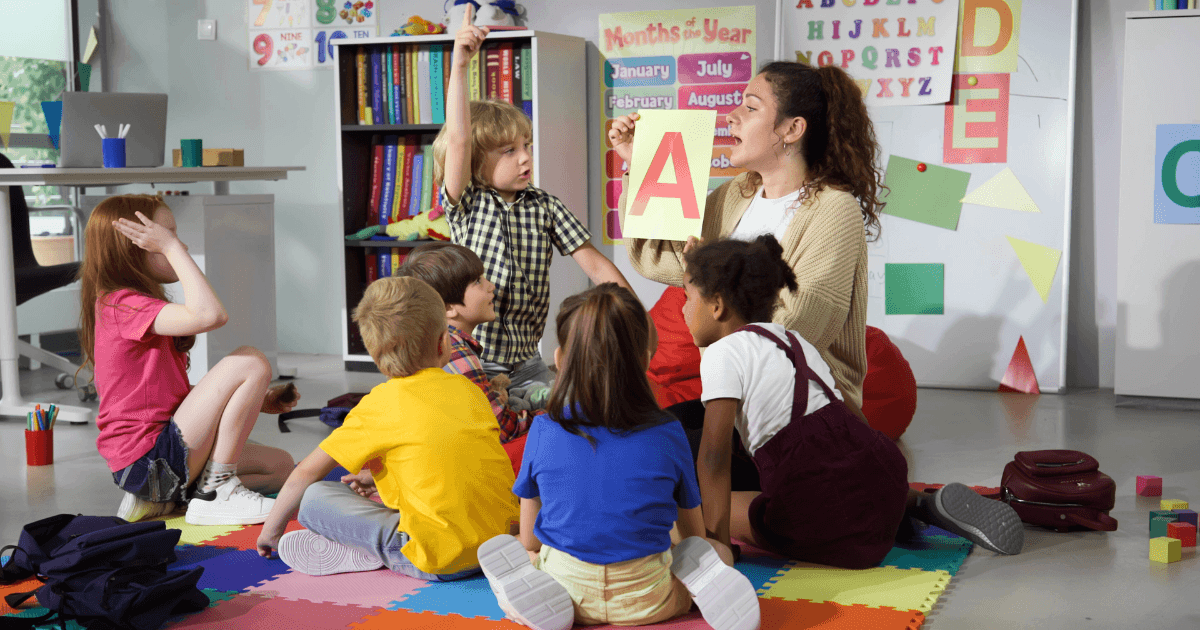
If you’ve ever watched a preschooler’s eyes glaze over during a flashcard session or witnessed the tears that can come from worksheet drills, you know there must be a better way to teach the alphabet. The good news? There absolutely is!
As both an early childhood educator and a parent, I’ve discovered that the most effective letter learning happens through playful, meaningful experiences that engage multiple senses. When children encounter letters in contexts that matter to them, magic happens—they not only learn more quickly but develop a genuine love for literacy that can last a lifetime.
In this guide, I’ll share developmentally appropriate, play-based approaches to teaching letters that won’t require a single worksheet or flashcard. These activities honor how young children actually learn and turn alphabet exploration into a joyful adventure.
Understanding How Preschoolers Learn Letters
Before diving into activities, let’s understand the developmental journey of letter learning:
The Natural Progression of Letter Knowledge
- Print awareness: Recognizing that those squiggly marks on the page have meaning
- Letter recognition: Identifying letters by their shapes and names
- Letter-sound connection: Understanding the sounds letters make
- Letter formation: Learning how to create the letters themselves
According to Treehouse Schoolhouse, children can begin exploring letters as early as 1-2 years through play and sensory experiences, but formal instruction typically begins around age 3-4, with mastery continuing into kindergarten.
The Multi-Sensory Advantage
Research shows that children learn best when multiple senses are engaged. The Pre-K Pages website explains that when children see, hear, touch, and move with letters, they create more neural pathways to the information, making it easier to remember.
This multi-sensory approach is especially important for preschoolers, who are concrete learners still developing the abstract thinking skills needed to connect symbols (letters) with sounds and meaning.
Starting in the Right Place: Your Child’s Name
The most meaningful place to begin letter learning is with your child’s name. These letters have personal significance and built-in motivation.
Name-Based Activities
- Name Song: Create a simple tune using your child’s name, emphasizing each letter.
- Name Puzzle: Write your child’s name on cardstock, cut between the letters, and let them reassemble it.
- Name Detective: Point out their name in different contexts—on their bedroom door, artwork, or belongings.
- Name Collage: Help them cut out the letters of their name from magazines or catalogs to create a personalized collage.
- Name Sensory Tray: Write their name in a shallow tray filled with salt, sand, or shaving cream for tactile exploration.
As The Weary Educator notes, these personal connections create positive associations with letters and build confidence before branching out to the rest of the alphabet.
Everyday Opportunities for Letter Learning
The world is full of letters! Incorporating alphabet learning into daily routines creates natural, meaningful encounters with print.
In the Kitchen
- Alphabet Soup: Use alphabet pasta to identify letters while cooking or eating.
- Recipe Reading: Point out letters on recipe cards or food packaging.
- Refrigerator Magnets: Keep magnetic letters on your refrigerator for spontaneous play.
- Pancake Letters: Pour pancake batter to form letters (parents can do this for younger children).
- Fruit and Veggie Letters: “Today we’re having apples, bananas, and carrots—what letters do they start with?”
During Outdoor Play
- Sidewalk Letter Splash: Write letters with chalk, then splash them with water.
- Nature Letters: Arrange sticks, rocks, or leaves to form letters.
- Shadow Letters: Make letter shapes with your body and observe the shadows.
- Letter Hunt: “Can you find something that starts with ‘B’ on our walk?”
- Water Painting: Use a paintbrush and water to “paint” letters on the sidewalk or fence.
During Bath Time
- Foam Letter Play: Foam bath letters stick to wet tiles for playful learning.
- Shaving Cream Letters: Draw letters in shaving cream spread on the bathtub wall.
- Bathtub Crayons: Write and identify letters on the tub surface.
- Letter Boats: Make simple boats from corks or foam and label with letters to find.
- Water Pouring: Use cups labeled with letters for pouring games.
During Quiet Time
- Letter Stories: Create simple stories featuring a focus letter (“Sammy Snake slithered silently”).
- Alphabet Books: Read books that highlight letters in engaging ways.
- Letter Treasure Box: Collect small objects that begin with a particular letter in a special box.
- Audio Association: Listen for words that begin with certain letters in music or audiobooks.
- Letter Binoculars: Make pretend binoculars and go on a “letter safari” around the house.
Multi-Sensory Alphabet Activities by Learning Style
Every child has preferred ways of engaging with the world. Here are activities tailored to different learning styles:
For Visual Learners
- Alphabet Photo Album: Create a personalized alphabet book with photos of familiar people and objects.
- Letter Spotlight: Focus on finding one letter everywhere for a whole day.
- Letter of the Day Window: Use window markers to write the day’s focus letter on a window or mirror.
- Visual Scavenger Hunt: Find items around the house that match picture cards starting with target letters.
- Letter Videos: Watch short, engaging videos that feature letter sounds and formations.
For Auditory Learners
- Alphabet Songs: Beyond the traditional ABC song, try songs that emphasize the sounds letters make.
- Sound Games: “I spy something that starts with the /m/ sound.”
- Letter Rhythms: Create rhythmic chants for letters (“B-B-B, ball-ball-ball”).
- Story Sound Hunt: While reading aloud, pause to identify words that begin with a focus letter.
- Letter Riddles: “I’m thinking of a letter that makes the sound at the beginning of ‘dog’.”
For Tactile Learners
- Playdough Letters: Form letters with playdough or clay.
- Textured Letters: Create letters using materials with different textures (sandpaper, fabric, etc.).
- Finger Painting: Make letters with finger paint.
- Sensory Bags: Fill ziplock bags with hair gel and food coloring for “squishy” letter practice.
- Letter Lacing: Punch holes along letter outlines and lace with yarn.
According to 5 Senses LL, these tactile experiences are particularly powerful for cementing letter knowledge.
For Kinesthetic Learners
- Body Letters: Form letters with their bodies, either standing or lying down.
- Letter Hopscotch: Jump between letters drawn with chalk.
- Letter Yoga: Create yoga poses that mimic letter shapes.
- Dance and Freeze: Dance while music plays, freeze and form a letter when it stops.
- Letter Basketball: Toss beanbags onto letter targets.
Ocodile emphasizes that movement-based activities are especially effective for children who need to be physically active while learning.
Playful Games for Letter Learning
Games make letter learning fun and provide natural repetition without the tedium of drills.
- Alphabet I Spy: “I spy with my little eye something that starts with the letter B.”
- Letter Treasure Hunt: Hide letters around the house with clues leading from one to the next.
- Alphabet Memory: Match uppercase and lowercase letters in a memory game.
- Letter Bingo: Play bingo with letters instead of numbers.
- Alphabet Ball: Toss a ball while naming letters or words that start with them.
- Letter Fishing: “Fish” for magnetic letters with a magnetic wand or fishing pole.
- Letter Sorting: Sort objects or pictures by their beginning sounds.
- Letter Crown: Create a crown featuring the “letter of the day.”
- Alphabet Obstacle Course: Set up stations representing different letters.
- Letter Detective: Look for a specific letter in a book or magazine.
Creative Arts for Letter Learning
Artistic expression provides meaningful contexts for letter exploration:
- Letter Collages: Create collages of items beginning with a focus letter.
- Alphabet Stamping: Use letter stamps with ink pads or paint.
- Letter Sculptures: Form letters with pipe cleaners or clay.
- Alphabet Photography: Take photos of objects resembling letter shapes in the environment.
- Letter Masks: Create masks shaped like letters for dramatic play.
- Alphabet Puppets: Make simple puppets representing letters or things beginning with specific letters.
- Letter Songs: Create songs or raps about specific letters.
- Alphabet Mural: Contribute to an ongoing wall project with one letter at a time.
The Joy in Teaching notes that these creative approaches help children form emotional connections to letters, making them more memorable.
Tips for Success
Do:
- Follow your child’s interest: If they’re fascinated by a particular letter, explore it fully before moving on.
- Keep it playful: Once it feels like work, learning effectiveness diminishes.
- Use correct terminology: Teach letter names and sounds simultaneously for better understanding.
- Be consistent but flexible: Brief, regular exposure works better than occasional long sessions.
- Celebrate effort: Praise attempts and engagement rather than perfect recognition or formation.
Don’t:
- Rush the process: Letter learning is developmental and takes time.
- Test or drill: Avoid putting pressure on your child to perform.
- Correct too much: Learning should be joyful; save corrections for when they’re receptive.
- Limit to “school time”: Integrate letter learning throughout the day in natural contexts.
- Compare to others: Each child learns at their own pace.
When to Seek Support
While all children develop at different rates, be mindful of potential signs that additional support might be helpful:
- Difficulty recognizing letters in their name by age 4-5
- Trouble connecting letters with their sounds by kindergarten
- Confusion between similar letters (b/d, p/q) persisting into kindergarten
- Resistance or distress when engaging with letters
If you notice these patterns, consider consulting with an early childhood educator or pediatrician for guidance.
Conclusion: Letters Are Everywhere!
Teaching letters without worksheets or flashcards isn’t just possible—it’s preferable! By embedding letter learning in play, daily routines, and meaningful activities, you’ll help your child develop not only alphabet knowledge but also a love of literacy that will serve them well throughout their educational journey.
Remember that the goal isn’t just letter recognition but fostering curiosity about written language and its purpose. When children discover the power and joy of letters through play, they’re building a foundation for reading success that worksheets simply cannot provide.
What’s your favorite way to explore letters with your preschooler? Share your ideas in the comments below!