Faith-Based Preschools: Integrating Values into Early Education

When parents begin the search for their child’s first educational experience, they’re faced with numerous options—each with its own philosophy, approach, and values. For many families, faith-based preschools offer a compelling alternative that aligns with their desire to nurture not only their child’s cognitive development but also their spiritual and moral growth.
“The first six years of a child’s life are crucial for developing their spiritual foundation and worldview,” explains Dr. Sarah Thompson, early childhood education specialist. According to research from Northwestern College, this early period is when children are most receptive to understanding concepts of faith and developing values that may guide them throughout their lives.
But what exactly makes faith-based preschools unique, and how do they integrate spiritual values into early education? Let’s explore this educational approach that continues to be chosen by millions of families across the country.
What Defines a Faith-Based Preschool?
Faith-based preschools are educational institutions that integrate religious beliefs, traditions, and values into their curriculum and daily activities. While they provide the same foundational academic and developmental experiences as secular preschools, theydo so within a framework that acknowledges and celebrates spiritual dimensions of life.
These schools come in various denominations and traditions, including:
- Christian preschools (including Catholic, Protestant, and non-denominational)
- Jewish preschools (often called “Gan” in Hebrew)
- Islamic preschools
- Hindu-based educational programs
- Other faith traditions with early childhood programs
What unites these diverse programs is their commitment to nurturing the whole child—intellectually, physically, emotionally, socially, and spiritually.
How Values Are Integrated Throughout the Day
Unlike religious education that might occur only during a designated “religion class,” faith-based preschools typically weave spiritual elements throughout the entire day. This integration creates a cohesive experience where faith isn’t compartmentalized but is a natural part of learning and growing.
Morning Routines and Welcoming Activities
Many faith-based preschools begin the day with prayer, songs, or reflections appropriate to their religious tradition. For example:
- A Christian preschool might start with a simple prayer and a Bible verse
- A Jewish preschool might include morning blessings (Birkat Hashachar)
- An Islamic preschool might begin with recitations from the Quran
These practices help children transition from home to school while establishing a spiritual foundation for the day ahead.
Storytelling with Purpose
Stories are powerful teaching tools in early childhood education, and faith-based preschools intentionally include stories from their religious traditions alongside secular children’s literature. According to a systematic literature review, storytelling in religious education supports not only faith development but also enhances biblical literacy, general learning, literacy development, and empathy.
For example, Christian preschools might share Bible stories like Noah’s Ark or the Good Samaritan, while Jewish preschools might tell stories about Abraham or Moses. These stories are presented in age-appropriate ways that emphasize values like kindness, honesty, and compassion.
Values-Based Play and Activities
Play remains central to learning in faith-based preschools, but activities often incorporate religious themes and values:
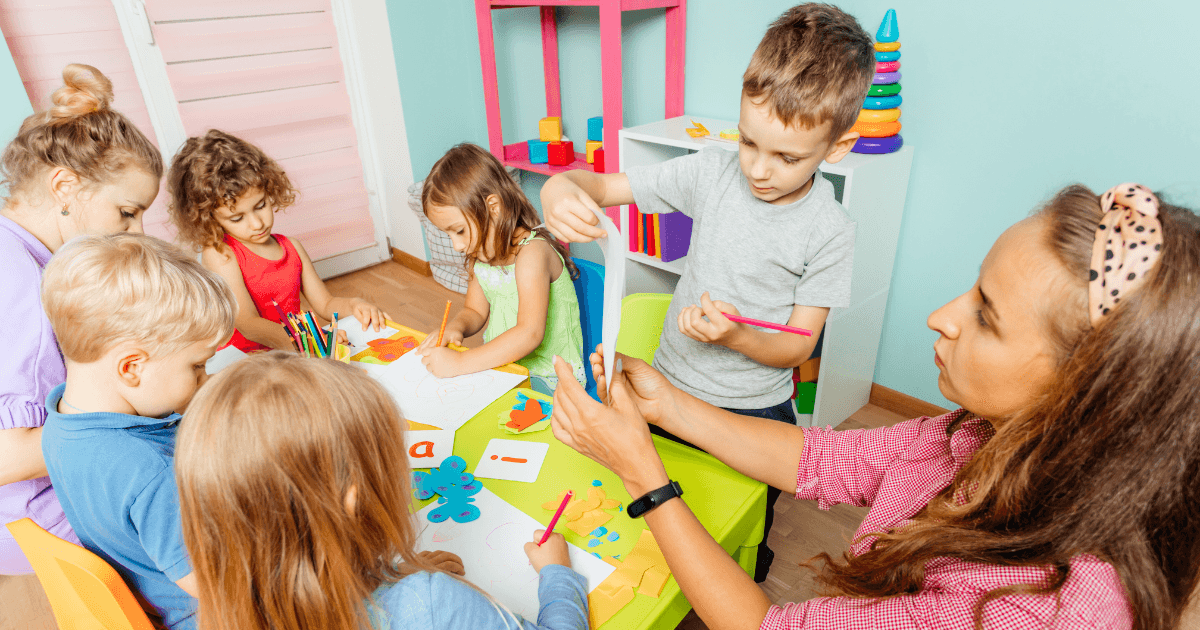
- Art projects might include creating stained glass windows, menorahs, or other religious symbols
- Dramatic play areas might feature materials for acting out religious stories
- Science explorations might be framed as discovering “God’s creation”
- Music time includes religious songs alongside traditional children’s music
The Mother Goose Time Christian Program exemplifies this approach, offering “daily playful devotionals to help children know God and understand His love” alongside traditional preschool activities.
Celebrations and Observances
Faith-based preschools typically celebrate religious holidays and observances, providing children with meaningful experiences of their faith traditions:
- Christian preschools celebrate Christmas, Easter, and other Christian holidays
- Jewish preschools observe Shabbat weekly and celebrate festivals like Passover and Hanukkah
- Islamic preschools acknowledge Ramadan and Eid celebrations
These celebrations help children understand the rhythms and traditions of their faith while creating joyful community experiences.
Academic Excellence Within a Spiritual Framework
Contrary to some misconceptions, faith-based preschools maintain strong academic standards. In fact, research indicates that students in religious schools often perform better academically than their peers.
According to the Council for American Private Education, students in religious schools score about 12 months ahead academically compared to their counterparts in other educational settings.
Faith-based preschools typically include all the elements of high-quality early childhood education:
- Language and literacy development through books, songs, and conversations
- Mathematical thinking via counting, sorting, and pattern activities
- Scientific exploration and discovery
- Physical development through both fine and gross motor activities
- Social-emotional learning with an emphasis on character development
The difference lies in how these academic areas are presented—within a context that acknowledges spiritual dimensions and connects learning to religious values.
The Benefits of Faith-Based Early Education
Research and parental experience point to several distinctive benefits of faith-based preschool education:
1. Moral and Character Development
Faith-based preschools explicitly focus on character formation, helping children understand concepts of right and wrong through the lens of their faith tradition. As Evangelical Christian School notes, “Biblical values provide a consistent framework for character development,” giving children clear guidance for making ethical choices.
2. Sense of Community and Belonging
These schools often create strong communities where families share similar values and beliefs. This community aspect provides support for both children and parents, fostering connections that extend beyond the classroom.
“Faith-based preschools foster a strong sense of identity and belonging among children, allowing them to appreciate themselves and each other,” explains Messiah Preschool.
3. Emotional Well-being and Resilience
The spiritual dimension of faith-based education provides children with resources for emotional regulation and coping. Research from Mt. Sinai Child Development Center suggests that “spiritual teachings provide comfort and coping mechanisms” that contribute to children’s emotional well-being.
4. Alignment Between Home and School
For families who practice their faith at home, faith-based preschools create consistency in the messages children receive. This alignment between home and school values reduces confusion and reinforces important teachings.
5. Service Orientation
Many faith-based preschools emphasize service to others as a core value, engaging even very young children in age-appropriate service projects. These experiences help develop empathy, gratitude, and a sense of responsibility toward others.
Different Approaches to Faith-Based Early Education
While all faith-based preschools integrate religious elements, they vary in their specific approaches and emphases:
Traditional Religious Preschools
These programs typically follow a structured curriculum with dedicated religious instruction alongside traditional academic and developmental activities. For example, United Christian Education Center uses “Abeka’s preschool curriculum, which employs a spiral teaching method” while integrating Christian values throughout the day.
Faith-Based Montessori Programs
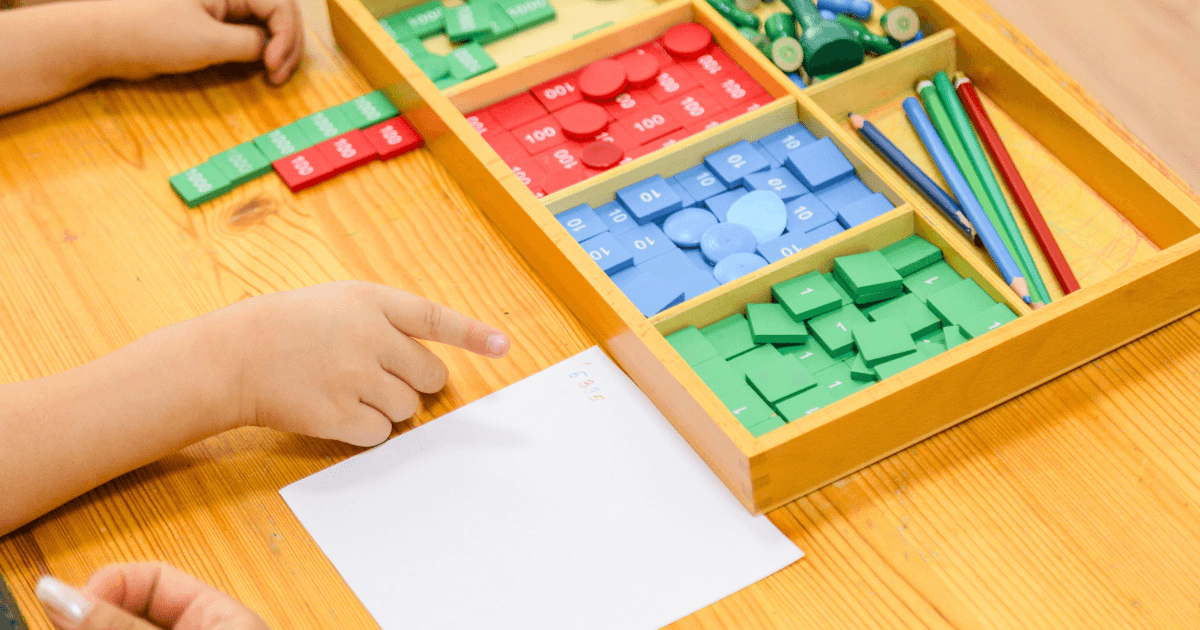
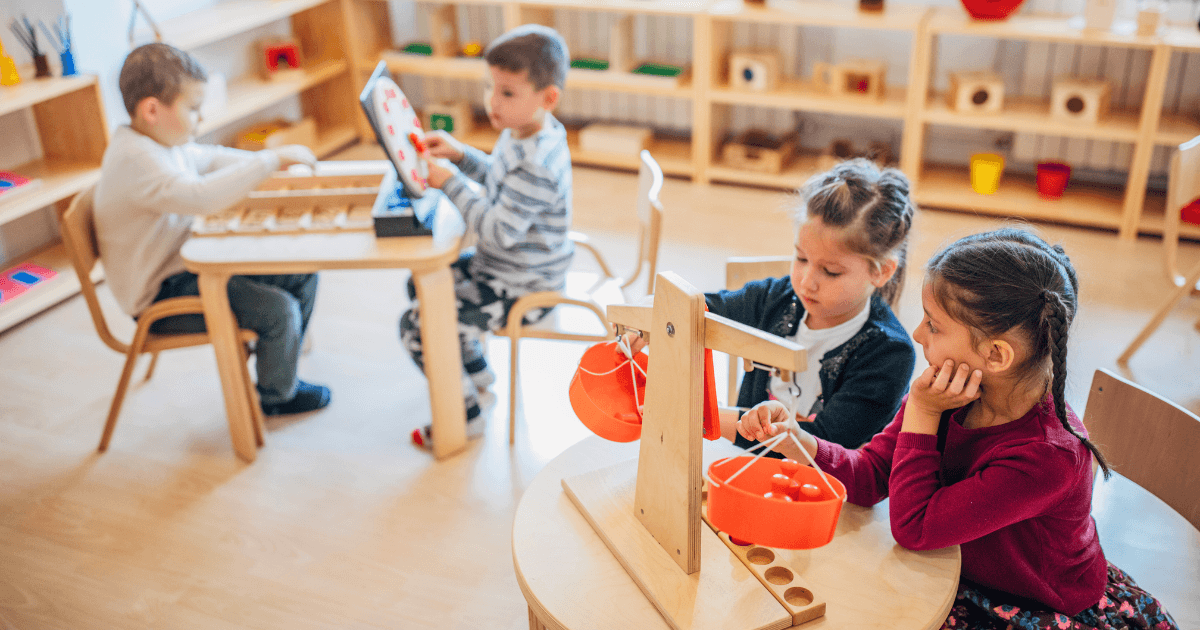
Some preschools combine religious education with the Montessori method, offering child-directed learning within a spiritual context. These programs honor children’s natural development while introducing religious concepts through specially designed materials and activities.
Play-Based Religious Programs
These programs emphasize learning through play while incorporating religious elements in natural, organic ways. They might include prayer corners in dramatic play areas or religious books in reading nooks, allowing children to engage with faith concepts through self-directed exploration.
Waldorf-Inspired Religious Education
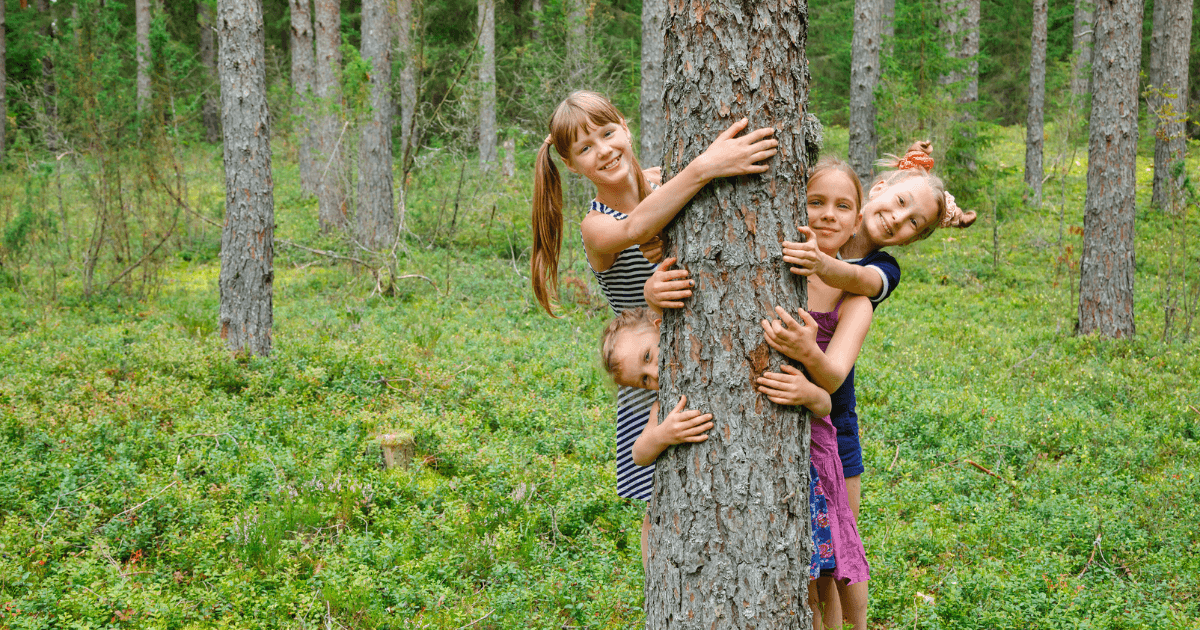
Some faith-based preschools draw inspiration from Waldorf education, emphasizing imagination, nature connection, and artistic expression while incorporating religious elements that align with their tradition.
What Parents Should Consider When Choosing a Faith-Based Preschool
If you’re considering a faith-based preschool for your child, several factors warrant careful consideration:
1. Alignment with Your Family’s Beliefs
While exact theological alignment isn’t always necessary, parents should consider how closely the school’s religious teachings match their own beliefs. Some faith-based preschools welcome families from diverse backgrounds, while others expect stronger adherence to specific doctrines.
2. Balance of Spiritual and Academic Elements
Schools vary in how much emphasis they place on religious versus academic content. Some parents prefer programs with more explicit religious instruction, while others seek a lighter touch that introduces faith concepts more gently.
3. Teaching Approaches and Qualifications
As with any preschool, teaching quality matters tremendously. Evangelical Christian School advises that “teacher quality is the most significant factor in early childhood program excellence,” including educational credentials, experience, and commitment to professional development.
4. Community Fit
Visit potential schools to get a feel for the community. Do you feel welcomed? Do the values expressed in the classroom match what you want for your child? The relationship between families and the school is particularly important in faith-based education.
5. Practical Considerations
Location, cost, schedule, and program structure remain important practical considerations for any preschool choice.
According to a recent study on Christian parents’ decision-making process when choosing schools, “Christian parents derive guidance and meaning from their faith when making educational choices for their children.” The study found that faith influences parents’ sense of responsibility, educational priorities, and even financial considerations when selecting schools.
The Long-Term Impact of Faith-Based Early Education
While the immediate benefits of faith-based preschool education are evident in children’s daily experiences, research suggests potential long-term impacts as well.
According to Mt. Sinai Child Development Center, these long-term effects may include “stronger moral reasoning, academic success, resilience, stronger family and community bonds, a leadership and service mindset, and a lifelong spiritual connection.”
A Liberty University study found that “children who attend faith-based preschools may perform better academically in later years” and “may exhibit higher levels of empathy and kindness.”
Perhaps most significantly, faith-based early education can provide children with a coherent framework for understanding themselves and their place in the world—a foundation that supports their development as whole persons with intellectual, emotional, social, and spiritual dimensions.
Creating Faith-Based Learning Experiences at Home
Whether or not your child attends a faith-based preschool, you can incorporate elements of this approach at home:
- Establish simple spiritual routines like mealtime prayers or bedtime blessings
- Share age-appropriate religious stories that emphasize values important to your family
- Celebrate religious holidays and traditions in ways that engage young children
- Use everyday moments to talk about values and beliefs
- Model the values you hope to instill, showing children that faith is lived as well as taught
Conclusion: Nurturing the Whole Child
Faith-based preschools offer a distinctive approach to early childhood education—one that acknowledges children as whole beings with spiritual as well as intellectual, physical, emotional, and social dimensions. By integrating values throughout the curriculum and daily activities, these programs provide young children with both academic foundations and moral guidance.
For many families, this holistic approach aligns perfectly with their desires for their child’s education. As one parent shared in a research study, “We wanted our child to receive an education that nurtures not just the mind, but also the heart and soul.”
Whether you choose a faith-based preschool or another educational approach, understanding the various options helps you make an informed decision that best serves your child and family. After all, the goal of any early childhood education should be to help children thrive in all aspects of their development—laying the groundwork for a lifetime of learning, growth, and purpose.
Have you had experience with faith-based preschools? What factors influenced your decision? Share your thoughts in the comments below.
Addressing Common Questions and Concerns
Parents exploring faith-based preschools often have specific questions about these programs:
Quality faith-based preschools encourage age-appropriate questioning and exploration. Many religious traditions value critical thinking as part of spiritual development. As children grow, they learn to engage thoughtfully with their faith rather than simply accepting ideas without question.
Many faith-based preschools welcome families who may not be deeply religious but appreciate the values-based approach. During your school visit, ask about expectations for family participation in religious activities and how the school accommodates diverse levels of religious commitment.
Good faith-based preschools teach respect for all people, regardless of their beliefs. Many programs intentionally expose children to diverse perspectives while remaining grounded in their own tradition. This approach helps children develop both a secure sense of identity and respect for others.
Research suggests that faith-based schools generally provide strong academic preparation. When considering specific schools, look for age-appropriate academic approaches that emphasize hands-on learning, language development, and cognitive skills rather than rote academics.