Emotional Intelligence in Preschoolers: Milestones and Support Strategies
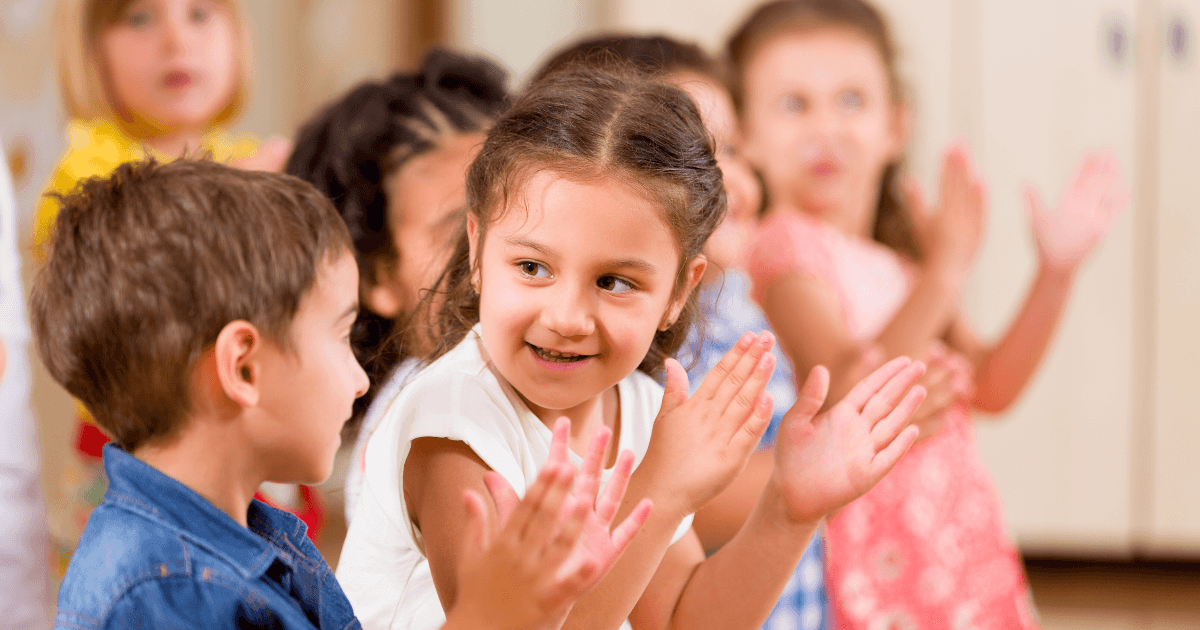
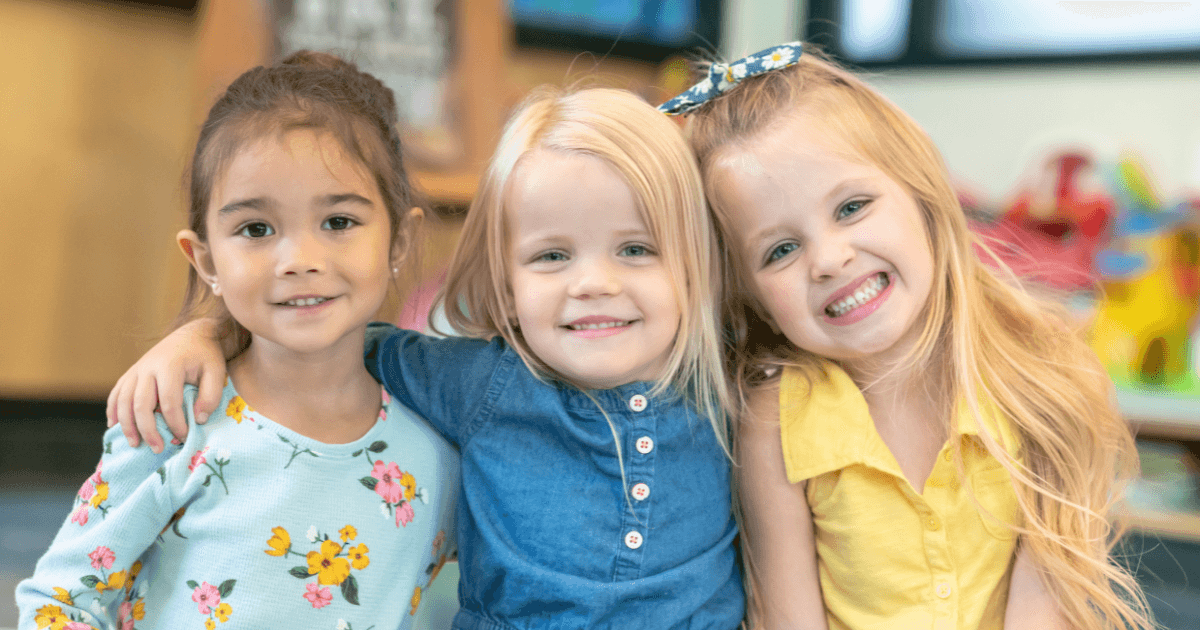
When 4-year-old Mia notices her friend looking sad after dropping his ice cream cone, she walks over, puts her arm around him, and offers to share hers. This simple yet profound moment showcases emotional intelligence in action—a set of skills that research increasingly shows may be more important for lifelong success and happiness than traditional academic abilities.
Emotional intelligence (EI)—the ability to recognize, understand, express, and regulate emotions in ourselves and others—develops rapidly during the preschool years. As parents and educators, understanding this development and knowing how to support it can have lasting impacts on children’s social relationships, academic success, and mental health.
“The preschool years represent a critical window for emotional development,” explains Dr. Sarah Johnson, child psychologist and author. “During this time, children’s brains are particularly receptive to learning emotional skills that will serve as a foundation for future relationships and resilience.”
Let’s explore the fascinating milestones of emotional intelligence in preschoolers and discover practical strategies to support this crucial aspect of development.
Emotional Intelligence Milestones by Age
Emotional intelligence develops in predictable patterns, though individual children may progress at different rates. Understanding these age-related milestones can help you recognize and support your child’s emotional growth.
3-Year-Olds: Emerging Emotional Awareness
According to WebMD, by age 3, children are beginning to:
- Identify basic emotions: They can recognize and name simple emotions like happy, sad, angry, and scared in themselves and others.
- Express a wider range of feelings: While they have little control over emotions, they’re beginning to express them more clearly.
- Show early signs of empathy: They may show concern when someone is hurt or upset.
- Engage in pretend play: Imaginative play becomes more elaborate, allowing children to explore different emotional scenarios.
- Develop fears: Many 3-year-olds develop specific fears (like monsters) as their imagination grows.
- Begin interactive play: Though still engaged in parallel play (playing alongside rather than with others), they start showing interest in peers.
However, 3-year-olds still face significant emotional challenges:
- They often act impulsively on their feelings
- They struggle with waiting and delayed gratification
- They may use physical actions rather than words to resolve conflicts
- They have difficulty understanding others’ perspectives
4-Year-Olds: Growing Emotional Vocabulary and Control
By age 4, children typically show significant progress in emotional intelligence:
- Expanded emotional vocabulary: They can identify and name more complex emotions beyond the basics.
- Developing sense of humor: They enjoy making others laugh and understand simple jokes.
- Stronger empathy: They recognize that others have feelings and may comfort friends who are upset.
- More cooperative play: They engage in interactive play with peers, though sharing can still be challenging.
- Beginning to regulate emotions: They start developing strategies to manage their feelings, though still need significant support.
- More elaborate pretend play: Fantasy play becomes more complex and social, often involving role-playing.
According to Help Me Grow Minnesota, 4-year-olds typically:
- Prefer playing with other children rather than alone
- Express likes and dislikes more clearly
- Negotiate solutions to conflicts (with support)
- Become more creative in make-believe play
5-Year-Olds: Developing Social Emotional Competence
By age 5, children’s emotional intelligence becomes more sophisticated:
- Better emotional regulation: They can increasingly express feelings verbally rather than through tantrums.
- Improved impulse control: They can wait their turn and ask permission before taking items.
- Enhanced social skills: They want to please friends and agree to rules more easily.
- Understanding of reality vs. fantasy: They can distinguish between real and imaginary.
- More complex emotional understanding: They recognize that people can have different feelings about the same situation.
The American Psychological Association notes that by age 5, children:
- Enjoy playing with other children and often have special friends
- Cooperate well with peers
- Use different strategies to control their emotions
- Understand the difference between doing things “on purpose” and “by accident”
Why Emotional Intelligence Matters
Research consistently shows that emotional intelligence has profound impacts on children’s development and future success:
Academic Benefits
According to NAEYC, children with higher emotional intelligence tend to:
- Pay better attention in school
- Show greater engagement in learning
- Achieve higher grades
- Have better focus and concentration
Research from Save the Children indicates that children participating in social and emotional learning programs see an 11 percentile point increase in academic performance compared to those who do not.
Social Benefits
Children with strong emotional intelligence skills:
- Form friendships more easily
- Resolve conflicts more effectively
- Show greater empathy toward others
- Experience fewer behavior problems
- Demonstrate better teamwork and collaboration
Long-term Benefits
The benefits of emotional intelligence extend well into adulthood:
- Better mental health and emotional well-being
- Stronger relationships
- Greater resilience in facing challenges
- Improved career success (90% of top performers in workplaces have high emotional intelligence)
- Enhanced leadership abilities
Supporting Emotional Intelligence Development
Parents and educators play crucial roles in nurturing emotional intelligence. Here are evidence-based strategies to support preschoolers’ emotional growth:
1. Build Emotional Vocabulary
Children need words to express what they’re feeling. The more precisely they can name emotions, the better they can understand and manage them.
Practical strategies:
- Label emotions: “You seem frustrated that your block tower fell down.”
- Read books about feelings: Choose stories that explore different emotions and discuss how characters feel.
- Use a feelings chart: Visual representations help children connect words with emotional expressions.
- Play emotion charades: Take turns acting out different feelings for others to guess.
According to TeachKloud, “Children who can accurately identify and express their emotions are better equipped to regulate them and respond appropriately in social situations.”
2. Model Emotional Intelligence
Children learn by watching the adults in their lives. When you demonstrate healthy emotional awareness and regulation, you provide powerful learning opportunities.
Practical strategies:
- Name your own feelings: “I’m feeling disappointed that our picnic got rained out, but I’m excited we can bake cookies instead.”
- Show appropriate expression: Demonstrate healthy ways to express emotions, including difficult ones.
- Think aloud: “I’m feeling frustrated right now, so I’m going to take three deep breaths to calm down.”
- Apologize when needed: Show that everyone makes mistakes and can take responsibility for them.
3. Create Opportunities for Emotional Learning
Everyday moments provide natural opportunities to develop emotional intelligence.
Practical strategies:
- Use pretend play: Encourage role-playing scenarios that explore different emotions and social situations.
- Discuss characters’ feelings: When reading books or watching shows, ask questions like “How do you think she feels? Why?”
- Validate all emotions: Help children understand that all feelings are acceptable, while some behaviors may not be.
- Problem-solve together: When conflicts arise, guide children through identifying the problem and finding solutions.
4. Teach Self-Regulation Strategies
Self-regulation—the ability to manage emotions and behavior—is a cornerstone of emotional intelligence. According to Playto, children with strong emotional regulation skills manage feelings effectively, resist impulsive behavior, and navigate social situations more easily.
Practical strategies:
- Breathing techniques: Teach simple breathing exercises like “balloon breathing” (deep breath in, slow breath out).
- Create a calm-down corner: Designate a comfortable space with soothing items like stuffed animals, books, and sensory materials.
- Use visual timers: These help children understand waiting periods and transitions.
- Teach self-talk: Model phrases like “I can handle this” or “I need to take a break.”
5. Foster Empathy and Perspective-Taking
Empathy—understanding and sharing others’ feelings—is a crucial component of emotional intelligence that develops significantly during the preschool years.
Practical strategies:
- Discuss others’ perspectives: “Howdo you think Jamie felt when you took his toy?”
- Encourage helping behaviors: Notice and praise acts of kindness and helpfulness.
- Use real-life situations: When conflicts occur, help children identify how each person feels.
- Play perspective-taking games: “What would you do if you were in this situation?”
6. Implement Specific Activities and Games
Targeted activities can make emotional learning fun and engaging for preschoolers.
Practical strategies:
- Emotion Mirror Game: As suggested by Ahead App, have children make different facial expressions while looking in a mirror, connecting internal feelings with external expressions.
- Body Freeze Dance: Children dance and freeze their bodies to represent different feelings called out when the music stops.
- Feelings Detective: Using picture books, children identify characters’ feelings and connect them to their own experiences.
- Mood Meter: Introduce a simple version of the mood meter described by NAEYC, with quadrants representing different emotional states.
7. Create a Supportive Emotional Environment
The overall emotional climate of home and classroom significantly impacts children’s emotional development.
Practical strategies:
- Establish consistent routines: Predictability helps children feel secure.
- Set clear, age-appropriate expectations: This helps children understand boundaries.
- Respond sensitively to emotions: Avoid dismissing or punishing children for expressing feelings.
- Create opportunities for success: Offer activities that challenge but don’t frustrate.
Common Challenges and Solutions
Even with supportive environments, preschoolers may face challenges in developing emotional intelligence. Here are some common issues and strategies to address them:
Intense Emotional Reactions
Preschoolers often experience big emotions that can overwhelm their developing regulation skills.
Solution: Validate feelings while setting boundaries on behavior. “I understand you’re really angry. It’s okay to feel angry, but it’s not okay to hit. Let’s find another way to show your anger.”
Difficulty Identifying Emotions
Some children struggle to recognize and name their feelings.
Solution: Use visual supports like emotion charts and provide frequent, gentle coaching. “Your face looks like this. Do you feel sad or angry?”
Limited Perspective-Taking
Preschoolers are naturally egocentric and may struggle to understand others’ viewpoints.
Solution: Ask perspective-taking questions and narrate others’ experiences. “Look at Sam’s face. He’s crying because he wanted a turn with the truck.”
Challenges with Waiting and Impulse Control
Patience is difficult for preschoolers whose prefrontal cortex (the brain’s control center) is still developing.
Solution: Use visual timers, provide engaging activities during wait times, and acknowledge the difficulty. “Waiting is hard. Let’s count/sing/play a game while we wait.”
When to Seek Additional Support
While all children develop at their own pace, certain signs might indicate a need for additional support:
- Persistent difficulty managing emotions that interferes with daily functioning
- Limited or absent expression of empathy by age 4-5
- Inability to engage in reciprocal social interactions by age 4
- Extreme reactions to minor frustrations that don’t improve with consistent support
- Significant regression in emotional skills previously mastered
If you notice these signs, consider consulting with your child’s pediatrician or a child development specialist. Early intervention can provide valuable support for both children and families.
The Role of Technology in Emotional Learning
While face-to-face interactions remain the gold standard for emotional development, certain digital tools can supplement learning:
- Quality apps: Programs like Daniel Tiger’s Grr-ific Feelings help children identify and express emotions.
- Video modeling: Short videos demonstrating emotional skills can be effective teaching tools.
- Virtual social stories: These can help children understand social situations and appropriate responses.
However, it’s important to:
- Limit screen time according to AAP guidelines (no more than 1 hour daily for preschoolers)
- Co-view and discuss content
- Balance technology with plenty of real-world social interactions
Conclusion: Investing in Lifelong Skills
Supporting emotional intelligence during the preschool years is one of the most valuable investments we can make in children’s future success and happiness. As Kids First Services reports, children with high emotional intelligence demonstrate improved social skills, better problem-solving abilities, and greater resilience in facing challenges.
By understanding developmental milestones and implementing supportive strategies, parents and educators can help preschoolers build a strong foundation of emotional intelligence that will serve them throughout life. Remember that emotional skills develop gradually and require patience, consistency, and plenty of practice.
The good news is that many of the most effective approaches—reading together, engaging in pretend play, having conversations about feelings, and modeling healthy emotional expression—are natural, enjoyable parts of interacting with preschoolers. By intentionally focusing on these activities, you’re not just raising emotionally intelligent children; you’re strengthening your relationship with them in meaningful ways.
As you support your preschooler’s emotional journey, celebrate progress rather than perfection. Each time a child names a feeling, shows empathy, or finds a constructive way to handle frustration, they’re building neural pathways that will serve them for a lifetime.
What strategies have you found effective in supporting your preschooler’s emotional intelligence? Share your experiences in the comments below!