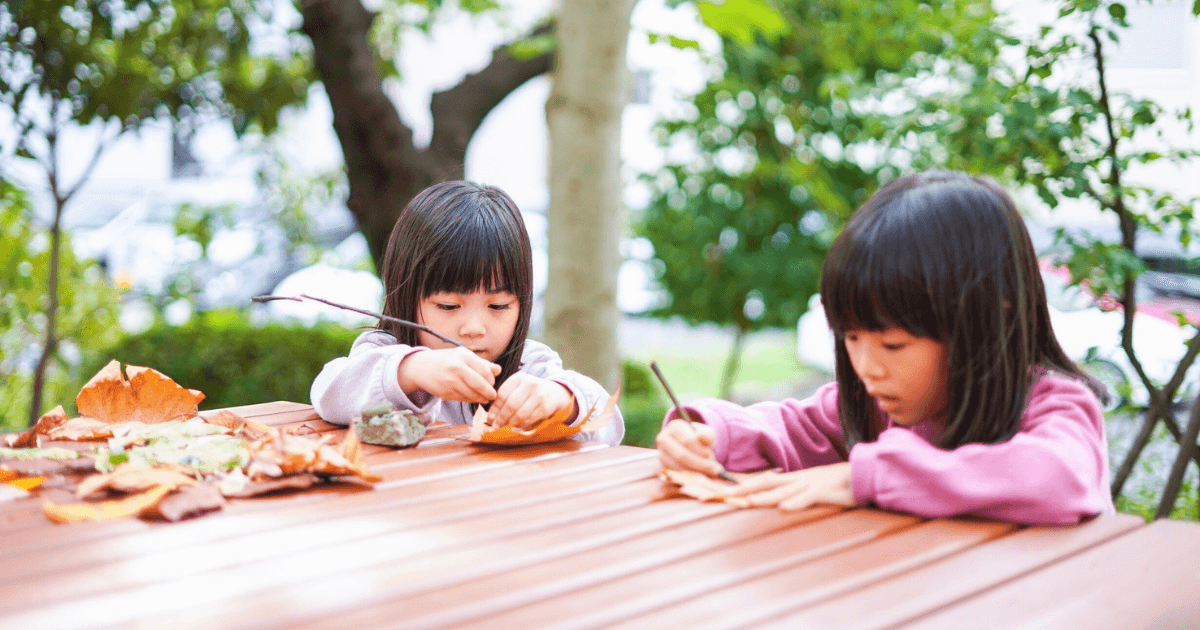
Holidays Around the World: December Celebrations Across Cultures
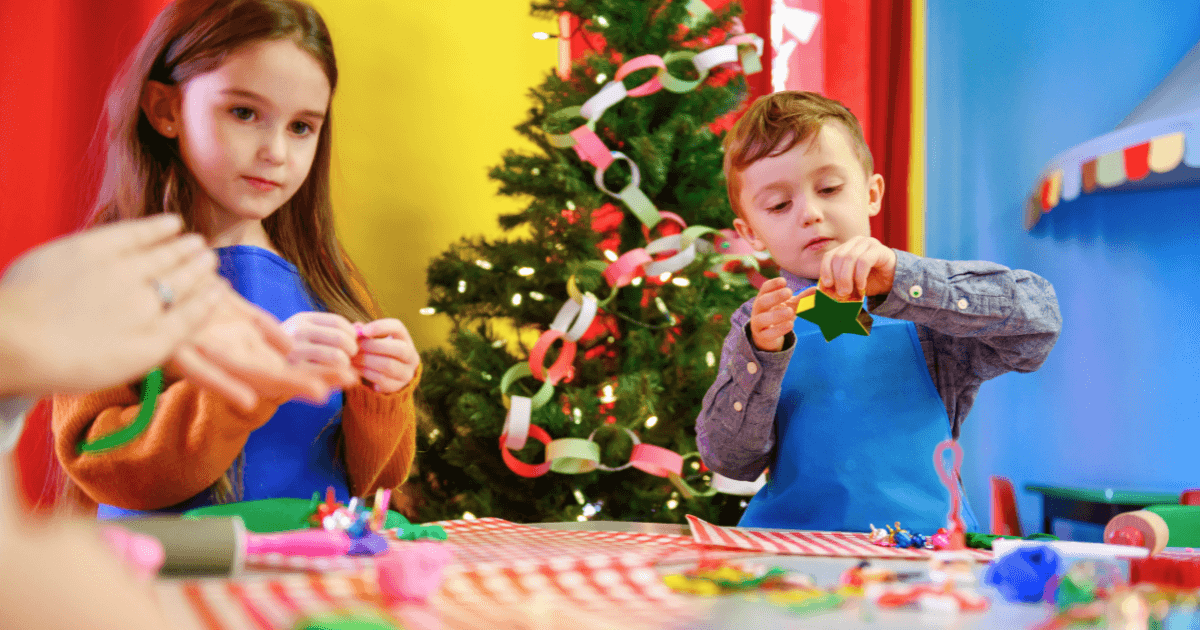
December transforms the world into a tapestry of celebrations, lights, and traditions that span cultures, religions, and regions. As educators and parents, introducing children to this rich diversity offers a remarkable opportunity to foster cultural understanding, empathy, and global awareness.
According to the National Education Association, teaching about diverse holiday traditions “helps students develop respect for differences while recognizing our shared humanity.” This multicultural approach creates a more inclusive learning environment while expanding children’s worldview beyond their own experiences.
In this post, we’ll explore December celebrations from around the world, their historical and cultural significance, and ways to meaningfully incorporate these traditions into educational settings.
The Educational Value of Exploring Global Celebrations
Before diving into specific holidays, let’s consider why teaching about diverse celebrations matters:
Cultural Competence
Understanding different cultural traditions helps children develop respect for diversity and recognize multiple perspectives—essential skills in our interconnected world.
Historical Context
Holiday traditions offer windows into historical events, religious developments, and cultural evolution across civilizations.
Common Themes
Despite their differences, many December celebrations share themes of light, family, generosity, and renewal—highlighting our common humanity.
Critical Thinking
Comparing and contrasting traditions encourages analytical thinking and helps children recognize patterns across cultures.
Inclusive Community
Acknowledging diverse celebrations creates a more welcoming environment for all children, regardless of their cultural background.
Now, let’s explore some of the major December celebrations observed around the world.
Hanukkah: The Festival of Lights
Dates for 2025: December 15-23
Historical and Cultural Significance: Hanukkah (also spelled Chanukah) is an eight-day Jewish celebration commemorating the rededication of the Second Temple in Jerusalem during the second century BCE. After the Maccabees successfully rebelled against their oppressors, they found only enough oil to light the temple’s menorah for one day, yet miraculously, it burned for eight days.
Key Traditions
- Lighting the Menorah: Each night, an additional candle is lit on the nine-branched candelabrum
- Playing Dreidel: A four-sided spinning top game with Hebrew letters
- Traditional Foods: Oil-based foods like latkes (potato pancakes) and sufganiyot (jelly-filled donuts)
- Gift Giving: Small gifts are often exchanged, particularly for children
Educational Approach: When teaching about Hanukkah, focus on its historical significance and the themes of religious freedom, perseverance, and finding light in darkness. As American Board suggests, creating a classroom menorah and discussing its significance can help students understand this important symbol.
Christmas: Diverse Celebrations Around the World
Date: December 25
Historical and Cultural Significance: Christmas celebrates the birth of Jesus Christ in Christian traditions, though many of its customs have evolved to include both religious and secular elements. What’s particularly fascinating is how Christmas has been adapted across different cultures, incorporating local traditions and customs.
Regional Christmas Traditions
- Philippines: Parol Lantern Festival — Colorful star-shaped lanterns symbolizing the Star of Bethlehem illuminate cities and villages
- Sweden: St. Lucia Day — On December 13, girls wear white dresses with red sashes and candle-adorned wreaths, serving as “bearers of light”
- Mexico: Las Posadas — A nine-night celebration reenacting Mary and Joseph’s search for lodging
- Ethiopia: Ganna — Celebrated on January 7 according to the Ethiopian Orthodox calendar, featuring traditional games and processional circles around churches
- Germany: Advent Calendars and Christmas Markets — Counting down to Christmas with special calendars and outdoor markets featuring crafts and foods
Educational Approach: When exploring Christmas traditions, emphasize its diverse expressions across cultures rather than assuming a universal experience. Create a “Christmas Around the World” map highlighting unique customs from different countries and discuss how geography, history, and local culture have influenced these traditions.
Kwanzaa: Celebrating African Heritage
Dates: December 26-January 1
Historical and Cultural Significance: Created in 1966 by Dr. Maulana Karenga, Kwanzaa is a week-long celebration honoring African heritage in African-American culture. The holiday’s name comes from the Swahili phrase “matunda ya kwanza,” meaning “first fruits.”
Key Traditions
- Seven Principles (Nguzo Saba): Each day focuses on one principle: unity, self-determination, collective work and responsibility, cooperative economics, purpose, creativity, and faith
- Kinara: A candle holder with seven candles (three red, three green, one black)
- Karamu: A feast held on December 31
- Symbols: Including crops, a mat, corn, gifts, and a unity cup
Educational Approach: When teaching about Kwanzaa, focus on its seven principles and their relevance to community building and personal development. As Teacher Noire suggests, exploring these principles through storytelling or presentations helps students understand the values at the heart of this celebration.
Diwali: The Festival of Lights
While Diwali typically falls in October or November depending on the lunar calendar, some celebrations extend into early December in certain years.
Historical and Cultural Significance: Diwali is celebrated by millions of Hindus, Sikhs, and Jains worldwide. For Hindus, it often commemorates Lord Rama’s return to Ayodhya after defeating the demon king Ravana, symbolizing the victory of light over darkness and good over evil.
Key Traditions
- Lighting Diyas: Small oil lamps placed around homes
- Rangoli: Colorful floor designs made from colored powders
- Fireworks and Festivities: Celebrating with family gatherings and community events
- New Beginnings: Cleaning homes and starting fresh ventures
Educational Approach:
When teaching about Diwali, emphasize the universal theme of light triumphing over darkness. Creating simple diya lamps from clay or paper and discussing the symbolism of light across different cultural traditions can help children make meaningful connections.
Winter Solstice Celebrations
Date for 2025: December 21
Historical and Cultural Significance: The winter solstice—the shortest day and longest night of the year in the Northern Hemisphere—has inspired celebrations across cultures for thousands of years. Many winter holidays have roots in ancient solstice observances, which often focused on the return of light and the renewal of life.
Cultural Expressions
- Dongzhi Festival (China): Celebrating the return of longer days with family reunions and tangyuan (sweet rice balls)
- Shab-e Yalda (Iran): The “night of birth” marked by gathering with family, reading poetry, and eating pomegranates and watermelon
- Soyal (Hopi): Ceremonies and dances to help bring the sun back from its winter slumber
- Toji (Japan): Taking yuzu baths and eating kabocha squash to welcome the return of light
Educational Approach: The winter solstice offers an excellent opportunity to integrate science with cultural studies. Have students track daylight hours leading up to the solstice, explore how ancient peoples observed astronomical events, and discuss why light became such an important symbol across winter celebrations.
Las Posadas: A Journey of Faith
Dates: December 16-24
Historical and Cultural Significance: Las Posadas, celebrated throughout Mexico and parts of Central America, commemorates Mary and Joseph’s journey to Bethlehem and their search for lodging before the birth of Jesus. The nine-night celebration represents the nine months of Mary’s pregnancy.
Key Traditions
- Processions: Participants travel from house to house, singing and carrying candles
- Piñatas: Star-shaped piñatas with seven points representing the seven deadly sins
- Traditional Foods: Including tamales, atole (a warm corn drink), and buñuelos (fried pastries)
- Community Gathering: Emphasizing hospitality and welcome
Educational Approach: Las Posadas offers lessons about hospitality and community. Creating a simplified procession where students take turns “seeking shelter” helps them understand the emotional journey at the heart of this tradition, as suggested by cultural education resources from ChildCareEd.
St. Lucia Day: A Festival of Light
Date: December 13
Historical and Cultural Significance: Celebrated primarily in Sweden and Norway, St. Lucia Day honors a3rd-century saint who, according to legend, brought food to Christians hiding in Roman catacombs, wearing a candle-lit wreath on her head to light her way.
Key Traditions
- Lucia Processions: Girls dressed in white with red sashes and candle wreaths
- Star Boys: Boys participating in processions wearing cone-shaped hats decorated with stars
- Lussekatter: Saffron buns shaped like curled cats with raisin eyes
- Songs and Ceremonies: Including the traditional Lucia song
Educational Approach: St. Lucia Day beautifully illustrates how pre-Christian traditions (celebrating light during the darkest time of year) merged with Christian observances. Having students create simple Lucia crowns and learning about the significance of light during the dark Scandinavian winter helps them understand this unique celebration.
Incorporating Global Holiday Traditions in Educational Settings
Now that we’ve explored several December celebrations, let’s consider effective ways to incorporate these traditions into learning environments:
1. Create a Global Holiday Calendar
Develop a December calendar highlighting different celebrations around the world. Each day, introduce a new holiday fact, symbol, or tradition. This approach, recommended by Get A Pep Talk, helps children understand the diversity of celebrations throughout the month.
2. Explore Through Literature
Children’s books offer accessible windows into different cultural celebrations. Create a holiday reading corner with books representing diverse traditions and read them aloud throughout December.
Recommended titles:
- “Celebrations Around the World” by Katy Halford
- “The Story of Hanukkah” by David A. Adler
- “Seven Spools of Thread: A Kwanzaa Story” by Angela Shelf Medearis
- “Too Many Tamales” by Gary Soto
- “Lucia Morning in Sweden” by Ewa Rydåker
3. Hands-On Learning Stations
Create learning stations focused on different holiday traditions, where children can engage with symbols, crafts, music, and stories from each celebration. Rotate through the stations throughout December to provide in-depth exploration of each tradition.
4. Invite Community Speakers
Invite family or community members to share their holiday traditions firsthand. Personal stories and experiences create memorable learning opportunities and authentic cultural connections.
5. Focus on Common Themes
Help children identify common themes across different celebrations—light, family, giving, food, music—to recognize our shared humanity despite cultural differences. Create a classroom chart comparing these elements across traditions.
6. Culinary Exploration
Food offers a delicious way to explore cultural traditions. When appropriate and considering dietary restrictions, incorporate simple holiday foods or cooking activities. Even if actual cooking isn’t possible, pictures, descriptions, and discussions about traditional foods can enhance understanding.
7. Holiday Showcase
Organize a holiday showcase where students present what they’ve learned about different celebrations through displays, performances, or presentations. This approach, suggested by Diversity Resources, allows children to take ownership of their cultural learning.
Addressing Potential Challenges
When teaching about diverse holiday traditions, educators may encounter some challenges:
Religious vs. Cultural Approach
Focus on the cultural and historical aspects of religious holidays rather than promoting any particular faith. Emphasize learning about traditions rather than participating in religious observances.
Inclusive Language
Use inclusive language like “winter celebrations” or “December traditions” rather than assuming all children celebrate Christmas or any particular holiday.
Family Communication
Communicate with families about your educational approach to holiday traditions and invite their input or participation. This creates transparency and builds trust.
Balance and Representation
Ensure you’re giving appropriate attention to different celebrations rather than focusing predominantly on more familiar traditions. Research thoroughly to represent each tradition accurately and respectfully.
Beyond December: Year-Round Cultural Education
While December offers a rich opportunity for cultural education, authentic multicultural learning should extend throughout the year. Consider:
- Exploring cultural celebrations in other months (Lunar New Year, Diwali, Eid al-Fitr)
- Incorporating diverse perspectives in everyday curriculum
- Developing ongoing partnerships with cultural organizations
- Creating a classroom environment that reflects global diversity year-round
Conclusion: Celebrating Our Diverse World
December’s tapestry of celebrations offers a unique opportunity to help children develop appreciation for cultural diversity while recognizing our common humanity. By exploring these rich traditions together, we prepare children to navigate and contribute positively to our interconnected world.
As educators and parents, we can transform holiday excitement into meaningful learning experiences that foster cultural understanding, critical thinking, and global citizenship. Through stories, symbols, foods, and traditions, we help children see beyond their own experiences to appreciate the beautiful diversity of human celebration.
In the words of anthropologist Wade Davis, “The world in which you were born is just one model of reality. Other cultures are not failed attempts at being you; they are unique manifestations of the human spirit.” December’s global celebrations beautifully illustrate this truth, offering windows into the many ways humans find meaning, community, and joy during the darkest time of year.
What December celebrations are important in your family or community? How do you share diverse cultural traditions with children? Share your experiences in the comments below!