Cultural Celebrations in Preschool: Authentic Ways to Honor Diversity
In a preschool classroom in Minneapolis, four-year-old Aisha excitedly shows her classmates how to wear a headscarf like her mother. Across the room, Miguel and his teacher add ingredients to make tortillas using his grandmother’s recipe. Meanwhile, a small group gathers around Ms. Chen as she demonstrates Chinese calligraphy with special brushes brought in by Lin’s family.
This isn’t a special multicultural day—it’s simply Tuesday in a classroom where cultural diversity is woven into the fabric of everyday learning and celebration.
Creating truly authentic cultural experiences in early childhood settings requires moving beyond the “tourist approach” of occasional celebrations with paper dragons and taco parties. Instead, it means developing a deep, ongoing commitment to honoring the lived experiences of all children and families in your classroom community.
Why Cultural Celebrations Matter in Early Childhood
Before exploring specific approaches, let’s understand why cultural celebrations and diversity education are particularly crucial during the preschool years:
Developing Cultural Identity and Self-Esteem
Young children are actively forming their identities, including their cultural identity. When children see their family traditions and cultural practices valued in the classroom, it strengthens their sense of belonging and self-worth.
According to The Launch Pad School, “Cultural celebrations in preschool help children develop empathy, respect, and understanding of diverse cultures.” For children from non-dominant cultures, this recognition is particularly important for developing positive self-identity.
Reducing Bias Formation
Research shows that children begin noticing racial and cultural differences as early as age two, and by age four, they may already be internalizing biases. The Launch Pad School notes that “early exposure to different customs reduces biases in young children.” Thoughtful cultural education can interrupt this bias formation during this critical developmental window.
Building Foundations for Global Citizenship
Today’s preschoolers will live and work in an increasingly interconnected world. As 2 For U Childcare explains, “Learning about different holidays helps children understand diverse expressions of love, gratitude, and belonging.” These early experiences lay groundwork for the intercultural competence they’ll need throughout life.
Enhancing Cognitive Development
Exposure to multiple perspectives and ways of doing things actually enhances cognitive flexibility and creative thinking. When children learn that there are many ways to celebrate, eat, dress, and express ideas, they develop more adaptable thinking patterns.
Moving Beyond the “Tourist Approach”
One of the most common pitfalls in multicultural education is what experts call the “tourist approach”—brief visits to other cultures through occasional celebrations that often rely on stereotypes and superficial activities.
Lillio describes this problem: “The ‘tourist approach’ refers to teaching cultural diversity primarily during holidays or special events, providing only a brief glimpse into the true nature and traditions of a culture.”
To move beyond this surface-level approach, consider these guiding principles:
Authenticity Through Relationship
Authentic cultural celebrations emerge from genuine relationships with children, families, and communities. Rather than researching a culture online and creating activities based on general information, start by learning from the families in your classroom and community.
Implementation strategy: Create “Family Tradition” interviews where families can share meaningful celebrations, foods, songs, and customs from their cultural background. Use these insights as the foundation for classroom experiences.
Integration Rather Than Isolation
Rather than relegating cultural learning to specific days or months, integrate diverse perspectives throughout your curriculum and environment year-round.
Implementation strategy: TeachHub suggests “integrating cultural diversity into all subjects can help students see the relevance of different cultures in various contexts, including math and science.” For example, counting can incorporate number words from languages represented in your classroom, and science explorations can examine how different cultures use plants for food and medicine.
Emphasis on Lived Experience
Focus on how real people actually live and celebrate rather than stereotypical representations. This means acknowledging diversity within cultures as well as between them.
Implementation strategy: When exploring cultural celebrations, include photos of real people and contemporary practices alongside traditional elements. For example, when learning about Lunar New Year, show both traditional village celebrations and how urban families in modern Asian cities celebrate today.
Reflection and Responsiveness
Regularly evaluate your approaches to ensure they remain respectful, accurate, and meaningful. Be open to feedback and willing to adjust practices that may unintentionally perpetuate stereotypes.
Implementation strategy: Create a diverse advisory group of families and community members who can provide feedback on your cultural celebration plans and approaches.
Family Engagement: The Heart of Authentic Celebration
The most powerful cultural celebrations in preschool emerge from meaningful family partnerships. Here’s how to engage families authentically:
Creating Welcoming Invitation
Invite family participation in ways that honor their expertise and make sharing comfortable:
- Offer multiple ways to contribute (in-person visits, recorded videos, shared artifacts, written stories)
- Provide clear information about how their cultural sharing will be used
- Acknowledge the vulnerability of sharing one’s culture and express genuine appreciation
Implementation tip: Butler Diaries suggests “involving families in cultural celebrations by sharing traditions and contributing to classroom displays.” Create a simple form that families can use to share information about meaningful celebrations, with options for how they’d like to participate.
Facilitating Meaningful Sharing
Support families in sharing their traditions in age-appropriate, engaging ways:
- Offer suggestions for activities that work well with preschoolers
- Provide translation services when needed
- Co-plan celebrations with family members rather than expecting them to lead independently
- Follow up with documentation that shows how their contribution impacted children’s learning
Implementation example: When celebrating Diwali, Ms. Patel (Arjun’s mother) first shared photos of her family’s celebration and brought in a smalldiya (oil lamp) to show the children. The teacher then worked with her to plan a simple rangoli art activity using colored rice, which Ms. Patel helped facilitate during center time.
Expanding Beyond Represented Cultures
While starting with classroom families’ cultures is essential, also introduce children to cultures not represented in your immediate community:
- Partner with cultural organizations in your broader community
- Connect with diverse classrooms in other locations through virtual exchanges
- Thoughtfully select authentic books and resources about various cultures
Implementation tip: 2 For U Childcare recommends that “educators should focus on meaning rather than material aspects of holidays, emphasizing values, history, and connection.” This approach helps children connect to the universal human elements in diverse celebrations.
Age-Appropriate Approaches for Preschoolers
Cultural celebrations should be developmentally appropriate, building on preschoolers’ natural curiosity and concrete thinking:
Sensory Explorations
Engage children’s senses in cultural learning:
- Food experiences (cooking, tasting, comparing)
- Music and movement from diverse traditions
- Tactile explorations of cultural artifacts and materials
- Visual arts inspired by cultural traditions
Implementation example: During Lunar New Year celebrations, children experienced the holiday through multiple senses—tasting traditional foods, moving like dragons in dance, listening to traditional music, and creating lanterns with red and gold paper.
Story and Language Connections
Use stories to make cultural practices meaningful:
- Share both traditional folktales and contemporary stories from diverse cultures
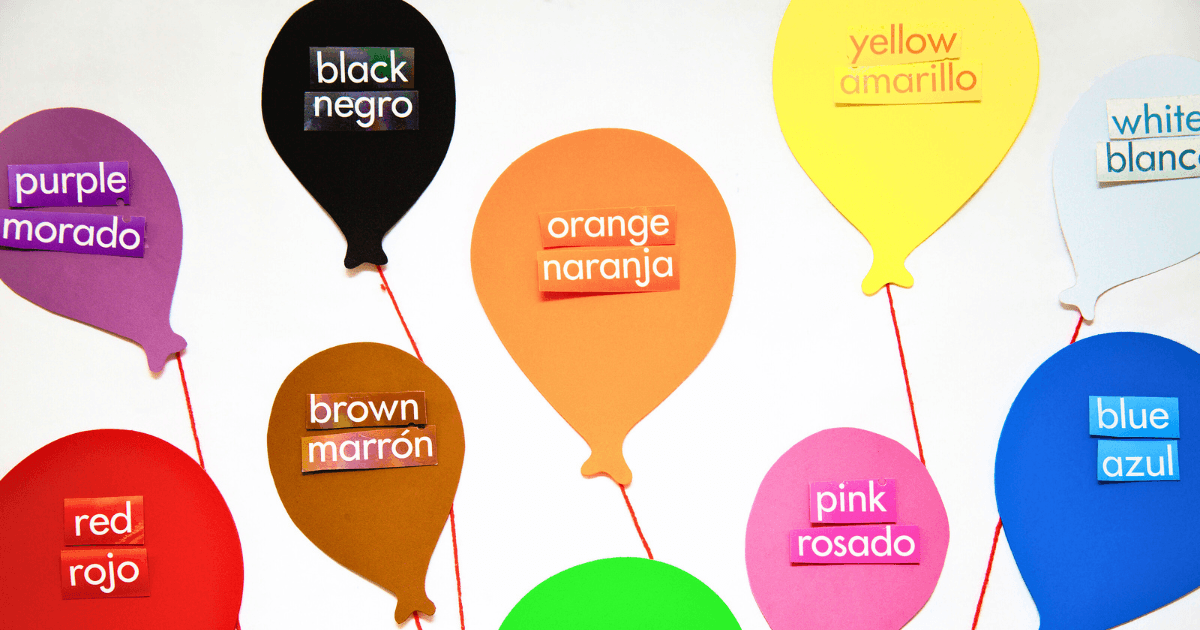
- Introduce simple words and phrases from languages represented in your classroom
- Create story baskets with objects related to cultural celebrations
- Encourage dramatic play based on cultural stories and celebrations
Implementation tip: The Launch Pad School recommends books like “All Are Welcome” by Alexandra Penfold and “The Name Jar” by Yangsook Choi for teaching diversity. Create a diverse classroom library that includes both celebration-specific books and everyday stories featuring diverse characters.
Concrete Comparisons
Help children understand cultural similarities and differences:
- Compare how different families celebrate similar occasions (birthdays, new years, harvests)
- Create simple Venn diagrams showing similarities and differences
- Use photos and real objects rather than abstract discussions
- Focus on the “how” and “what” rather than the “why” of cultural practices
Implementation strategy: Lillio suggests “discussing and comparing cultural traditions among children to highlight similarities and differences in celebrations.” Create a simple picture chart comparing how different families represented in your classroom celebrate important milestones.
Cultural Celebrations Throughout the Year
While many classrooms focus on major holidays, authentic cultural celebration extends throughout the calendar. Consider these approaches for year-round integration:
Seasonal Celebrations
Explore how different cultures mark seasonal changes:
- Harvest celebrations from around the world
- Winter festivals focusing on light
- Spring renewal traditions
- Summer solstice observances
Implementation strategy: Create a classroom seasons celebration wheel that incorporates diverse cultural responses to seasonal changes, adding new celebrations as children learn about them throughout the year.
Life Milestone Celebrations
Honor how different cultures celebrate important life events:
- Birth and naming traditions
- Birthday celebrations
- Coming-of-age rituals
- Family celebrations
Implementation example: Create a birthday celebration menu where children can choose elements from different cultural traditions to incorporate into their classroom birthday celebration.
Community Contribution Celebrations
Focus on how different cultures honor community and contribution:
- Gratitude and thanksgiving traditions
- Community service practices
- Environmental stewardship approaches
- Helper and hero recognition
Implementation tip: Butler Diaries notes that “NAIDOC Week runs from 6 to 13 July, celebrating Aboriginal and Torres Strait Islander history, culture, and achievements.” Use this and similar observances to highlight contributions of diverse cultural groups.
Creating a Culturally Responsive Environment
Authentic cultural celebration extends beyond activities to the classroom environment itself:
Diverse Visual Representation
Ensure your classroom visually reflects diverse cultures:
- Images of diverse children and families in everyday situations
- Artwork from various cultural traditions
- Maps and global images
- Labels and environmental print in multiple languages
Implementation tip: Audit your classroom visuals to ensure they represent diverse races, family structures, abilities, and cultural practices. Aim for both mirrors (where children see themselves reflected) and windows (where they see others different from themselves).
Culturally Diverse Materials
Incorporate materials that reflect various cultural traditions:
- Musical instruments from around the world
- Cooking tools and eating utensils from different cultures
- Dress-up clothes representing diverse cultural dress
- Art materials and techniques from various traditions
Implementation strategy: Lillio recommends “ensuring toys, books, and materials represent a wide range of ethnicities for incorporation into daily play and curriculum activities.” Create a materials audit checklist to evaluate the cultural diversity of your classroom supplies.
Inclusive Language Practices
Use language that recognizes and values diversity:
- Learn and correctly pronounce children’s names
- Incorporate key words from children’s home languages
- Use inclusive terms for families and relationships
- Frame differences as interesting rather than exotic
Implementation tip: TeachHub notes that “using inclusive language in the classroom fosters a sense of belonging for all students and reflects diverse family structures and experiences.” Create a classroom language guide that includes important words and phrases from languages spoken by families in your program.
Addressing Common Challenges
Implementing authentic cultural celebrations often comes with challenges. Here are strategies for addressing common concerns:
“We Don’t Have Much Diversity in Our Program”
Even in seemingly homogeneous communities, diversity exists in family structures, traditions, religions, and backgrounds. Additionally, children need to learn about cultures beyond their immediate community.
Solution strategy: Start with the diversity that does exist in your program, however subtle. Then partner with cultural organizations, diverse schools in other areas, or community members to expand children’s exposure.
“Parents Aren’t Comfortable Sharing”
Some families may be hesitant to share their cultural traditions due to past experiences of discrimination or simply being private people.
Solution strategy: Build trust gradually through consistent respect and interest. Offer various levels of involvement, from simply providing a recipe to visiting the classroom. Never pressure families to be cultural ambassadors.
“We’re Worried About Getting It Wrong”
Educators often fear making mistakes when representing cultures different from their own.
Solution strategy: Approach cultural learning with humility and a willingness to learn. Do research from authentic sources, seek guidance from cultural insiders, and be open to correction. Model for children how to learn from mistakes respectfully.
“We Don’t Want to Exclude Children from Certain Activities”
Concerns about religious restrictions or family preferences sometimes make educators hesitant about cultural celebrations.
Solution strategy: Focus on educational rather than religious aspects of celebrations, communicate clearly with families about planned activities, and always provide alternatives for children who cannot participate in certain experiences.
Success Story: Evolution of Cultural Celebration
At Sunshine Preschool, director Maria Rodriguez noticed that their approach to cultural diversity had fallen into predictable patterns—Chinese New Year in February, Cinco de Mayo in May, and a generic “winter holidays” celebration in December.
“We realized we were doing the’tourist approach’ without meaning to,” Maria explains. “We were visiting cultures briefly without really honoring the lived experiences of our families.”
The teaching team decided to transform their approach:
- They began with a family survey about meaningful traditions and celebrations
- They created a diverse parent advisory group to provide guidance
- They integrated cultural elements throughout their environment and daily routines
- They developed celebration practices that emphasized authentic sharing rather than teacher-created activities
The results were transformative. “Now our celebrations emerge organically from our community,” Maria shares. “Last month, Eliza’s grandmother taught us about making challah bread for Shabbat, which led to a wonderful exploration of bread-making traditions from different cultures represented in our classroom. The children noticed similarities and differences themselves, making connections we never would have planned in our old approach.”
Final Thoughts: Celebration as Connection
Authentic cultural celebration in preschool isn’t primarily about teaching facts or creating Pinterest-worthy multicultural crafts. At its heart, it’s about connection—connecting children to their own cultural heritage, to their classmates’ diverse traditions, and to the broader human experience that transcends cultural differences.
When we approach cultural celebrations with genuine curiosity, respect, and relationship, we create spaces where all children feel valued and where diversity is truly honored rather than merely observed. These early experiences lay the foundation for children to become adults who navigate our diverse world with empathy, understanding, and appreciation.
As 2 For U Childcare beautifully expresses, through thoughtful cultural celebrations, children learn to understand “diverse expressions of love, gratitude, and belonging”—perhaps the most important lesson of all.
What meaningful cultural celebrations have you experienced in your early childhood setting? Share your stories in the comments below!