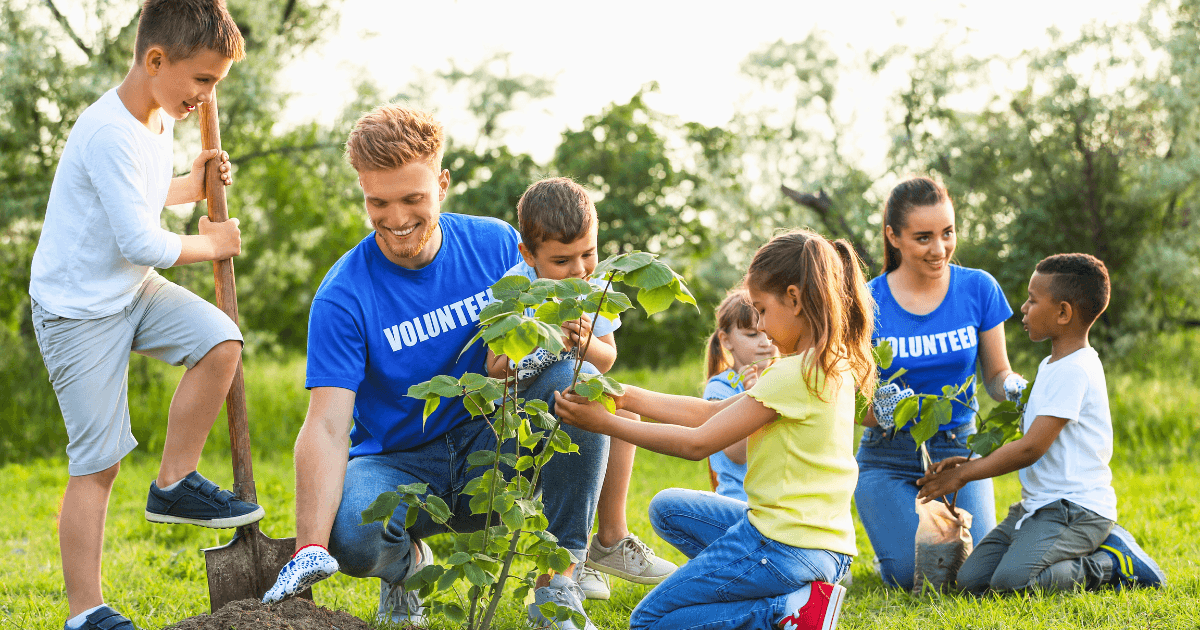
Community Gardens: Joining or Starting One with Your Preschool
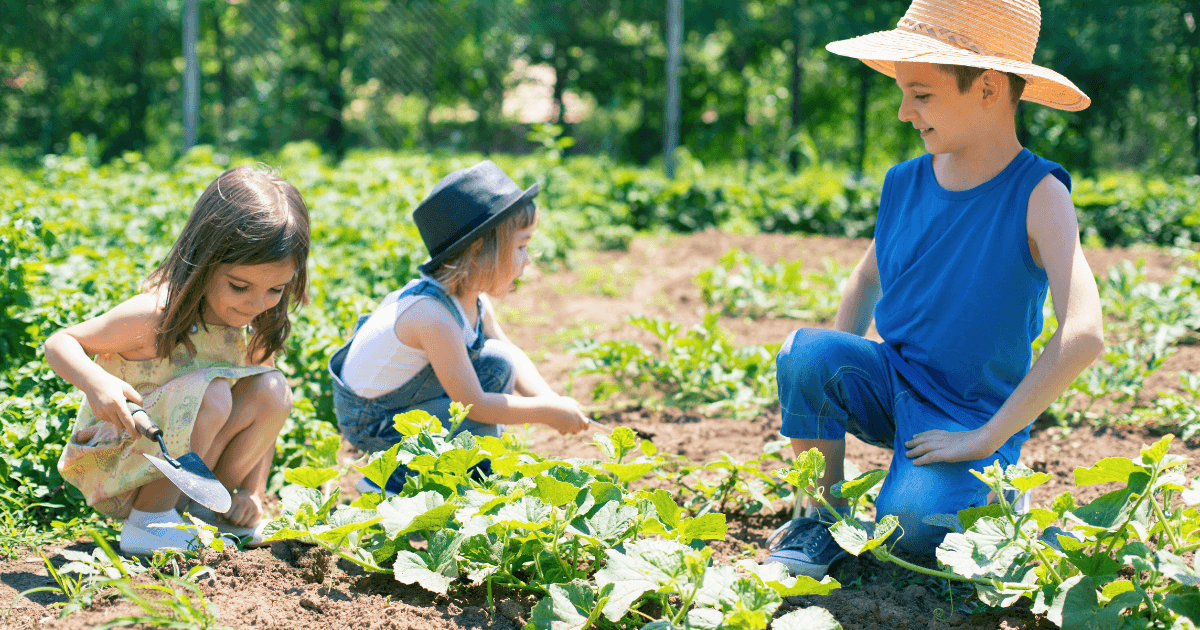
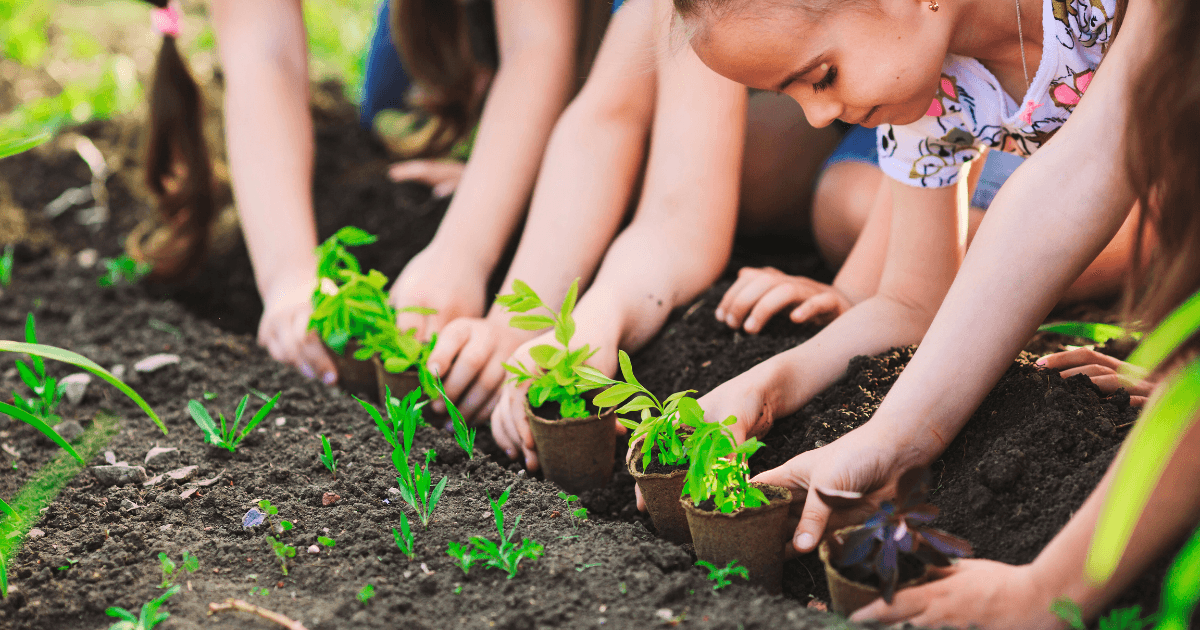
“Miss Sarah, look! I found a worm!” four-year-old Aiden exclaims, carefully cradling the wiggling creature in his soil-covered hands. Around him, a group of preschoolers eagerly dig, water, and examine the growing plants in their community garden plot. Their teacher smiles, recognizing that this simple moment contains powerful learning about biology, responsibility, and connection to the natural world.
Community gardens offer extraordinary opportunities for young children to engage with nature, food systems, and their broader community. According to research, gardening helps preschoolers develop fine motor control, engage larger muscles, and learn concepts like color recognition and plant life cycles. Beyond these developmental benefits, community gardens strengthen relationships and foster a sense of belonging among families.
Whether you’re considering joining an existing community garden or starting one from scratch, here’s how to create a successful gardening experience for your preschoolers.
The Benefits of Community Gardens for Preschoolers
Before diving into the “how,” let’s explore the compelling “why” behind community gardening with young children:
Physical Development
Gardening provides a natural context for developing important physical skills:
- Fine motor skills: Planting seeds, pulling weeds, and harvesting vegetables require precise finger and hand movements
- Gross motor development: Digging, carrying watering cans, and pushing wheelbarrows build strength and coordination
- Sensory exploration: Gardens engage all senses through touching soil, smelling flowers, seeing colorful produce, and tasting fresh vegetables
Cognitive Growth
The garden serves as a living laboratory for early learning:
- Scientific concepts: Children observe plant life cycles, weather patterns, and insect behavior firsthand
- Mathematical thinking: Counting seeds, measuring plant growth, and understanding spatial concepts come naturally in the garden
- Language development: Gardens introduce rich, specific vocabulary about plants, tools, and natural processes
Social-Emotional Benefits
Community gardens foster important social-emotional skills:
- Responsibility: Caring for living things teaches children the impact of their actions
- Patience: Waiting for plants to grow helps children develop delayed gratification
- Cooperation: Working together on garden tasks builds teamwork and communication
- Emotional regulation: Research indicates that interaction with soil microbes may help regulate mood and ease anxiety in children
Health and Nutrition
Gardens promote lifelong healthy habits:
- Increased vegetable consumption: Children who grow food are more likely to eat it—studies show that community gardeners consume fruits and vegetables 5.7 times per day compared to 3.9 times for non-gardeners
- Food literacy: Children learn where food comes from and develop appreciation for fresh produce
- Physical activity: Regular gardening provides healthy movement and outdoor time
- Immune system support: Exposure to soil and outdoor activities can strengthen children’s immune systems and reduce allergies
Community Connections
Perhaps most uniquely, community gardens build relationships beyond the classroom:
- Family engagement: Gardens provide meaningful ways for families to participate in the preschool experience
- Intergenerational learning: Community gardens often connect children with older adults who share gardening knowledge
- Cultural exchange: Gardens can showcase diverse cultural food traditions and practices
- Neighborhood pride: School gardens have been shown to decrease perceived safety issues in neighborhoods, fostering a more welcoming environment
Joining an Existing Community Garden
If your community already has established gardens, joining one can be simpler than starting from scratch. Here’s how to find and connect with existing gardens:
1. Research Local Options
Start by identifying community gardens in your area:
- Local government: Many cities have Parks and Recreation departments that manage community gardens
- Extension offices: County extension services often maintain lists of community gardens
- Community organizations: Food banks, neighborhood associations, and environmental groups may sponsor gardens
- Online directories: Websites like the American Community Garden Association (communitygarden.org) offer searchable databases
Action step: Create a list of 2-3 potential community gardens within reasonable distance of your preschool.
2. Assess Garden Fit
Not all community gardens are equally suited for preschool participation. Consider these factors:
- Accessibility: Is the garden easily accessible for young children? Are there safety features like fencing?
- Plot availability: Are there plots available, or is there a waiting list?
- Rules and requirements: Do the garden’s rules accommodate group participation by young children?
- Water access: Is there convenient access to water for regular plant care?
- Community culture: Is the garden community welcoming to children and educational groups?
Action step: Visit potential gardens during active times to observe the environment and talk with current gardeners.
3. Make Initial Contact
Approach garden coordinators professionally:
- Prepare information: Be ready to explain your preschool’s goals, the number of children involved, and your planned visit frequency
- Ask about options: Some gardens reserve plots specifically for educational groups
- Discuss expectations: Clarify maintenance responsibilities, fee structures, and participation requirements
- Address concerns: Be proactive about addressing potential concerns about noise or disruption
Action step: Draft a brief proposal outlining how your preschool would use and contribute to the community garden.
4. Plan for Successful Participation
Once you’ve secured a plot, prepare for meaningful engagement:
- Create a visit schedule: Establish regular, consistent garden visits
- Assign responsibilities: Determine who will maintain the garden between class visits
- Prepare child-friendly tools: Collect appropriately-sized tools and equipment
- Develop garden curriculum: Plan age-appropriate activities connected to your learning goals
- Communicate with families: Share your garden plans and invite family participation
Action step: Create a simple garden visit kit with essential tools, first aid supplies, and activity materials.
Starting a New Community Garden
If joining an existing garden isn’t an option, creating your own can be rewarding but requires more planning:
1. Form a Planning Team
Don’t go it alone—build a dedicated team:
- Recruit diverse stakeholders: Include teachers, parents, administrators, and community members
- Assess skills and connections: Identify team members with gardening experience, construction skills, or community connections
- Establish regular meetings: Create a consistent schedule for planning and progress updates
- Assign specific roles: Designate responsibilities for different aspects of the project
Action step: Host an initial interest meeting to gauge support and identify potential team members.
2. Define Your Vision and Goals
Clarify what you hope to achieve:
- Educational objectives: What specific learning outcomes do you want the garden to support?
- Community engagement: How will the garden connect with the broader community?
- Sustainability plan: How will the garden be maintained over time?
- Size and scope: What scale is manageable for your resources and needs?
Action step: Create a simple vision statement and 3-5 specific, measurable goals for your garden.
3. Secure a Suitable Location
Finding the right spot is crucial for success:
- On-site options: Assess your preschool property for suitable garden locations
- Off-site possibilities: Explore partnerships with parks, churches, or other community spaces
- Site requirements: Look for adequate sunlight (6+ hours daily), water access, and safe soil
- Accessibility: Ensure the location is easily accessible for young children and teachers
- Security: Consider fencing needs and visibility to prevent vandalism
According to the USDA’s school garden guidance, key factors to evaluate include accessibility, water sources, protection from threats, sunlight exposure, and soil contamination.
Action step: Evaluate potential sites using a checklist of essential criteria and document with photos.
4. Build Community Support
Successful gardens require broad support:
- Engage preschool families: Host information sessions and gather input
- Connect with neighbors: Inform and involve those living near the proposed garden
- Seek local expertise: Reach out to Master Gardeners or gardening clubs for guidance
- Build institutional support: Ensure administrators and property owners are fully on board
- Form strategic partnerships: Connect with businesses, nonprofits, or government agencies that might provide resources
Action step: Create a stakeholder map identifying key supporters and their potential contributions.
5. Develop a Budget and Secure Resources
Gardens require financial and material resources:
- Create a startup budget: Include soil, raised beds, tools, seeds, irrigation, and signage
- Identify ongoing costs: Plan for seasonal supplies, water bills, and maintenance needs
- Research funding options: Explore grants, crowdfunding, business sponsorships, and in-kind donations
- Plan volunteer workdays: Organize community build days to reduce labor costs
According to community garden experts, many resources are available for finding land, funding, and low-cost gardening materials, including connections between landowners and gardeners. The New England Grassroots Environment Fund offers Seed grants up to $1,000 for new projects and Grow grants up to $3,500 for expanding existing projects.
Action step: Create a detailed budget spreadsheet and identify at least three potential funding sources.
6. Design a Child-Friendly Garden
Thoughtful design enhances the preschool gardening experience:
- Start small: Begin with a manageable area, such as a 4′ x 4′ raised bed for each class
- Create wide paths: Ensure paths are at least 3 feet wide for safe movement
- Include gathering spaces: Design areas where children can sit for instructions or observations
- Consider height and reach: Build raised beds at appropriate heights (12-18 inches) for young children
- Plan for shade: Include some shaded areas for comfort during hot weather
- Add whimsical elements: Incorporate child-friendly features like stepping stones, butterfly gardens, or sensory plants
Action step: Create a simple garden design drawing with measurements and key features.
7. Prepare and Build the Garden
Turn your plan into reality:
- Test soil: Have soil tested for contaminants and nutrients before planting
- Prepare the site: Clear vegetation, level the area, and mark garden boundaries
- Build infrastructure: Construct raised beds, install water systems, and create paths
- Add soil and amendments: Fill beds with appropriate soil mix and organic matter
- Install signage: Create clear, child-friendly signs for garden areas and plants
- Organize a community build day: Engage volunteers in the construction process
Action step: Create a step-by-step timeline for garden construction with specific tasks and deadlines.
8. Develop Garden Guidelines
Clear expectations help ensure garden success:
- Create simple rules: Develop age-appropriate guidelines for garden behavior
- Establish maintenance protocols: Clarify watering, weeding, and harvesting responsibilities
- Plan for seasonal care: Determine who will maintain the garden during school breaks
- Address produce distribution: Decide how harvested food will be shared or used
- Create decision-making processes: Establish how garden decisions will be made over time
Action step: Draft a one-page garden guidelines document with input from key stakeholders.
Planning Your Preschool Garden Curriculum
Whether joining an existing garden or creating your own, thoughtful curriculum planning maximizes the educational value:
1. Align with Developmental Stages
Design activities appropriate for preschoolers’ abilities:
- 2-3 year olds: Focus on sensory exploration, simple tasks like watering, and observation
- 4-5 year olds: Introduce more complex concepts like plant needs, life cycles, and food systems
- All ages: Emphasize hands-on engagement, concrete experiences, and joy in discovery
Action step: Create an age-appropriate garden activity list categorized by developmental stage.
2. Connect to Learning Domains
Link garden activities to key learning areas:
- Science: Plant life cycles, insect identification, weather observation
- Math: Counting seeds, measuring growth, creating patterns
- Literacy: Garden vocabulary, nature journals, plant labels
- Art: Observational drawing, nature crafts, garden decorations
- Social studies: Cultural food traditions, community helpers, environmental stewardship
Action step: Create a curriculum web showing how garden activities connect to different learning domains.
3. Plan Seasonal Activities
Gardens change throughout the year, offering different learning opportunities:
- Spring: Soil preparation, seed starting, planting, observing sprouts
- Summer: Watering, weeding, observing pollinators, early harvesting
- Fall: Harvesting, seed saving, cooking, preparing garden for winter
- Winter: Indoor seed starting, planning next year’s garden, studying plant parts
Action step: Create a seasonal garden activity calendar with at least three activities per season.
4. Incorporate Multicultural Perspectives
Gardens offer rich opportunities for cultural exploration:
- Diverse plants: Grow vegetables and herbs from different cultural traditions
- Cultural stories: Share tales and books about gardens from around the world
- Family knowledge: Invite family members to share gardening practices from their heritage
- Community connections: Partner with cultural organizations for special garden events
Action step: Research plants and gardening practices from cultures represented in your preschool community.
Child-Friendly Plants for Your Garden
Choosing the right plants sets your garden up for success:
Quick-Growing Plants (Results in 3-4 weeks)
- Radishes: Sprout quickly and have visible roots
- Lettuce and greens: Fast-growing and harvestable in stages
- Sunflowers: Dramatic growth and impressive flowers
- Green beans: Quick to germinate with visible changes daily
Sensory-Rich Plants
- Herbs: Mint, basil, rosemary, and lavender offer rich scents
- Lamb’s ears: Soft, fuzzy leaves perfect for touching
- Cherry tomatoes: Sweet treats for tasting
- Ornamental grasses: Create interesting sounds in the breeze
Plants with Child Appeal
- Carrots: The magic of pulling food from underground
- Strawberries: Beloved fruits that children recognize
- Pumpkins: Dramatic growth and connection to fall celebrations
- Flowers: Zinnias, marigolds, and nasturtiums add color and attract pollinators
Action step: Create a planting plan with at least 2-3 plants from each category.
Engaging Preschoolers in the Garden
Successful gardening with young children requires thoughtful facilitation:
1. Focus on Process Over Product
Embrace the messy, imperfect nature of gardening with preschoolers:
- Value exploration: Prioritize discovery and wonder over perfect garden beds
- Allow for mistakes: See planting mishaps as learning opportunities
- Document the journey: Take photos to capture the process, not just the harvest
- Celebrate all outcomes: Find joy in whatever grows (or doesn’t)
2. Create Engaging Routines
Establish consistent garden practices:
- Garden jobs: Create simple, rotating responsibilities like watering or bug patrol
- Observation rituals: Use magnifying glasses for weekly plant inspections
- Weather monitoring: Track rainfall, temperature, and conditions
- Growth measurements: Record plant heights on a regular schedule
3. Incorporate Play
Remember that play is how preschoolers learn best:
- Garden scavenger hunts: Create simple hunts for colors, textures, or specific plants in the garden. For example, “Can you find something yellow?” or “Find three different leaf shapes.”
- Dramatic play: Set up a garden-themed dramatic play area with child-sized tools, aprons, seed packets, and baskets for harvesting. Children can pretend to be farmers, chefs, or scientists studying plants.
- Small world play: Create miniature garden environments where children can use figurines to act out stories. Small World Play in the Garden helps children develop narrative skills while connecting to the garden environment.
- Sensory exploration: Designate areas where children can freely dig, pour water, and explore soil textures without worrying about damaging plants. A dedicated “digging zone” gives children who may not initially want to plant something meaningful to do.
- Garden games: Adapt classic games with garden themes, like “Garden I Spy,” “Seed Relay Races,” or “Plant Part Freeze Tag” where children freeze in the shape of different plant parts.
- Art in the garden: Set up outdoor easels near interesting plants, create nature mandalas with found objects, or make garden suncatchers using natural materials and contact paper.
4. Build in Choice
Not all children engage with gardens in the same way:
- Activity stations: Create different garden zones for watering, digging, observing insects, or artistic activities
- Participation options: Allow children to choose their level of involvement based on comfort
- Multiple roles: Offer various garden jobs like “waterer,” “weed detective,” or “bug spotter”
- Follow interests: Be flexible enough to follow children’s spontaneous discoveries
5. Connect to Literature
Books enhance the garden experience:
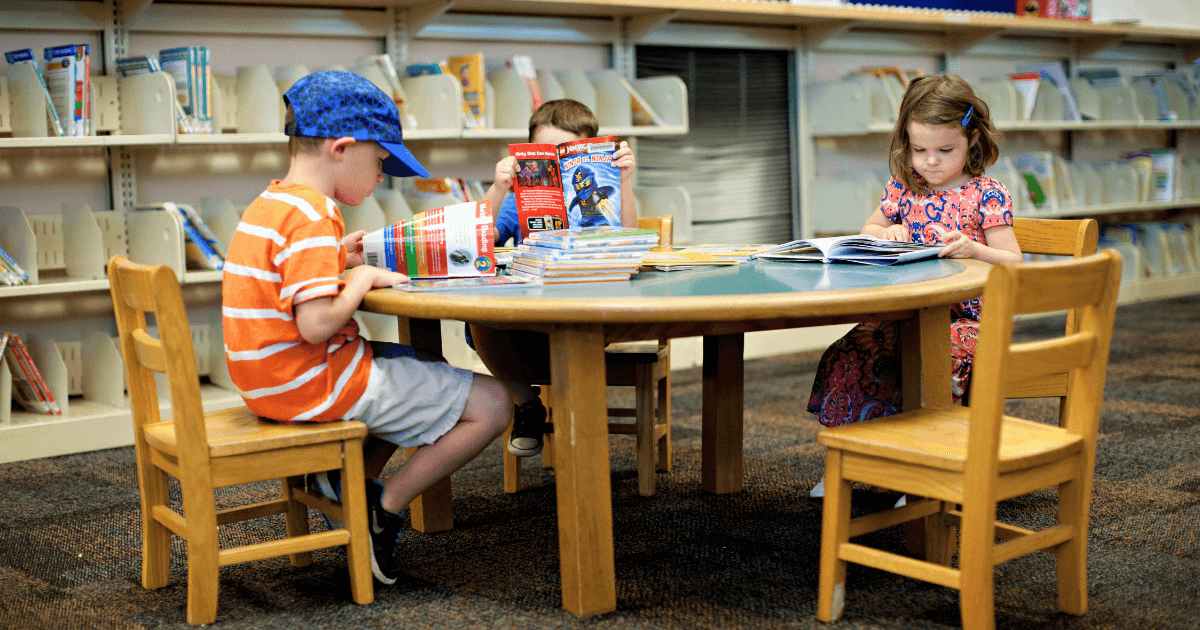
- Garden-themed stories: Read books about plants, growth, and gardens before and after garden visits
- Outdoor story time: Hold regular reading sessions in the garden
- Documentation books: Create class books documenting your garden’s progress
- Reference materials: Provide simple field guides for identifying plants and insects
Overcoming Common Challenges
Even the most enthusiastic gardeners face obstacles. Here’s how to address common challenges:
1. Maintaining Summer Gardens
School breaks often coincide with peak growing season:
- Family adoption program: Create a sign-up system for families to care for the garden during breaks
- Summer programming: Organize optional garden days during summer months
- Low-maintenance design: Choose drought-tolerant plants and install drip irrigation systems
- Community partnerships: Connect with neighborhood groups who might help maintain the space
2. Addressing Safety Concerns
Safety is naturally a priority when working with young children:
- Tool safety: Teach and model proper use of age-appropriate tools
- Plant selection: Choose non-toxic plants and clearly mark which plants can be eaten
- Allergen awareness: Be mindful of common allergies and communicate with families
- Sun protection: Provide shade, schedule garden time during cooler hours, and remind about sunscreen
- Supervision plan: Establish clear boundaries and adequate adult-to-child ratios
3. Managing Limited Resources
Gardens don’t need to be expensive:
- Start small: Begin with just one or two raised beds
- Seek donations: Ask local nurseries, hardware stores, or garden clubs for materials
- Repurpose materials: Use recycled containers, pallets, or other found objects
- Apply for grants: Many organizations offer small grants specifically for school gardens
- Community workdays: Organize volunteer events to accomplish large tasks
4. Sustaining Interest
Keep the garden vibrant throughout the year:
- Seasonal celebrations: Host harvest festivals, planting parties, or garden art shows
- Documentation: Create visual displays showing the garden’s progress over time
- Family engagement: Regularly invite families to participate in garden activities
- Curriculum connections: Integrate the garden into other learning themes and projects
- Community sharing: Donate produce to food banks or host community meals
Celebrating and Sharing Your Garden
A community garden thrives when its successes are celebrated and shared:
1. Harvest Celebrations
Mark the rewards of your gardening efforts:
- Tasting parties: Sample garden produce prepared in simple, child-friendly ways
- Harvest festivals: Invite families and community members to celebrate seasonal harvests
- Cooking projects: Create simple recipes using garden ingredients
- Food gifts: Prepare herb bundles, dried flowers, or seed packets as gifts
2. Documentation and Storytelling
Capture your garden journey:
- Photo displays: Create visual timelines showing the garden’s development
- Garden journals: Encourage children to draw and dictate observations
- Digital stories: Share garden updates through newsletters or social media
- Child-led tours: Prepare children to guide visitors through the garden
3. Community Connections
Extend your garden’s impact:
- Expert visitors: Invite local gardeners, farmers, or naturalists to share knowledge
- Intergenerational connections: Partner with senior centers for shared gardening days
- Service projects: Donate a portion of your harvest to food pantries
- Seed and plant exchanges: Organize community swaps to diversify gardens
Conclusion: Growing More Than Plants
A community garden connected to your preschool grows far more than vegetables and flowers. It cultivates curiosity, responsibility, and a sense of belonging. It strengthens connections between children, families, and the broader community. And perhaps most importantly, it plants seeds of environmental stewardship that can last a lifetime.
As one preschool teacher reflected after their first year of community gardening: “The garden became our outdoor classroom, laboratory, playground, and gathering space. We watched shy children blossom alongside the plants, saw families connect over shared gardening knowledge, and witnessed genuine wonder as seeds transformed into food. The harvest wasn’t just vegetables—it was confidence, community, and joy.”
Whether you join an existing garden or create your own, the journey of connecting preschoolers with community gardens offers rich rewards for everyone involved. The soil, seeds, and sunshine await—it’s time to dig in!
Does your preschool participate in a community garden? Share your experiences and tips in the comments below.