Circle Time Strategies for Fidgety Preschoolers: Turning Wiggles into Engagement
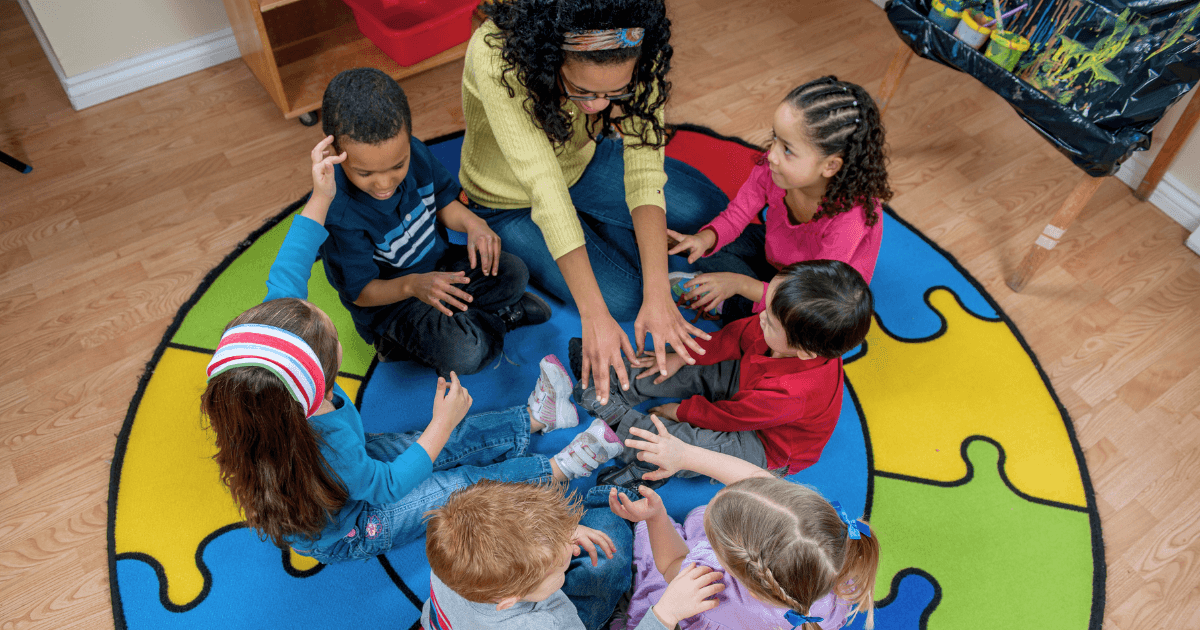
We’ve all been there—you’ve gathered your preschoolers for circle time, carefully planned your activities, and within minutes, the wiggling begins. One child is rolling on the floor, another is poking their neighbor, and a third is seemingly fascinated by the ceiling fan. Meanwhile, you’re wondering if your carefully crafted lesson plan was actually a recipe for chaos.
If this scenario sounds familiar, you’re not alone. Circle time can be one of the most challenging parts of the preschool day, especially for energetic and fidgety children whose bodies simply aren’t designed for extended periods of sitting still. The good news? With some thoughtful strategies and a shift in expectations, circle time can transform from a struggle into one of the most engaging and joyful parts of your day.
Understanding the Fidgety Preschooler
Before diving into strategies, it’s worth understanding why preschoolers fidget in the first place:
- Developmental appropriateness: Young children learn through movement. Their bodies and brains are wired to explore through physical activity.
- Sensory processing: Many children seek sensory input through movement to help them focus and regulate their bodies.
- Attention span limitations: According to Brightwheel, preschoolers typically can focus for only about 10-12 minutes during structured activities.
- Energy management: Preschoolers have abundant energy that needs appropriate outlets.
When we recognize that fidgeting is often not misbehavior but a genuine developmental need, we can design circle time experiences that work with—rather than against—children’s natural tendencies.
Setting Realistic Expectations
One of the most important strategies begins before circle time even starts: setting appropriate expectations for yourself and your students.
Time Limits Based on Age
A helpful rule of thumb from Tips of Wisdom: children can generally sit for as many minutes as they are years old. This means:
- 3-year-olds: approximately 3-5 minutes
- 4-year-olds: approximately 4-7 minutes
- 5-year-olds: approximately 5-10 minutes
Start with shorter circle times at the beginning of the year and gradually increase duration as children develop stamina.
Clear, Consistent Expectations
Children thrive when they know what to expect. Establish 3-4 simple circle time rules with visual supports:
- Sitting criss-cross (or other comfortable position)
- Keeping hands to yourself
- Listening when others are speaking
- Using indoor voices
Consistently review these expectations before each circle time, and acknowledge when children are meeting them.
Physical Setup Strategies
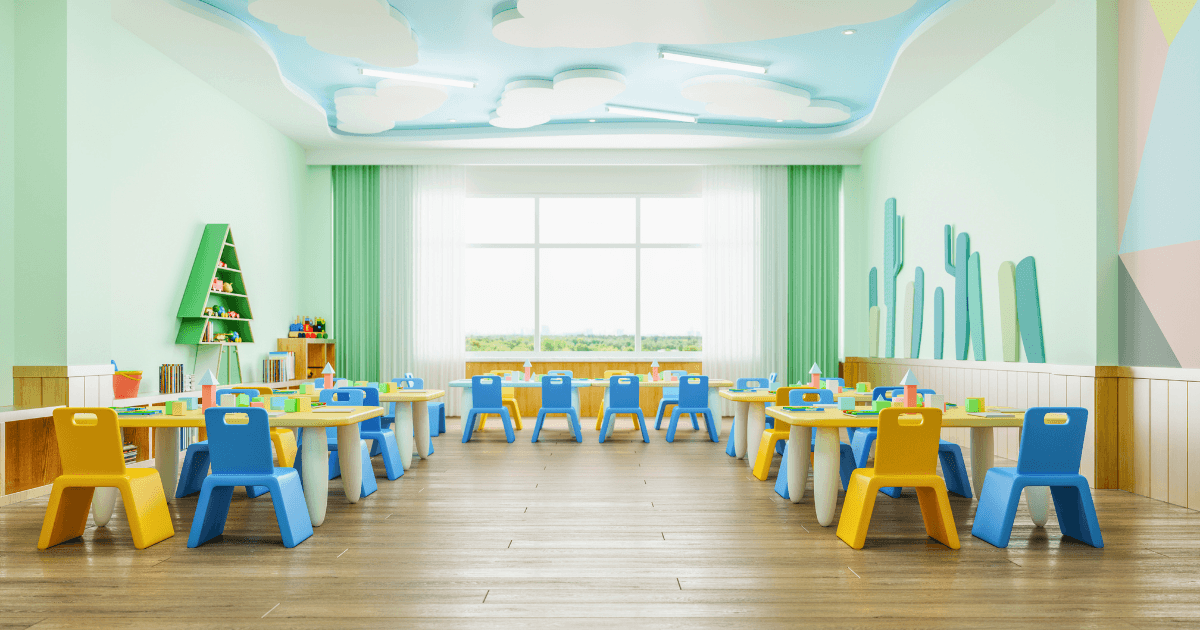
The physical environment plays a crucial role in supporting fidgety preschoolers during circle time.
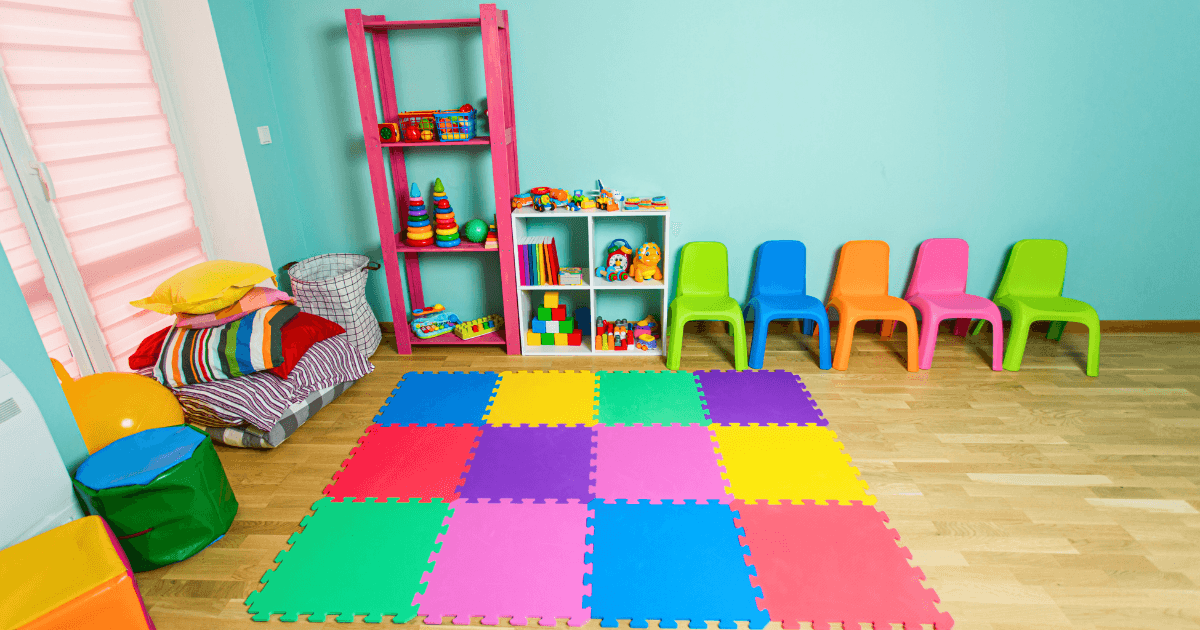
Defined Personal Space
Create clear boundaries for each child’s personal space:
- Carpet squares or sit spots (colorful markers that adhere to carpet)
- Hula hoops laid flat on the floor
- Masking tape outlines on the carpet
- Small cushions or pillows
These visual and tactile boundaries help children understand where their bodies should be and reduce unintentional touching of neighbors.
Flexible Seating Options
Not all children can comfortably sit cross-legged on the floor. Consider offering:
- Small cube chairs or stools
- Therapy balls or wobble cushions
- Bean bags for children who need more support
- The option to lie on their tummies while facing the group
According to Aussie Childcare Network, “Additional seating options can help children maintain personal space and support those with weaker core muscles.”
Strategic Placement
Consider thoughtfully placing children who struggle with circle time:
- Position fidgety children near you for gentle reminders
- Separate children who tend to distract each other
- Allow children who need more movement to sit at the edges of the circle where they won’t disrupt others if they need to stand
Engagement Through Movement
Rather than fighting children’s natural need for movement, incorporate it intentionally into your circle time routine.
Movement Breaks
Plan brief movement activities between more sedentary components:
- 30-second dance breaks
- Quick stretching sequences
- Action songs like “Head, Shoulders, Knees and Toes”
- Animal movements (hop like a frog, slither like a snake)
These planned movement opportunities can actually reduce random fidgeting by giving children appropriate outlets for physical energy.
Interactive Songs and Fingerplays
Songs with movements keep children engaged while meeting their need for activity:
- “The Wheels on the Bus”
- “If You’re Happy and You Know It”
- “Five Little Monkeys”
- “Open, Shut Them”
Teaching 2 and 3 Year Olds notes that “Music and movement activities are crucial for this age group, as they help develop body control and keep children engaged.”
Whole-Body Learning
Incorporate movement into your content delivery:
- Have children act out concepts (tall like a tree, small like a seed)
- Use sign language to reinforce key vocabulary
- Create motions that represent letters or numbers
- Have children use their bodies to form shapes or letters
Sensory Supports for Focus
Many fidgety behaviors stem from sensory needs. Addressing these needs can significantly improve focus and engagement.
Fidget Tools
Provide appropriate items for children to manipulate during listening activities:
- Stress balls or squishy toys
- Textured fidget bands for chair legs
- Small bean bags to balance on heads or shoulders
- Pipe cleaners to bend and twist
Ensure children understand these are tools for focusing, not toys for playing or distracting others.
Multi-Sensory Instruction
Engage multiple senses to maintain attention:
- Visual supports (pictures, objects, puppets)
- Auditory elements (songs, different voice tones)
- Tactile experiences (passing objects related to the lesson)
- Kinesthetic activities (acting out stories)
The Inspired Treehouse recommends “engaging multiple senses by using songs, puppets, visuals, or textured objects to sustain interest” during circle time.
Calming Techniques
Begin circle time with regulation activities:
- Deep breathing exercises
- Gentle stretching
- Quiet humming or singing
- Progressive muscle relaxation (tighten and release)
These activities help children transition from active play to more focused attention.
Keeping Content Engaging
Even with perfect seating and sensory supports, unengaging content will lose children’s attention. Make your circle time content irresistible!
Interactive Storytelling
Transform story time from passive listening to active engagement:
- Use puppets or props to bring stories to life
- Invite children to make sound effects at key moments
- Pause for predictions or questions
- Assign simple roles for children to act out
Hands-On Demonstrations
Whenever possible, include concrete objects and demonstrations:
- Real objects related to your theme
- Simple science experiments
- Show-and-tell opportunities
- Mystery bags with items to guess by touch
Child Participation Roles
Give fidgety children special jobs during circle time:
- Weather reporter
- Calendar helper
- Song leader
- Pointer for charts or books
- Message deliverer
Having a role increases investment and provides purposeful movement opportunities.
Managing Transitions
Often, the most challenging parts of circle time are the transitions into and out of the activity.
Signals and Routines
Create predictable routines for starting circle time:
- A special song that signals gathering time
- A visual timer showing when clean-up ends and circle begins
- A consistent seating arrangement so children know where to go
- A special greeting ritual to begin the session
Gradual Assembly
Instead of expecting all children to arrive and sit simultaneously:
- Start with a small group activity while others finish transitions
- Have an engaging “early arrival” activity at the circle area
- Use a staggered approach where children join as they complete previous activities
Exit Strategies
Plan for successful transitions out of circle time:
- End with a consistent goodbye song or chant
- Dismiss children in small groups rather than all at once
- Have the next activity ready and visible to reduce waiting time
Individualized Approaches
Some children may need additional support beyond these general strategies.
Alternative Participation Options
For children who consistently struggle with traditional circle time:
- Allow them to stand at the back of the circle
- Provide a nearby alternative activity that still allows them to listen
- Create a “listening post” slightly removed from the main circle
- Set up a special agreement with specific expectations (e.g., “Try for 5 minutes, then you can choose”)
Visual Supports
Support children who benefit from visual information:
- Picture schedules showing circle time activities
- Visual timers showing how long activities will last
- Emotion cards to help express feelings
- First-then boards (e.g., “First circle time, then playground”)
Real Classroom Success Stories
The Wiggle Watcher
Preschool teacher Ms. Jamie created the role of “Wiggle Watcher” in her classroom. Each day, a different child wears a special badge and gets to lead one movement break during circle time. Not only does this provide a structured movement opportunity, but children are motivated to participate appropriately for their chance to be the Wiggle Watcher.
The Circle Time Choice Board
In Mr. Carlos’s class, children who struggle with traditional circle time can choose from a “Circle Time Choice Board” with options like:
- Standing spot (a designated area where a child can stand while participating)
- Wiggle cushion (a textured seat that provides sensory input)
- Helper job (a specific role that involves movement)
- Quiet corner (a space slightly removed but still part of the group)
This approach honors children’s self-awareness about their needs while maintaining expectations for participation.
Final Thoughts
Remember that the goal of circle time isn’t perfect stillness—it’s engagement, connection, and learning. When we design circle time experiences that honor children’s developmental needs for movement and sensory input, we create opportunities for meaningful group experiences that all children can enjoy.
By implementing these strategies consistently and adjusting based on your specific group’s needs, you can transform circle time from a management challenge into a highlight of your classroom day. The wiggles won’t disappear entirely—nor should they!—but they can become part of the learning journey rather than an obstacle to it.
What strategies have worked in your classroom for engaging fidgety preschoolers during circle time? Share your experiences in the comments below!