Creating an Effective Calm Down Corner: Materials and Management
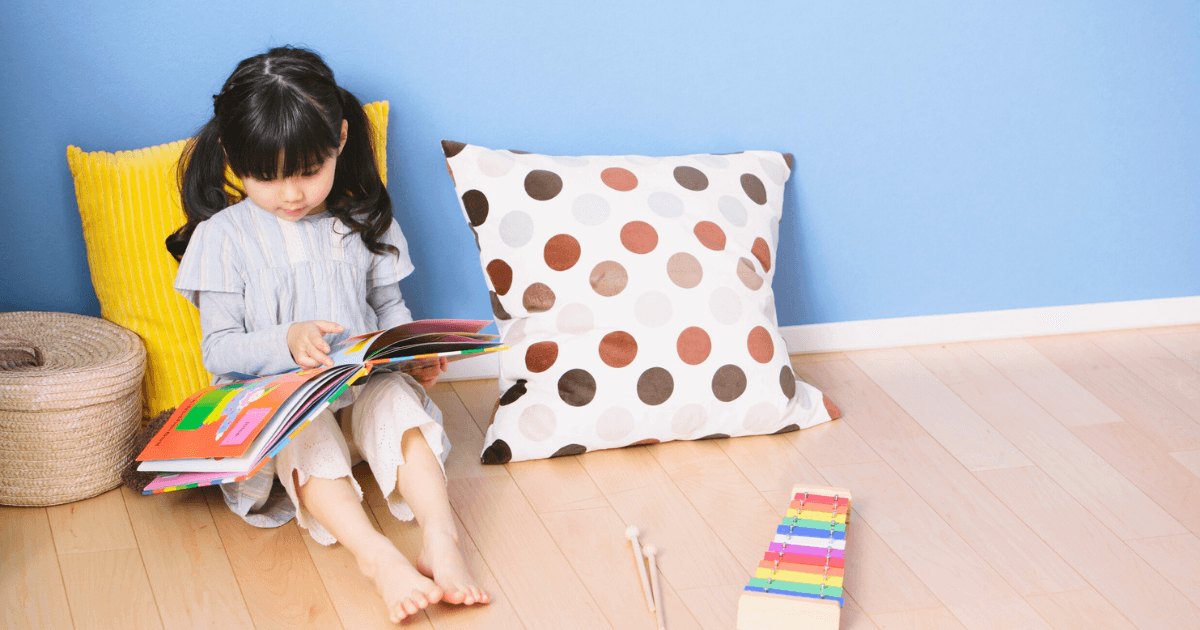
In today’s fast-paced classroom environments, students face countless stimuli that can trigger emotional responses—from academic challenges to social interactions, schedule changes to sensory overload. When emotions run high, learning grinds to a halt. This is where a well-designed calm down corner becomes an invaluable classroom tool.
A calm down corner (also called a peace corner, cozy corner, or regulation station) is a designated space where students can go to manage overwhelming emotions, practice self-regulation strategies, and return to a state where learning is possible. Far from being a “time-out” space or punishment, these areas serve as proactive tools that empower students to recognize and manage their emotions independently.
The Science Behind Calm Down Corners
Before diving into materials and management, it’s important to understand why these spaces work. According to research from Children’s Home Society of California, “Children who can self-regulate are more likely to have positive social relationships, perform well in school, and cope effectively with challenges.”
When students experience strong emotions, their brain’s limbic system (particularly the amygdala) activates, triggering fight, flight, or freeze responses. In this state, access to the prefrontal cortex—responsible for reasoning, problem-solving, and learning—becomes limited. A calm down corner provides tools and strategies that help students return to a regulated state where the prefrontal cortex can reengage, making learning possible again.
Benefits Beyond Behavior Management
While calm down corners certainly help with classroom management, their benefits extend far beyond reducing disruptions:
- Teaching emotional literacy: Students develop vocabulary and awareness of their emotional states
- Building self-regulation skills: Regular practice with calming strategies develops lifelong coping mechanisms
- Promoting independence: Students learn to identify when they need a break and how to use tools without adult direction
- Reducing stigma around emotions: Normalizes the healthy expression and management of feelings
- Improving academic outcomes: Students spend more time in a regulated state where learning can occur
- Enhancing classroom community: Creates a culture of emotional awareness and support
As Action for Healthy Kids notes, “Calm down corners support self-awareness and self-management by providing a safe environment for children to process their emotions.”
Essential Materials for an Effective Calm Down Corner
The most successful calm down corners include materials that engage multiple senses and support different regulation needs. Consider organizing your materials into these categories:
Comfortable Seating Options
- Bean bag chair or floor cushions
- Small rocking chair
- Weighted lap pad
- Soft rug or mat
- Inflatable wobble cushion
Implementation tip: Choose seating that can be easily cleaned and isdurable enough for daily use. Consider having a washable cover that can be regularly laundered.
Visual Supports
- Feelings identification charts or posters
- Calming strategy visual cards
- Breathing technique guides
- Visual timers (sand timers, Time Timer)
- Emotion thermometers or meters
- Affirmation cards with positive self-talk phrases
Implementation tip: Laminate all paper materials or place them in dry-erase pockets for durability. Use simple, clear visuals appropriate for your students’ developmental levels.
Sensory Tools
- Stress balls or squeeze toys
- Sensory bottles (homemade or purchased)
- Fidget tools (spinners, tangles, pop-its)
- Textured items (fabric swatches, brushes)
- Weighted stuffed animals
- Putty or therapydough
Implementation tip: The OT Toolbox recommends including “preferred sensory items (tactile toys, fidgets)” that address individual student needs. Rotate sensory tools periodically to maintain interest.
Auditory Supports
- Noise-canceling headphones
- Small music player with calming music
- Sound machine with white noise or nature sounds
- Recorded calming messages or guided breathing exercises
- Chimes or singing bowl for mindful listening
Implementation tip: If using shared headphones, have a system for sanitizing between uses. Consider individual earbuds for older students.
Calming Activities
- Mindfulness activity cards
- Simple journaling materials
- Drawing supplies and paper
- Coloring sheets (mandalas work well)
- Breathing exercise tools (pinwheels, bubbles)
- Yoga or stretching pose cards
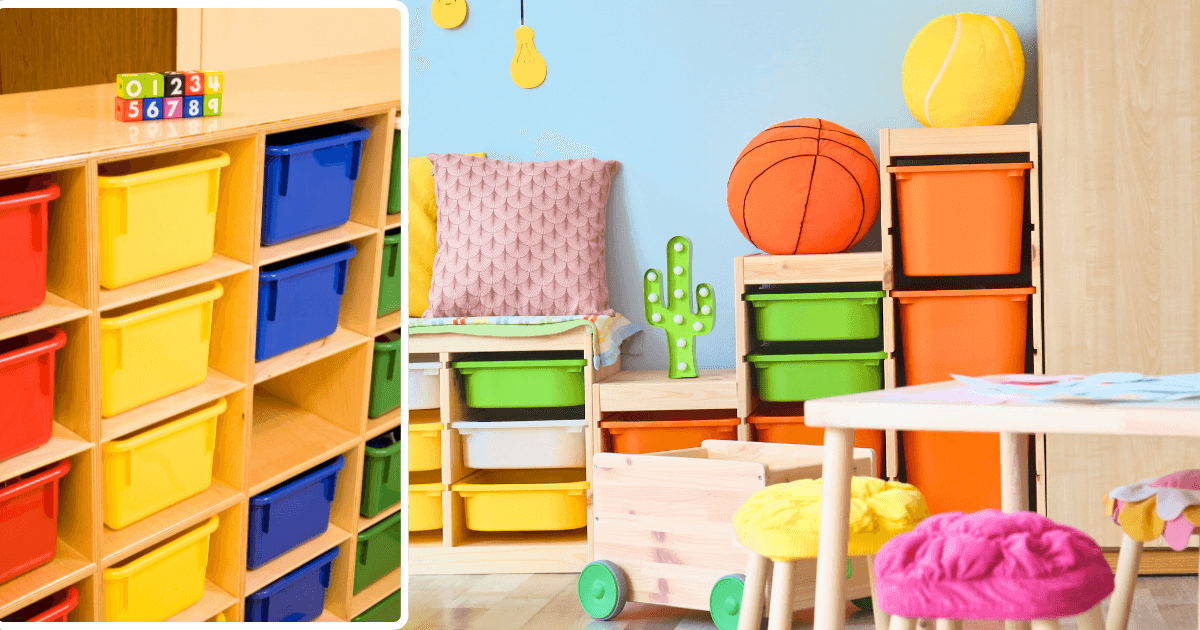
Implementation tip: Store activities in clear, labeled containers or folders that students can easily access independently.
Books and Reading Materials
- Picture books about emotions and coping
- Social stories about managing feelings
- Simple meditation or mindfulness guides
- Personalized calming strategy books
Implementation tip: Choose books with diverse characters that represent your student population. Include some wordless picture books for non-readers.
Designing Your Calm Down Corner: Location and Layout
Where and how you set up your calm down corner significantly impacts its effectiveness:
Location Considerations
- Visibility: Position the corner where you can easily supervise while providing some privacy
- Low traffic: Choose an area away from high-activity centers and doorways
- Acoustics: If possible, select a quieter area of the classroom
- Accessibility: Ensure the space is accessible to all students, including those with physical disabilities
Space Design Elements
- Clear boundaries: Use bookshelves, room dividers, or rugs to define the space
- Visual calm: Keep wall decorations minimal and soothing
- Lighting options: Consider softer lighting with lamps or string lights rather than harsh overheads
- Size appropriate: Make the space large enough for 1-2 students but small enough to feel cozy and contained
According to PA Keys, “A calm-down corner is a designated area in the classroom equipped with calming tools and materials.” This intentional designation helps students recognize the space’s purpose.
Implementation: Introducing Your Calm Down Corner
How you introduce and teach students to use the calm down corner is crucial to its success:
Initial Introduction
- Whole group introduction: Present the space as a positive tool for everyone, not a punishment
- Explicit modeling: Demonstrate how to use each tool and material
- Practice sessions: Have students role-play using the space appropriately
- Connection to emotions: Teach students to recognize when they might need the space
Teaching Self-Awareness
Help students identify their personal signs of dysregulation:
- Physical sensations (racing heart, tight muscles)
- Emotional cues (frustration, anger, sadness)
- Behavioral indicators (fidgeting, crying, withdrawing)
Creating Clear Guidelines
Establish and post simple rules for using the space:
- How many students can use the space at once
- Maximum time limits (typically 5-10 minutes)
- How to indicate the space is in use
- Expectations for behavior while in the space
- Process for returning to regular activities
Edutopia emphasizes that “Teaching students how to use calming tools before they need them increases their ability to self-regulate during stressful moments.”
Management Strategies for Long-Term Success
Once established, these strategies will help maintain an effective calm down corner:
Access Systems
Create a clear system for how students access the space:
- Self-selected: Students recognize their need and go independently
- Teacher-suggested: Educator offers the option when noticing dysregulation
- Visual cue system: Students use a non-verbal signal to request access
Implementation tip: A simple “in use” sign or flip card helps manage the space when multiple students might need it.
Time Management
Help students understand appropriate time use:
- Visual timers that show time elapsing
- Clear expectations for maximum time (adjustable based on need)
- Re-entry routines for rejoining class activities
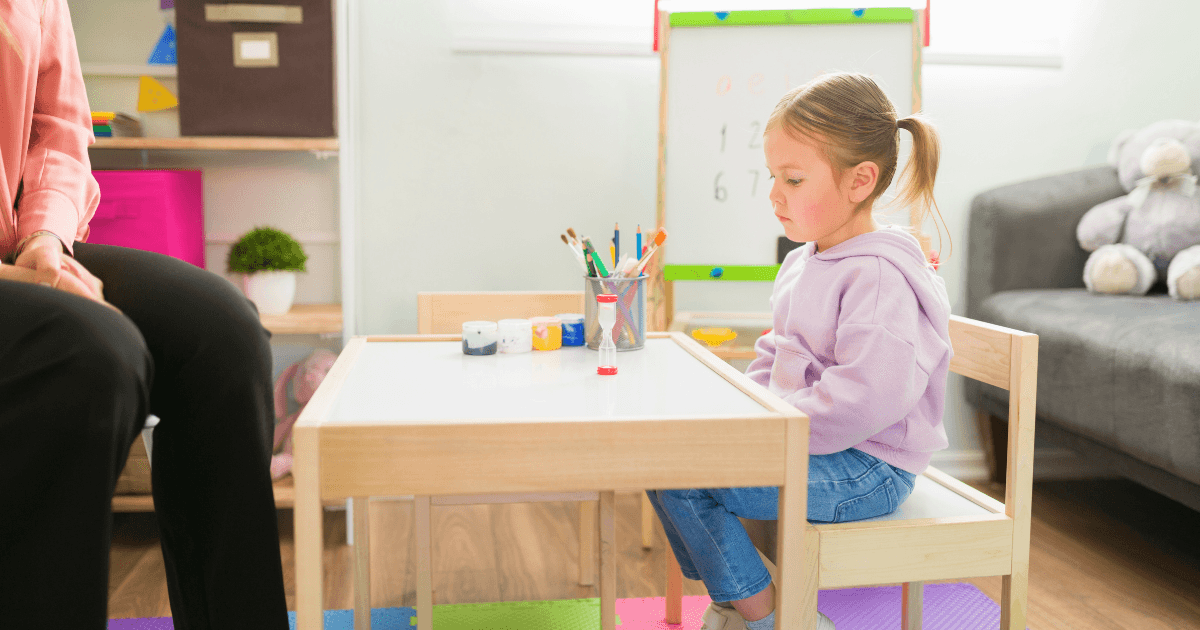
Implementation tip: For younger students, sand timers provide a concrete visual of time passing. For older students, Time Timers or digital timers work well.
Maintenance and Refreshing
Keep the space engaging and functional:
- Weekly check of materials for damage or missing items
- Monthly rotation of some sensory tools or activities
- Seasonal refreshing of visual supports or themes
- Student input on new materials or tools to add
Implementation tip: Assign classroom jobs related to maintaining the calm down corner to build student ownership.
Data Collection and Monitoring
Track usage to identify patterns and measure effectiveness:
- Simple sign-in/sign-out system
- Emotion check-in and check-out scales
- Brief reflection forms for older students
- Teacher observation notes
Implementation tip: Use this data to identify if certain times of day, activities, or transitions trigger more emotional dysregulation, allowing you to proactively address these challenges.
Troubleshooting Common Challenges
Challenge: Students want to use the space to avoid work
Solution:
- Clarify that work comes with them or waits for their return
- Implement a “work check” before accessing the space
- Use visual supports showing “first calm, then return to work”
- Set clear expectations about appropriate reasons for using the space
Challenge: The same students use the space repeatedly
Solution:
- Provide additional regulation support throughout the day
- Teach whole-class calming strategies that can be used at desks
- Consider if the student needs evaluation for additional supports
- Create a personalized regulation plan with specific goals
Challenge: Students don’t want to leave the space
Solution:
- Use visual timers to create clear expectations
- Implement a “re-entry routine” that eases transition back to class
- Create a portable calming tool kit students can take back to their seats
- Offer “check back” times where students can briefly return to the space
Challenge: Other students tease those who use the space
Solution:
- Normalize use by having all students practice using the space
- Incorporate class-wide lessons on emotional regulation
- Explicitly teach respect for others’ emotional needs
- Have teachers model using calming strategies themselves
Success Stories: Calm Down Corners in Action
Elementary Success: Ms. Johnson’s Second Grade
When Ms. Johnson implemented a calm down corner in her diverse second-grade classroom, she was initially concerned about lost instructional time. She started small with just a few sensory tools, visual supports for deep breathing, and a comfortable bean bag.
“Within weeks, I noticed a dramatic change,” she reports. “My student Jamal, who previously had 2-3 meltdowns weekly that disrupted class for 20-30 minutes each time, began recognizing his frustration earlier. He would take himself to the calm down corner, use the breathing visuals and squeeze ball for 3-5 minutes, and return ready to work. Not only did his disruptions decrease, but his academic engagement improved because he wasn’t spending energy trying to control overwhelming emotions.”
Middle School Application: Mr. Rivera’s Advisory
Middle school teacher Mr. Rivera adapted the calm down corner concept for older students, creating a “Reset Station” in the back of his classroom. “Teenagers still have big emotions, but they’re more self-conscious,” he explains. “I made our space more mature-looking with neutral colors and age-appropriate tools like stress balls, mindfulness cards, and journal prompts.”
Mr. Rivera reports that his Reset Station has been particularly effective during testing periods and before presentations when anxiety runs high. “Students who use the space for even just 2-3 minutes show measurable improvements in performance compared to pushing through their anxiety.”
Expanding the Impact: Beyond the Corner
While a designated space is valuable, the ultimate goal is for students to internalize regulation strategies they can use anywhere. Consider these extensions:
Portable Regulation Kits
Create small, portable collections of calming tools students can use at their desks:
- Mini stress balls or fidgets
- Laminated breathing guide cards
- Personal emotion meter
- Small sensory item in a pencil case
Whole-Class Regulation Breaks
Incorporate brief regulation activities throughout the day:
- 60-second breathing exercises between subjects
- Quick movement breaks during longer lessons
- Guided visualization before tests or challenging tasks
- Emotion check-ins during morning meeting or closing circle
Family Connections
Share calm down corner concepts with families:
- Send home information about tools and strategies used in class
- Offer suggestions for creating simple calm spaces at home
- Share resources about emotional regulation development
- Provide consistent language around emotions and regulation
Final Thoughts: A Worthwhile Investment
Creating and maintaining an effective calm down corner requires thoughtful planning and ongoing attention, but the benefits far outweigh the effort. By providing students with both the physical space and the emotional tools to manage their feelings, we teach them valuable skills that extend far beyond the classroom.
As Children’s Home Society of California notes, “Children who can self-regulate are more likely to have positive social relationships, perform well in school, and cope effectively with challenges.” In a world of increasing complexity and stimulation, these self-regulation skills may be among the most valuable tools we can offer our students.
What strategies have you found effective in creating and managing calm down corners in your classroom? Share your experiences in the comments below!