Bilingual Preschool Advantages: How Early Second Language Exposure Shapes the Brain
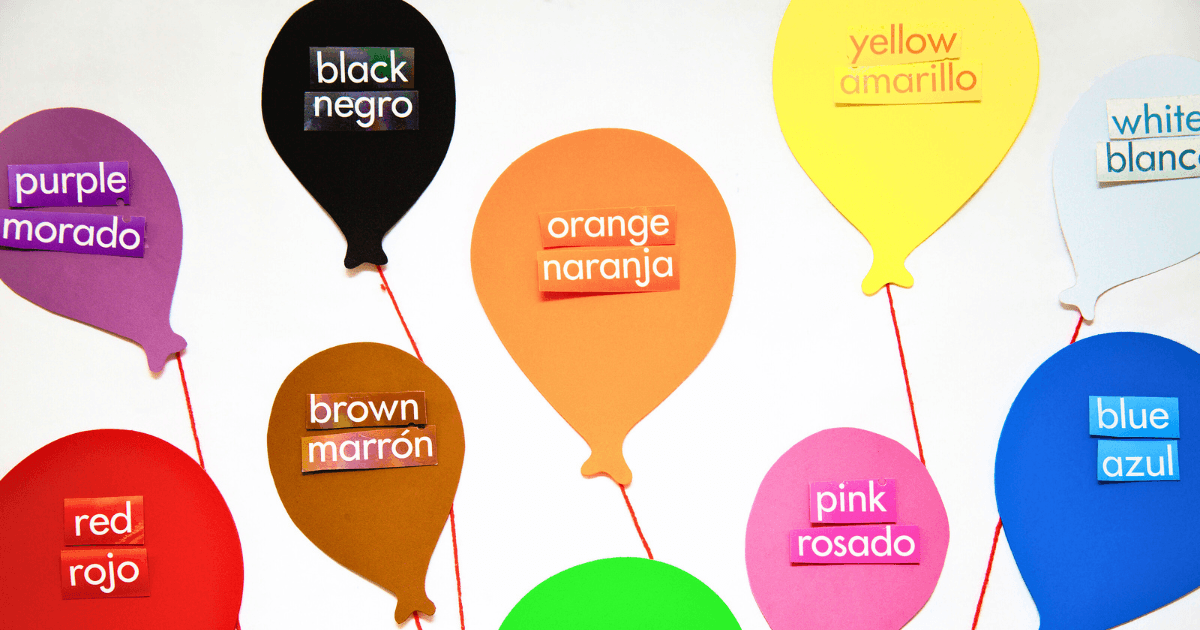
When my friend Elena enrolled her daughter in a Spanish-English bilingual preschool, some family members were concerned. “Won’t she get confused? Isn’t it too much for a little brain to handle?” they asked. Three years later, not only is her daughter fluently switching between languages without hesitation, but her teachers note she’s showing remarkable problem-solving skills and creativity compared to many peers.
This isn’t just a proud mom’s observation—it’s backed by fascinating neuroscience research that reveals how early exposure to multiple languages literally reshapes children’s brains in beneficial ways.
The Critical Window for Language Learning
If you’ve ever struggled with learning a second language as an adult, you’ve experienced firsthand what neuroscientists have confirmed: there’s a “sensitive period” for language acquisition that makes early childhood the ideal time to introduce multiple languages.
According to research from L Academy Schools, more than one million new neural connections form every second during the first few years of life. The sensitive period for language acquisition extends up to around age 6, making early childhood an extraordinary window of opportunity.
“Children’s brains are uniquely equipped for language learning before age six,” explains Dr. Sophia Chen, neurolinguist at Stanford University. “They absorb languages naturally, without the analytical approach adults typically use, which allows for more intuitive mastery.”
This explains why children in bilingual environments can achieve native-like pronunciation in both languages—something that becomes increasingly difficult after puberty.
Cognitive Benefits: More Than Just Two Languages
The advantages of bilingual education extend far beyond simply knowing two languages. Research published in the National Library of Medicine reveals that bilingual preschoolers demonstrate enhanced cognitive abilities in several key areas:
Enhanced Executive Function
Bilingual children consistently outperform monolingual peers in tasks involving executive function—the brain’s control system for attention, working memory, and cognitive flexibility. Why? Because managing two languages requires constant mental juggling:
- Switching between languages
- Inhibiting one language while using another
- Monitoring which language is appropriate in different contexts
This constant mental exercise strengthens neural pathways associated with these functions, creating advantages that extend to non-language tasks.
Superior Problem-Solving Skills
Studies show bilingual children approach problems differently. They typically:
- Consider multiple solutions more readily
- Show greater cognitive flexibility when rules change
- Demonstrate enhanced creative thinking
As noted by The Step by Step School, exposure to more than one language strengthens brain connections, facilitating easier learning in subjects like math and science.
Increased Brain Density
Perhaps most remarkably, bilingualism actually changes the physical structure of the brain. Research indicates that bilingual children show increased gray matter density in regions associated with language processing, attention, and executive control.
This increased neural density may contribute to cognitive reserve later in life, potentially delaying the onset of dementia by 4-5 years compared to monolingual individuals.
Social and Emotional Intelligence
Beyond cognitive benefits, bilingual education nurtures social and emotional development in unique ways:
Enhanced Perspective-Taking
Research indicates that bilingual preschoolers have better skills than monolinguals in understanding others’ perspectives, thoughts, desires, and intentions. This enhanced “theory of mind” may develop because bilingual children regularly need to consider which language to use based on who they’re speaking with.
Cultural Awareness and Empathy
As noted by ICS Coral Gables, early exposure to a second language fosters cultural awareness and empathy, helping children develop a broader understanding of the world. Children in bilingual programs often show:
- Greater appreciation for cultural differences
- More open-mindedness toward diverse perspectives
- Enhanced ability to connect with people from different backgrounds
In our increasingly global society, these skills are invaluable both personally and professionally.
Addressing Common Concerns
Despite compelling research supporting bilingual education, many parents still have concerns:
“Won’t my child get confused?”
Research consistently shows that children can distinguish between two language systems from a very young age. While some temporary mixing of languages is normal (and actually shows creative language use), children quickly learn to separate their languages appropriately.
According to Collège du Léman, neuroscience indicates that young children can absorb multiple languages without confusion, actually strengthening their concentration and abstract thinking.
“Will it delay language development?”
Bilingual children reach language milestones within the normal range, though they may initially have smaller vocabularies in each individual language. However, their combined vocabulary across both languages is typically comparable to monolingual peers.
Research confirms that bilingual children are not more likely than monolingual children to experience language difficulties, delays, or disorders.
“Is it worth the investment?”
Beyond cognitive and social benefits, bilingualism offers practical advantages:
- Enhanced career opportunities (with multilingual employees often earning higher salaries)
- Greater ease in learning additional languages later
- Ability to connect with extended family and cultural heritage
- Adaptability when traveling or living abroad
What Makes Effective Bilingual Preschool Programs?
Not all bilingual programs are created equal. The most effective ones typically feature:
Immersive Environments
Quality programs create authentic immersion experiences rather than treating the second language as a separate subject. This might include:
- Alternating between languages on different days or for different activities
- Having native speakers of each language
- Incorporating cultural elements authentic to each language
Play-Based Learning
The most effective bilingual preschools incorporate language learning through play, stories, songs, and everyday activities. As Collège du Léman notes, play-based learning nurtures curiosity, confidence, cooperation, and problem-solving skills while making language acquisition natural and enjoyable.
Supportive, Patient Approach
Quality programs understand that language learning is a process. They:
- Celebrate progress rather than expecting immediate perfection
- Create low-anxiety environments where children feel comfortable experimenting with language
- Provide plenty of visual cues and context to support comprehension
Starting at Home: Supporting Bilingualism Without a Bilingual School
If bilingual preschool isn’t available or affordable in your area, you can still foster bilingualism at home:
- Use the “one parent, one language” approach if parents speak different languages
- Arrange playdates with children who speak the target language
- Provide books, music, and media in the second language
- Find community classes or cultural events in the target language
- Consider online resources specifically designed for early language learning
Even partial exposure to a second language during the sensitive period can establish neural pathways that make later language learning easier.
The Future is Multilingual
The global trend toward bilingual education reflects our increasingly interconnected world. In California, it’s expected that over 50% of kindergarteners will have grown up speaking a language other than English by 2035. In urban areas of Canada, such as Toronto, up to 50% of students already have a native language other than English.
Far from being a specialized approach, bilingual education is increasingly recognized as offering significant advantages for all children—not just those from bilingual homes.
As Dr. Ellen Bialystok, a leading researcher in bilingualism, puts it: “In a world where attention is our most precious cognitive resource, bilingualism trains the brain to be more efficient with that resource from a very young age.”
Is Bilingual Preschool Right for Your Child?
When considering bilingual education for your preschooler, reflect on:
- Your family’s language background and goals
- Your child’s individual temperament and learning style
- The quality and approach of available programs
- Your long-term educational vision
While bilingual education offers remarkable benefits, the most important factor remains a nurturing, stimulating environment that fosters your child’s natural love of learning.
For many families, the cognitive, social, and practical advantages of early bilingual education make it an investment that pays dividends throughout their child’s life—shaping not just what they know, but how they think.
Have you had experience with bilingual education for your child? We’d love to hear your thoughts in the comments below!