Authentic Assessment in Action: Examples from Real Classrooms
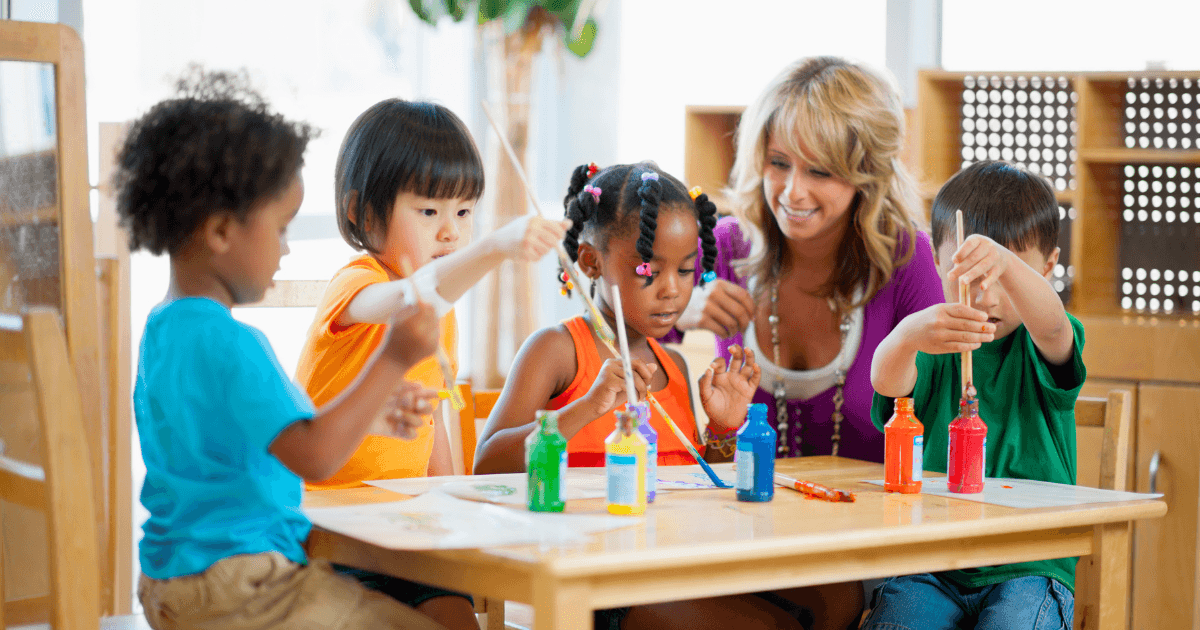
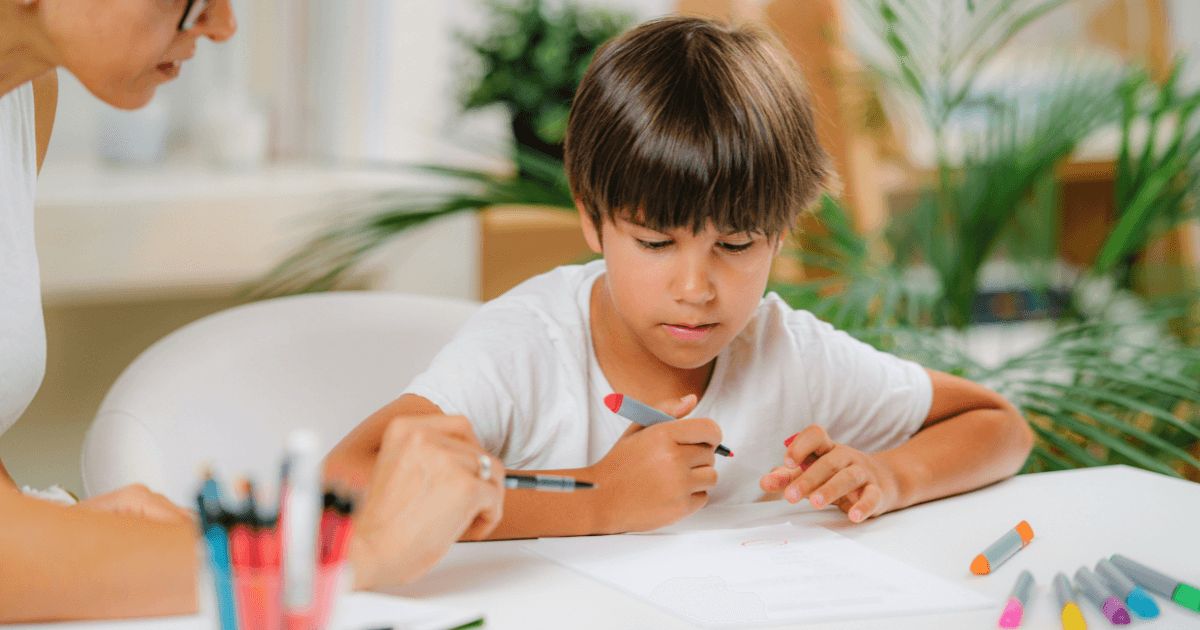
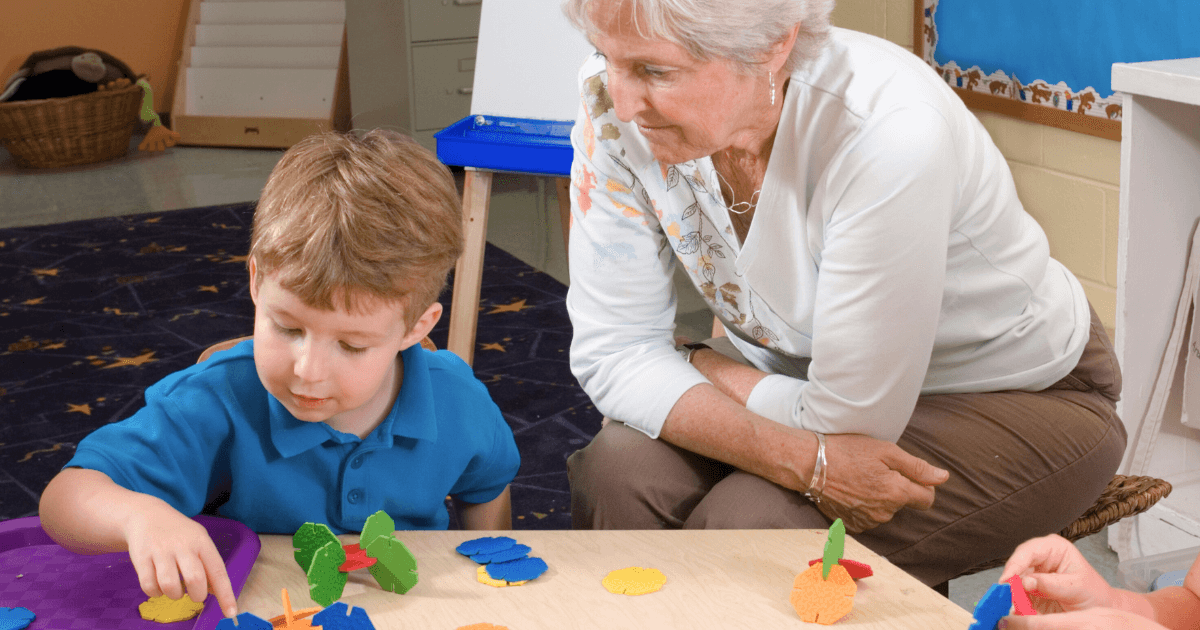
In a kindergarten classroom in Portland, children work in small groups to design and build bird feeders. As they collaborate, their teacher moves among them, iPad in hand, capturing photos and jotting notes about their problem-solving approaches, mathematical thinking, and communication skills. Later, she’ll review these observations alongside samples of the children’s planning sketches to assess their development across multiple domains—all without a worksheet or test in sight.
This is authentic assessment in action—the practice of evaluating children’s learning by observing them engaged in meaningful, real-world tasks rather than through artificial exercises or standardized tests. Unlike traditional assessment methods that often require children to perform isolated skills on demand, authentic assessment captures learning as it naturally occurs during everyday activities and interactions.
As early childhood education increasingly recognizes the limitations of standardized measures for young learners, educators are embracing authentic assessment approaches that honor children’s unique developmental pathways while providing rich, actionable information about their progress. But what does this look like in practice? How are real teachers implementing authentic assessment in ways that are both manageable and meaningful?
This article explores concrete examples of authentic assessment from actual early childhood classrooms, offering practical insights for educators seeking to enhance their own assessment practices.
Understanding Authentic Assessment: Beyond Checklists and Tests
Before diving into classroom examples, let’s clarify what makes assessment truly “authentic.”
According to Dr. Dominic Gullo, professor of early childhood education at Drexel University and author of “Assessment in Kindergarten: Meeting Children Where They Are”, authentic assessment has several defining characteristics:
- It occurs in natural contexts as children engage in regular classroom activities
- It focuses on meaningful tasks that demonstrate important skills and concepts
- It captures complex thinking rather than isolated facts or skills
- It provides multiple opportunities for children to demonstrate their understanding
- It emphasizes process as well as products
- It informs instructional decisions rather than simply measuring achievement
The National Association for the Education of Young Children (NAEYC) emphasizes that authentic assessment should be “embedded in real-world activities and contexts that are part of the child’s regular experience.” This stands in contrast to standardized assessments that often remove children from their natural environment and may not accurately reflect their true capabilities.
Example 1: Documentation Panels in a Preschool Investigation
Setting: A preschool classroom in Chicago where children have been investigating “How Things Move”
Teacher: Maria Gonzalez, 15 years of teaching experience
Maria’s classroom has been exploring motion and simple machines for several weeks. Rather than testing children’s knowledge with worksheets or direct questioning, Maria has created a comprehensive documentation panel that serves as both assessment tool and learning artifact.
The Assessment Approach: Maria’s documentation panel includes:
- Photographs showing children experimenting with ramps, wheels, and pulleys
- Transcribed conversations revealing children’s theories about motion
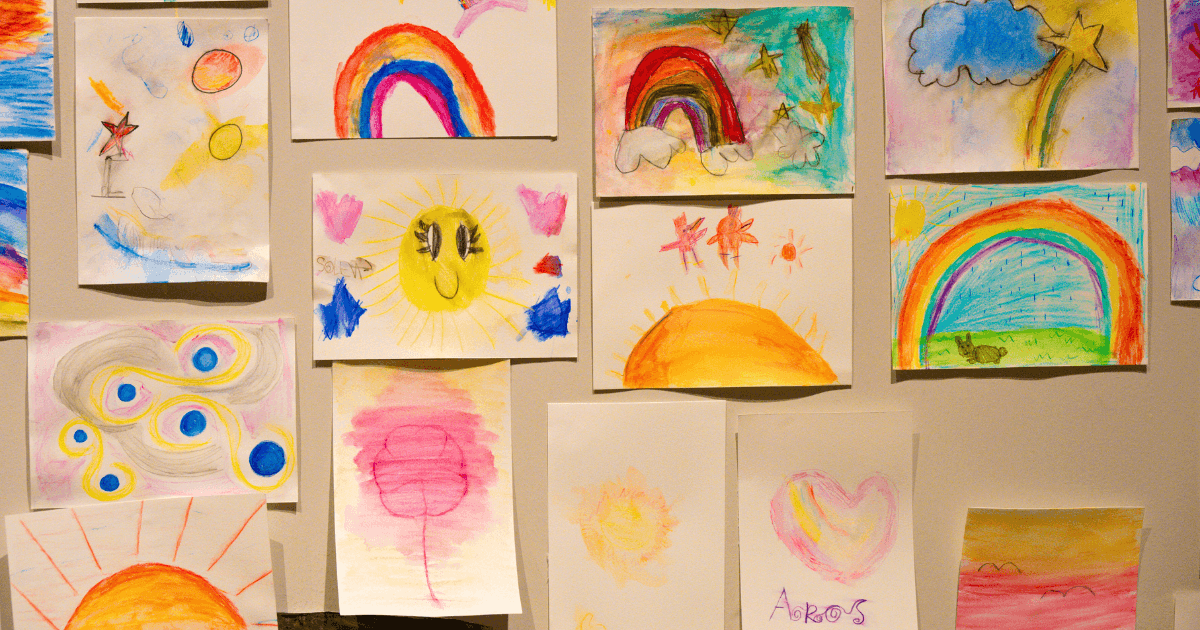
- Drawings created by children at different stages of the investigation
- Materials samples from their explorations
- Teacher observations noting key learning moments and conceptual development
“The documentation panel allows me to track how children’s understanding evolves over time,” Maria explains. “I can see how their initial theories about rolling objects change as they experiment, and I can identify which children are ready for more complex concepts.”
Assessment in Action: Four-year-old Jamal initially predicted that heavier objects would always roll faster down a ramp. Maria documented his prediction with a photo and direct quote: “The big rock will win the race because it’s bigger.”
After several experiments, Maria captured Jamal’s revised thinking: “Sometimes the heavy ones go faster, but sometimes the round ones win even if they’re little.” She included photos of his experiments and his drawing comparing different objects.
By the end of the project, Maria’s documentation showed Jamal articulating a more sophisticated understanding: “Things roll better when they’re round all over. The marble goes fastest because it doesn’t have flat spots.”
Assessment Outcomes: Maria uses this documentation to:
- Track conceptual development: The panel visually demonstrates how children’s understanding of motion principles develops over time
- Identify intervention needs: Children who continue to struggle with basic concepts receive additional support
- Plan next steps: Observations of children’s interests guide the next investigation
- Communicate with families: The panel provides concrete evidence of learning during family conferences
- Involve children in assessment: Children revisit the documentation to reflect on their own learning journey
According to the Center on the Developing Child at Harvard University, this type of documentation supports executive function development by helping children recognize their own thinking processes and learning progression.
Example 2: Digital Portfolios in a Kindergarten Classroom
Setting: A public kindergarten classroom in Austin, Texas
Teacher: James Wilson, 8 years of teaching experience
James has replaced traditional report cards with comprehensive digital portfolios that document each child’s development across all domains. Using the Seesaw platform, he creates a living record of each student’s growth throughout the year.
The Assessment Approach: Each child’s portfolio includes:
- Video clips of the child engaged in literacy activities, mathematical thinking, collaborative projects, and physical skills
- Audio recordings of reading progress and verbal explanations of thinking
- Photographs of work samples with teacher annotations highlighting key developmental indicators
- Child reflections where students explain their work and learning
- Teacher notes connecting observations to curriculum standards
“Digital portfolios give me so much more information than traditional assessments,” James notes. “I can capture a child solving a math problem while explaining their thinking, which tells me far more than whether they got the right answer on a worksheet.”
Assessment in Action: Five-year-old Sophia struggled with letter-sound relationships early in the year. Instead of relying solely on flashcard assessments, James documented her phonological awareness development through multiple authentic contexts:
- A video of Sophia in the dramatic play area “writing” a grocery list and sounding out words
- Audio recordings of her attempts to read simple texts at different points in the year
- Photos of her journal entries showing progressive use of invented spelling
- A recording of Sophia explaining what strategies she uses when she encounters an unfamiliar word
This comprehensive documentation revealed that while Sophia had difficulty in isolated skill drills, she could apply phonological knowledge successfully in meaningful contexts—information that would have been missed in traditional assessment.
Assessment Outcomes: James uses these digital portfolios to:
- Document growth over time: Sequential evidence shows progression in skills and understanding
- Identify learning patterns: Multiple samples reveal how each child approaches learning tasks
- Differentiate instruction: Detailed knowledge of each child’s strengths informs personalized teaching strategies
- Engage families: Parents access the portfolio regularly and can contribute observations from home
- Support student agency: Children help select portfolio items and reflect on their own learning
Research from the National Institute for Early Education Research confirms that this type of ongoing, multi-faceted assessment provides more accurate and useful information about kindergartners’ development than point-in-time standardized measures.
Example 3: Learning Stories in a Mixed-Age Early Childhood Program
Setting: A Reggio-inspired early childhood center in Seattle serving children ages 3-5
Teacher: Amara Johnson, 12 years of teaching experience
Amara uses learning stories—narrative accounts of significant learning moments—as her primary assessment tool. This approach, developed in New Zealand and now used worldwide, captures the context, process, and meaning of children’s learning experiences.
The Assessment Approach: Amara’s learning stories typically include:
- A narrative description of a significant learning episode
- Photographs documenting the experience
- Analysis of the learning, connecting to developmental domains and dispositions
- Future possibilities for extending the learning
- Family perspectives added after sharing the story
“Learning stories help me see the whole child,” Amara explains. “I’m not just checking off skills—I’m documenting how children approach challenges, how they use resources, how they collaborate, and how they apply their knowledge in meaningful ways.”
Assessment in Action: Amara wrote a learning story about four-year-old Elijah’s persistent efforts to build a stable block structure:
Building Bridges
Elijah spent nearly 30 minutes today working to create a bridge between two block towers. His first attempts collapsed, but rather than becoming frustrated, he studied the fallen structure carefully. “I need something to hold it up in the middle,” he told me.
After trying several approaches, he discovered that creating an arch with smaller blocks provided the support needed. “Look! It’s like the bridge we saw on our walk!” he exclaimed, referencing our neighborhood exploration last week.
When Maya wanted to drive cars across his bridge, Elijah carefully tested its stability first. “We need to make sure it’s strong enough,” he explained, showing awareness of both structural principles and collaborative responsibility.
What I learned about Elijah: This experience revealed Elijah’s growing engineering thinking, his ability to apply observations from our neighborhood to his play, his persistence in problem-solving, and his thoughtful approach to collaboration.
Possibilities for future learning: Elijah’s interest in structures could be extended through books about bridges, photographs of different architectural styles, and materials that allow for more complex construction.
Family response: Elijah’s father noted that he has been building with sofa cushions at home, creating “houses that don’t fall down” and talking about needing strong foundations.
Assessment Outcomes: Amara uses learning stories to:
- Document learning dispositions: Stories capture persistence, curiosity, collaboration, and problem-solving approaches
- Recognize learning connections: Narratives reveal how children connect experiences across contexts and over time
- Communicate meaningfully with families: Stories provide accessible, engaging accounts of children’s learning
- Inform curriculum planning: Insights about children’s interests and approaches guide activity planning
- Build children’s learning identities: When stories are shared with children, they develop awareness of themselves as capable learners
The Educational Leadership Project in New Zealand has documented how learning stories support children’s development of positive learning identities—a crucial foundation for lifelong learning.
Example 4: Project-Based Assessment in a First Grade Classroom
Setting: A public elementary school in Durham, North Carolina
Teacher: Robert Chen, 10 years of teaching experience
Robert uses extended projects as contexts for authentic assessment, gathering evidence of children’s development across multiple domains as they engage in meaningful investigations.
The Assessment Approach: For a project on community helpers, Robert’s assessment approach included:
- Observation notes documenting children’s research processes
- Interview recordings of children questioning community visitors
- Project journals where children recorded information and reflections
- Collaborative artifacts created by small groups
- Presentation documentation capturing children’s communication skills
“Project-based assessment lets me see how children apply skills in context,” Robert says. “I can assess reading comprehension as they research, writing skills as they document, math concepts as they collect and analyze data, and social skills as they collaborate—all within a meaningful context.”
Assessment in Action: Six-year-old Zoe showed limited engagement during traditional reading assessments, often appearing reluctant to participate. However, during the community helpers project, Robert documented a very different picture of her literacy development:
- Notes showing Zoe independently using reference books to find information about firefighters
- A recording of her asking thoughtful questions during a paramedic’s visit
- Journal entries revealing increasingly complex sentences and vocabulary
- Photos of Zoe reading her section of the group presentation with expression and confidence
This documentation revealed that Zoe’s reading skills were more advanced than her performance on isolated assessments suggested—she simply needed meaningful contexts to demonstrate her capabilities.
Assessment Outcomes: Robert uses project-based assessment to:
- Assess application of skills: Documentation shows how children use skills in authentic contexts
- Identify engagement patterns: Observations reveal which contexts motivate different learners
- Evaluate collaboration skills: Notes capture how children contribute to group efforts
- Document communication development: Presentations provide evidence of speaking and listening skills
- Inform instructional decisions: Insights guide both whole-group and individual teaching strategies
The Buck Institute for Education has found that project-based learning combined with authentic assessment particularly benefits students who struggle with traditional assessment approaches.
Example 5: Play-Based Assessment in a Toddler Program
Setting: A toddler program serving children 18-36 months in Minneapolis
Teacher: Lakisha Williams, 6 years of teaching experience
Lakisha uses structured play observations to assess toddlers’ development across all domains, recognizing that traditional assessment methods are particularly inappropriate for very young children.
The Assessment Approach: Lakisha’s assessment system includes:
- Weekly focused observations of each child in different play contexts
- Photo sequences documenting developmental progressions
- Brief video clips capturing significant developmental moments
- Anecdotal records describing specific behaviors and interactions
- Environmental interaction maps showing how children use classroom spaces
“Toddlers show their true capabilities through play,” Lakisha explains. “By observing them in different play settings with various materials, I can assess everything from language development to social skills to problem-solving approaches.”
Assessment in Action: To assess 28-month-old Marcus’s language and social development, Lakisha documented his play in multiple contexts over several weeks:
- In the sensory table, she noted his use of descriptive words (“squishy,” “wet”) and recorded him asking a peer “You want some?” (demonstrating both vocabulary growth and emerging social awareness)
- During outdoor play, she photographed a sequence showing Marcus negotiating turn-taking on a tricycle, documenting both his verbal strategies and emotional regulation
- In the block area, she recorded his growing ability to communicate his building plans to peers and his use of increasingly complex sentences
This comprehensive documentation revealed that Marcus was developing strong communication skills and beginning to engage in cooperative play—important information for both curriculum planning and family communication.
Assessment Outcomes: Lakisha uses play-based assessment to:
- Track developmental progressions: Regular observations document growth across all domains
- Identify interests and preferences: Documentation reveals each child’s motivations and engagement patterns
- Recognize interaction styles: Observations show how children approach peers and adults
- Plan environment modifications: Insights guide changes to play spaces and materials
- Support smooth transitions: Detailed knowledge helps prepare children for program transitions
The ZERO TO THREE organization emphasizes that this type of authentic assessment is particularly crucial for toddlers, whose skills and understanding are best revealed through natural play experiences.
Implementing Authentic Assessment: Practical Strategies from the Field
The teachers featured in these examples face the same constraints as most educators—limited time, multiple responsibilities, and diverse student needs. Here are their practical strategies for implementing authentic assessment effectively:
1. Start Small and Build
James Wilson advises: “Begin with one type of documentation in one area of your classroom. Once that becomes routine, expand gradually. I started with just photographing block constructions once a week before developing my full portfolio system.”
2. Create Simple Systems
Maria Gonzalez shares: “I keep sticky notes and a pen in my pocket at all times. I jot quick observations throughout the day and transfer them to my digital system during nap time or after school. Having a consistent place to record observations is essential.”
3. Involve Children in the Process
Amara Johnson suggests: “Even young children can participate in documentation. My preschoolers help select photos for their portfolios and dictate reflections about their work. This not only saves time but makes assessment more meaningful for them.”
4. Use Technology Strategically
Robert Chen recommends: “Find digital tools that streamline documentation rather than complicate it. I use voice-to-text for quick observations and a photo app that automatically dates and categorizes images. Technology should reduce your workload, not increase it.”
5. Schedule Regular Review Time
Lakisha Williams emphasizes: “Block out specific times to review your documentation—I use Friday afternoons. This regular reflection helps me identify patterns I might miss in the day-to-day rush and informs my planning for the following week.”
Overcoming Common Challenges
Teachers implementing authentic assessment typically encounter several challenges. Here’s how our featured educators address them:
Challenge: Time Constraints
Solution: “Integration is key,” says Robert. “I don’t see assessment as separate from teaching—it’s woven into everything we do. When I’m conferencing with a small group, I’m both supporting their learning and gathering assessment data.”
Challenge: Maintaining Objectivity
Solution: “I focus on describing what I actually see and hear rather than interpreting,” explains Maria. “Instead of writing ‘Jamal understands cause and effect,’ I document ‘Jamal said: When I made the ramp steeper, the marble rolled faster.’ This approach keeps my observations evidence-based.”
Challenge: Organizing Documentation
Solution: “Categories and systems are essential,” Lakisha advises. “I organize all documentation by both child and developmental domain, using digital folders and tags. This makes it easy to pull together comprehensive information when I need it for planning or conferences.”
Challenge: Connecting to Standards
Solution: “I map my documentation to required standards after collecting it, rather than letting standards drive what I observe,” James shares. “I’ve created a simple reference sheet that helps me connect authentic observations to our state early learning standards.”
Challenge: Communicating with Families
Solution: “Regular sharing builds understanding,” notes Amara. “When families receive documentation throughout the year—not just at conference time—they develop appreciation for this approach. I send home at least one learning story per child each month.”
The Impact of Authentic Assessment: Beyond Measurement
The educators featured in this article emphasize that authentic assessment is not merely an alternative way to measure learning—it fundamentally transforms the educational experience for both children and teachers.
Benefits for Children
Children in classrooms using authentic assessment experience several advantages:
- Agency in their learning: They become active participants in documenting and reflecting on their own progress
- Recognition of process: Their efforts and approaches are valued, not just final products
- Authentic feedback: They receive specific, meaningful feedback related to genuine learning experiences
- Holistic development: Their growth across all developmental domains is recognized and supported
- Learning visibility: They see concrete evidence of their own progress over time
As Robert observes, “My students view assessment as a natural part of learning, not something separate or stressful. They actually get excited when Idocument their work because they know it means I value what they’re doing.”
Benefits for Teachers
Teachers implementing authentic assessment report significant professional benefits:
- Deeper understanding of children: Systematic observation reveals insights that might otherwise be missed
- More responsive teaching: Detailed knowledge of each child informs individualized instruction
- Professional growth: The observation process develops analytical and reflective skills
- Meaningful family partnerships: Concrete documentation facilitates substantive conversations with families
- Renewed engagement: Focusing on children’s authentic learning increases professional satisfaction
“Authentic assessment has completely transformed my teaching,” Maria reflects. “I’m much more attuned to children’s thinking processes now, and I’m continually amazed by capabilities that traditional assessments would never reveal.”
Benefits for Families
Families also experience advantages when authentic assessment approaches are used:
- Window into learning: Documentation provides concrete examples of classroom experiences
- Developmental understanding: Observational records help families recognize developmental patterns
- Meaningful involvement: Families contribute their own observations and perspectives
- Strength-based view: Documentation highlights children’s capabilities rather than deficits
- Continuity between home and school: Shared observations create connections between contexts
Lakisha notes, “Parents tell me they appreciate seeing actual examples of their child’s learning instead of just checkmarks or numbers. It helps them understand both what and how their child is learning.”
Conclusion: Toward More Authentic Assessment Practices
The classroom examples shared in this article demonstrate that authentic assessment is not just an idealistic theory but a practical, effective approach being implemented by real teachers in diverse settings. While each educator has developed systems that work in their specific context, several common principles emerge:
- Observation is fundamental: Careful, systematic observation provides the foundation for authentic assessment
- Documentation makes learning visible: Photographs, notes, recordings, and artifacts create concrete evidence of learning
- Multiple perspectives enrich understanding: Input from children, families, and colleagues provides a more complete picture
- Assessment informs teaching: Documentation directly influences curriculum planning and instructional decisions
- Systems support sustainability: Practical routines and organizational strategies make authentic assessment manageable
As early childhood education continues to evolve, authentic assessment approaches are increasingly recognized as not just preferable but essential for supporting young children’s development and learning. By focusing on children’s actual capabilities in meaningful contexts, authentic assessment honors the complexity of early learning while providing rich information that truly informs teaching.
The educators featured in this article would be the first to acknowledge that implementing authentic assessment requires commitment and ongoing refinement. Yet they all emphasize that the benefits—for children, teachers, and families—far outweigh the challenges. As Amara puts it, “Once you experience the depth of understanding that comes from authentic assessment, you can’t imagine teaching any other way.”
How are you implementing authentic assessment in your classroom? Share your examples and strategies in the comments below!