Preschool Behavior Problems Solved: Expert Solutions to Common Challenges
If you’ve ever found yourself wondering “Is this normal?” while your preschooler has a meltdown in the grocery store or refuses to share toys for the hundredth time, you’re not alone. Preschool years (ages 3-5) are filled with remarkable cognitive and emotional development—but this growth often comes with challenging behaviors that can leave even the most patient parents feeling frustrated and exhausted.
The good news? Most preschool behavior problems are completely normal developmental phases, and with the right strategies, you can navigate these challenges while helping your child develop crucial emotional and social skills. In this comprehensive guide, we’ll explore expert solutions to the most common preschool behavior problems and provide practical tools to transform challenging moments into valuable learning opportunities.
Understanding the Preschool Brain: Why Behavior Challenges Happen
Before diving into specific behaviors, it’s helpful to understand what’s happening in your preschooler’s rapidly developing brain. According to Dr. Tina Payne Bryson, co-author of “The Whole-Brain Child,” preschoolers are experiencing tremendous growth in their prefrontal cortex—the brain’s executive control center responsible for impulse control, emotional regulation, and decision-making.
“The challenging behaviors we see in preschoolers often reflect a mismatch between their big emotions and their still-developing ability to manage those emotions,” explains Dr. Bryson. “Their feelings are very real and intense, but they don’t yet have all the neural connections needed to control their reactions consistently.”
This developmental reality means that preschoolers:
Experience emotions intensely but lack the vocabulary to express them
Are developing independence but still need security and guidance
Can understand rules but struggle to follow them consistently
Are learning social skills, but don’t yet fully grasp others’ perspectives
With this foundation in mind, let’s explore specific behavior challenges and expert-recommended solutions.
Child psychologist Dr. Ross Greene emphasizes that “the most important thing during a tantrum is that the adult stays calm. Your calm presence helps co-regulate your child’s emotions when they can’t regulate themselves.”
2. Validate feelings while holding boundaries
“You can acknowledge feelings while still maintaining limits,” advises child development specialist Janet Lansbury. Try phrases like: “I see you’re really upset about leaving the playground. It’s okay to feel disappointed, and it’s still time to go home.”
3. Create a calming space
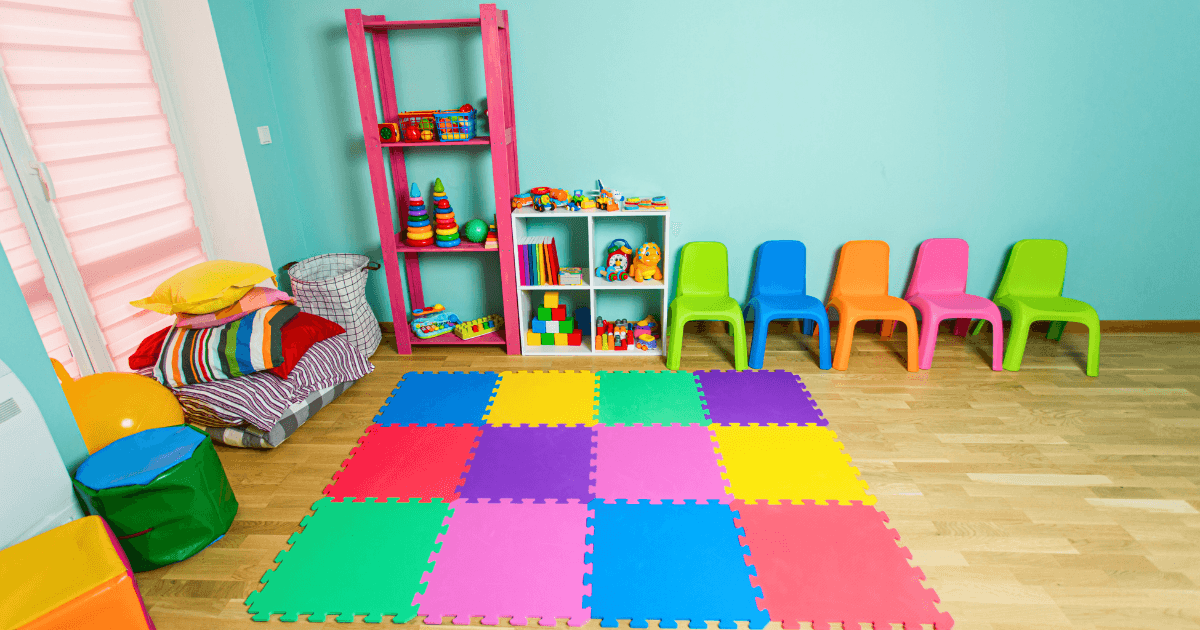
Designate a comfortable corner with soft pillows, stuffed animals, and calming sensory items for your child to go to when emotions feel overwhelming. This isn’t a punishment but a tool for self-regulation.
4. Teach emotional vocabulary
“Children who can name their feelings are better able to manage them,” explains Dr. John Gottman, author of “Raising an Emotionally Intelligent Child.” Regularly label emotions in everyday situations: “You look frustrated with that puzzle” or “I can see you’re excited about the party.”
5. Develop a tantrum action plan
Work with your child when they’re calm to create a step-by-step plan for managing big feelings. Simple steps might include:
Take three deep breaths
Hug a special stuffed animal
Ask for help with words or pictures
Move to the calm corner if needed
When to seek help: If tantrums are extremely intense, last more than 25 minutes, include aggression toward self or others, or significantly disrupt daily life, consult with a pediatrician or child psychologist. According to the American Psychological Association, early intervention programs such as Parent-Child Interaction Therapy (PCIT) can be highly effective in addressing persistent tantrum behavior.
Aggression: Hitting, Biting, and Pushing
Why It Happens:
Physical aggression often peaks between ages 2 and 4, then gradually decreases as language skills improve. Common triggers include:
Frustration without words to express feelings
Defending possessions or territory
Overstimulation or sensory overload
Experimentation with cause and effect
Imitation of observed behaviors
Seeking attention or connection
Expert Solutions:
1. Intervene quickly and calmly
“The moment aggression occurs, intervene with calm confidence,” recommends early childhood educator Karen Young. “Use minimal words in the moment: ‘Hands are not for hitting. Hitting hurts.'”
2. Focus on the victim first
Child development expert Dr. Laura Markham suggests: “Always attend to the hurt child first, which helps teach empathy and ensures the aggressor doesn’t receive immediate attention for the behavior.”
3. Teach alternative expressions
“Children need specific tools to replace aggression,” explains Dr. Daniel Siegel, author of “The Whole-Brain Child.” Teach phrases such as “I’m angry” or “My turn, please,” and physical alternatives like squeezing a stress ball or stomping your feet.
4. Use preventive strategies
Monitor for signs that your child is becoming frustrated or overwhelmed and intervene before aggression occurs. According to research from Owl Hill Learning Academy, prevention is more effective than reaction.
5. Provide appropriate physical outlets
“Many preschoolers need regular opportunities for physical release,” notes occupational therapist Lindsey Biel. Incorporate activities like jumping, climbing, dancing, or pillow fights into your daily routine.
When to seek help: If aggressive behavior continues despite consistent intervention, occurs multiple times daily, causes significant injury, or seems to provide pleasure rather than emotional release, consult with a professional. According to the Child Mind Institute, persistent aggression can sometimes indicate underlying issues that benefit from early intervention.
Defiance and Not Listening
Why It Happens:
Saying “no” and testing limits are important developmental tasks for preschoolers as they develop autonomy and independence. Common reasons for defiance include:
Asserting independence and control
Testing boundaries to understand rules
Feeling overwhelmed by too many directions
Genuinely not hearing or processing instructions
Being engaged in play or another activity
Experiencing a mismatch between expectations and abilities
Expert Solutions:
1. Give limited, meaningful choices
“Offering choices within boundaries gives preschoolers the sense of control they crave,” explains early childhood educator Lisa Daly. Instead of “Put your shoes on now,” try “Would you like to wear the blue shoes or the red shoes today?”
2. Use connection before direction
Child development specialist Dr. Becky Bailey recommends: “Make eye contact, get down to their level, and connect briefly before giving instructions. This dramatically increases cooperation.”
3. Make instructions clear and specific
“Preschoolers process one or two instructions at a time,” notes educational psychologist Dr. Kenneth Barish. “Instead of ‘Clean up your room,’ try ‘Please put the blocks in the blue bin.'”
4. Use visual cues and routines
“Visual schedules and consistent routines help preschoolers know what to expect, reducing the need for defiance,” suggests autism specialist Dr. Temple Grandin. Picture charts for morning routines or cleanup procedures can be especially helpful.
5. Notice and celebrate cooperation
“Catch them being good,” advises child psychologist Dr. Alan Kazdin. “When your child follows directions without a struggle, offer specific praise: ‘You put your toys away so quickly when I asked! That was really helpful.'”
When to seek help: If defiance is extreme, includes aggressive outbursts, significantly disrupts family functioning, or persists despite consistent positive parenting approaches, consider consulting with a professional. According to the National Association for the Education of Young Children, persistent defiance sometimes indicates underlying issues that benefit from specialized support.
Sharing Struggles and Social Conflicts
Why They Happen:
Difficulty sharing is developmentally normal for preschoolers, who are just beginning to understand others’ perspectives. Common challenges include:
Limited understanding of others’ feelings and needs
Strong sense of possession and ownership
Still-developing impulse control
Learning the complex rules of social interaction
Difficulty waiting for turns or delayed gratification
Expert Solutions:
1. Set realistic expectations
“Expecting perfect sharing from preschoolers is developmentally inappropriate,” explains child psychologist Dr. Eileen Kennedy-Moore. “Start with turn-taking rather than simultaneous sharing.”
2. Use visual timers for turns
“Concrete tools like sand timers help preschoolers understand when their turn will end and another’s will begin,” suggests early intervention specialist Dr. Sally Goldberg. “This reduces anxiety about giving up a desired item.”
3. Practice sharing through play
Child development expert Dr. Gail Gross recommends: “Use dolls, stuffed animals, or role-play to practice sharing scenarios when your child isn’t in the heat of conflict.”
4. Narrate and model perspective-taking
“Help children understand others’ feelings by narrating social situations,” advises educational psychologist Dr. Michele Borba. “For example, ‘Look at Maya’s face. She looks sad because she wants a turn with the truck too.'”
5. Praise specific sharing behaviors
“When you see your child share or take turns, offer specific praise that labels the positive behavior,” suggests parenting expert Amy McCready. “You gave Sam a turn with your favorite truck. That was very kind and made him happy!”
When to seek help: If your child consistently struggles with peer interactions, shows little interest in other children, or experiences significant distress in social situations, consider consulting with a professional. According to research from Children’s Corner Group, some children benefit from additional support in developing social skills.
Difficulty shifting attention from engaging activities
Anxiety about what comes next
Sensory sensitivities during environmental changes
Expert Solutions:
1. Use warnings and countdowns
“Preschoolers need preparation for transitions,” explains child psychologist Dr. Mary Alvord. “Give a five-minute and one-minute warning before ending an activity.”
2. Create transition rituals
“Consistent transition rituals provide security during changes,” suggests early childhood educator Magda Gerber. Examples include singing a special cleanup song or having a goodbye ritual for the playground.
3. Use visual schedules
“Pictures representing the day’s activities help preschoolers understand what comes next,” recommends autism specialist Dr. Barry Prizant. “Review the schedule together at the start of the day and before transitions.”
4. Bridge activities with transitional objects
“Allow children to bring a comfort item from one activity to the next,” advises child development expert Dr. T. Berry Brazelton. “This creates continuity during change.”
5. Acknowledge feelings about transitions
“Validate that transitions can be hard,” suggests psychologist Dr. Lawrence Cohen. “Try, ‘I know it’s hard to stop playing. You were having fun with those blocks. We’ll have block time again tomorrow.'”
When to seek help: If transition difficulties are extreme, cause major distress, or significantly impact daily functioning, consider consulting with a professional. According to the American Academy of Pediatrics, some children with sensory processing differences or anxiety may need additional support with transitions.
Attention-Seeking Behaviors
Why They Happen:
Behaviors like whining, interrupting, or acting out for attention are common in preschoolers and typically stem from:
A legitimate need for connection and engagement
Uncertainty about how to get positive attention
Testing whether negative attention is better than no attention
Feeling disconnected or insecure in relationships
Observing that problematic behaviors get quick responses
Expert Solutions:
1. Schedule regular one-on-one time
“Children who receive regular, positive attention are less likely to seek it in problematic ways,” explains family therapist Dr. Gary Chapman. Even 10-15 minutes of fully present interaction daily can significantly reduce attention-seeking behaviors.
2. Teach appropriate ways to request attention
“Explicitly teach children how to get your attention positively,” suggests parenting expert Amy McCready. “Practice phrases like ‘Excuse me, I’d like to show you something when you’re done talking.'”
3. Use the “ignore and redirect” approach
“For minor attention-seeking behaviors, calmly ignore the behavior while redirecting to a more appropriate alternative,” recommends behavioral specialist Dr. Alan Kazdin. “When they use the appropriate behavior, respond quickly and positively.”
4. Create a signal system
“Develop non-verbal signals your child can use when they need attention,” advises early childhood educator Janet Lansbury. “This gives them control while teaching patience.”
5. Notice and reinforce positive behaviors
“Children repeat behaviors that work,” explains child psychologist Dr. Ross Greene. “Make sure positive behaviors result in the attention and connection your child is seeking.”
When to seek help: If attention-seeking behaviors are extreme, unsafe, or persist despite consistent positive parenting approaches, consider consulting with a professional. According to Psychology Today, some children may have underlying needs that require additional support.
Bedtime Battles and Sleep Issues
Why They Happen:
Sleep struggles are extremely common during the preschool years and often stem from:
“Predictable routines signal to the brain that it’s time to wind down,” explains sleep specialist Dr. Jodi Mindell. “Keep the sequence of activities the same each night, ideally lasting 20-30 minutes.”
2. Create a sleep-conducive environment
“The sleep environment significantly impacts children’s ability to fall and stay asleep,” notes pediatric sleep expert Dr. Craig Canapari. “Keep the room cool, dark, and quiet, with a comfort item if needed.”
3. Address fears compassionately
“Preschoolers’ fears feel very real to them,” explains child psychologist Dr. Tamar Chansky. “Instead of dismissing fears, acknowledge them while offering reassurance: ‘I understand you’re worried about monsters. Let’s check together to make sure your room is safe.'”
4. Use a visual bedtime chart
“Visual schedules help preschoolers understand and take ownership of the bedtime routine,” suggests early childhood specialist Dr. Laura Markham. “Let them check off each step as it’s completed.”
5. Provide appropriate autonomy
“Offer choices within boundaries,” recommends sleep consultant Angelique Millette. “Would you like the blue or green pajamas? Should we read this book or that book? Would you like a sip of water before or after brushing teeth?”
This approach gives preschoolers a sense of control while still moving the bedtime process forward. According to a study from the University of Utah, children who have some autonomy within a consistent bedtime structure fall asleep faster and have fewer night wakings.
6. Use positive reinforcement systems
“Visual reward systems can be highly effective for bedtime cooperation,” explains pediatric sleep specialist Dr. Craig Canapari. A simple sticker chart where children earn stickers for following the bedtime routine can transform battles into cooperation. After collecting a certain number of stickers, they can earn a small reward or special activity.
7. Address underlying anxieties
“Many bedtime battles stem from separation anxiety or fears,” notes child psychologist Dr. Tamar Chansky. Consider using:
A special stuffed animal as a “guardian” while sleeping
A family photo by the bed
A special blanket or comfort object
A nightlight that provides just enough illumination
8. Implement the “bedtime pass” system
For children who frequently get out of bed, the Nationwide Children’s Hospital Sleep Center recommends the “bedtime pass” approach. Give your child 1-2 physical passes they can “use” to get out of bed for a legitimate reason (one drink, one hug, etc.). Once the passes are used, they must stay in bed. This approach has been shown to reduce bedtime resistance by giving children limited control while still maintaining boundaries.
9. Practice gratitude and mindfulness
“Ending the day with gratitude creates positive associations with bedtime,” suggests family therapist Dr. Laura Markham. Try sharing “three good things” about the day or practicing simple child-friendly meditation like “breathing like a sleepy bear.”
When to seek help: If sleep problems are severe, persistent, or accompanied by breathing issues, snoring, or unusual behaviors during sleep, consult with a pediatrician. According to the Mayo Clinic, some sleep difficulties may indicate underlying medical issues that require professional attention.
Picky Eating and Mealtime Struggles
Why They Happen:
Food selectivity is extremely common during the preschool years and typically stems from:
Natural developmental caution toward new foods
Sensory sensitivities to textures, temperatures, or flavors
Desire for control and autonomy
Irregular hunger patterns due to growth fluctuations
Learning that food refusal gets significant attention
Genuine preferences that are still developing
Expert Solutions:
1. Maintain a division of responsibility
“Parents decide what, when, and where food is served; children decide whether and how much to eat,” explains feeding specialist Ellyn Satter. This approach reduces power struggles while ensuring nutritious options are available.
2. Model healthy eating habits
“Children learn eating behaviors by watching adults,” notes pediatric nutritionist Dr. Katja Rowell. “Family meals where everyone eats the same foods are powerful teaching opportunities.”
3. Involve children in food preparation
“Children are more likely to try foods they’ve helped prepare,” suggests child development expert Dr. Dina Rose. Even simple tasks like washing vegetables or stirring ingredients can increase interest in new foods.
4. Use the “one bite rule” with a positive twist
“Encourage tasting without pressure to finish,” recommends feeding therapist Kay Toomey. “Try ‘You don’t have to eat it, just kiss it, lick it, or take a tiny dinosaur bite to explore it.'”
5. Keep food introductions low-pressure
“Repeated neutral exposure to new foods eventually leads to acceptance,” explains pediatrician Dr. Nimali Fernando. “It may take 15-20 exposures before a child willingly tries a new food.”
When to seek help: If eating challenges significantly limit food variety, affect growth, cause family distress, or include gagging/vomiting with certain textures, consult with a pediatrician. According to the American Academy of Pediatrics, some children benefit from feeding therapy to address more significant food selectivity.
Conclusion: The Power of Positive Guidance
As challenging as preschool behavior problems can be, they represent important developmental stages that help children learn crucial life skills. By responding with empathy, consistency, and developmentally appropriate expectations, you can transform these challenges into opportunities for growth and connection.
Child development specialist Dr. Becky Bailey reminds us: “The goal isn’t to have a perfectly behaved child, but to raise a child who can eventually regulate their emotions, solve problems, and maintain healthy relationships. The challenging moments are where this learning happens.”
Remember that every child develops at their own pace, and what works for one child may not work for another. Be willing to adapt your approach based on your child’s unique temperament and needs. And most importantly, be gentle with yourself—parenting through the preschool years is demanding work, and you’re doing better than you think.
What preschool behavior challenges are you currently facing? Share your experiences in the comments below, and let’s support each other through this rewarding but sometimes challenging stage of parenting.