The Complete Guide to Preschool Curricula: What’s Taught and Why It Matters
As a parent, few decisions feel as consequential as choosing the right educational foundation for your child. The preschool years—typically ages 2 to 5—represent a critical window of development when your child’s brain is forming connections at an astonishing rate. In fact, research shows that up to 90% of brain development occurs before age five, making these early educational experiences incredibly influential.
But what exactly should your child be learning during these formative years? And how do different preschool approaches compare? This comprehensive guide will walk you through everything you need to know about preschool curricula—from core components to popular educational philosophies—so you can make informed decisions about your child’s early education journey.
What Exactly Is a Preschool Curriculum?
A preschool curriculum is much more than a collection of cute activities to keep little ones busy. At its core, it’s a thoughtful, intentional framework that guides daily learning experiences for children ages 2-5. Unlike the rigid academic structures you might remember from your own schooling, quality preschool curricula are designed to be flexible and responsive to children’s developmental needs.
The best preschool programs recognize that young children learn differently from older students. Rather than focusing exclusively on academic readiness, comprehensive preschool curricula aim to develop the whole child through:
Print awareness (understanding that written words carry meaning)
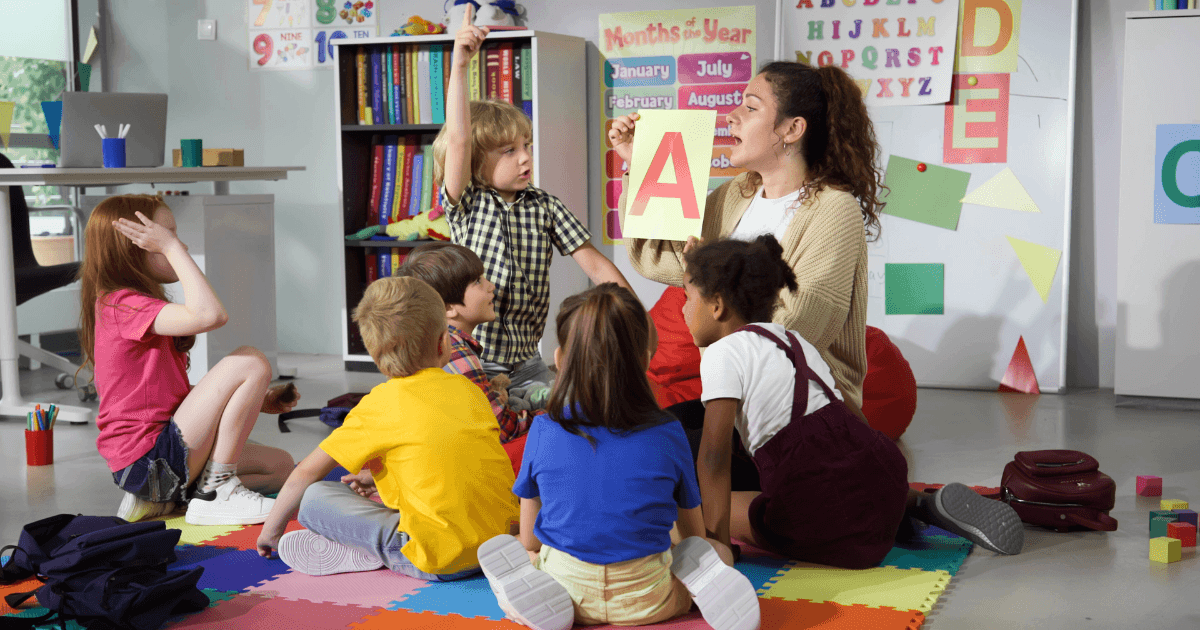
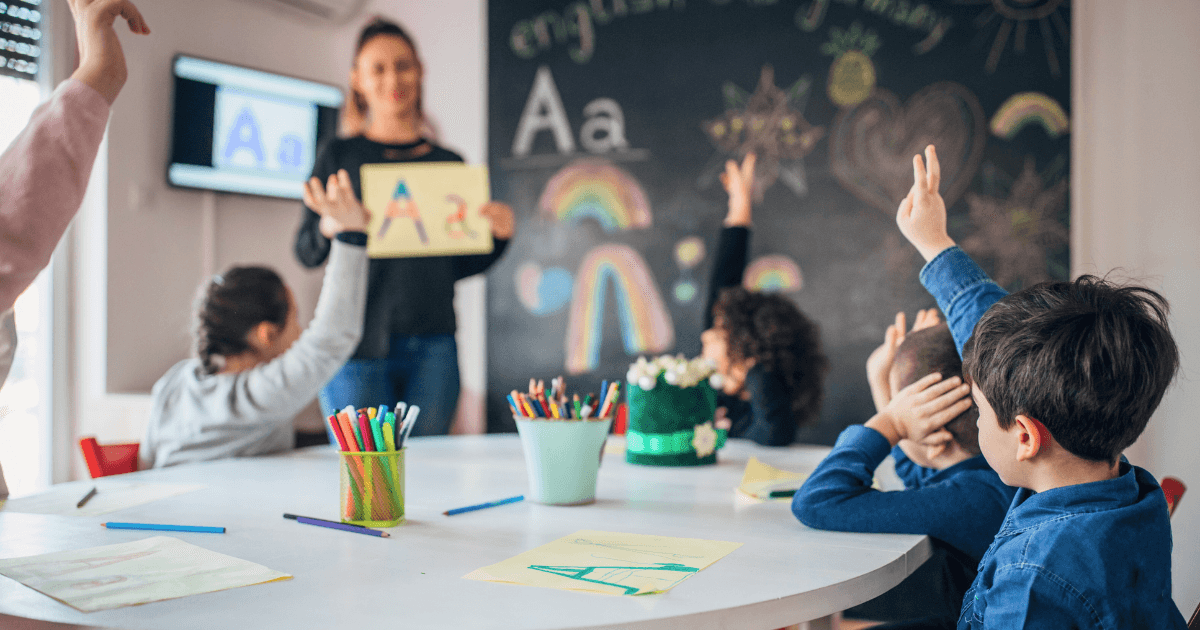
Letter recognition and early writing experiences
These foundational skills provide the building blocks for later reading success. Research published in the Journal of Educational Psychology consistently shows that children with strong early language experiences become more proficient readers in elementary school.
2. Early Math Concepts
Contrary to popular belief, preschool math isn’t about worksheets or memorization. Rather, it introduces mathematical thinking through playful, concrete experiences:
These hands-on experiences help children develop what educators call “number sense”—an intuitive understanding of how numbers work—which serves as the foundation for later mathematical learning.
3. Science and Discovery
Young children are natural scientists, constantly questioning and investigating their world. Quality preschool science curricula tap into this curiosity through:
Nature exploration and observation
Simple experiments with cause and effect
Classification of objects and materials
Sensory experiences
Introduction to scientific tools like magnifying glasses
These experiences don’t just build scientific knowledge—they nurture critical thinking skills and a sense of wonder about the world.
4. Social-Emotional Development
Perhaps the most crucial aspect of preschool learning involves developing the social-emotional skills that help children navigate relationships and regulate their emotions. This includes:
These physical skills directly support academic learning, as children need strong fine motor control for writing and gross motor development for sustained attention.
6. Creative Expression
Art, music, and imaginative play aren’t extras—they’re essential components that support brain development and emotional growth:
Visual arts exploration (painting, sculpting, collage)
These creative experiences help children process emotions, develop symbolic thinking, and express ideas in multiple ways.
Popular Preschool Educational Philosophies
One of the most significant choices parents face is selecting a preschool program that aligns with their values and their child’s learning style. Let’s explore some of the most influential educational approaches:
Montessori
Developed by Dr. Maria Montessori in the early 1900s, this child-centered approach emphasizes independence, freedom within limits, and respect for children’s natural development.
Key features:
Self-directed learning with specially designed materials
Rather than following a single educational theorist, play-based programs are grounded in decades of research showing that young children learn best through self-directed play.
Key features:
Child-directed free play as the primary learning vehicle
Teachers who scaffold learning through thoughtful questions
Rich environments with open-ended materials
Social interaction as a key learning tool
Learning embedded in authentic, meaningful contexts
Choosing the Right Curriculum Approach for Your Child
With so many options, how do you determine which approach best suits your child? Consider these factors:
Your child’s temperament and learning style: Does your child thrive with structure or prefer more freedom? Are they highly social or do they need time to work independently?
Your family’s values and priorities: What skills and dispositions matter most to you? How do you view the role of play, academics, nature, or the arts in early learning?
Program quality indicators: Regardless of philosophy, look for low teacher-to-child ratios, qualified staff, clean and engaging environments, and evidence of warm, responsive interactions.
Visit and observe: The best way to evaluate a program is to see it in action. How do children and teachers interact? Do children seem engaged and happy?
Remember that no single approach works for every child. Many excellent programs draw from multiple philosophies to create balanced, responsive learning environments.
Age-Appropriate Curriculum Planning
Quality preschool curricula recognize that children’s developmental needs evolve rapidly during the preschool years. Here’s a brief overview of typical developmental focuses by age:
As you explore preschool options, be aware of these common misconceptions:
Misconception #1: Earlier academic instruction leads to better outcomes.
Reality: Research from organizations such as the Alliance for Childhood consistently shows that pushing academic skills too early can backfire, creating stress and diminishing children’s natural love of learning. The most effective preschool programs balance playful learning with thoughtful skill-building.
Misconception #2: Play is just for fun, not for learning.
Reality: Play is actually young children’s most powerful learning tool. Through play, children develop critical thinking, problem-solving, social skills, language, and emotional regulation—all essential for later academic success.
Misconception #3: Worksheets and flashcards prepare children for kindergarten.
Reality: While these tools might teach isolated skills, they don’t develop the deeper thinking, creativity, and problem-solving abilities that truly prepare children for school success. Hands-on, meaningful experiences create stronger neural connections.
Misconception #4: All preschool programs are basically the same.
Reality: Preschool programs vary tremendously in quality, approach, and effectiveness. Taking time to research options and observe programs in action is well worth the effort.
Questions to Ask When Evaluating Preschool Curricula
Whether you’re considering a preschool program or evaluating your child’s current one, these questions can help assess curriculum quality:
How does the program balance child-directed and teacher-guided activities?
How is play incorporated as a learning vehicle?
How are children’s individual interests and developmental needs addressed?
What specific skills and concepts will children explore in each developmental domain?
How are families involved in the curriculum process?
How is children’s learning documented and shared?
How does the curriculum address diverse cultures, abilities, and family structures?
What research or educational philosophy informs the curriculum approach?
The Parent’s Role in Supporting Preschool Learning
The most effective early learning happens when families and preschools work in partnership. Here’s how you can support your child’s preschool experience:
Communicate regularly with teachers about your child’s interests and needs
Extend learning at home through conversations, books, and everyday experiences
Embrace your child’s questions and wonder alongside them
Provide open-ended materials that encourage creativity and problem-solving
Prioritize play and relationship-building over academic drills
Trust the process of developmentally appropriate learning, which sometimes looks messy and playful rather than academic
Final Thoughts: Why Preschool Curriculum Matters
The preschool years represent a unique window of opportunity in human development. During this time, children build not just specific skills but fundamental approaches to learning that can last a lifetime. A thoughtful, developmentally appropriate curriculum honors this critical period by providing the right balance of challenge, support, and joyful exploration.
As you navigate preschool options for your child, remember that the best curriculum isn’t necessarily the most academic or the most expensive—it’s the one that nurtures your whole child, sparks their curiosity, and builds their confidence as capable, creative learners.
What has your experience been with preschool curricula? Share your thoughts and questions in the comments below!