Pre-K Curriculum: What Your Child Will Learn Before Kindergarten
The year before kindergarten is a critical time in your child’s educational journey. Pre-kindergarten (Pre-K) programs provide a foundation of skills and knowledge that prepares children not just academically but also socially and emotionally for the transition to formal schooling.
If you’re wondering what your child will learn in Pre-K and how it will prepare them for success in kindergarten, this comprehensive guide will walk you through the key components of a quality Pre-K curriculum and what you can expect your child to experience in the year ahead.
The Purpose of Pre-K Education
Before diving into the specific areas of learning, it’s important to understand that Pre-K is designed as a developmentally appropriate introduction to school. According to PreKinders, “Pre-K children explore concepts at their own pace; mastery before Kindergarten is not required.”
This means that while Pre-K provides structured learning opportunities, the focus is on exploration, discovery, and the development of a positive attitude toward learning—not on achieving specific academic benchmarks. Learning is considered a “bonus” and involves hands-on materials, songs, and games that make education engaging and fun.
Language and Literacy Development
Literacy skills form a crucial part of the Pre-K curriculum, setting the stage for reading success in elementary school.
Alphabet Knowledge
By the end of Pre-K, most children will:
Recognize and name most uppercase letters and some lowercase letters
Begin to connect letters with their corresponding sounds
Identify the letters in their own name
Practice writing their first name
Phonological Awareness
These pre-reading skills help children understand the sounds of language:
Recognizing and creating rhymes
Clapping out syllables in words
Identifying words that start with the same sound (alliteration)
Blending sounds to form words
Concepts of Print
Children learn the basics of how books and print work:
Holding a book correctly
Understanding that print carries meaning
Recognizing that we read from left to right and top to bottom
Identifying the front and back of a book
Vocabulary and Language
Pre-K programs emphasize language development through:
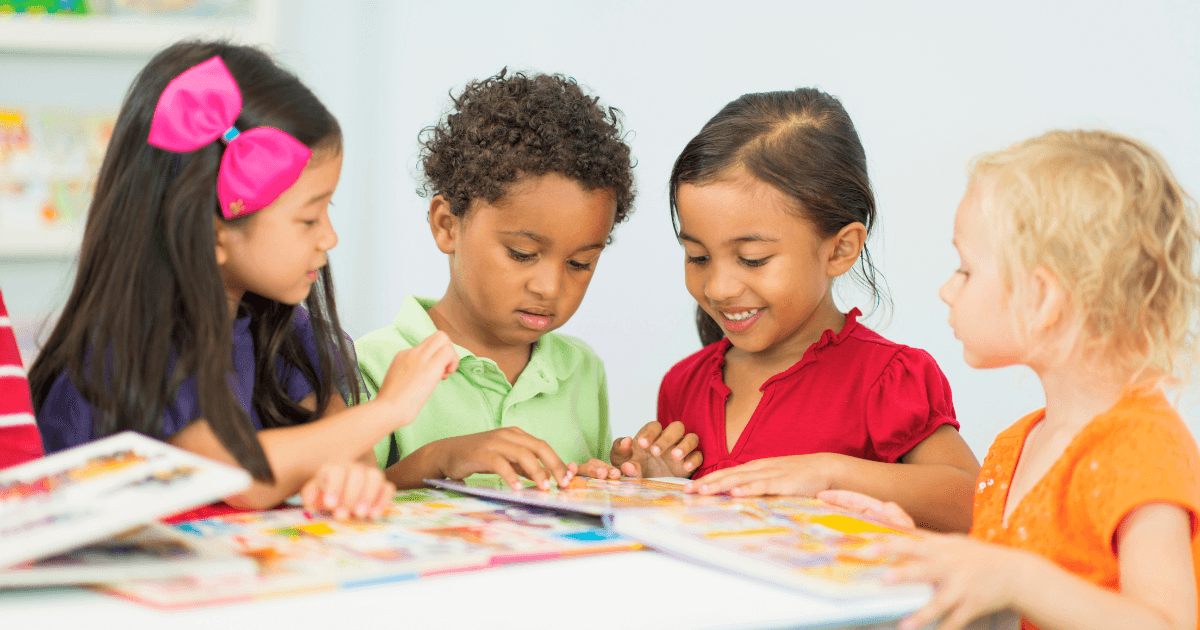
Daily read-alouds to expand vocabulary
Discussions that encourage children to express their thoughts and ideas
Storytelling and retelling familiar stories
Answering questions about stories
According to MECK Pre-K, these language and literacy skills help children “develop a positive attitude towards reading and writing” that will serve them throughout their educational journey.
Mathematical Thinking
Math in Pre-K focuses on developing number sense and understanding basic mathematical concepts through hands-on activities.
Number Concepts
By the end of Pre-K, most children will:
Count objects to 10 or more
Recognize and name numerals from 1 to 10 or higher
Understand one-to-one correspondence (matching one object to one number)
Compare groups of objects (more, less, same)
Geometry and Spatial Sense
Children explore shapes and spatial relationships:
Understanding position words (above, below, next to)
Creating and extending patterns (AB, AABB, ABC)
Measurement Concepts
Pre-K introduces basic measurement ideas:
Comparing sizes (small, medium, large)
Exploring weight with balance scales
Understanding time concepts (day/night, before/after)
Sorting and classifying objects by attributes
Teaching Strategies notes that quality Pre-K programs provide “daily experiences for language, literacy, and math to ensure children are socially, emotionally, and academically ready for kindergarten.”
Science and Discovery
A pre-K science curriculum encourages curiosity and observational skills, helping children make sense of the world around them.
Scientific Exploration
Children engage in hands-on investigations:
Using tools like magnifying glasses, prisms, and magnets
Making observations and predictions
Asking questions and seeking answers
Documenting discoveries through drawings or dictated notes
Natural World
Pre-K students learn about:
Plants and how they grow
Animals and their habitats
Weather patterns and seasons
Basic environmental concepts
Physical Science
Simple physics concepts are introduced through play:
Properties of materials (sink/float, magnetic/non-magnetic)
Simple machines and how things work
Cause and effect relationships
States of matter (solid, liquid, gas)
According to Sonlight, Pre-K science helps children “understand the physical world around them” through engaging, hands-on activities that spark curiosity.
Social-Emotional Development
Perhaps the most critical component of Pre-K education is social-emotional learning, which research shows is strongly linked to academic success and kindergarten readiness.
Self-Awareness and Self-Management
Children develop:
Recognition and naming of emotions
Strategies for managing strong feelings
Independence in self-care routines
Confidence in trying new things
Relationship Skills
Pre-K provides opportunities to practice:
Taking turns and sharing
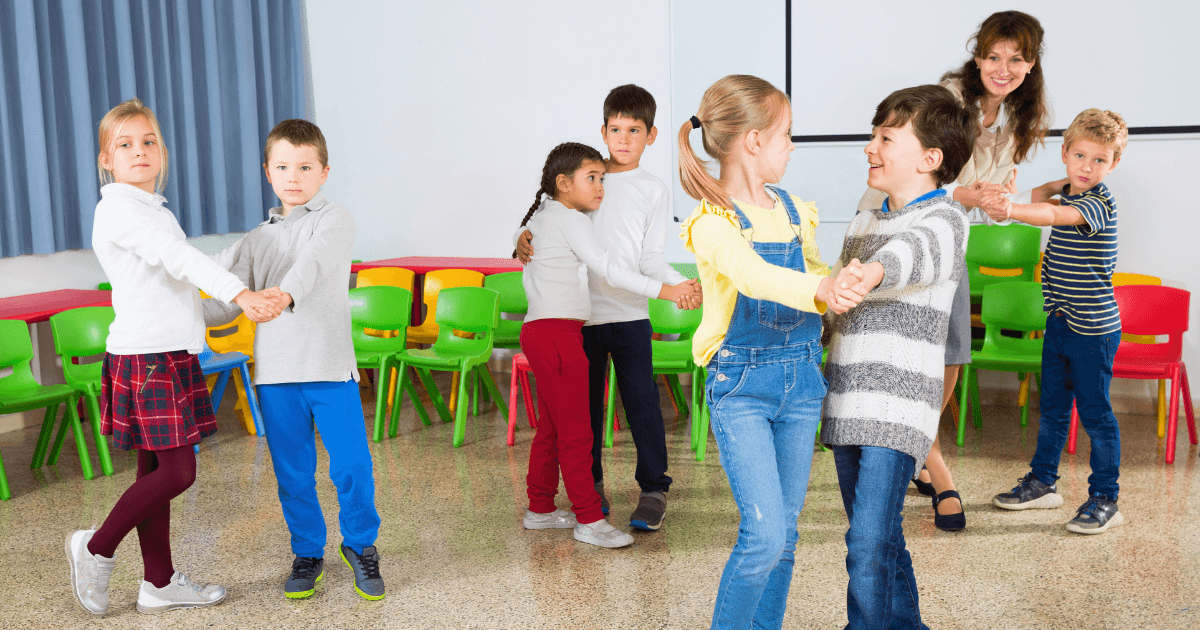
Cooperating with peers
Resolving conflicts peacefully
Using words to express needs and feelings
Social Awareness
Children learn about:
Recognizing others’ feelings
Showing empathy and compassion
Understanding classroom rules and expectations
Respecting differences among people
Second Step emphasizes that “children who enter kindergarten with developed human skills are set up for greater success,” noting that their Pre-K curriculum focuses on “skills for learning, empathy, emotion management, friendship skills, and transitioning to kindergarten.”
Research supports this focus on social-emotional learning, with studies showing that preschoolers who participated in structured social-emotional learning exhibited increased executive functioning—a key predictor of kindergarten readiness.
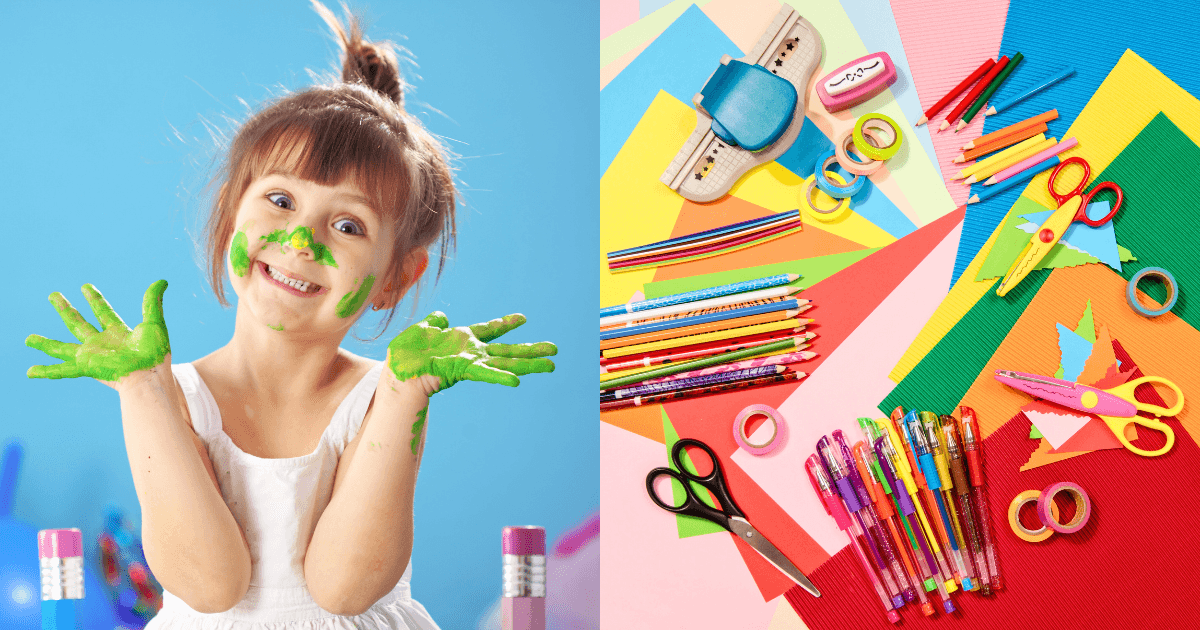
Creative Arts
Artistic expression is a valuable component of Pre-K education, fostering creativity, fine motor skills, and self-expression.
These creative experiences help children develop confidence, problem-solving skills, and the ability to express themselves in multiple ways.
Physical Development
Pre-K curriculum includes activities that develop both fine and gross motor skills, which are essential for kindergarten success.
Fine Motor Skills
Children practice:
Using scissors, crayons, and pencils
Manipulating small objects
Stringing beads and lacing cards
Building with blocks and other construction materials
Gross Motor Skills
Outdoor and active play helps children:
Run, jump, hop, and skip
Throw and catch balls
Balance and coordinate movements
Develop strength and endurance
These physical skills are directly connected to academic success—fine motor control is necessary for writing, while gross motor development supports focus and attention in the classroom.
Frog Street notes that their curriculum focuses on “refining attention” and “navigating academic content and peer relationships,” which are key executive functioning skills that support kindergarten readiness.
Approaches to Learning
Quality Pre-K programs foster positive approaches to learning that will serve children throughout their educational careers.
Curiosity and Initiative
Children are encouraged to:
Ask questions
Try new activities
Seek information
Show interest in learning
Persistence and Problem-Solving
Pre-K students develop:
Willingness to try difficult tasks
Strategies for overcoming obstacles
Completion of challenging activities
Creative solutions to problems
Flexibility and Creativity
Children practice:
Adapting to new situations
Considering multiple perspectives
Thinking outside the box
Making connections between ideas
These approaches to learning are as important as specific academic skills, as they foster a lifelong love of learning and the resilience needed for school success.
How Pre-K Curriculum Is Delivered
Understanding how Pre-K curriculum is delivered can help you evaluate programs and support your child’s learning at home.
Play-Based Learning
Quality Pre-K programs recognize that play is the primary way young children learn. Through carefully designed play experiences, children explore curriculum concepts in meaningful ways.
Intentional Teaching
Teachers plan specific learning experiences based on curriculum goals, while remaining flexible to follow children’s interests and needs.
Learning Centers
Classrooms are typically organized into distinct areas (blocks, dramatic play, art, science, etc.) where children can explore different aspects of the curriculum through hands-on activities.
Small and Large Group Activities
A balance of whole-class, small-group, and individual activities provides varied learning experiences and accommodates different learning styles.
Integrated Learning
Rather than teaching subjects in isolation, quality Pre-K programs integrate learning across domains. For example, a unit on plants might incorporate science, math, literacy, art, and social skills.
According to CASEL, effective Pre-K programs embed social and emotional learning throughout the day, recognizing that “SEL is essential for creating supportive educational environments and improving academic outcomes.”
Teaching Strategies notes that their Creative Curriculum for Pre-K includes “family engagement tools” that align with classroom learning, recognizing the importance of home-school connections.
Supporting Pre-K Learning at Home
You play a crucial role in reinforcing and extending your child’s Pre-K learning. Here are some ways to support their development:
Read Together Daily
Reading aloud builds vocabulary, comprehension, and a love of books. Discuss stories, ask open-ended questions, and point out letters and words.
Engage in Conversations
Rich language experiences at home build vocabulary and communication skills. Discuss daily events, ask questions, and encourage your child to express their thoughts.
Incorporate Math into Daily Life
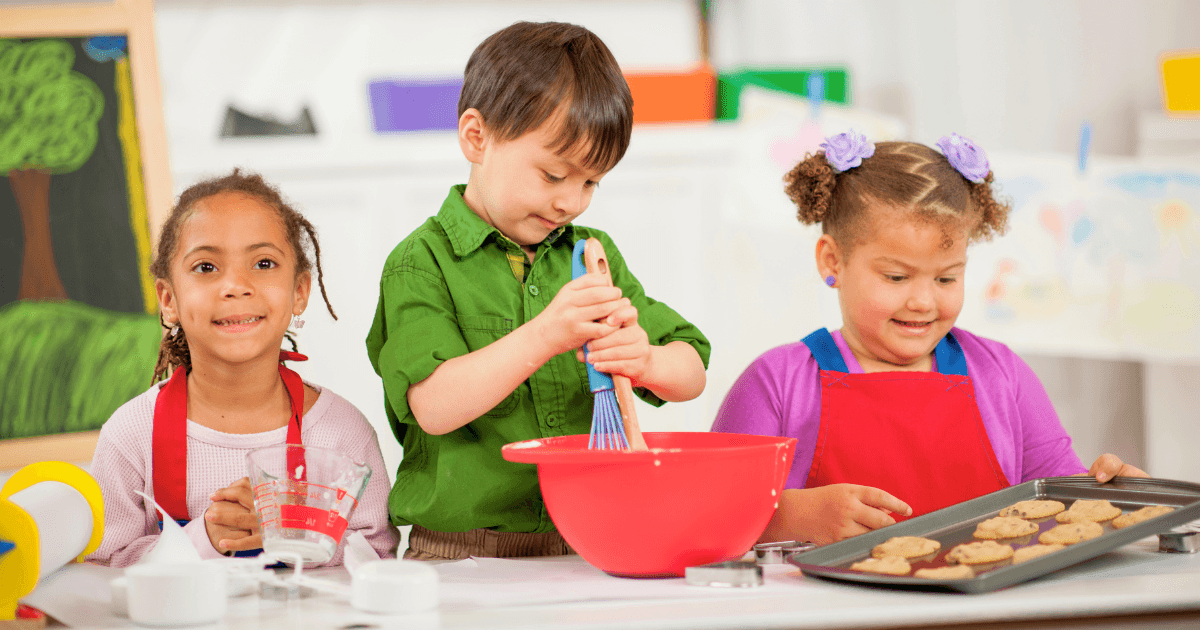
Count objects, identify shapes in the environment, sort laundry, measure ingredients while cooking, and talk about time concepts throughout the day.
Encourage Independence
Allow your child to dress themselves, prepare simple snacks, clean up toys, and solve problems—building the self-help skills needed for kindergarten.
Provide Art and Sensory Experiences
Offer materials for drawing, painting, and creating, as well as sensory experiences like playdough, water play, and nature exploration.
A quality Pre-K curriculum provides a balanced foundation of academic, social-emotional, and physical skills that prepare children for success in kindergarten. While specific content may vary between programs, the focus remains on developing the whole child through engaging, developmentally appropriate experiences.
Remember that Pre-K is not about achieving perfect mastery of skills, but about fostering a love of learning, building confidence, and developing the foundational abilities that will support your child throughout their educational journey. By understanding what your child will learn in Pre-K, you can better support their growth and make informed decisions about their early education.
What aspects of Pre-K learning are you most excited about for your child? Share your thoughts and questions in the comments below!