Mid-Year Enrollment: Helping New Students Join an Established Classroom
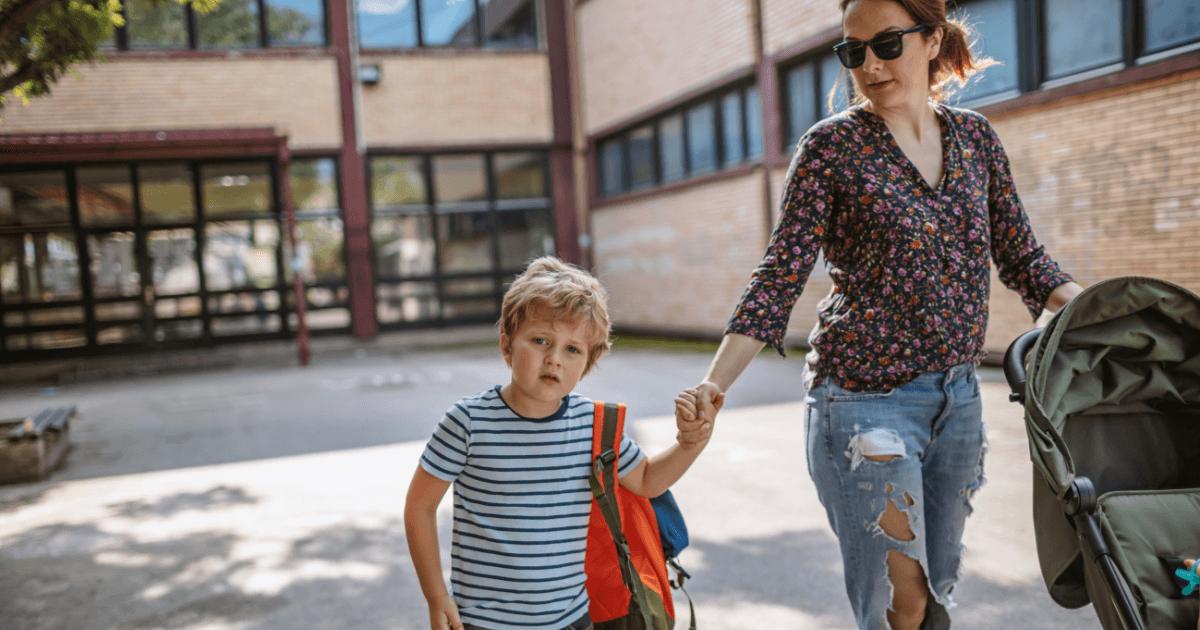
Walking into a classroom where friendships have already formed, inside jokes are established, and classroom routines are second nature can feel like entering a party where everyone knows each other except you. For a child joining mid-year, this experience can range from mildly uncomfortable to downright overwhelming.
As educators and parents, we have the power to transform this potentially rocky transition into an opportunity for growth, not just for the new student but for the entire classroom community. Let’s explore practical strategies to welcome mid-year arrivals with warmth and intentionality.
Understanding the Mid-Year Transition Challenge
Before diving into strategies, it’s important to recognize what mid-year students are experiencing. According to a study highlighted by Edutopia, relationships with peers are central in alleviating concerns during transitions to new schools. Mid-year transfers face unique challenges:
They’ve missed the collective “getting to know you” phase from the beginning of the year
Classroom norms and procedures are already established
Academic content may differ from their previous school
Social groups have solidified, making it harder to find their place
They may be dealing with additional stressors like family relocation or changes
Understanding these challenges helps us address them with empathy and targeted support.
Before the New Student Arrives
Preparation is key to a successful transition. Here’s how to set the stage for a warm welcome:
Prepare Your Existing Students
Hold a class meeting to discuss what it feels like to be new and to brainstorm ways to be welcoming.
Assign welcome buddies or a small welcome committee responsible for different aspects of integration (one for academic routines, one for lunch and recess, etc.).
Create a welcome kit with the class, including a map of the school, class schedule, and personal notes from classmates.
“When we knew Mateo would be joining us in February, we spent an afternoon making a classroom guidebook with student-written sections about everything from where to line up to the best swings at recess,” shares Ms. Rodriguez, a third-grade teacher. “The process benefited my existing students as much as Mateo—they took such pride in their classroom when they saw it through fresh eyes.”
Prepare the Physical Environment
Set up the new student’s space with the necessary supplies and a personalized welcome sign.
Update visual displays to include the new student’s name on job charts, birthday calendars, and similar materials.
Create a photo opportunity spot where the new student can take a “first day” picture, just like everyone else did in September.
Prepare Yourself
Review the new student’s records to understand their academic history and any special needs.
Prepare differentiated materials if needed to bridge potential learning gaps.
Plan flexible groupings for the first few weeks to help the student find compatible work partners.
The First Day: Making a Strong Start
The first impression sets the tone for the entire transition. Here’s how to make it count:
Morning Welcome
Greet the student personally at the door with genuine enthusiasm
Introduce welcome buddies immediately to provide peer support
Have a “get to know you” activity ready that doesn’t put the new student on the spot
Play a class favorite game with a twist that allows everyone to reintroduce themselves
Incorporate a cooperative project that requires mixed groups and allows the new student to contribute meaningfully
“We use a ‘new friend scavenger hunt’ where students find classmates who share interests with our new arrival,” explains Mr. Chen, a middle school advisor. “It’s based on a questionnaire the new student completes privately with me before meeting the class. This creates instant connections based on shared interests rather than just proximity.”
End-of-Day Reflection
Check in privately with the new student about their first day
Highlight positive moments you observed throughout the day
Address any concerns and make adjustments for tomorrow
Ongoing Integration: Beyond the First Week
True belonging takes time to develop. Here are strategies to support continued integration:
Academic Support
Conduct informal assessments to identify any learning gaps
Provide “catch-up” materials that can be accessed independently or with peer support
Use flexible grouping to place the new student with different peers based on learning needs
According to AdoptAClassroom.org, low-pressure learning opportunities, such as educational games and differentiated instruction, can build confidence in new students as they adjust to classroom expectations.
Social Integration
Implement structured socialization through regularly rotating partner activities.
Use assigned seating that changes periodically to increase opportunities for friendship.
Create collaborative projects that build on each student’s strengths.
Research from 2021 indicates that switching from student-selected to assigned seating can increase the likelihood of forming new friendships by almost 50%. This simple change can make a significant difference for mid-year arrivals.
Emotional Support
Establish a check-in system using a mood meter or private signal
Create opportunities for expression through writing, art, or other creative outlets
Normalize the adjustment period by sharing stories of other successful transitions
Supporting Diverse Mid-Year Enrollment Scenarios
Different circumstances call for tailored approaches:
For Students Relocating from Another Area
Celebrate their previous home by incorporating aspects of their former community or culture
Connect them with others who have experienced similar moves
Provide opportunities to share unique perspectives from their previous location
For English Language Learners
Use visual supports and translated materials when possible
Pair with bilingual buddies who can help bridge communication gaps
Incorporate culturally relevant materials that reflect the student’s background
For Students with Special Needs
Ensure accommodations are in place from day one
Communicate clearly about available support systems
Create a quiet space where the student can retreat if feeling overwhelmed
Partnering with Parents
Parents are crucial allies in successful transitions:
Schedule a welcome meeting within the first week
Provide regular updates on social and academic integration
Ask for insights about the student’s adjustment at home
Share classroom routines and expectations clearly to reduce home anxiety
“The most helpful thing when my daughter changed schools mid-year was her teacher’s daily email with a quick photo and one positive moment from the day,” shares parent Jamie Lewis. “It gave us conversation starters at home and reassured us that she was finding her place.”
Measuring Success: Beyond Academic Integration
How do we know if our integration efforts are working? Look for these indicators:
The student initiates social interactions rather than waiting to be approached
They participate voluntarily in class discussions
They demonstrate ownership of classroom responsibilities
They express positive feelings about school during check-ins
Their parents report positive adjustment at home
When Additional Support Is Needed
Sometimes, despite our best efforts, a student struggles to adjust. Signs that more support may be needed include:
Persistent withdrawal or isolation after several weeks
Declining academic performance
Frequent absences or complaints about not wanting to attend school
Emotional outbursts or significant behavior changes
In these cases, consider:
Consulting with school counselors for additional strategies
Implementing a more structured support plan with specific goals
Meeting with parents to coordinate home and school approaches
The Silver Lining of Mid-Year Transitions
While challenging, mid-year enrollment offers unique benefits:
Opportunity to refresh classroom culture and revisit community values
Practice empathy and inclusion for all students
Development of social flexibility as groups expand to include new members
Authentic context for teaching social skills that benefit everyone
“Our mid-year arrival from Venezuela last year prompted us to start a cultural exchange project that became the highlight of our spring semester,” recalls fifth-grade teacher Ms. Patel. “What began as an effort to help one student feel welcome transformed our entire curriculum most beautifully.”
Final Thoughts
Mid-year transitions don’t have to be traumatic interruptions. With planning, ongoing support, and a community approach, they can become valuable growth experiences for everyone involved. By creating systems that welcome new students throughout the year, we build more resilient, inclusive classroom communities—and isn’t that what education is all about?
Have you welcomed a mid-year student recently? Share your strategies and success stories in the comments below!