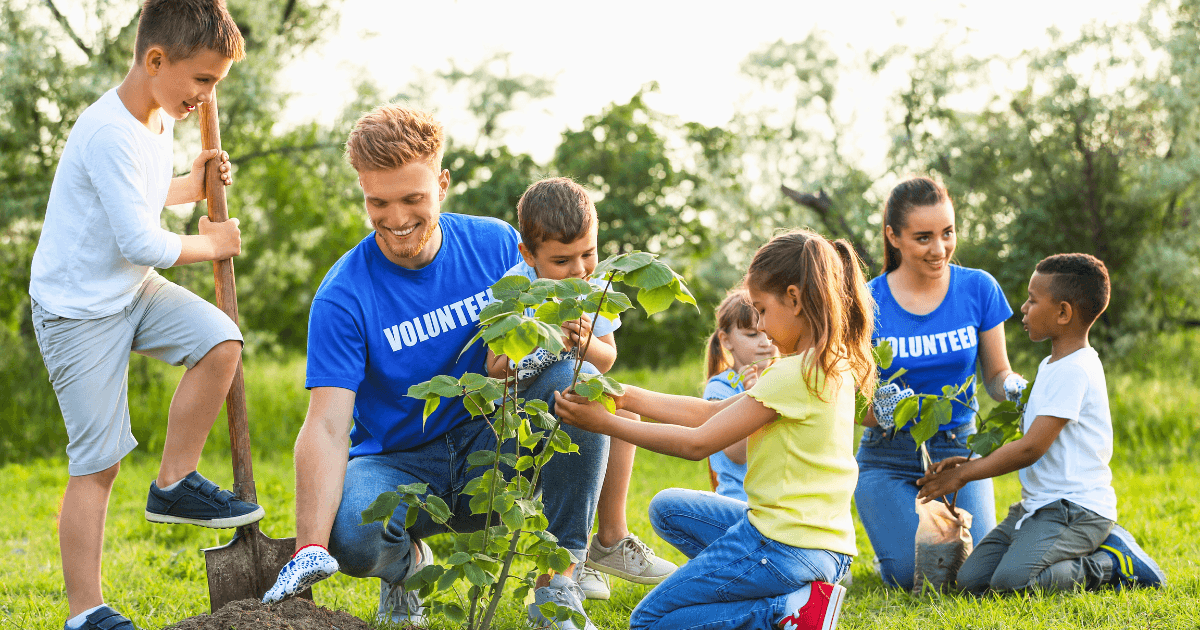
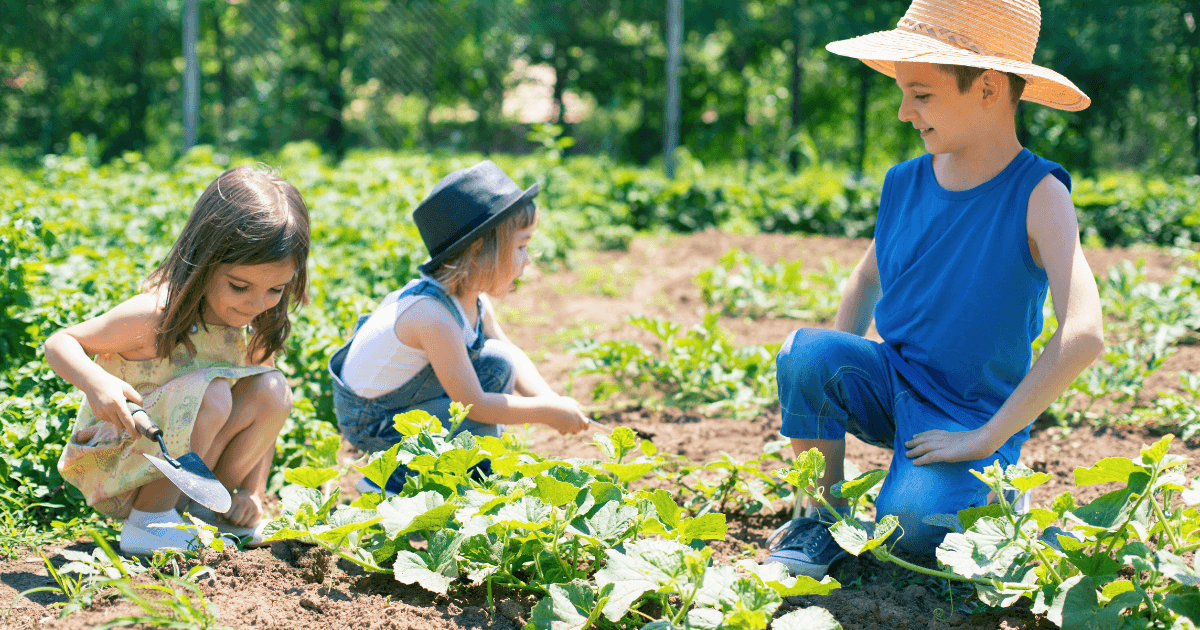
When Maple Grove Preschool launched its “Family Friday” program—where parents took turns leading small-group activities based on their unique skills and interests—something unexpected happened. Not only did the children benefit from exposure to everything from basic carpentry to traditional dance, but the parents began forming connections that extended beyond the classroom. Playdates were arranged, carpools organized, and eventually, a parent-led community garden took root on an unused patch of school property.
This scenario illustrates the profound impact that thoughtfully designed parent volunteer programs can have on early childhood communities. According to research, family engagement is one of the most important predictors of students’ success in school. Furthermore, when parents are actively involved, schools see higher test scores, improved attendance, and stronger school communities.
Let’s explore how to create parent volunteer programs that not only support your program but also build a thriving community.
Why Parent Volunteer Programs Matter
Before diving into the “how,” let’s consider the compelling “why” behind parent volunteer programs:
Benefits for Children
When parents volunteer in early childhood settings, children gain:
Increased sense of security: Seeing parents valued in the school environment helps children feel safe and connected
Enhanced learning: Parent involvement reinforces the importance of education
Broader experiences: Parents bring diverse skills and perspectives that enrich the curriculum
Pride and confidence: Children feel special when their family members contribute
Stronger home-school connection: Learning extends more naturally between school and home
Benefits for Families
Parent volunteer programs offer families:
A deeper understanding of their child’s educational experience
Meaningful relationships with teachers, staff, and other families
Voice and agency in their child’s education
Skill development through new experiences and responsibilities
Sense of belonging within the school community
Benefits for Programs
Early childhood programs gain:
Additional support for teachers and staff
Expanded resources through parent skills and connections
Improved communication channels with families
Stronger advocacy as engaged parents become program champions
Core Principles for Effective Parent Volunteer Programs
Successful parent volunteer programs are built on several key principles:
1. Inclusive Design
Effective programs recognize and accommodate diverse family circumstances:
Varied scheduling options: Opportunities during different times of day, evenings, and weekends
Range of commitment levels: From one-time events to ongoing roles
Remote and in-person options: Ways to contribute both on-site and from home
Skill-based matching: Opportunities aligned with different interests and abilities
Cultural responsiveness: Volunteer activities that respect and celebrate diversity
2. Authentic Partnership
Parent volunteers should be viewed as valuable partners, not just extra hands:
Meaningful roles: Opportunities that make a real difference
Two-way communication: Regular dialogue about needs and ideas
Shared decision-making: Parent input on volunteer program design
Recognition of expertise: Valuing the unique knowledge parents bring
Continuous feedback: Regular opportunities to reflect and improve
3. Clear Structure
Even flexible programs need thoughtful organization:
Defined roles: Clear descriptions of volunteer opportunities
Simple systems: Easy-to-navigate sign-up and scheduling processes
Consistent communication: Regular updates and reminders
Appropriate training: Preparation for specific volunteer roles
Designated coordination: Someone responsible for managing the volunteer program
4. Community-Building Focus
The most successful programs intentionally foster connections:
Relationship-building components: Time for volunteers to connect
Collaborative opportunities: Chances for parents to work together
Cross-family engagement: Activities that connect families from different backgrounds
Celebration and recognition: Events that honor volunteer contributions
Extended community connections: Partnerships that reach beyond the immediate school community
Types of Parent Volunteer Programs
Parent volunteer programs can take many forms, each with unique benefits for community building:
1. Classroom Support Volunteers
Parents assist directly with classroom activities:
Examples:
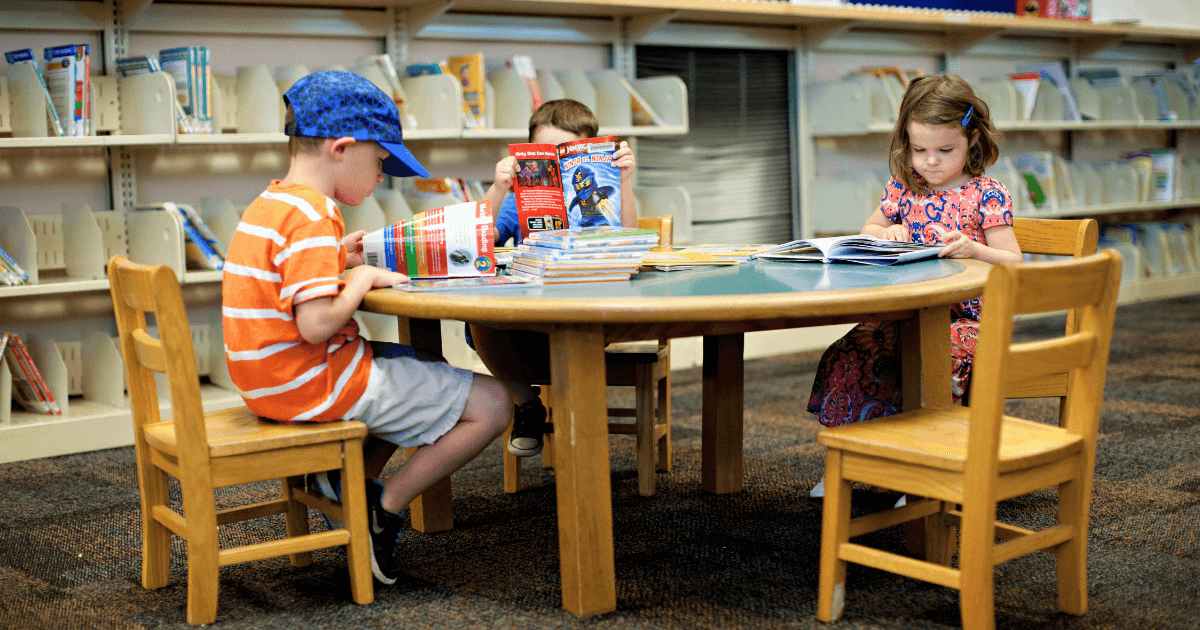
Reading buddies who listen to children read
Activity station helpers during center time
Special project assistants for art, cooking, or science activities
Documentation helpers who photograph learning experiences
Community-building enhancement: Schedule volunteers in pairs or small groups to foster parent-to-parent connections, and create a volunteer photo board to help families identify one another.
2. Special Event Teams
Parents collaborate to plan and implement special events:
Community-building enhancement: Create mixed teams that include both new and returning families, and build in social components such as planning meetings over coffee or hosting potluck dinners.
3. Expertise Sharing Programs
Parents share their knowledge, skills, and cultural traditions:
Examples:
“Parent as Teacher” days, where parents share their occupations
Cultural heritage demonstrations
Hobby and skill workshops
Storytime in home languages
Community-building enhancement: Create a “parent talent directory” that helps families connect based on shared interests or complementary skills.
4. At-Home Contributors
Parents support the program through tasks completed at home:
Digital content creation (newsletters, social media)
Community-building enhancement: Create supply-preparation gatherings where parents can work together and socialize, or use a digital platform for at-home volunteers to connect virtually.
Community-building enhancement: Structure committees to include regular social components and cross-committee collaboration opportunities.
Designing Your Parent Volunteer Program
Creating an effective parent volunteer program requires thoughtful planning:
1. Assess Needs and Assets
Start by understanding both what your program needs and what families can offer:
Program needs assessment: Identify areas where volunteer support would be most valuable
Family skills inventory: Survey families about their interests, skills, and availability
Cultural considerations: Understand cultural factors that might influence participation
Logistical realities: Consider transportation, scheduling, and language needs
Action step: Create a simple survey that asks families about their interests, skills, availability, and preferred ways to contribute.
2. Create Diverse Opportunities
Design a range of volunteer roles to accommodate different family situations:
Time commitment spectrum: From one hour to ongoing opportunities
Skill level variety: From simple tasks to specialized contributions
Location flexibility: On-site, at-home, and virtual options
Language considerations: Roles that accommodate different language abilities
Family circumstance awareness: Options for families with younger siblings, transportation limitations, etc.
Action step: Develop at least three different types of volunteer opportunities with varying time commitments, skill requirements, and locations.
3. Establish Clear Systems
Create simple, accessible processes for volunteer engagement:
Streamlined sign-up: Easy-to-use registration system (paper and/or digital)
Clear communication: Regular updates about volunteer needs and opportunities
Consistent scheduling: Predictable volunteer schedules when possible
Simple documentation: Basic record-keeping for volunteer hours and activities
Feedback mechanisms: Ways for volunteers to share their experiences
Action step: Select a volunteer management approach—whether a simple paper sign-up, digital tool, or designated coordinator—that fits your program’s resources.
4. Provide Appropriate Preparation
Help volunteers feel confident and successful:
Basic orientation: Introduction to the program’s approach and expectations
Role-specific guidance: Clear instructions for specific volunteer tasks
Cultural sensitivity training: Support for working with diverse children and families
Ongoing support: Regular check-ins with volunteer participants
Growth opportunities: Chances to develop new skills and take on new responsibilities
Action step: Create a simple volunteer handbook or orientation guide that covers essential information.
5. Intentionally Build Community
Incorporate specific elements that foster connections:
Social components: Time for volunteers to interact informally
Relationship mapping: Activities that help identify shared interests
Recognition events: Celebrations that honor volunteer contributions
Communication channels: Ways for volunteers to connect outside of scheduled activities
Leadership development: Opportunities for parents to take increasing ownership
Action step: Plan at least one community-building event each semester specifically for volunteer participants.
Overcoming Common Challenges
Even well-designed volunteer programs face obstacles. Here’s how to address common challenges:
1. Limited Participation
Challenge: Only a small group of parents consistently volunteers.
Solutions:
Conduct targeted outreach to understand barriers to participation
Create entry-level, low-commitment opportunities to build confidence
Implement a “buddy system” pairing new volunteers with experienced ones
Highlight diverse volunteer stories to show that “everyone belongs”
Schedule volunteer activities at varied times to accommodate different schedules
Challenge: Families from diverse cultural backgrounds may not feel comfortable volunteering.
Solutions:
Ensure volunteer materials are available in all languages represented in your community.
Create culture-specific volunteer roles that value cultural knowledge.
Recruit “cultural brokers” who can help bridge cultural differences.
Provide translation support for volunteer activities.
Incorporate cultural traditions into volunteer events.
3. Volunteer Management Capacity
Challenge: Limited staff time for coordinating volunteer efforts.
Solutions:
Develop parent volunteer coordinator roles
Create self-managing volunteer teams with clear guidelines
Utilize digital tools to streamline volunteer management
Start small with manageable volunteer initiatives
Incorporate volunteer coordination into existing staff roles
4. Maintaining Momentum
Challenge: Initial enthusiasm wanes over time.
Solutions:
Regularly refresh volunteer opportunities based on feedback
Create a volunteer recognition system to maintain motivation
Develop a volunteer progression path with increasing responsibility
Schedule regular community-building events for volunteers
Share impact stories that demonstrate the value of volunteer contributions
Successful Parent Volunteer Program Models
Learning from existing models can inspire your own program:
The Family Partnership Network
A preschool in Portland created a volunteer system based on family strengths:
Key elements:
Initial “family assets” survey identifying skills, interests, and cultural knowledge
Quarterly “expertise sharing” days where parents led small group activities
“Partnership pairs” connecting families with complementary skills and interests
Monthly volunteer appreciation breakfasts with intentional community-building activities
Digital platform for sharing volunteer opportunities and connecting families
Impact: The program saw 85% family participation, with particularly strong engagement from immigrant families whose cultural knowledge was explicitly valued. Families reported forming friendships that extended beyond the school setting, and many continued volunteering after their children graduated.
The Flexible Contribution Model
A family childcare network developed a system accommodating diverse family circumstances:
Key elements:
“Contribution menu” with options requiring different skills, time commitments, and locations
“Volunteer from home” program for families with transportation or scheduling challenges
Quarterly “community workdays” combining volunteer activities with social opportunities
Family skills database matching parent expertise with program needs
“Volunteer passport” documenting different types of contributions
Impact: Participation increased from 35% to 78% of families, with particularly notable growth in involvement from single-parent families and those working multiple jobs. The program reported stronger family relationships and reduced staff burnout due to the distribution of responsibilities.
The Community Connections Initiative
A Head Start program focused on building broader community connections:
Key elements:
Parent ambassador program trains parents as community liaisons
How do you know if your parent volunteer program is truly building community? Consider these indicators:
1. Participation Patterns
Look beyond total numbers to examine:
Diversity of participants: Are families from all backgrounds participating?
Range of involvement: Are there various ways families contribute?
New volunteer recruitment: Are new families getting involved?
Sustained engagement: Do volunteers continue participating over time?
2. Relationship Development
Observe how relationships are forming:
Cross-family connections: Are families forming relationships with each other?
Staff-family partnerships: Are authentic relationships developing between staff and families?
Extended community connections: Are relationships extending beyond the program?
Support networks: Are families supporting each other in tangible ways?
3. Community Impact
Consider broader indicators of community:
Collaborative initiatives: Are families working together on shared projects?
Mutual support: Are families helping each other beyond organized activities?
Collective advocacy: Are families uniting around shared concerns?
Community identity: Do families express a sense of belonging to the program community?
4. Family Feedback
Gather perspectives directly from participants:
Satisfaction surveys: Do families find volunteer experiences meaningful?
Relationship measures: Have families formed new connections?
Sense of belonging: Do families feel part of a community?
Improvement suggestions: What ideas do families have for enhancing the program?
Action step: Create a simple evaluation plan that includes both quantitative measures (participation rates, hours contributed) and qualitative indicators (relationship formation, sense of community).
Starting Small: First Steps to Building Your Program
Building a robust parent volunteer program takes time. Here’s how to begin:
1. Start with a Pilot Initiative
Begin with a focused, manageable project:
Choose one type of volunteer opportunity to implement well
Select an approach that addresses a clear program need
Ensure the initial effort explicitly includes community-building components
Create a simple evaluation plan to learn from the pilot
Celebrate and share successes, even small ones
2. Build a Core Team
Don’t go it alone:
Identify 3-5 parents representing diverse perspectives
Invite them to help design the volunteer program
Meet regularly to plan, implement, and evaluate
Provide meaningful leadership opportunities
Use this team to reach out to other families
3. Create a Year-One Plan
Map out a realistic implementation timeline:
Set clear, achievable goals for the first year
Plan for gradual expansion of opportunities
Schedule regular reflection and adjustment points
Include specific community-building milestones
Build in celebration and recognition components
Action step: Create a simple one-page plan that outlines your pilot initiative, core team development, and the first-year implementation timeline.
Conclusion: From Volunteers to Community
When parent volunteer programs are thoughtfully designed, they transform from simple help systems into powerful community-building engines. Parents move from being occasional helpers to essential partners in creating a vibrant learning community. Children witness meaningful collaboration between the important adults in their lives. Staff members gain partners who share their commitment to children’s wellbeing.
As one preschool director reflected: “We started our parent volunteer program because we needed help with classroom materials and special events. What we’ve created is something far more valuable. In this community, families know and support each other, where cultural differences are celebrated as assets, and where children see adults working together for their benefit. The actual volunteer tasks are almost secondary to the relationships that have formed.”
By focusing on inclusive design, authentic partnership, clear structure, and intentional community building, your parent volunteer program can become a cornerstone of a connected, supportive early childhood community. In this community, families don’t just contribute time—they find belonging, build relationships, and create networks of support that often extend far beyond their children’s early years.
The most successful programs recognize that parents aren’t just volunteers—they’re community members with valuable perspectives, skills, and connections. When we shift our mindset from “getting help” to “building community,” we unlock the true potential of parent engagement. This shift doesn’t just benefit our programs in the moment; it creates ripple effects that strengthen families, neighborhoods, and communities for years to come.
As you embark on creating or enhancing your parent volunteer program, remember that the strongest communities grow gradually, through meaningful shared experiences and authentic relationships. Start small, listen deeply, and celebrate each step toward the vibrant community your children and families deserve.
What parent volunteer initiatives have built community in your program? Share your experiences and tips in the comments below.