Library Partnerships: Maximizing Your Relationship with Public Libraries

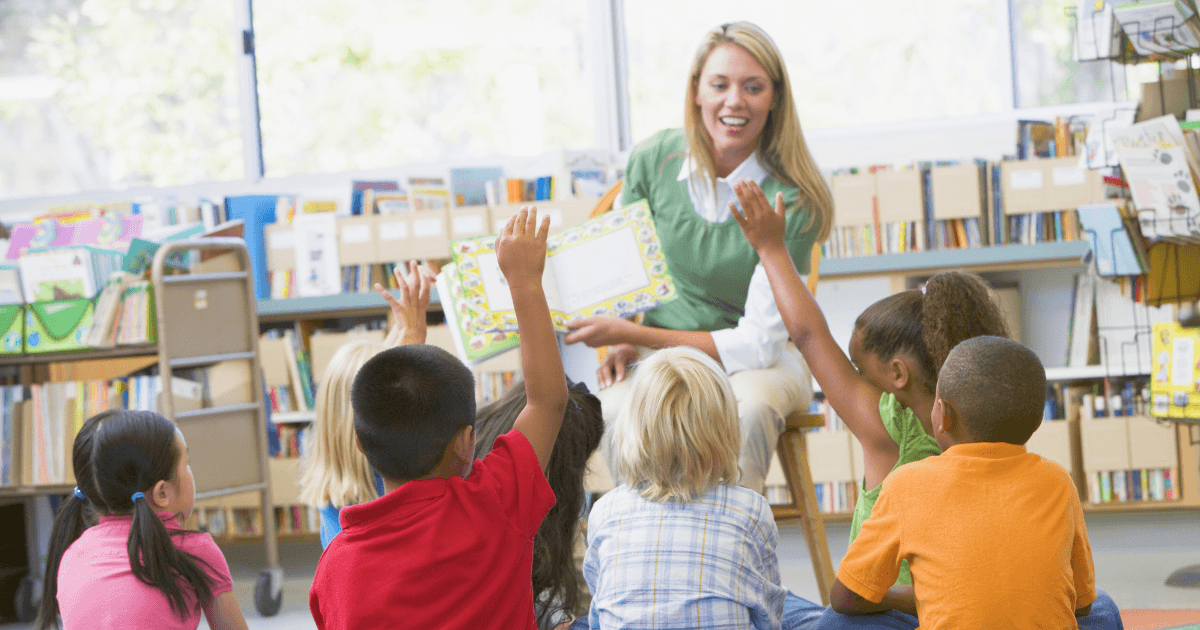
In a small community room at the local public library, preschoolers gather on a colorful carpet as a children’s librarian animatedly reads a story about butterflies. Their teachers observe, taking mental notes about the engaging techniques being used. Later, these same children will explore butterfly-themed learning stations co-created by library staff and their teachers—a perfect complement to the classroom’s current science unit.
This scene represents just one of countless possibilities when early childhood programs forge strong partnerships with public libraries. As community anchors present in nearly every neighborhood across America, public libraries serve as essential centers for learning, offering resources that can significantly enhance early childhood education.
Yet many educators and programs only scratch the surface of what these partnerships can offer. Let’s explore how to maximize your relationship with public libraries to create richer learning experiences for young children and their families.
Why Partner with Public Libraries?
Before diving into the “how,” let’s consider the compelling “why” behind library partnerships:
Extensive Resources at No Cost
Public libraries offer a wealth of resources that can enhance your program without straining your budget:
- Diverse collections: Access to thousands of books, multimedia resources, and educational materials that would be impossible for most programs to purchase independently
- Technology access: High-speed internet, computers, tablets, and digital resources that may not be available in all homes or classrooms
- Specialized spaces: Dedicated children’s areas designed to promote literacy and learning through play
Professional Expertise
Librarians bring valuable knowledge and skills to complement your teaching team:
- Information specialists: Trained in finding and evaluating resources for specific needs and age groups
- Early literacy experts: Many children’s librarians have specialized training in early literacy development
- Program designers: Experienced in creating engaging learning experiences for diverse audiences
Community Connections
Libraries serve as community hubs that can help expand your program’s reach:
- Diverse audience: Libraries attract families from all walks of life, potentially helping you connect with underserved populations
- Community partners: Libraries often have established relationships with other community organizations
- Family engagement: Libraries provide neutral, welcoming spaces for family programming
Impressive Reach and Impact
The statistics speak for themselves:
- Over half of all public library programs are designed specifically for children, with over 80 million attendees each year
- Nearly 100% of public libraries provide free access to WiFi and technology resources
- There are over 16,000 public libraries in the United States, serving as inclusive spaces that don’t require financial expenditure for access
Types of Library Partnerships
Library partnerships can take many forms, ranging from simple resource sharing to deep programmatic collaboration:
1. Resource-Based Partnerships
These basic partnerships focus on sharing and maximizing resources:
- Curated collections: Librarians can create custom book collections aligned with your curriculum themes
- Classroom library loans: Rotating sets of books to refresh your classroom library
- Resource referrals: Directing families to library resources that support learning at home
2. Program-Based Partnerships
These partnerships involve collaborative programming:
- Library field trips: Scheduled visits to the library for storytimes and activities
- Librarian classroom visits: Librarians visiting your program to lead specialized activities
- Joint family events: Co-hosted events that bring together library and school communities
3. Professional Development Partnerships
These partnerships focus on building staff capacity:
- Teacher workshops: Library-hosted professional development on literacy and information resources
- Librarian training: Your staff sharing early childhood expertise with library personnel
- Joint planning sessions: Collaborative curriculum development leveraging both perspectives
4. Strategic Partnerships
These deep partnerships involve shared goals and integrated planning:
- Formal MOUs: Written agreements outlining shared objectives and responsibilities
- Joint grant applications: Collaborating on funding opportunities
- Shared advocacy: Working together to promote early literacy in the community
- Integrated service delivery: Seamless programming across library and early childhood settings
Building Effective Library Partnerships: A Step-by-Step Guide
Creating successful partnerships requires intentional planning and relationship building. Here’s how to get started:
1. Research and Preparation
Before making initial contact:
- Explore library offerings: Visit the library’s website and physical location to understand current programs and resources
- Identify needs and opportunities: Clarify what your program needs and what you can offer
- Find the right contact: Identify the children’s librarian, outreach coordinator, or branch manager
Action step: Create a simpledocument outlining your program’s needs, assets, and partnership ideas.
2. Initial Outreach and Relationship Building
Making that first connection:
- Schedule a meeting: Request a face-to-face conversation rather than trying to plan via email
- Start small: Begin with a simple collaboration to build trust
- Listen actively: Learn about the library’s goals and challenges
- Find mutual benefits: Identify how the partnership can serve both organizations’ missions
Action step: Prepare a brief introduction about your program and come with 2-3 specific collaboration ideas.
3. Formalizing the Partnership
As the relationship develops:
- Set clear expectations: Define roles, responsibilities, and communication channels
- Create a written agreement: Consider a formal Memorandum of Understanding (MOU) for substantial partnerships
- Establish a timeline: Create a calendar of activities and check-in points
- Plan for evaluation: Determine how you’ll measure success
Action step: Draft a simple partnership agreement outlining expectations, activities, and goals.
4. Sustaining and Growing the Partnership
Keeping the momentum going:
- Regular communication: Schedule check-ins to discuss progress and address challenges
- Celebrate successes: Document and share positive outcomes with stakeholders
- Address challenges promptly: Be proactive about solving problems
- Explore new opportunities: Continually look for ways to deepen the partnership
- Express appreciation: Recognize the contributions of library staff
Action step: Create a communication schedule and plan a mid-year celebration of partnership accomplishments.
Innovative Partnership Ideas
Looking for specific ways to collaborate with your local library? Here are creative ideas organized by age group:
For Infant and Toddler Programs
- Baby Storytime Collaboration: Co-design developmentally appropriate storytimes that teachers can replicate in classrooms
- Parent Resource Nights: Joint workshops on early literacy development and language promotion
- Sensory Exploration Kits: Borrow or co-create sensory materials aligned with developmental goals
- Staff Training: Librarian-led workshops on infant/toddler book selection and reading techniques
For Preschool Programs
- Themed Literacy Units: Co-develop curriculum units that integrate library resources
- Library Scavenger Hunts: Create educational hunts that help children learn library navigation
- Community Helper Exploration: Arrange for librarians to visit as part of community helper units
- Digital Literacy Projects: Collaborate on age-appropriate technology exploration
- STEAM Workshops: Partner on hands-on science, technology, engineering, art, and math activities
For School-Age Programs
- Research Skills Workshops: Co-teach basic research and information literacy skills
- Book Clubs: Joint facilitation of age-appropriate book discussions
- Maker Space Activities: Utilize library maker spaces for creative projects
- Summer Learning Initiatives: Align summer programming to prevent learning loss
- Digital Citizenship: Collaborate on teaching responsible technology use
For Family Engagement
- Library Card Campaigns: Help all families in your program obtain library cards
- Multilingual Family Nights: Co-host events that celebrate linguistic diversity
- Take-Home Activity Kits: Create kits that extend library visits into the home
- Parent Leadership Opportunities: Engage parents in planning and implementing collaborative events
- Community Resource Fairs: Partner on events connecting families to multiple community services
Overcoming Common Challenges
Even the most promising partnerships can face obstacles. Here’s how to address common challenges:
Challenge: Scheduling Conflicts
Solution:
- Create flexible scheduling options (morning, afternoon, weekend)
- Plan well in advance to secure preferred times
- Consider virtual options when in-person timing is difficult
Challenge: Transportation Limitations
Solution:
- Arrange for librarians to visit your site when field trips aren’t feasible
- Explore walking field trips if within safe distance
- Investigate shared transportation with other programs
- Create virtual library tours and connections
Challenge: Different Organizational Cultures
Solution:
- Take time to understand each other’s priorities and constraints
- Start with small collaborations to build mutual understanding
- Create a shared vocabulary around early childhood and literacy
- Focus on shared goals rather than specific methods
Challenge: Staff Turnover
Solution:
- Document partnership agreements and activities
- Build relationships with multiple staff members at both organizations
- Create an onboarding process for new staff involved in the partnership
- Establish regular check-ins to maintain continuity
Challenge: Limited Resources
Solution:
- Focus on high-impact, low-cost activities initially
- Explore joint grant applications
- Leverage volunteers from both organizations
- Share costs and responsibilities equitably
Measuring Partnership Success
How do you know if your library partnership is effective? Consider these evaluation approaches:
1. Process Metrics
Evaluate the partnership implementation:
- Number and types of collaborative activities
- Staff participation and satisfaction
- Communication effectiveness
- Resource sharing efficiency
2. Impact Metrics
Measure outcomes for children and families:
- Child engagement and learning outcomes
- Family participation in library programs
- Library card registrations among program families
- Book circulation statistics
- Family reading habits
3. Qualitative Feedback
Gather stories and perspectives:
- Teacher observations and reflections
- Parent testimonials
- Children’s feedback through age-appropriate methods
- Librarian perspectives on partnership value
Action step: Create a simple evaluation plan with3-5 key metrics and a schedule for collecting data.
Case Studies: Successful Library Partnerships
Learning from existing models can provide inspiration for your own partnerships:
The Learning Spaces Initiative
United Way of Atlanta’s Learning Spaces program demonstrates the power of library partnerships for early learning:
Key elements:
- Collaboration between libraries and early childhood professionals
- Preschool programs in non-traditional library spaces
- Focus on caregiver engagement and education
- Year-round programming for consistent learning
Impact: Since 2016, this initiative has engaged children and families in over 8,000 experiences of meaningful play, demonstrating how libraries can extend the reach of early childhood programs.
The Jacksonville Early Literacy Partnership
The City of Jacksonville’s early childhood initiative showcases a comprehensive approach to library-community collaboration:
Key elements:
- Coordinated citywide literacy campaign
- Book Club initiative mailing books to families with four-year-olds
- Integration of library resources into community events
- Cross-sector partnerships formalized through the Kids Hope Alliance
Impact: The Book Club initiative alone reached 10,000 members annually, demonstrating the scale possible through strategic library partnerships.
The Partnership for Family-Library Engagement
This research-practice partnership between developmental researchers and public libraries shows how collaboration can enhance program quality:
Key elements:
- Play-And-Learn Spaces designed to enhance language and literacy development
- Professional development for both librarians and early childhood educators
- Research-based program design and evaluation
- Focus on reaching underserved communities
Impact: The partnership led to enhanced early childhood programs, professional development training, and research studies demonstrating increased library attendance and family engagement.
Funding Your Partnership
Sustainable partnerships often require financial resources. Consider these funding approaches:
1. Leveraging Existing Resources
Start by maximizing what you already have:
- Reallocate portions of existing program budgets
- Share staff expertise instead of hiring consultants
- Use existing spaces and materials creatively
2. External Funding Sources
Explore opportunities specifically designed for library-early childhood partnerships:
- Institute of Museum and Library Services (IMLS) grants
- Local community foundations with education or literacy focus
- United Way initiatives supporting early childhood
- State library funding for collaborative programs
- Corporate sponsors with interest in literacy and education
3. In-Kind Contributions
Think beyond cash funding:
- Donated materials from local businesses
- Volunteer time from parents and community members
- Shared transportation
- Cross-promotion through existing communication channels
Action step: Research at least two potential funding sources and develop a basic budget for your partnership activities.
The Future of Library-Early Childhood Partnerships
As we look ahead, several trends are shaping the evolution of these vital collaborations:
1. Digital Integration
Libraries are increasingly serving as digital literacy hubs, offering opportunities to:
- Explore appropriate technology use with young children
- Connect families to digital resources for home learning
- Bridge the digital divide for underserved populations
2. Whole-Family Approaches
The most effective partnerships recognize that supporting children means supporting families:
- Multi-generational programming that engages parents and children together
- Connecting families to broader community resources
- Addressing barriers to participation like transportation and scheduling
3. Data-Informed Practice
Partnerships are becoming more sophisticated in using data to drive decisions:
- Shared data systems tracking child and family engagement
- Community needs assessments guiding program development
- Outcome measurement demonstrating impact
4. Equity Focus
Leading partnerships are explicitly addressing equity concerns:
- Targeted outreach to underserved communities
- Multilingual programming and materials
- Culturally responsive collections and activities
- Accessibility accommodations for all participants
Conclusion: Libraries as Essential Partners
In an era of limited resources and high expectations for early childhood programs, public libraries represent one of the most valuable—and often underutilized—partners available. By thoughtfully building and nurturing these relationships, early childhood programs can significantly expand their impact without dramatically increasing costs.
As one early childhood director noted after establishing a deep library partnership, “We’ve essentially expanded our team to include literacy specialists, doubled our available learning spaces, and gained access to thousands of books and resources—all without increasing our budget. The library has become an extension of our classroom.”
Whether you’re just beginning to explore possibilities or looking to deepen an existing relationship, the time invested in library partnerships pays dividends in enhanced learning opportunities for children and families. Your local library isn’t just a building full of books—it’s a dynamic partner waiting to help you achieve your educational mission.
What successful library partnerships has your program developed? Share your experiences and tips in the comments below.