Current Research in ECE: What the Latest Studies Mean for Your Classroom
As early childhood educators, we’re constantly seeking ways to enhance our teaching practices and create optimal learning environments for young children. Fortunately, the field of early childhood education (ECE) is rich with emerging research that can inform and transform our daily classroom practices.
But with the constant flow of new studies, theories, and approaches, it can be challenging to separate truly meaningful research from passing trends—and even more difficult to translate academic findings into practical classroom applications.
This comprehensive guide explores the most significant recent research in early childhood education and, most importantly, breaks down what these findings mean for your classroom tomorrow morning.
The Research-to-Practice Gap: Why It Exists and How to Bridge It
Before diving into specific research areas, let’s acknowledge a common challenge: the research-to-practice gap. According to a recent survey by the National Association for the Education of Young Children, while 87% of early childhood educators value research, only 42% feel confident applying research findings in their classrooms.
Why does this gap exist?
Research is often published in academic journals with limited accessibility.
Studies may use specialized terminology that’s difficult to translate to everyday practice.
Research contexts may differ significantly from your specific classroom environment.
Implementing research-based practices requires time, resources, and support that may be limited.
Throughout this article, we’ll focus not just on what the research says, but on practical, actionable ways to apply these findings in your unique classroom context.
Social-Emotional Learning: The Foundation for Everything Else
Perhaps the most robust area of recent ECE research centers on social-emotional learning (SEL) and its profound impact on children’s development and academic success.
Children with well-developed social-emotional skills perform better academically and exhibit higher self-esteem
SEL competencies in early childhood are predictive of future academic performance and social adjustment
Play provides an ideal context for developing crucial SEL skills, including emotional regulation, empathy, and cooperation
Teachers who intentionally embed SEL within play-based activities see significant improvements in classroom behavior and learning engagement
Classroom Applications: Here’s how to translate these findings into your classroom:
1. Create Emotion-Rich Environments
Research-Based Strategy: Establish dedicated spaces and routines for emotional expression and regulation.
Practical Application:
Create a “Feelings Corner” with emotion charts, mirrors, and calming tools
Introduce “Emotion Check-Ins” during morning meetings using visual supports
Use persona dolls to model emotional scenarios and problem-solving
2. Embed SEL in Daily Routines
Research-Based Strategy: Integrate SEL instruction throughout the day rather than treating it as a separate subject.
Practical Application:
Use transitions as opportunities to practice self-regulation (e.g., “freeze and breathe” games)
Incorporate emotion vocabulary into literacy activities
Design math activities that require cooperation and negotiation
3. Leverage Guided Play for SEL Development
Research-Based Strategy: Use the power of play as a vehicle for intentional social-emotional learning.
Practical Application:
Introduce “problem scenario” props in dramatic play areas
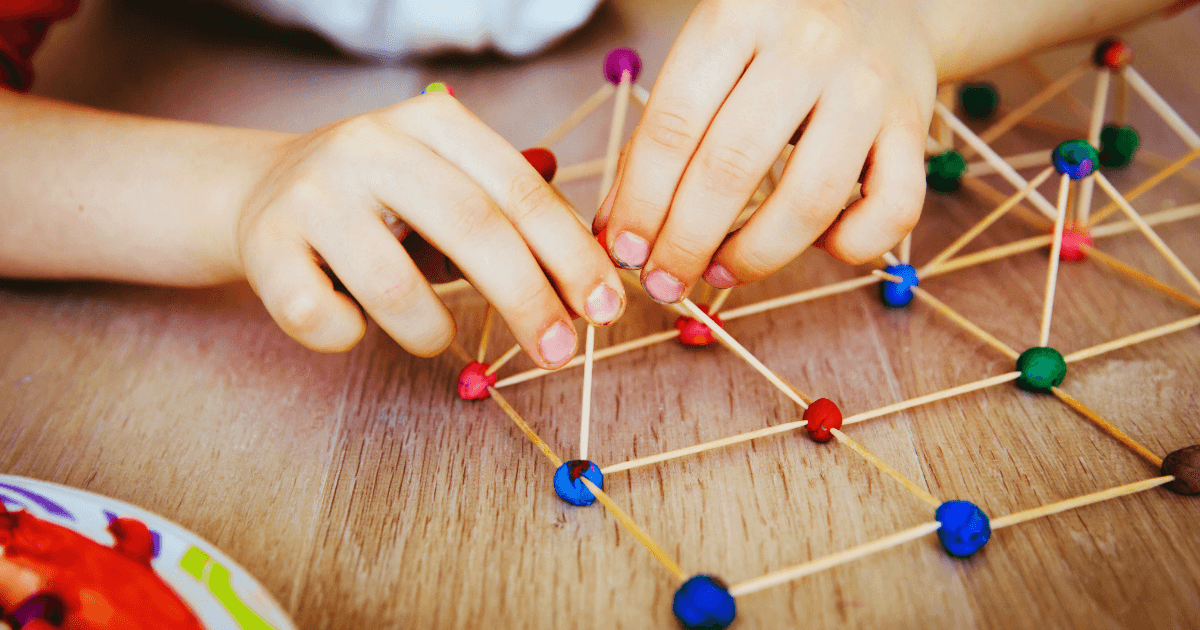
Create cooperative building challenges that require communication and compromise
Use puppet play to explore and resolve social conflicts
Teacher Insight: Maria, a preschool teacher in Boston, implemented “Emotion Detectives” during story time, where children identify and discuss characters’ feelings. “This simple practice has transformed how children talk about emotions in our classroom,” she reports. “They’re now using sophisticated emotional vocabulary throughout the day.”
Play-Based Learning: Cognitive Benefits Beyond Social Skills
While play has long been recognized for supporting social development, recent research highlights its equally powerful role in cognitive development.
What the Research Shows: A comprehensive analysis published examined how play-based learning impacts various developmental domains and found that:
Play-based approaches significantly enhance language comprehension, mathematical ability, and cognitive flexibility
Children in play-rich environments demonstrate stronger critical thinking and problem-solving skills
Play facilitates deeper conceptual understanding compared to direct instruction alone
The benefits of play-based learning are particularly pronounced for children from disadvantaged backgrounds
Importantly, a study by Karyn Allee, highlighted by Early Learning Nation, found that kindergarteners in playful learning environments showed greater gains in reading and math than peers in more traditional classroom settings.
Classroom Applications: Here’s how to maximize the cognitive benefits of play in your classroom:
1. Design Intentional Play Environments
Research-Based Strategy: Create play spaces that target specific cognitive skills while allowing for child-directed exploration.
Practical Application:
Set up a store/market dramatic play area with authentic writing materials, price tags, and calculators
Establish a science discovery area with tools for observation, documentation, and experimentation
2. Use Guided Play to Scaffold Learning
Research-Based Strategy: Balance child-directed play with teacher guidance to deepen learning.
Practical Application:
Join children’s play to introduce vocabulary and concepts without taking over
Ask open-ended questions that extend thinking: “What might happen if…?”
Provide just enough assistance to help children overcome obstacles without solving problems for them
3. Document Play-Based Learning
Research-Based Strategy: Make learning visible through documentation to validate play as serious learning.
Practical Application:
Take photos of play sequences that demonstrate problem-solving
Record children’s conversations during play to capture their thinking
Create learning stories that connect play episodes to curriculum standards
Teacher Insight: James, a Pre-K teacher, transformed his approach to math instruction after reviewing the research. “Instead of worksheet-based math, we now use counting games, pattern block challenges, and measurement activities in our water table. Not only are the children more engaged, but their mathematical thinking is more sophisticated.”
Early Science Education: Moving Beyond Simple Experiments
Recent research has dramatically shifted our understanding of young children’s capacity for scientific thinking.
Preschool-aged children can form meaningful conceptual understandings of complex scientific ideas when provided appropriate support
Children’s questions and reasoning serve as powerful entry points for scientific learning
Participatory approaches that position children as co-researchers enhance engagement and conceptual development
Young children can engage with sophisticated concepts like molecular structure when presented through multimodal, play-based approaches
Classroom Applications: Here’s how to elevate science learning in your early childhood classroom:
1. Embrace Children’s Questions
Research-Based Strategy: Use children’s natural curiosity as the foundation for scientific inquiry.
Practical Application:
Create a “Wonder Wall” where children’s questions are documented and investigated.
Develop simple inquiry protocols that help children test their ideas.
Model the language of scientific questioning: “I notice… I wonder… What if…?”
2. Implement Multimodal Science Experiences
Research-Based Strategy: Engage children with scientific concepts through multiple representational forms.
Practical Application:
Combine hands-on experiments with drawing, movement, and discussion
Use simple models to make invisible phenomena visible (e.g., using blue and yellow scarves to represent water molecules)
Incorporate science-themed books, songs, and dramatic play to reinforce concepts
3. Position Children as Competent Scientists
Research-Based Strategy: Treat children as capable scientific thinkers rather than passive recipients of simplified information.
Practical Application:
Provide real scientific tools (magnifying glasses, measuring tools, documentation materials).
Engage in authentic scientific practices like observation, prediction, and data collection.
Use accurate scientific vocabulary alongside child-friendly explanations.
Teacher Insight: Elena, a preschool teacher, was surprised by her students’ capacity for scientific thinking: “After reading the research, I stopped ‘dumbing down’ science. When we studied plants, we discussed photosynthesis using movement and visual models. The children not only understood the concept but used the vocabulary correctly in their play.”
Technology Integration: Finding the Right Balance
The role of technology in early childhood classrooms remains a hotly debated topic, but recent research offers nuanced guidance.
Research-Based Strategy: Ensure that technology complements, rather than replaces, hands-on, sensory experiences.
Practical Application:
Pair digital experiences with related hands-on activities
Use technology to extend learning beyond the classroom (virtual field trips, expert connections)
Establish clear boundaries for technology use within the daily schedule
3. Leverage AI Tools for Personalization
Research-Based Strategy: Thoughtfully implement AI tools that support differentiation and individualized learning.
Practical Application:
Explore adaptive learning platforms that adjust to children’s skill levels
Use AI-supported assessment tools to track progress and identify needs
Consider text-to-speech and speech-to-text tools to support diverse learners
Teacher Insight: Michael, a kindergarten teacher, found balance by creating “tech stations” that complement hands-on centers: “We use tablets with interactive books at our literacy center, but they’re just one option alongside traditional books, puppets, and writing materials. This approach keeps technology in perspective as one tool among many.”
Full-Day vs. Part-Day Programs: Impact on Children and Families
The structure of early childhood programs continues to evolve, with important implications for both children and families.
What the Research Shows: A recent study by Chloe Gibbs and colleagues, highlighted by Early Learning Nation, found that:
The expansion of full-day kindergarten improved work-life balance for mothers and boosted academic outcomes for children
Mothers with access to full-day kindergarten spent more time working compared to those with half-day programs
Access to expanded kindergarten programs led to better academic scores among children
The benefits were particularly significant for families from disadvantaged backgrounds
Classroom Applications: If you’re working in a full-day program or transitioning from half-day to full-day, consider these research-informed approaches:
1. Design Rhythmic Daily Schedules
Research-Based Strategy: Create schedules that balance active and quiet times, structured and unstructured activities.
Practical Application:
Implement a visual schedule that helps children understand the flow of the day.
Include regular rest or quiet times, even for children who don’t nap.
Alternate between teacher-directed and child-directed activities.
2. Deepen Learning Through Project-Based Approaches
Research-Based Strategy: Leverage the additional time in full-day programs for extended, in-depth learning experiences.
Practical Application:
Develop multi-week projects that allow for deeper exploration of topics
Build in time for reflection and revisiting previous learning
3. Strengthen Family Partnerships
Research-Based Strategy: Use full-day programs to enhance family engagement and support.
Practical Application:
Establish regular communication systems that keep families connected to classroom learning.
Create take-home extensions of classroom activities.
Offer flexible opportunities for family involvement that accommodate working parents.
Teacher Insight: Sophia, who teaches in a full-day Pre-K program, emphasizes the importance of rhythm: “Research showed me that it’s not about filling more hours with’academics.’ Instead, we create a balanced day with meaningful learning, plenty of play, and intentional transitions. This approach has resulted in deeper engagement and less fatigue.”
Inclusive Practices: Supporting All Learners
Recent research highlights the importance of truly inclusive early childhood environments that support diverse learners.
What the Research Shows: Multiple studies emphasize that:
Inclusive classrooms benefit all children, not just those with identified special needs
Early intervention and support are most effective when embedded in natural environments and routines
Universal Design for Learning (UDL) principles can create accessible learning experiences for diverse learners
Children’s sense of belonging significantly impacts their learning outcomes
Classroom Applications: Here’s how to create truly inclusive early childhood environments:
1. Implement Universal Design for Learning
Research-Based Strategy: Design learning experiences that provide multiple means of engagement, representation, and expression.
Practical Application:
Offer information through visual, auditory, and kinesthetic channels
Provide options for how children demonstrate learning (drawing, building, telling, writing)
Create flexible physical environments that accommodate different needs and preferences
2. Embed Support Within Natural Routines
Research-Based Strategy: Integrate interventions and accommodations into everyday activities rather than pulling children out for specialized instruction.
Practical Application:
Use visual schedules and supports throughout the classroom
Incorporate movement breaks and sensory opportunities as part of regular transitions
Research-Based Strategy: Create a classroom culture that values diversity and promotes meaningful peer interactions.
Practical Application:
Use children’s literature that represents diverse abilities and backgrounds.
Teach specific friendship skills through modeling and guided practice.
Create opportunities for all children to contribute to the classroom community.
Teacher Insight: Amir, who teaches in an inclusive preschool, shares: “The research on belonging transformed how I approach inclusion. Rather than focusing only on accommodations, we build a classroom culture where differences are acknowledged and valued. This shift has improved outcomes for children with special needs while enriching the experience for all students.”
Translating Research into Practice: Your Action Plan
With so much valuable research available, how do you determine which findings to prioritize in your classroom? Here’s a systematic approach:
Step 1: Identify Your Classroom Priorities
Begin by reflecting on your current classroom:
What areas present the greatest challenges?
Where do you see growth opportunities?
What aspects of your teaching do you want to strengthen?
Step 2: Select Relevant Research
Look for studies that:
Address your identified priorities
Were conducted in similar contexts to your classroom
Provide specific, actionable recommendations
Have been replicated or validated by multiple sources
Remember that not all research will be equally applicable to your unique setting. A study conducted with 4-year-olds may not translate directly to a toddler classroom, and research from urban settings may need to be adapted for rural communities.
Step 3: Start Small and Iterate
Rather than overhauling your entire approach, select one research-based strategy to implement:
Choose a practice that aligns with your teaching philosophy
Begin with a small-scale implementation (one center, one part of the day)
Document the process and outcomes
Reflect and refine before expanding
Step 4: Build a Professional Learning Network
Connect with others who are exploring similar research:
Join online communities focused on research-based practice
Participate in journal clubs with colleagues
Attend conferences or webinars where researchers present their work
Consider partnering with local universities for action research projects
Step 5: Become a Teacher-Researcher
The most powerful application of research comes when teachers become researchers in their own classrooms:
Develop simple methods to collect data on your interventions
Use documentation to track changes in children’s learning
Share your findings with colleagues and the broader ECE community
Contribute to the growing body of practice-based evidence
Emerging Research Trends to Watch
As you continue your journey of research-informed practice, keep an eye on these emerging areas that show promise for transforming early childhood education:
1. Neuroscience and Executive Function
Recent advances in neuroscience are providing new insights into the development of executive function—the cognitive processes that enable children to plan, focus attention, remember instructions, and juggle multiple tasks. Research suggests that executive function skills may be even more predictive of school success than IQ or early academic skills.
Watch For: Studies on specific classroom activities that strengthen working memory, inhibitory control, and cognitive flexibility.
2. Trauma-Informed Practices
With increasing recognition of how adverse childhood experiences affect development, researchers are investigating effective trauma-informed approaches for early childhood settings. Preliminary findings suggest that predictable routines, relationship-based teaching, and sensory-aware environments can significantly support children who have experienced trauma.
Watch For: Research on specific trauma-responsive practices that can be integrated into typical early childhood classrooms.
3. Outdoor and Nature-Based Learning
A growing body of research points to the benefits of nature-based early childhood education, including improvements in attention, physical development, emotional regulation, and scientific thinking. Studies are beginning to document specific mechanisms through which outdoor experiences support development across domains.
Watch For: Research comparing different models of nature-based education and their impacts on various developmental outcomes.
4. Culturally Sustaining Pedagogy
Moving beyond cultural “responsiveness,” researchers are exploring how early childhood settings can actively sustain and nurture children’s cultural identities. Early findings suggest that when children’s home cultures are centered rather than marginalized, both academic and social-emotional outcomes improve.
Watch For: Studies providing specific strategies for implementing culturally sustaining practices in diverse early childhood settings.
Conclusion: Becoming a Research-Informed Practitioner
The field of early childhood education is experiencing an exciting renaissance of research that affirms many long-held beliefs while challenging others. As practitioners, we have the privilege and responsibility of translating this research into meaningful experiences for young children.
By thoughtfully selecting, implementing, and evaluating research-based practices, you can:
Enhance the effectiveness of your teaching
Advocate for developmentally appropriate practices with a solid evidence base
Contribute to the ongoing dialogue between research and practice
Remember that becoming a research-informed practitioner is not about implementing every new study or trend. It’s about developing a reflective stance, continuously learning, and making intentional decisions based on the best available evidence—always filtered through your professional wisdom and knowledge of the specific children in your care.
What research findings have had the biggest impact on your teaching practice? Share your experiences in the comments below!