Eco-Friendly Classrooms: Sustainable Practices That Teach Environmental Responsibility
In an era where environmental challenges loom large, classrooms have emerged as powerful incubators for sustainable thinking and action. Today’s students aren’t just future environmental stewards—they’re current changemakers with tremendous potential to influence families, communities, and eventually, global systems.
Creating an eco-friendly classroom goes beyond recycling paper or turning off lights. It’s about fostering a holistic environmental consciousness that permeates every aspect of the learning environment—from physical space and curriculum to daily routines and special projects. When sustainability becomes woven into the fabric of the classroom, students don’t just learn about environmental responsibility; they live it.
Why Environmental Education Matters Now
Before diving into specific practices, let’s consider why environmental education has become increasingly urgent:
Environmental Literacy for a Changing World
Today’s students will face unprecedented environmental challenges throughout their lives. According to UNICEF USA, environmental education provides “children with the knowledge and skills necessary to adapt to and mitigate climate impacts.” This education isn’t just about protecting nature—it’s about preparing students for the realities of their future.
Academic Benefits of Sustainable Classrooms
Research consistently shows that environmentally conscious learning environments enhance educational outcomes. A study from Harvard T.H. Chan School of Public Health found that “students in high-performing green schools showed higher test scores and reported improved respiratory health,” as noted by Terrathread. The benefits extend beyond environmental awareness to include improved concentration, critical thinking, and overall academic performance.
Habit Formation in the Formative Years
EarthShare NJ emphasizes that “teaching kids about sustainability helps them form habits that protect the environment.” These early experiences create neural pathways that make sustainable choices second nature throughout life. As the saying goes, “It’s easier to build strong children than to repair broken adults”—and the same applies to environmental habits.
Creating a Physically Sustainable Classroom
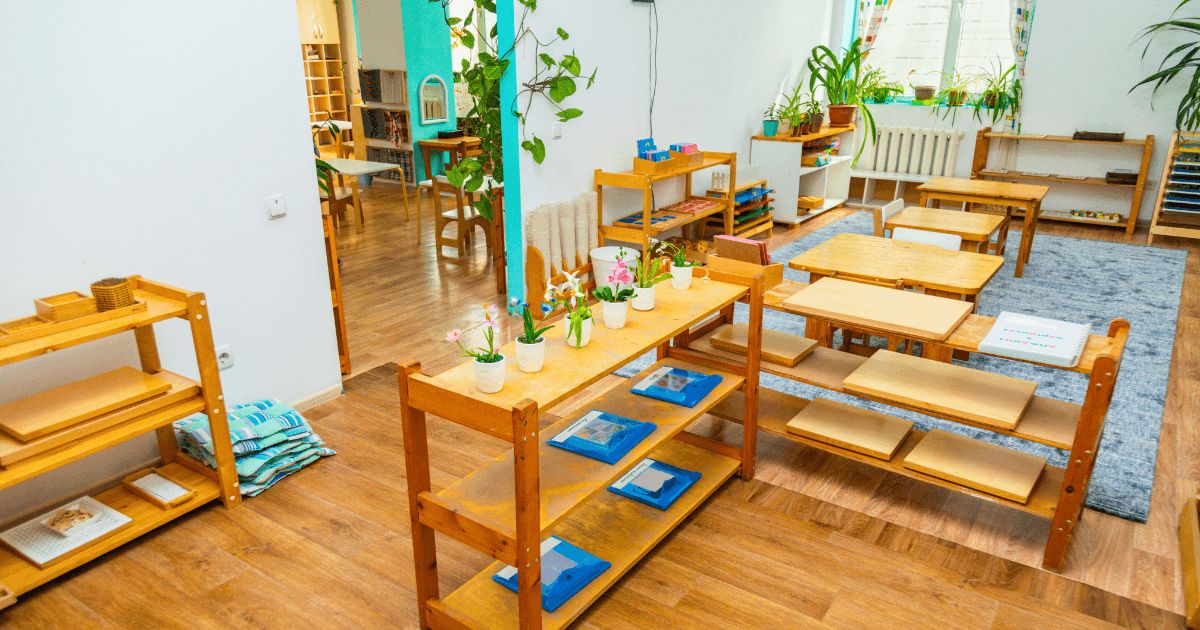
The physical environment of your classroom sends powerful messages about environmental values. Consider these approaches for creating a space that embodies sustainability:
Waste Reduction and Management
Classroom Recycling Systems
Establish clearly labeled recycling stations with visual guides
Teach proper sorting through hands-on activities
Track classroom recycling progress with visual charts
Challenge students to reduce classroom waste over time
Implementation tip: According to Those Who Can, “Ensure recycling bins are accessible in the classroom to promote proper waste segregation.” Consider transparent bins that allow students to see the contents, reinforcing proper sorting.
Composting Programs
Create a classroom composting system for food scraps and paper
Connect composting to the science curriculum through decomposition studies
Use compost to nourish classroom plants or school gardens
Track how much waste is diverted from landfills
Implementation tip: Start with a simple worm bin for paper scraps, then expand to include food waste as students become more familiar with composting principles.
Energy Conservation Practices
Lighting Strategies
Maximize natural light by arranging the classroom to utilize windows
Create student “energy monitor” roles to ensure lights are off when not needed
Replace traditional bulbs with energy-efficient LED lighting
Use task lighting for specific areas rather than lighting the entire room
Implementation tip: “Maximize natural light to reduce reliance on artificial lighting; use energy-efficient LED bulbs when necessary,” advises Those Who Can. Consider creating a light map of your classroom to identify areas where natural light is sufficient.
Electronic Device Management
Establish clear protocols for powering down devices
Create visual reminders near outlets and device storage areas
Track energy usage and challenge students to reduce consumption
Teach about the environmental impact of electronic waste
Implementation tip: Create a “power down patrol” responsibility that rotates among students, empowering them to ensure all devices are properly shut down at the end of the day.
Sustainable Materials and Supplies
Eco-Friendly School Supplies
Transition to recycled paper products and notebooks
Provide refillable markers and pens
Create a classroom supply share system to reduce waste
Establish a “reuse center” for creative projects
Implementation tip:Quality Classrooms suggests “utilizing eco-friendly classroom supplies can help model sustainable practices for students.” Start by auditing current supplies and replacing items with sustainable alternatives as they run out.
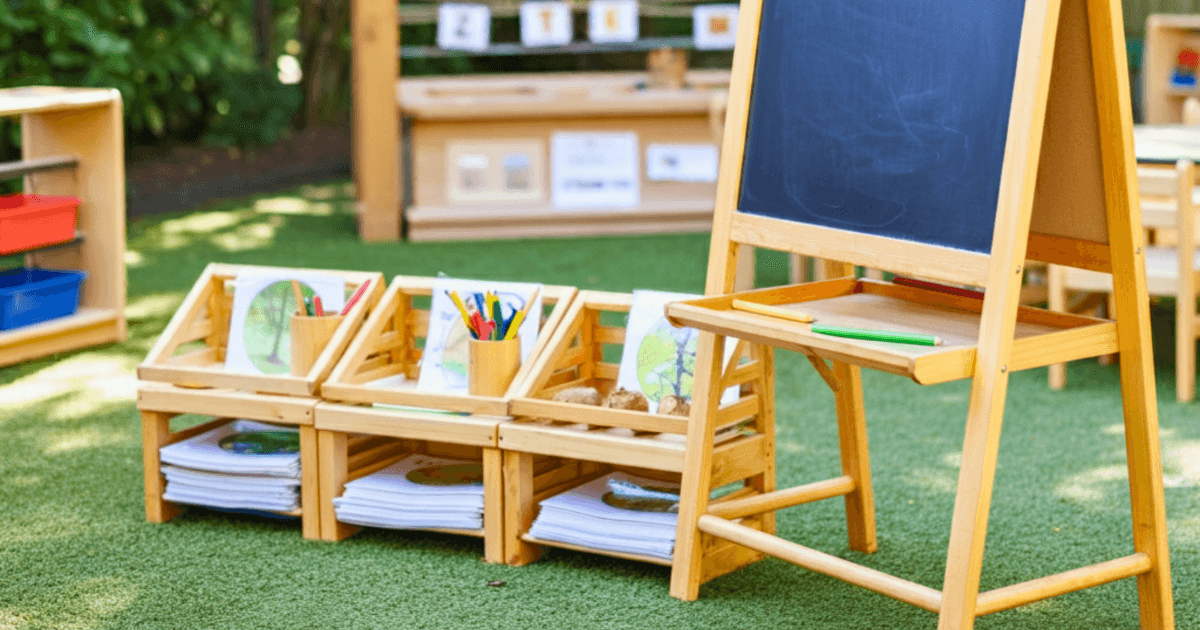
Durable, Natural Furnishings
Choose furniture made from sustainable or reclaimed materials
Select items designed for longevity and repair
Incorporate natural elements like wood, stone, and plants
Repurpose and upcycle existing furniture
Implementation tip: “Classroom furnishings made from natural materials can keep the focus on sustainability even indoors,” notes Quality Classrooms. Even small additions like cushions made from natural fibers or repurposed materials send a consistent message.
Integrating Sustainability Into Curriculum
Beyond the physical environment, weaving environmental themes throughout your curriculum reinforces sustainability as a core value rather than an add-on topic.
Cross-Curricular Connections
Mathematics
Analyze classroom energy usage data
Calculate carbon footprints
Measure and compare waste reduction over time
Design optimal garden spaces using area and perimeter
Implementation example: Third-grade students at Greenwood Elementary created graphs tracking the school’s weekly paper usage, then calculated percentage reductions after implementing new conservation practices. This real-world application made abstract math concepts concrete while reinforcing environmental responsibility.
Language Arts
Read and write about environmental themes and issues
Research and debate sustainability topics
Create persuasive writing about environmental actions
Develop storytelling that imagines sustainable futures
Implementation tip: “Children’s books that convey environmental values can help integrate sustainability into the curriculum,” suggests Quality Classrooms. Create a classroom library section dedicated to environmental themes, including both fiction and non-fiction.
Science
Study ecosystems and interdependence
Investigate energy sources and conservation
Explore waste decomposition and materials science
Conduct experiments on water and air quality
Implementation example: Fifth-grade students at Riverside School created mini-ecosystems in recycled containers and systematically introduced variables to observe their effects. This hands-on approach connected abstract ecological concepts to observable changes.
Social Studies
Examine environmental justice issues
Study how different cultures approach sustainability
Investigate local environmental history and changes
Research environmental policies and civic action
Implementation tip: According to Those Who Can, educators should “embed environmental topics into various subjects to raise awareness and foster a sense of responsibility among students.” Look for natural connections within your existing curriculum rather than treating environmental education as a separate subject.
Integrate garden produce into classroom or cafeteria meals
Implementation tip:Terrathread notes that “implementing farm-to-school programs and growing food in school gardens can help students understand the connection between food choices, health, and the environment.” Start small with container gardens if space is limited.
Waste Audit Investigations
Conduct classroom or school-wide waste audits
Analyze findings and identify reduction opportunities
Develop and implement action plans
Measure and report on progress
Implementation example: Fourth-grade students at Oakridge Elementary conducted a week-long cafeteria waste audit, sorting and weighing different types of waste. Their findings led to a student-designed campaign that reduced food waste by 30% and introduced composting for fruit and vegetable scraps.
Energy Conservation Campaigns
Research energy usage in the school
Identify conservation opportunities
Create awareness campaigns for the school community
Track and celebrate energy reduction achievements
Implementation tip: “Energy audits can help schools identify areas of energy waste, and students can lead campaigns to promote energy-saving measures,” suggests Terrathread. Partner with facilities staff to access real energy usage data for authentic learning.
Daily Routines That Reinforce Sustainability
Environmental responsibility becomes most powerful when embedded in daily classroom life rather than treated as a special topic.
Morning Meeting Practices
Gratitude for Nature
Begin days with appreciation for environmental elements
Observe and discuss seasonal changes
Share personal connections to the natural world
Acknowledge our dependence on natural systems
Implementation tip: Create a simple ritual in which students share one natural element they’re grateful for, linking emotional well-being to environmental awareness.
Daily Sustainability Challenges
Introduce small, achievable eco-challenges
Track progress visually in the classroom
Celebrate collective achievements
Gradually increase the complexity of challenges
Implementation example: Ms. Johnson’s second-grade class participates in “Waste-Free Wednesday,” where students aim for zero waste in their lunches and classroom activities. What began as a monthly challenge evolved into a weekly practice as students embraced the concept.
Outdoor Learning Opportunities
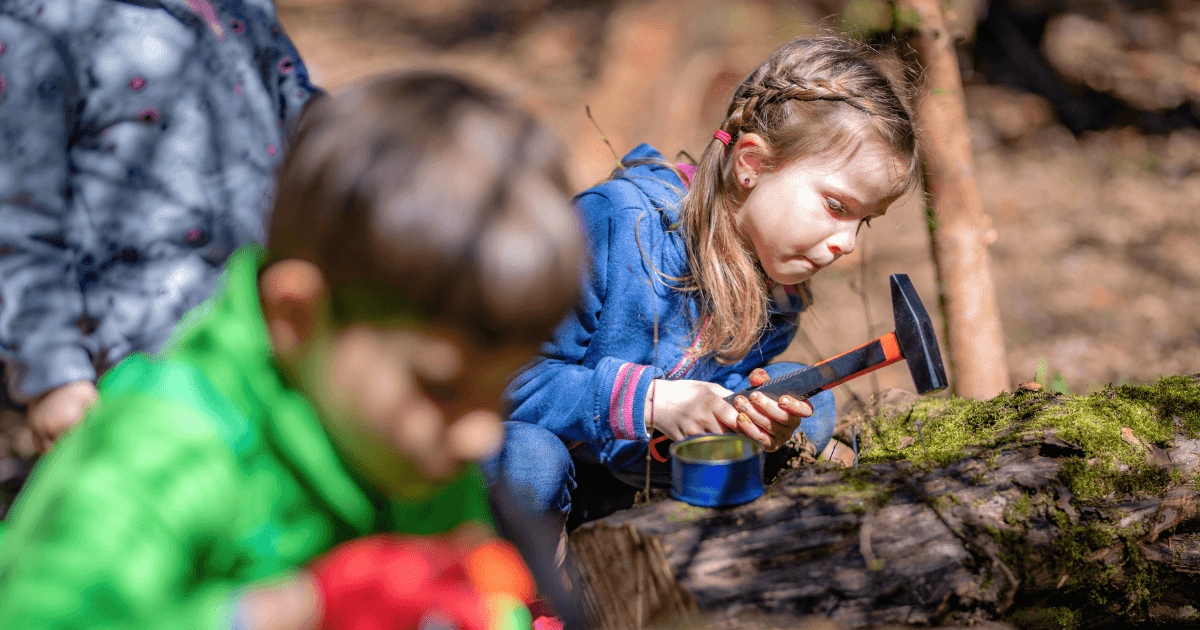
Regular Nature Connection
Schedule daily or weekly outdoor learning time
Use school grounds as an extended classroom space
Conduct routine observations of natural changes
Incorporate movement and play in natural settings
Implementation tip: Quality Classrooms emphasizes that “outdoor education allows children to connect with nature and develop critical thinking skills.” Even in urban environments, finding small green spaces or creating nature observation stations can provide meaningful connections.
Environmental Observation Journals
Maintain ongoing records of natural phenomena
Document seasonal changes and weather patterns
Record wildlife sightings and plant growth
Connect observations to broader environmental concepts
Implementation tip: “Engaging in outdoor activities fosters a deeper appreciation for the natural world and promotes environmental stewardship,” notes Quality Classrooms. Consistent documentation helps students recognize patterns and changes over time.
Student Leadership in Environmental Initiatives
When students take ownership of environmental projects, the impact extends beyond the classroom and often throughout their lives.
Student-Led Green Teams
Classroom Environmental Committees
Establish rotating environmental leadership roles
Empower students to identify and solve eco-challenges
Create student-led monitoring and reporting systems
Provide platforms for sharing initiatives with peers
Implementation example: At Washington Elementary, each classroom selects monthly “Eco-Ambassadors” who lead sustainability initiatives, monitor classroom practices, and represent their class at school-wide green team meetings.
School-Wide Environmental Clubs
Connect interested students across grade levels
Tackle larger sustainability projects
Provide peer education on environmental topics
Organize school-wide events and challenges
Implementation tip: UNICEF USA describes how, in Malaysia, they are “scaling an environmental education program in primary schools to raise awareness of low-carbon practices and establish Environmental Lovers Clubs.” These structured clubs provide meaningful leadership opportunities while addressing real environmental needs.
Community Connection Projects
Local Environmental Partnerships
Collaborate with community environmental organizations
Participate in local conservation efforts
Invite environmental professionals as classroom speakers
Connect classroom learning to community issues
Implementation tip: “Schools can collaborate with local environmental groups and businesses to support green initiatives and secure funding through grants,” suggests Terrathread. These partnerships extend learning beyond the classroom while providing real-world context.
Gather and incorporate family environmental knowledge
Implementation example: Riverdale Elementary’s “Green Family Challenge” provides monthly sustainable living suggestions that families can implement at home. Students document their family’s participation through photos and reflections, creating a classroom display of collective impact.
Overcoming Common Challenges
Implementing sustainable practices often encounters obstacles. Here are strategies for addressing common challenges:
Budget Constraints
Solution Strategies:
Start with no-cost changes to routines and practices
Apply for environmental education grants
Partner with local businesses for material donations
Implement changes gradually as resources allow
Success approach: Ms. Martinez transformed her classroom on a minimal budget by first focusing on behavioral changes, such as energy conservation and waste reduction. She then applied for a small grant to purchase a classroom compost bin, which generated enthusiasm for further initiatives. Local garden centers donated plants and soil for a window garden after students wrote persuasive letters explaining their environmental goals.
Time Limitations
Solution Strategies:
Integrate environmental topics into the existing curriculum
Establish sustainable routines that save time long-term
Create student leadership roles to distribute responsibility
Focus on the quality of initiatives rather than quantity
Success approach: Rather than adding new units, Mr. Thompson identified environmental connections within his existing curriculum. His literature selections began to include more nature-themed books, math problems incorporated real classroom sustainability data, and science experiments focused on environmental questions relevant to students’ lives.
Maintaining Momentum
Solution Strategies:
Celebrate small victories and progress
Connect with other educators for inspiration and support
Regularly refresh initiatives to maintain interest
Document impact to demonstrate value
Implementation tip: “Tracking progress with tools like carbon footprint calculators and celebrating milestones can foster a sense of community and shared responsibility for sustainability efforts,” notes Terrathread. Visual displays of progress help maintain enthusiasm for ongoing initiatives.
Success Story: Transformation Through Integrated Sustainability
When Westside Elementary decided to prioritize environmental education, they began with modest steps rather than an overwhelming overhaul. First-grade teacher Ms. Rodriguez started by simply adding clearly labeled recycling bins and discussing why recycling matters. She then incorporated a small classroom compost bin for fruit scraps and paper, connecting it to their science curriculum on decomposers.
As students became engaged, Ms. Rodriguez expanded their initiatives:
A classroom energy monitor role rotated among students
Morning meetings included nature observations and connections
Math lessons incorporated data from their waste reduction efforts
Language arts included environmental-themed literature and writing
“The most powerful outcome wasn’t just the environmental impact,” Ms. Rodriguez reports. “It was watching my students develop agency and problem-solving skills. When they noticed excessive paper towel waste in the bathroom, they researched alternatives and proposed solutions to the principal. They’re not just learning about environmental responsibility—they’re living it.”
By the end of the year, her classroom had reduced waste by 60%, incorporated daily nature connection, and sparked school-wide changes as other teachers noticed the positive impact on student engagement and behavior.
Final Thoughts: Beyond Environmentalism to Environmental Identity
Creating eco-friendly classrooms isn’t simply about teaching environmental facts or implementing green practices. It’s about helping students develop what researchers call an “environmental identity”—a sense of self that includes personal connection to the natural world and recognition of our interdependence with ecological systems.
When children develop this environmental identity during their formative years, sustainability becomes not just something they do but part of who they are. As Quality Classrooms notes, “Introducing sustainable practices at a young age increases the likelihood they will become lifelong habits.”
In our rapidly changing world, perhaps the greatest gift we can offer students is this sense of connection and responsibility—not as a burden, but as an empowering recognition that their choices and actions matter. Through thoughtfully designed eco-friendly classrooms, we nurture not just environmental stewards but hopeful, engaged citizens equipped to create the sustainable future our world so urgently needs.
What sustainable practices have you implemented in your classroom? Share your experiences in the comments below!