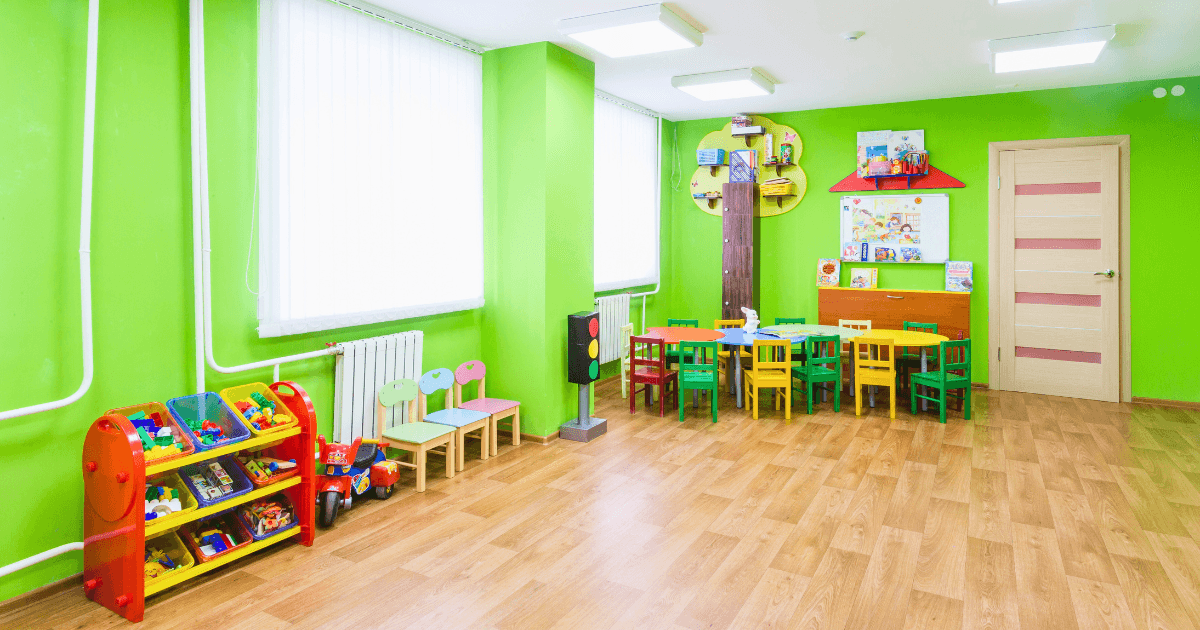
Flexible Seating in Preschool: Options Beyond the Traditional Chair
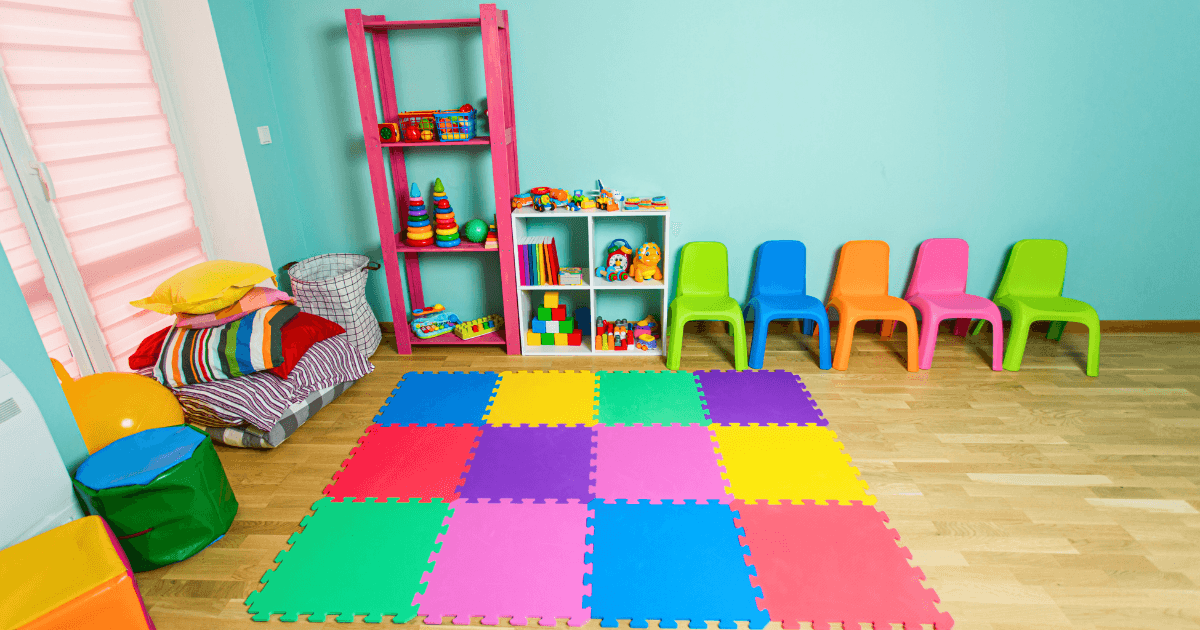
Walk into a traditional preschool classroom, and you’ll likely see rows of identical small chairs tucked neatly under tables. But wander into a classroom embracing flexible seating, and you’ll discover a transformed learning landscape—one with floor cushions, wobble stools, standing tables, and cozy reading nooks. This isn’t just about creating an Instagram-worthy classroom; it’s about recognizing that young children learn, move, and engage differently with their environment.
Flexible seating in early childhood settings acknowledges a simple truth: preschoolers were never designed to sit still in chairs for extended periods. Their developing bodies and brains crave movement, sensory input, and choice—all of which can be supported through thoughtfully implemented flexible seating options.
Why Traditional Seating Falls Short for Young Children
Before exploring alternatives, let’s understand why traditional chairs often don’t serve preschoolers well:
Developmental mismatch: Young children’s bodies are designed for movement—their vestibular systems are still developing, and movement helps them organize sensory information.
Physical discomfort: Many preschoolers’ feet don’t touch the floor in standard chairs, creating physical discomfort that distracts from learning.
Energy restriction: Containing preschoolers’ natural energy often results in fidgeting, chair tipping, or disengagement.
Limited autonomy: Traditional seating arrangements offer little opportunity for children to make choices about their learning environment.
According to the National Education Association, “Research indicates that students with Attention Hyperactive Deficit Disorder (ADHD) and other neurodivergent students benefit significantly from flexible seating options.” This benefit extends to typically developing preschoolers, who share many of the same sensory and movement needs.
Benefits of Flexible Seating for Preschoolers
Implementing flexible seating in preschool classrooms offers numerous advantages:
Physical Benefits
Supports natural movement: Allows for the wiggling, bouncing, and position changes that young bodies need.
Builds decision-making skills: Children practice making appropriate choices for their needs.
Fosters independence: Empowers children to recognize and address their own comfort needs.
Encourages collaboration: Many flexible seating arrangements naturally promote interaction.
Reduces behavioral issues: According to educator surveys, flexible seating often correlates with fewer disruptions.
Flexible Seating Options Perfect for Preschool
Floor Seating
Carpet Squares and Sit Spots: Simple, portable markers that define personal space during circle time or floor activities.
Implementation tip: Use different colors or patterns to help with classroom management (e.g., “blue squares line up first”).
Floor Cushions and Pillows: Soft seating that is easy to move and store.
Implementation tip: Choose washable covers and consider waterproof liners for occasional accidents.
Lap Desks: Portable work surfaces that allow children to work comfortably on the floor.
Implementation tip: Look for lightweight options with storage inside for supplies.
Active Seating
Wobble Stools: Slightly unstable stools that allow gentle movement while seated.
Implementation tip: Start with just a few and teach proper use before expanding.
Therapy Balls: Exercise balls that allow for bouncing and movement.
Implementation tip: Choose balls with “feet” or stabilizing rings for safer use with young children.
Wiggle Seats/Disc Cushions: Inflated cushions that provide sensory input while sitting on regular chairs.
Implementation tip: These are great “starter” flexible seating options that don’t require a complete classroom overhaul.
Comfort Seating
Bean Bags: Soft, moldable seating that conforms to the child’s body.
Implementation tip: Look for durable, washable covers with double stitching for classroom use.
Soft Seating Cubes: Firm but comfortable modular seating that can be reconfigured.
Implementation tip: These can double as building blocks for constructive play.
Child-Sized Soft Furniture: Miniature sofas, armchairs, or recliners scaled for preschoolers.
Implementation tip: Place in literacy areas to create cozy reading nooks.
Standing Options
Standing Tables: Elevated surfaces that allow children to work while standing.
Implementation tip: Ensure surfaces are at an appropriate height (generally at elbow height when arms are at the sides).
Sensory Tables with Standing Space: Water, sand, or other sensory materials at standing height.
Implementation tip: Create standing space on multiple sides to encourage social interaction.
Easels and Vertical Surfaces: Art and writing spaces that encourage standing and proper wrist position.
Implementation tip: Position these around the room’s perimeter to maximize floor space.
Unique and Creative Options
Repurposed Tire Seating: Cleaned tires wrapped in colorful duct tape or fabric.
Implementation tip: Secure cushions to the top with heavy-duty Velcro for comfort.
Milk Crate Seats: Plastic crates with cushions attached to the top.
Implementation tip: These can double as storage for materials.
Outdoor-Inspired Seating: Tree stumps (sanded and sealed), large rocks, or log sections.
Implementation tip: These natural elements connect children to nature while providing varied tactile experiences.
Implementation Strategies for Success
Transitioning to flexible seating requires thoughtful planning. Consider these strategies for a smooth implementation:
Start Small and Expand Gradually
Begin with one area of your classroom or one type of seating option. Kaplan Early Learning Company suggests, “Implementing flexible seating requires setting guidelines and expectations from the start to ensure proper use.” Allow children to become familiar with new seating before introducing additional options.
Teach Explicit Expectations
Young children need clear guidance on how to use flexible seating appropriately:
Demonstrate proper use of each seating type
Role-play making good seating choices
Create visual reminders of expectations
Practice transitions between different seating options
Create a System for Fair Access
Ensure all children have opportunities to use popular seating choices:
Implement a rotation system
Use visual cues to indicate the maximum number of children per area
Teach problem-solving language for negotiating seating
Consider having some “special day” seats that rotate among children
Design Thoughtful Classroom Layout
Arrange your classroom to maximize the benefits of flexible seating:
Create distinct zones for different activities and energy levels
Ensure clear pathways between areas
Consider sight lines for supervision
Place compatible activities near each other
According to Edutopia, “Effective classroom design includes at least three types of seating, flexible bookshelves, and collaborative workspaces rather than isolated desks.”
Address Storage Needs
With varied seating comes the need for thoughtful storage solutions:
Designate “home” locations for movable seating
Create visual guides for where things belong
Implement systems for end-of-day reset
Consider dual-purpose items that provide both seating and storage
Budget-Friendly Approaches to Flexible Seating
Transforming your classroom doesn’t require a massive budget. Consider these affordable approaches:
Repurpose Existing Materials
Turn old pillows into floor cushions with new, washable covers
Convert plastic crates into seating with attached cushions
Apply for mini-grants from local education foundations
Use crowdfunding platforms like DonorsChoose
DIY Projects
Sew simple floor pillows from durable fabric
Create wobble stools from plastic stool bases with tennis balls inserted in the legs
Make lap desks from cookie sheets and pool noodles
Strategic Purchases
Focus first on versatile items with multiple uses
Invest in quality for frequently-used items
Look for end-of-season sales at college dormitory suppliers
Check second-hand stores and online marketplace listings
Addressing Common Concerns
“Won’t this create chaos in my classroom?”
While the transition period requires patience, most teachers report that once expectations are established, flexible seating actually reduces behavioral issues. According to Notion for Teachers, “Teachers report improved satisfaction due to better classroom flow and increased student engagement.”
“How will children learn to sit properly for elementary school?”
Flexible seating doesn’t mean children never learn to sit appropriately. Include traditional seating as one of many options, and create specific times when practicing “school skills,” such as sitting at a table, is the focus. Many elementary schools are also adopting flexible seating, making this transition less of a concern.
“What about children who need more structure?”
Some children indeed thrive with more predictability. Consider creating “home base” seating assignments while still allowing flexibility during certain activities. Visual schedules can help these children understand when and where different seating options are available.
“How will I manage small group instruction?”
Designate specific seating for small group work with the teacher. This might be a traditional table with chairs or a defined floor space with consistent seating options. The key is consistency for these instructional times.
When preschool teacher Ms. Rivera first considered flexible seating, she was hesitant. “I worried about chaos and cost,” she admits. She started small, replacing just two traditional tables with floor seating options and a standing table.
“The change in engagement was immediate,” she reports. “Children who had struggled to sit through activities were suddenly focused and involved.” Encouraged, she gradually added more options—wobble stools, cushions, and a cozy corner with bean bags.
“What surprised me most was how quickly the children adapted to making appropriate choices. They naturally gravitated toward seating that best supported their engagement in different activities. A child who chose a wobble stool during writing might prefer a floor cushion during story time.”
After a full year of implementation, Ms. Rivera noted significant improvements in her classroom:
Longer engagement in choice activities
Fewer behavioral disruptions
More collaborative play
Improved core strength and posture
Increased independence and decision-making skills
Final Thoughts: Creating Child-Centered Spaces
Flexible seating represents a shift in how we think about early childhood environments—moving from teacher convenience to child-centered design. When we create spaces that honor children’s natural need for movement, choice, and sensory input, we set the stage for deeper engagement and more joyful learning.
Remember that flexible seating isn’t an all-or-nothing proposition. The most successful implementations often include a thoughtful mix of traditional and alternative seating, with clear expectations and intentional teaching about making appropriate choices.
By expanding our vision of what classroom seating can be, we create environments where young children can do what they do best—learn through active engagement with their world.
What flexible seating options have you tried in your early childhood classroom? Share your experiences in the comments below!