Creating Calm: Designing a Classroom That Reduces Overstimulation
Walk into any typical classroom, and you’ll likely encounter a sensory tsunami: bright fluorescent lights buzzing overhead, colorful posters covering every inch of wall space, chairs scraping across the floor, and the constant hum of activity. While some students thrive in stimulating environments, for many others—especially those with sensory processing differences, anxiety, or attention challenges—this sensory overload can be overwhelming and detrimental to learning.
The good news? Creating a calm, sensory-friendly classroom doesn’t require a complete renovation or a massive budget. With thoughtful adjustments and intentional design choices, any educator can transform their classroom into a space that supports regulation, focus, and learning for all students.
Why Classroom Calm Matters
Before diving into specific strategies, let’s understand why reducing overstimulation benefits everyone:
Improved focus and attention: Research from the Journal of Environmental Psychology shows that students in calm, organized environments demonstrate better sustained attention and fewer distractions.
Reduced anxiety and stress: A calming environment helps lower cortisol levels (the stress hormone), allowing the brain to engage in higher-order thinking rather than remaining in “survival mode.”
Better self-regulation: When the environment supports regulation, students develop stronger internal self-regulation skills over time.
Increased learning retention: According to sensory processing experts, when students aren’t contending with environmental stressors, they can devote more cognitive resources to learning and memory.
Greater inclusivity: A classroom designed with sensory needs in mind welcomes all learners, not just those with diagnosed conditions.
The Elements of a Calm Classroom
1. Lighting: Softening the Overhead Glare
Fluorescent lighting is a common culprit in classroom overstimulation. These lights can flicker imperceptibly to most people but cause significant distress for sensitive individuals.
Practical strategies:
Use lamp lighting with warm bulbs instead of overhead fluorescents when possible
Install light filters or diffusers over fluorescent fixtures
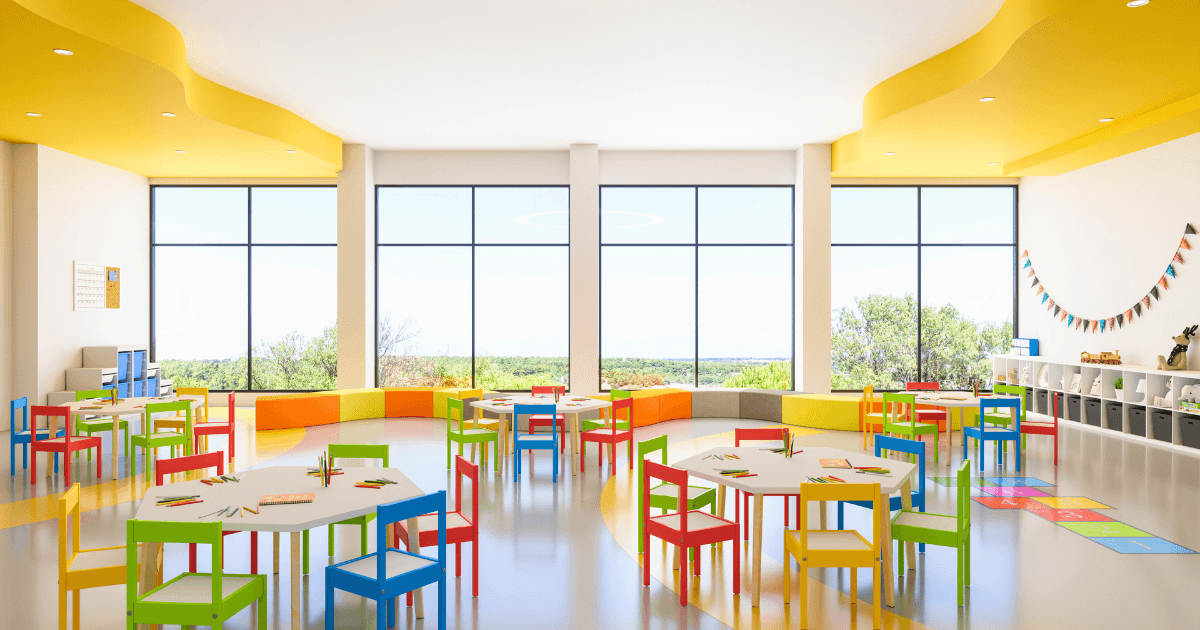
Maximize natural light by keeping windows unobstructed
Create lighting zones with different brightness levels for different activities
Consider dimmable options for adjustable lighting throughout the day
Budget-friendly tip: Inexpensive clip lamps with soft white bulbs can transform a reading corner, and tension rods with light-filtering curtains can soften harsh window light.
2. Sound Management: Reducing the Noise
Classroom acoustics often amplify sounds, creating a chaotic auditory environment that makes it difficult for students to filter relevant information.
Practical strategies:
Add sound-absorbing materials like rugs, curtains, and fabric wall hangings
Place tennis balls or felt pads on the chair and table legs
Establish quiet zones where voices must be kept at a whisper
Use visual noise level monitors (like the Too Noisy app) to help students self-regulate volume
Provide noise-canceling headphones or earplugs for students who need them
Implement “quiet signals” that don’t add to the noise (like flicking lights or raising a hand)
Budget-friendly tip: Repurpose egg cartons, fabric scraps, or old blankets as DIY sound absorbers in reading nooks or quiet corners.
3. Visual Environment: Reducing Clutter and Chaos
While colorful displays can be engaging, too many visual elements competing for attention can overwhelm students’ visual processing systems.
Practical strategies:
Limit wall displays to essential information
Create “visual rest areas” with blank wall space
Use neutral backgrounds with pops of color rather than all-over bright colors
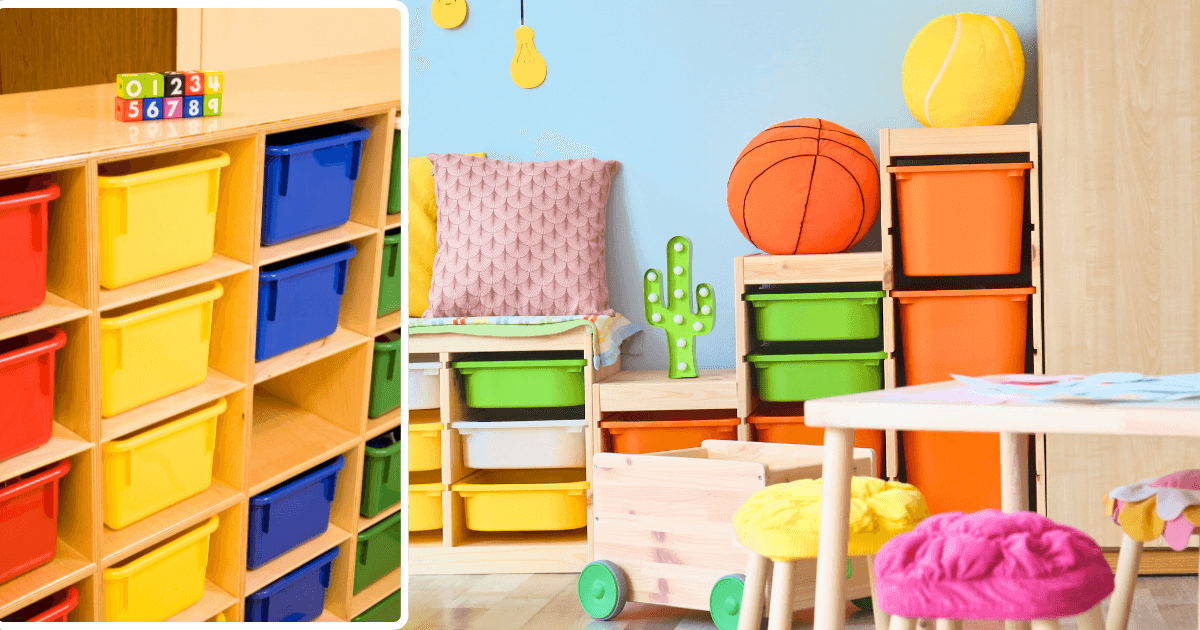
Store materials in opaque containers rather than transparent ones
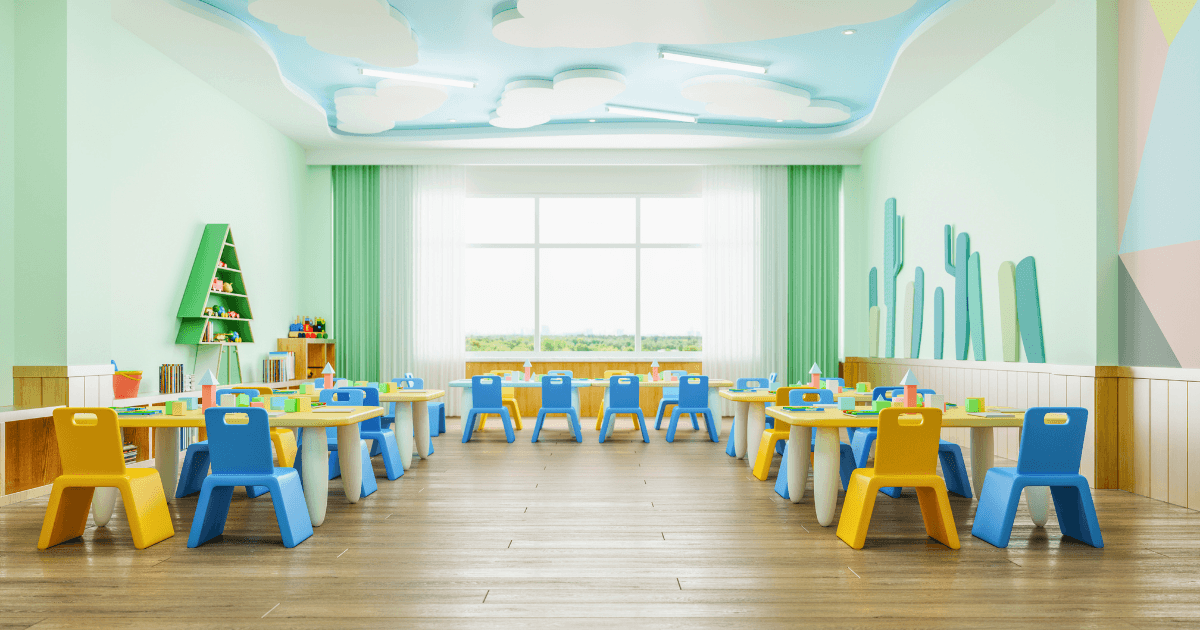
Consider a calming color palette (blues, greens, and neutral tones)
Group similar items together and establish clear visual boundaries
Use curtains or screens to hide storage areas or busy displays when not in use
Budget-friendly tip: Solid-colored bulletin board paper can create a clean backdrop for displays, while bedsheets can cover shelving units when not in use.
4. Seating and Movement: Supporting Physical Regulation
Traditional classroom seating often restricts natural movement, which can increase anxiety and reduce focus for many students.
Create standing workstations for students who focus better on their feet
Designate a movement area where students can stretch or do simple exercises
Incorporate movement breaks throughout the day
Provide fidget tools that allow for subtle movement without disruption
Consider weighted lap pads or pressure vests for students who seek deep pressure
According to Advanced Autism, “Accessible seating options may include bean bags, stability balls, or adjustable chairs to cater to different sensory preferences.”
Budget-friendly tip: Pool noodles, cut in half lengthwise, can be placed under desk legs to create a subtle wobble that allows the desk to move.
5. Creating a Dedicated Calm Space
A designated area for regulation and sensory breaks can be transformative for classroom management and student well-being.
Practical strategies:
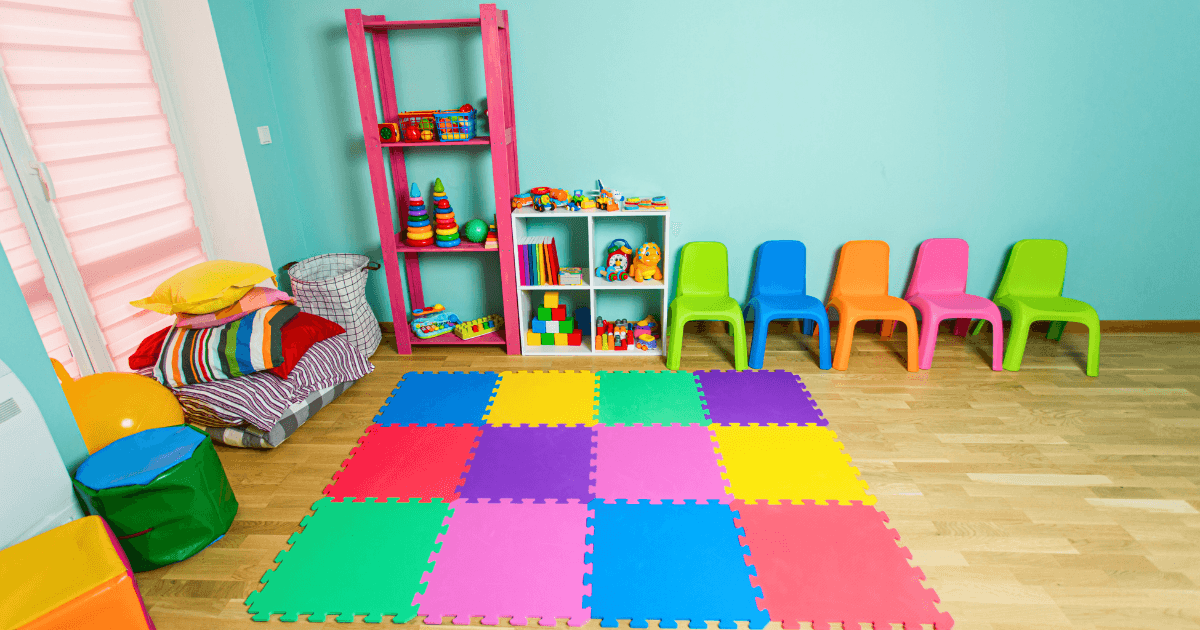
Designate a quiet corner with comfortable seating
Include sensory tools like stress balls, putty, or tactile items
Consider including weighted blankets or stuffed animals
Create clear guidelines for using the space appropriately
Ensure the space feels safe and separate from the main classroom activity
MIEN Company notes that “Sensory spaces aim to create areas where students can disconnect from external stimuli and reconnect with their internal awareness, promoting self-regulation.”
Budget-friendly tip: A large cardboard box can be transformed into a cozy retreat with pillows and battery-operated string lights.
6. Air Quality and Scents: The Forgotten Sensory Input
Smells and air quality significantly impact the learning environment but are often overlooked in classroom design.
Practical strategies:
Avoid artificial air fresheners or scented products
Ensure proper ventilation
Consider air-purifying plants like snake plants or peace lilies
Be mindful of strong food odors in the classroom
Clean with fragrance-free products
Use HEPA air filters if possible
Budget-friendly tip: Opening windows on opposite sides of the room, even for just 5 minutes, creates cross-ventilation that can quickly refresh stale air.
7. Organization and Predictability: Creating Sensory Safety
Clear organization and predictable routines help reduce cognitive load and anxiety for all students.
Use consistent storage systems with clear labels (pictures and words)
Establish predictable routines for transitions
Provide advance notice before transitions or changes
Color-code materials for easy identification
Create individual workspaces with clear boundaries
Budget-friendly tip: Colored tape can create visual boundaries on shared tables or designate personal spaces on the floor during circle time.
Implementing Changes: A Gradual Approach
Creating a calm classroom environment doesn’t happen overnight. Consider this step-by-step approach:
Observe and assess: Spend time noticing when and where students seem most dysregulated. What environmental factors might be contributing?
Prioritize changes: Focus on the most impactful modifications first. Often, lighting and sound management yield the biggest immediate benefits.
Involve students: Ask for their input on what helps them feel calm and focused. This builds self-awareness and gives them ownership of their learning environment.
Start small: Begin with one area of the classroom as a “calm zone” before expanding changes to the entire space.
Evaluate and adjust: Regularly assess how environmental changes are impacting student behavior and learning, and be willing to make adjustments.
Beyond Physical Design: Teaching Self-Regulation
A calm classroom environment works best when paired with explicit instruction in self-regulation strategies:
Teach students to recognize their own sensory preferences and needs
Provide language to express when they’re feeling overwhelmed
Model and practice calming techniques like deep breathing, progressive muscle relaxation, or visualization
Create visual supports for emotional regulation
Establish clear protocols for accessing breaks or sensory tools
As Russell Ewell explains, “Sensory breaks involve short periods for sensory activities to help refocus. Activities for sensory breaks can include jumping, stretching, or deep-breathing exercises.”
Success Story: A Classroom Transformation
When fourth-grade teacher Ms. Rodriguez implemented calm classroom principles, she started small—dimming the overhead lights, adding three floor lamps, and establishing a simple calm corner with pillows and fidget tools. Within weeks, she noticed:
Morning transitions became smoother, with students settling into work more quickly
Fewer behavioral disruptions during instruction time
Students independently recognize when they need sensory breaks
Improved work completion, especially during independent activities
Parents reporting children were less exhausted after school
“I was skeptical that something as simple as changing the lighting could make a difference,” she shared, “but the impact on my students’ focus and behavior has been remarkable. Now I can’t imagine teaching any other way.”
Final Thoughts
Creating a calm classroom isn’t just about accommodating students with special needs—it’s about optimizing the learning environment for everyone. When we reduce sensory stressors, we free up cognitive resources for higher-order thinking, creativity, and social engagement.
Remember that what works for one group of students may need adjustment for another. The key is remaining flexible, observant, and responsive to your unique classroom community. Small changes, implemented thoughtfully and consistently, can transform your students’ learning experience and create a more joyful teaching experience for you.
What strategies have you found effective for creating calm in your classroom? Share your experiences in the comments below!