Process Art vs. Crafts: Why the Difference Matters for Creativity
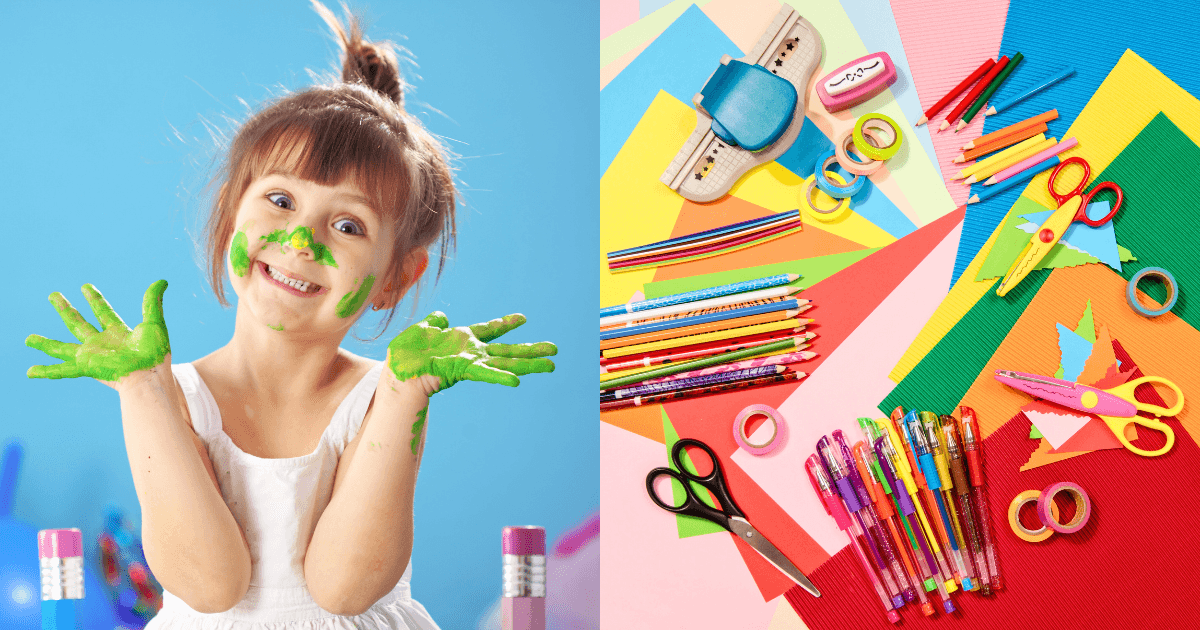
“Look what I made!” Your child proudly presents you with… something. It’s colorful, unusual, and you’re not entirely sure what it is. Do you ask, “What is it?” or simply appreciate their creative expression?
This moment highlights a fundamental distinction in early childhood art experiences: process art versus crafts. Understanding this difference can transform how we support children’s creativity and development.
Defining the Approaches
What is Process Art?
Process art is child-directed creative expression that emphasizes the experience of creating rather than producing a predetermined end product. According to Messy Moose Studio, process art is characterized by:
- No right or wrong way to create
- Open-ended exploration of materials
- Child-led decision making
- Unique results for each child
- Focus on experience rather than outcome
- No adult models or examples to copy
When a child engages in process art, they might combine unexpected materials, change direction multiple times during creation, or spend significant time exploring a single technique that fascinates them.
What are Crafts?
Crafts (sometimes called “product art”) are typically adult-directed activities with specific steps leading to a predetermined outcome. Crafts are characterized by:
- Step-by-step instructions
- Predetermined end products
- Adult-created models or examples
- Similar results across multiple children
- Focus on following directions correctly
- Often tied to holidays, seasons, or themes
When children complete crafts, they practice following directions to create something that resembles the model shown by an adult.
The Developmental Impact: Why It Matters
The art experiences we offer children aren’t just about keeping them busy—they fundamentally shape how children view creativity, problem-solving, and their own capabilities.
Process Art Benefits
1. Fosters True Creativity and Innovation
Process art encourages divergent thinking—the ability to generate multiple solutions to a problem. According to Teaching Strategies, this type of open-ended exploration supports critical thinking skills that transfer to all areas of learning.
When children decide how to use materials without predetermined outcomes, they learn to think flexibly and innovatively. They might discover that paintbrushes can create textures beyond just strokes, or that glue can be a design element rather than just an adhesive.
2. Builds Confidence and Self-Efficacy
In process art, there is no “wrong way” to create. This inherently success-oriented approach builds confidence as children make their own decisions and see their ideas materialize.
Tiger Kubz notes that this approach boosts self-esteem as children gain ownership over their creative choices. They learn to trust their instincts and develop a sense of agency—”I can make decisions and solve problems independently.”
3. Encourages Risk-Taking and Experimentation
Without the pressure to create something that looks “right,” children feel free to experiment and take creative risks. They might mix unusual colors, try unexpected techniques, or repurpose materials in novel ways.
This willingness to experiment and take risks is a crucial life skill that extends far beyond art—it’s the foundation of innovation in all fields.
4. Supports Emotional Expression
Process art provides a safe outlet for expressing emotions that children might not have words to describe. The physical act of creating—pounding clay, making bold strokes with paint, or gently arranging materials—allows children to process and communicate feelings.
5. Develops Executive Function Skills
The open-ended nature of process art requires children to plan, make decisions, solve problems, and adjust their approach as they create. These executive function skills are crucial for academic success and life management.
Craft Benefits
While process art offers significant developmental advantages, crafts also have their place in a balanced approach to creativity:
1. Teaches Specific Techniques and Skills
Crafts can introduce children to specific art techniques, tools, and skills they might not discover independently. Learning to use scissors, fold paper in specific ways, or create particular effects with materials can expand a child’s creative toolkit.
2. Builds Following-Directions Skills
Following step-by-step instructions is an important life skill. Crafts provide structured opportunities to practice listening, sequencing, and attending to details.
3. Connects to Cultural Traditions
As Community Playthings points out, crafts can introduce children to cultural traditions and art forms from around the world. Creating a paper lantern for Diwali or a tissue paper flower for Día de los Muertos connects children to diverse cultural expressions.
4. Provides Comfort and Structure
Some children thrive with more structure and clear expectations. Crafts can provide a comfortable entry point into creative expression for children who might feel overwhelmed by too many open-ended choices.
Finding Balance: When to Use Each Approach
Rather than viewing process art and crafts as opposing approaches, consider them as complementary tools in supporting children’s creative development. The key is knowing when each approach serves children’s needs best.
When Process Art Shines:
- When building creative confidence is the primary goal
- During exploration of new materials
- When supporting emotional expression
- For developing problem-solving skills
- When encouraging individuality and unique expression
When Crafts Make Sense:
- When teaching specific techniques or skills
- For connecting to cultural traditions or celebrations
- When building direction-following skills
- As part of thematic learning (with flexibility for personal expression)
- When children request specific guidance or instruction
Common Misconceptions About Children’s Art
Understanding the difference between process art and crafts helps address several misconceptions about children’s creative development:
Misconception 1: “Good” children’s art looks recognizable to adults
Many adults evaluate children’s art based on how closely it resembles reality or adult expectations. This misunderstands the developmental progression of children’s art and the purpose of creative expression in early childhood.
Young children aren’t trying to create realistic representations—they’re exploring materials, expressing ideas, and developing physical skills. The scribbles, unusual color choices, and seemingly random arrangements are actually sophisticated expressions of their current developmental understanding.
Misconception 2: Templates and coloring pages promote creativity
While coloring pages and templates may keep children busy, they actually limit creative thinking by presenting a “right way” to create. As the Association for Library Service to Children notes, these activities can inadvertently teach children that art is about staying within the lines rather than expressing original ideas.
Misconception 3: Messy art should be limited or avoided
Many adults restrict art experiences that involve mess, but these sensory-rich, physically engaging activities are precisely what young children need for optimal development. Finger painting, clay exploration, and mixed media collage engage multiple senses and support cognitive connections that more contained activities cannot provide.
Implementing Process Art: Practical Strategies
If you’re inspired to incorporate more process art into children’s experiences, here are practical approaches:
1. Offer Inviting Materials Without Instructions
Set up materials in an aesthetically pleasing way, but resist the urge to demonstrate “what to make.” You might arrange colorful paper strips, glue sticks, and cardboard bases on a table, then simply invite children to explore the materials however they wish.
2. Ask Open-Ended Questions
Rather than asking “What is it?” or “What are you making?” (which implies there should be a recognizable product), try:
- “Tell me about your creation”
- “How did you decide to use that material?”
- “Whatdo you notice about the colors/textures/lines you’re creating?”
3. Document the Process, Not Just the Product
Take photos of children while they’re creating, not just of finished pieces. Share these process photos with children and families to emphasize the value of the creative journey.
4. Create an “Yes Space” for Art Exploration
Designate an area where messy exploration is welcomed. Use washable materials, cover surfaces appropriately, and provide smocks or art shirts to reduce anxiety about mess.
5. Rotate Materials to Spark Fresh Interest
Keep the art area dynamic by regularly introducing new materials while maintaining some familiar favorites. Unexpected combinations often spark the most creative explorations—try adding natural materials to traditional art supplies, or introducing tools from other contexts (kitchen utensils for painting, for example).
Process Art Activity Ideas
These open-ended activities support creative exploration while developing various skills:
1. Collaborative Canvas
Materials: Large canvas or paper, various painting tools (brushes, sponges, rollers, etc.), different types of paint
Approach: Invite children to contribute to a group artwork over time. Each child adds their own elements without a predetermined theme or outcome. The evolving creation becomes a visual record of collaborative expression.
2. Texture Exploration
Materials: Various textured materials (bubble wrap, corrugated cardboard, mesh, fabric scraps), paint, paper
Approach: Encourage children to discover how different textures create unique prints and patterns when combined with paint. The focus is on sensory exploration rather than creating specific images.
3. Mixed Media Collage
Materials: Various papers, fabric scraps, natural materials, recycled items, adhesives
Approach: Provide a diverse array of materials and allow children to combine them however they choose. The emphasis is on making choices, problem-solving adhesive challenges, and creating unique compositions.
4. Light Table Explorations
Materials: Light table or box, transparent colored materials (cellophane, acetate, glass gems)
Approach: Invite children to arrange and layer materials on the light surface, observing how colors blend and interact with light. This process-focused activity has no “final product” but offers rich visual and scientific learning.
5. Clay Studio
Materials: Clay or playdough, various tools for manipulation (rolling pins, plastic knives, textured stamps)
Approach: Allow open-ended exploration of the material’s properties. Children might create and recreate multiple forms in one session, focusing on the sensory experience rather than producing a specific object to keep.
Addressing Parent and Teacher Concerns
“But parents expect a cute craft to take home!”
Many educators feel pressure to produce recognizable crafts for special occasions or parent expectations. Consider these alternatives:
- Document process art with photos to share alongside the child’s creation
- Invite parents to participate in process art experiences to understand their value
- Gradually introduce more process-oriented approaches while explaining their developmental benefits
- Find middle-ground activities that allow for individual expression within a loose structure
“Process art is too messy and time-consuming!”
While process art can involve more materials and cleanup, these strategies can help manage the experience:
- Start small with contained process activities before expanding to messier explorations
- Establish clear routines for setup and cleanup, involving children in the process
- Use trays or designated spaces to contain materials
- Schedule process art when time allows for unhurried exploration
- Focus on the quality of the experience rather than the quantity of activities
Cultural Perspectives on Children’s Art
Different cultures view children’s creative expression through varied lenses. Some emphasize technical skill and replication, while others value personal expression and innovation. Neither approach is inherently superior—they reflect different cultural values and priorities.
A balanced approach acknowledges these diverse perspectives while recognizing that all children benefit from both structure and freedom in their creative development. By offering varied creative experiences, we help children navigate and appreciate multiple cultural approaches to art.
The Bigger Picture: Creativity Beyond Art
The distinction between process and product extends beyond art activities to how we approach learning and creativity in all domains. When we value the process of discovery over perfect results, we nurture children who:
- Ask questions rather than just seeking right answers
- View mistakes as valuable learning opportunities
- Approach problems with flexibility and innovation
- Trust their own ideas and creative instincts
- Find joy in exploration and discovery
In a rapidly changing world that increasingly values innovation, creative problem-solving, and adaptability, these process-oriented skills are more valuable than ever.
Conclusion: Embracing the Creative Journey
Both process art and crafts have their place in children’s creative development. The key is understanding the unique benefits of each approach and making intentional choices about when to use them.
By emphasizing process over product most of the time, we nurture not just artists, but creative thinkers who approach life with curiosity, confidence, and innovative spirit. We show children that their unique ideas and expressions have value, and that creativity isn’t about making something that looks “right”—it’s about the joy and discovery found in the creative journey itself.
The next time your child presents you with an unrecognizable artistic creation, resist the urge to ask “What is it?” Instead, try “Tell me about what you created” or simply “I see you used so many interesting colors and shapes!” In doing so, you’ll affirm that in art—as in life—the process of exploration and discovery is where the true magic happens.
What are your experiences with process art and crafts? Share your thoughts and favorite creative activities in the comments below!