Preschool Gardening: Starting Seeds and Growing Young Scientists
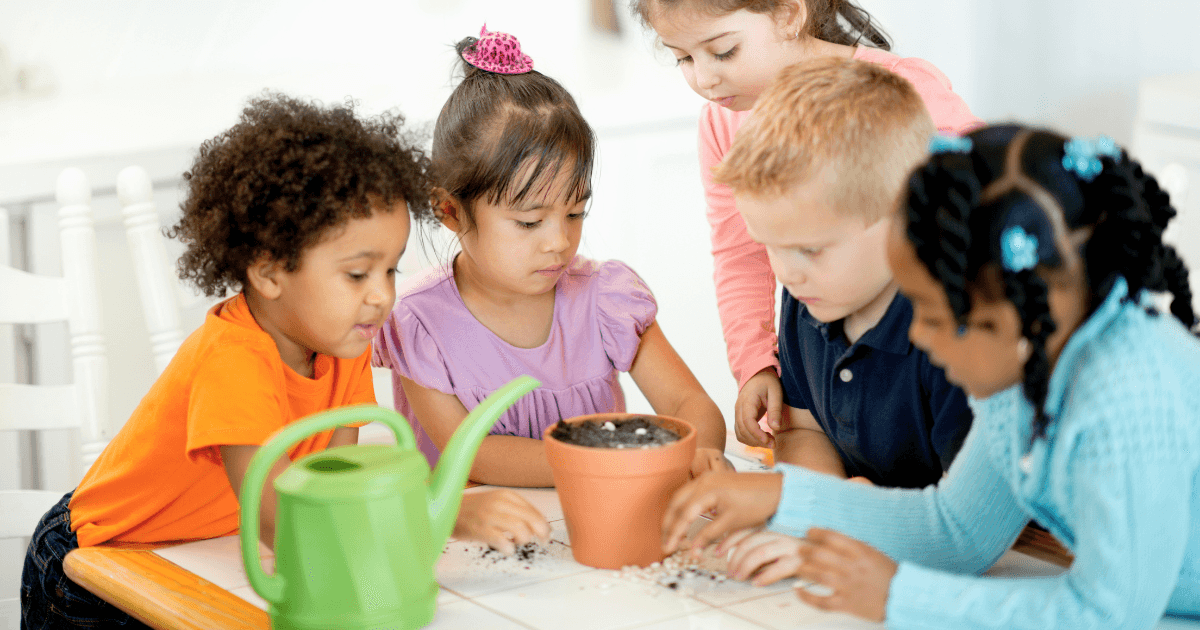
There’s something magical about watching a child’s face light up when they spot the first tiny green sprout emerging from a seed they planted. That moment of wonder and excitement captures the essence of why gardening is such a powerful learning tool for preschoolers. Beyond the joy it brings, gardening offers rich opportunities for developing scientific thinking, responsibility, patience, and a connection to the natural world.
“When children grow plants, they’re not just growing seeds—they’re growing their minds, too,” explains early childhood educator Maya Rodriguez. “The process of planting, caring for, and observing seeds transforms abstract concepts into tangible experiences that young children can understand and embrace.”
Let’s explore how to turn your classroom or home into a laboratory for young botanists with engaging, developmentally appropriate seed-starting activities that nurture both plants and scientific thinking.
Why Gardening Matters for Young Children
Before diving into activities, it’s worth understanding why gardening is particularly valuable for preschoolers:
Developmental Benefits
- Scientific thinking: Observing, predicting, and documenting growth develops core science skills
- Fine motor development: Handling seeds, pouring soil, and careful watering strengthens small muscles
- Language development: Learning plant vocabulary and describing observations builds communication skills
- Math concepts: Measuring growth, counting seeds, and understanding time reinforce mathematical thinking
- Emotional growth: Developing patience and responsibility while experiencing the joy of nurturing life
According to Teaching 2 and 3 Year Olds, gardening activities help children develop a connection with the earth, patience, responsibility, and understanding of the growth process—all crucial skills for lifelong learning.
Getting Started: Simple Seed Activities for Preschoolers
Let’s begin with activities that introduce seeds before planting them. These preliminary explorations build curiosity and background knowledge that make the growing process more meaningful.
1. Seed Exploration Station
Materials:
- Various types of seeds (bean, sunflower, pumpkin, corn, pea, etc.)
- Magnifying glasses
- Sorting trays or muffin tins
- Paper and crayons for recording observations
Process:
- Place different types of seeds in separate containers at a discovery table
- Invite children to observe and compare the seeds using magnifying glasses
- Encourage sorting by size, color, shape, or texture
- Provide materials for children to draw what they observe
- Introduce vocabulary like “seed coat,” “embryo,” and “stored food”
Extension: Cut open larger seeds like lima beans (after soaking overnight) to observe the parts inside. Help children identify the seed coat, embryo, and stored food.
2. Seed Matching Game
Materials:
- Seeds from fruits and vegetables children commonly eat
- The corresponding fruits and vegetables (or pictures of them)
- Small trays or plates
Process:
- Display fruits and vegetables alongside their seeds
- Mix up the seeds and invite children to match them to the correct plant
- Discuss how seeds travel (inside fruits, by wind, sticking to animals, etc.)
- Talk about how each seed can grow into a new plant of the same kind
Extension: Create seed collages by gluing different seeds onto cardstock to form patterns or pictures.
Planting Seeds: Core Activities for Young Scientists
Now that children have explored seeds, they’re ready for the excitement of planting. These activities offer slightly different approaches to accommodate various settings and resources.
1. See-Through Seed Viewers
This activity from Play Dough to Plato allows children to observe the entire germination process.
Materials:
- Clear plastic containers with lids (recycled food containers work well)
- Paper towels
- Cotton balls
- Spray bottle with water
- Various seeds (beans, peas, and corn work especially well)
- Non-toxic school glue
- Permanent marker for labeling
Process:
- Help children fold a paper towel to fit inside their container
- Let each child select 3-4 different seeds to observe
- Place a small dot of glue on the paper towel where each seed will go
- Have children place their seeds on the glue dots
- Spray the paper towel untildamp (not soaking)
- Add moistened cotton balls to help maintain humidity
- Secure the lid and label with date and seed types
- Place in a warm location with indirect light
- Observe daily, recording changes and adding water as needed
“The transparent containers create a ‘window’ into the normally hidden process of germination,” explains science educator James Chen. “Children can see the roots developing downward and the shoots growing upward, making abstract concepts concrete.”
2. Biodegradable Pot Planters
This approach from Teaching 2 and 3 Year Olds allows for eventual transplanting outdoors.
Materials:
- Biodegradable pots (purchased or made from newspaper)
- Potting soil
- Various seeds (sunflowers, beans, marigolds, or lettuce are good choices)
- Small shovels or scoops
- Spray bottles with water
- Craft sticks for labels
- Markers for decorating labels
- Trays to hold pots
Process:
- Set up a planting station with all materials accessible
- Help children fill their pots about 3/4 full with soil
- Demonstrate how to make a small indentation for the seeds
- Let children choose seeds and plant according to package directions
- Cover seeds with a thin layer of soil
- Water gently with spray bottles
- Create and add labels with child’s name and plant type
- Place in a sunny location and water daily
- Observe and document growth over time
Extension: Create a class graph showing which seeds sprouted first and which grew tallest after two weeks.
3. Indoor Garden Greenhouse
For a more controlled environment that works well in classrooms, try this approach inspired by Hands On As We Grow.
Materials:
- Clear plastic salad container with lid (or similar container)
- Potting soil
- Seeds (fast-growing varieties like radishes, lettuce, or herbs)
- Small cups or popsicle sticks for labels
- Spray bottle with water
- Observation journals
Process:
- Poke a few drainage holes in the bottom of the container
- Fill the container with about 2 inches of potting soil
- Divide the container into sections for different seed types
- Plant seeds according to package directions
- Mist thoroughly with water
- Close the lid to create a mini-greenhouse effect
- Place in a warm, sunny location
- Remove the lid once seedlings appear
- Water as needed and observe daily changes
“Our preschoolers became so invested in their greenhouse garden that we had to create a ‘Garden Helper’ job on our classroom job chart,” shares preschool teacher Sofia Patel. “They took such pride in being responsible for checking and watering the seedlings.”
Documenting Growth: Nurturing Scientific Thinking
A crucial aspect of gardening with preschoolers is documenting the growth process. This reinforces scientific methods and helps children develop observation skills.
1. Growth Journals
Materials:
- Simple notebooks or stapled paper
- Crayons, markers, or colored pencils
- Ruler (optional for older preschoolers)
- Date stamp or calendar
Process:
- Create a simple template with space for drawing and a few observation prompts
- Help children record the date for each observation
- Encourage drawing what they see (appropriate for their developmental level)
- For non-writers, take dictation about their observations
- Older preschoolers can measure and record plant height
- Review journals periodically to discuss changes over time
2. Photo Documentation
Materials:
- Camera or tablet
- Printing capability or digital display
- Small whiteboard for labeling photos
- Timeline display area
Process:
- Take photos of seeds before planting
- Photograph the planting process
- Capture daily or weekly images of growth
- Print photos or create a digital slideshow
- Arrange photos in sequence to show the growth process
- Discuss changes observed in the photo series
3. Class Growth Chart
Materials:
- Large paper or poster board
- Markers or crayons
- Ruler
- Sticky notes
Process:
- Create a simple chart with days/weeks along the bottom and height along the side
- Help children measure their seedlings regularly
- Mark growth on the chart with different colors for different plant types
- Discuss patterns: Which plants grew fastest? Tallest? Had the most leaves?
- Use the chart for simple math activities (How much did it grow since last week?)
Extending the Learning: Beyond Basic Seed Starting
Once seeds have sprouted, the learning opportunities expand. Here are activities that build on the initial seed-starting experience:
1. Parts of a Plant Investigation
As seedlings develop, help children identify and learn about different plant parts:
- Roots: Carefully remove one seedling to observe the roots; discuss their purpose
- Stems: Observe how stems grow toward light; try placing plants on their sides
- Leaves: Compare leaf shapes and sizes; discuss how leaves help plants make food
- Flowers (if applicable): Observe parts of flowers; discuss their role in making seeds
2. Plant Needs Experiment
Set up a simple experiment to demonstrate what plants need to grow:
Materials:
- 4 identical seedlings
- 4 identical containers
- Labels
Process:
- Label containers: “Water and Light,” “Water Only,” “Light Only,” “No Water or Light”
- Place seedlings in appropriate conditions according to labels
- Help children predict what will happen to each plant
- Observe and document changes over 1-2 weeks
- Discuss results and what they tell us about plant needs
3. Seed-to-Table Experience
For the ultimate extension, help children harvest and taste edible plants they’ve grown:
- Lettuce and spinach can be harvested within 30-45 days
- Herbs like basil and cilantro offer aromatic sensory experiences
- Radishes provide quick gratification, ready in about 25 days
- Pea shoots can be harvested and eaten even before peas form
“The first time our preschoolers harvested lettuce they had grown from seeds, several children who’didn’t like salad’ suddenly became enthusiastic salad eaters,” recalls teacher Michael Torres. “There’s something powerful about that connection to food they’ve nurtured themselves.”
Literature Connections: Growing Understanding Through Books
Enhance your gardening activities with these preschool-friendly books:
- “The Tiny Seed” by Eric Carle
- “The Carrot Seed” by Ruth Krauss
- “Lola Plants a Garden” by Anna McQuinn
- “From Seed to Plant” by Gail Gibbons
- “Up, Down, and Around” by Katherine Ayres
- “Jack’s Garden” by Henry Cole
According to Tinkergarten, pairing hands-on activities with quality literature deepens children’s understanding and provides vocabulary to express their observations.
Tips for Success: Managing Gardening with Young Children
Gardening with preschoolers can be messy and unpredictable, but these strategies will help ensure a positive experience:
Preparation Tips
- Pre-measure soil into individual containers for easier distribution
- Use spray bottles instead of watering cans to prevent overwatering
- Choose fast-germinating seeds for quicker results (beans, sunflowers, radishes)
- Create a designated gardening area with clear boundaries
- Have cleanup materials readily available (hand wipes, dustpan, etc.)
Process Tips
- Model proper seed handling (gentle touches, not squeezing)
- Embrace the mess as part of the sensory experience
- Use visual cues for seed depth (popsicle sticks with lines)
- Take photos of each step to review the process later
- Incorporate songs or fingerplays about plants during waiting periods
Management Tips
- Work in small groups rather than with the whole class at once
- Assign special roles like “Seed Distributor” or “Water Helper”
- Create a visual schedule of gardening tasks
- Have alternative activities ready for children who finish quickly
- Prepare for disappointment if some seeds don’t germinate
Final Thoughts: Cultivating Wonder and Scientific Minds
Gardening with preschoolers is about much more than growing plants—it’s about growing curious, observant young scientists who understand their connection to the natural world. Through these seed-starting activities, children develop foundational science skills while experiencing the joy of nurturing life.
As educator and author David Sobel reminds us, “Give children a chance to love the earth before we ask them to save it.” By introducing gardening experiences in the preschool years, we plant seeds of environmental stewardship that can grow throughout a lifetime.
So gather your seeds, soil, and eager young gardeners, and prepare for a journey of discovery that unfolds one sprout at a time. The wonder in their eyes when that first seedling emerges will remind you why hands-on science experiences are so powerful for our youngest learners.
What gardening activities have you tried with preschoolers? Share your experiences and questions in the comments below!