Play-Based Learning: Why Experts Say It’s Better Than Academic Preschools
When it comes to early childhood education, parents often face a challenging decision: should they choose a play-based preschool or an academically focused program? With increasing pressure for children to achieve academic milestones earlier, many parents worry that choosing a play-based approach might put their child at a disadvantage.
However, a growing body of research is challenging this assumption. In fact, early childhood experts and neuroscientists are increasingly advocating for play-based learning as the superior approach for young children’s development and long-term success.
Let’s explore why play-based learning has gained such strong support from educational experts and what the research tells us about its benefits compared to traditional academic preschools.
Understanding Play-Based Learning vs. Academic Preschools
Before diving into the research, it’s important to understand what these different approaches entail.
Play-Based Learning
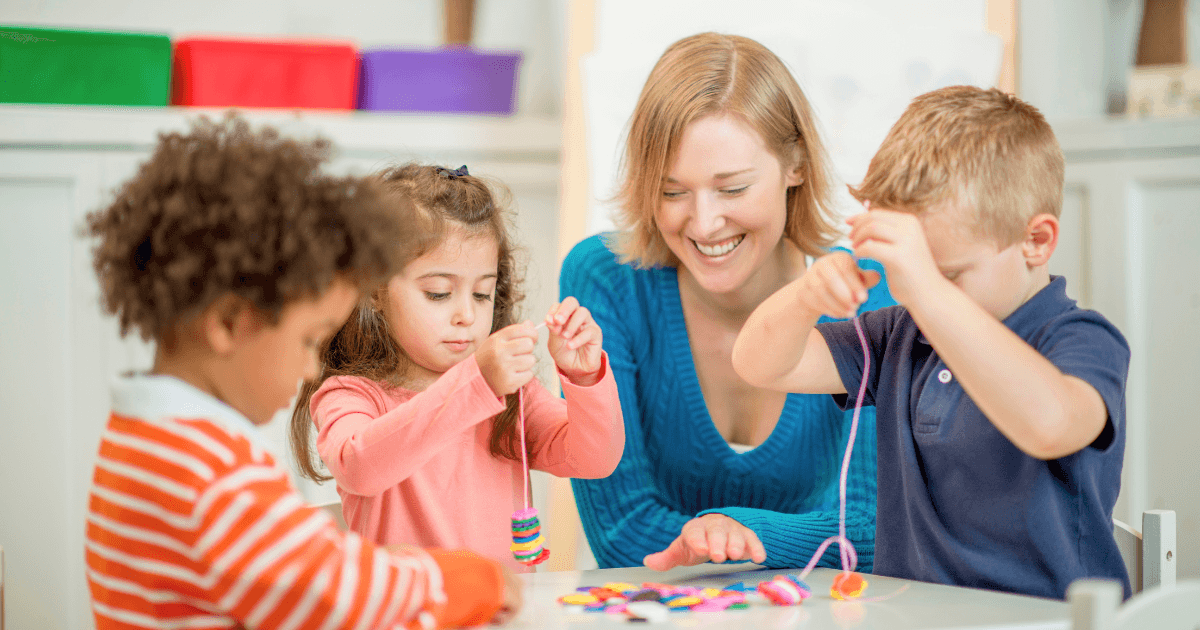
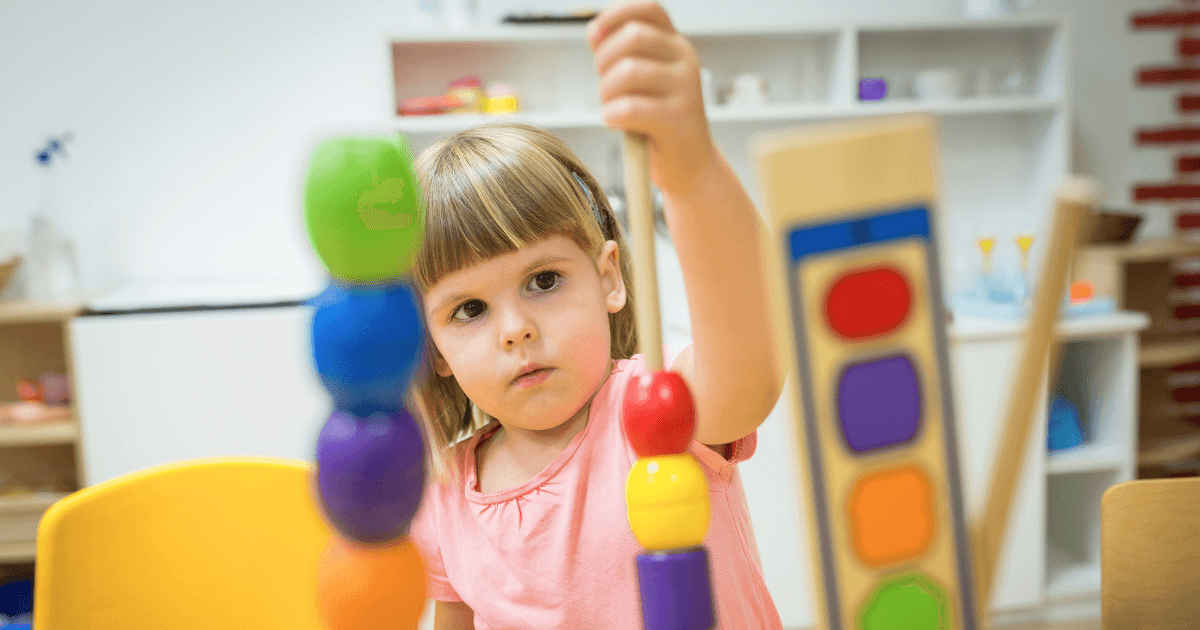
Play-based learning is an educational approach where children learn through purposeful play experiences. In these environments:
- Children engage in both free play (child-directed) and guided play (teacher-facilitated)
- Learning is hands-on, experiential, and often self-directed
- Teachers act as facilitators who extend learning through questions and thoughtful interactions
- The classroom environment is designed with intentional learning opportunities
- Academic concepts are embedded in playful contexts rather than taught in isolation
Academic Preschools
Academic or “traditional” preschools typically focus on direct instruction of specific skills and knowledge:
- Learning is more teacher-directed and structured
- There’s greater emphasis on pre-literacy and pre-math skills
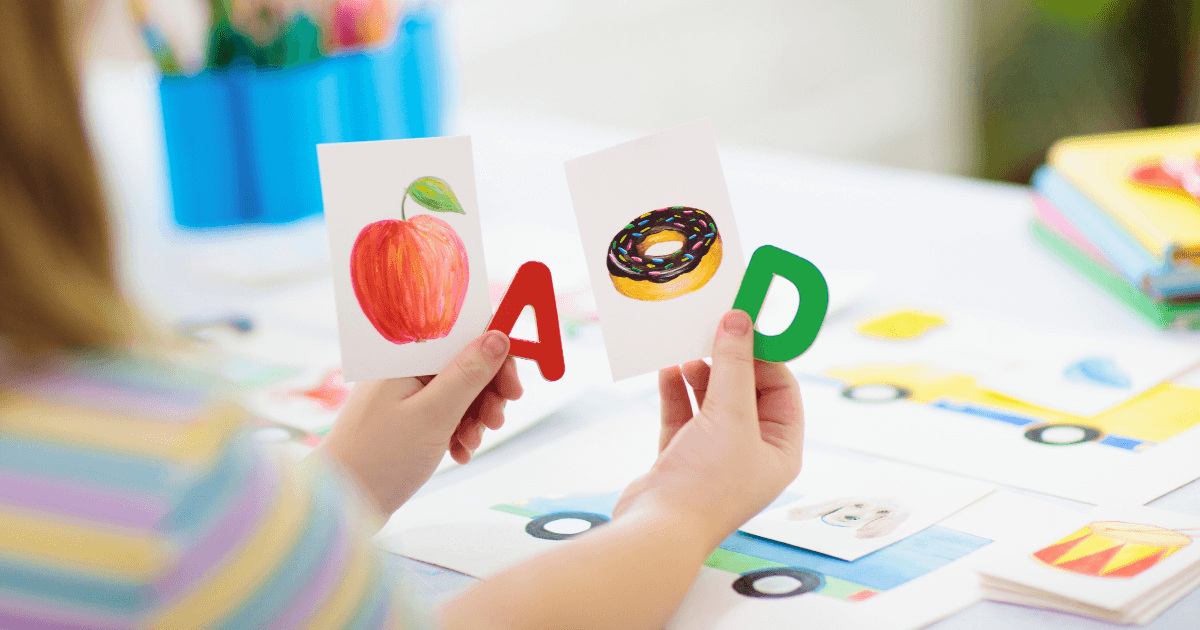
- Activities often involve worksheets, flashcards, and rote memorization
- Classrooms may have less time allocated for free play
- The curriculum is typically organized around discrete academic skills
The Research: Why Play-Based Learning Has the Edge
Recent research has provided compelling evidence for the superiority of play-based approaches in early childhood education. Here’s what the studies tell us:
1. Better Long-Term Academic Outcomes
Contrary to what many parents might expect, children from play-based programs often outperform their peers from academic preschools in the long run.
A longitudinal study highlighted by CC Avero found that “children from play-based programs typically demonstrate stronger reading comprehension and problem-solving abilities by third grade compared to peers from academically-focused programs.”
This finding is supported by a concerning 10-year study in Tennessee, which found that low-income children who attended academic-focused preschool programs actually had lower test scores and were more likely to be placed in special education by third and sixth grade compared to their peers who didn’t attend these programs.
As reported by Collaborative Classroom, these children had “less time for large motor activity and choice time compared to whole-group instruction,” suggesting that the academic approach may have undermined rather than enhanced their learning.
2. Enhanced Cognitive Development
Research from the University of Cambridge, cited by Edutopia, found that guided play can have a greater positive effect on skills like math understanding, shape knowledge, and task switching compared to direct instruction.
This finding is particularly significant because it challenges the assumption that direct instruction is necessary for teaching academic content. In fact, Purdue Global notes that “research indicates that guided play has a greater positive effect on early math skills and task switching compared to direct instruction.”
3. Superior Development of Executive Function Skills
Executive function skills—including working memory, cognitive flexibility, and impulse control—are increasingly recognized as crucial predictors of academic and life success.
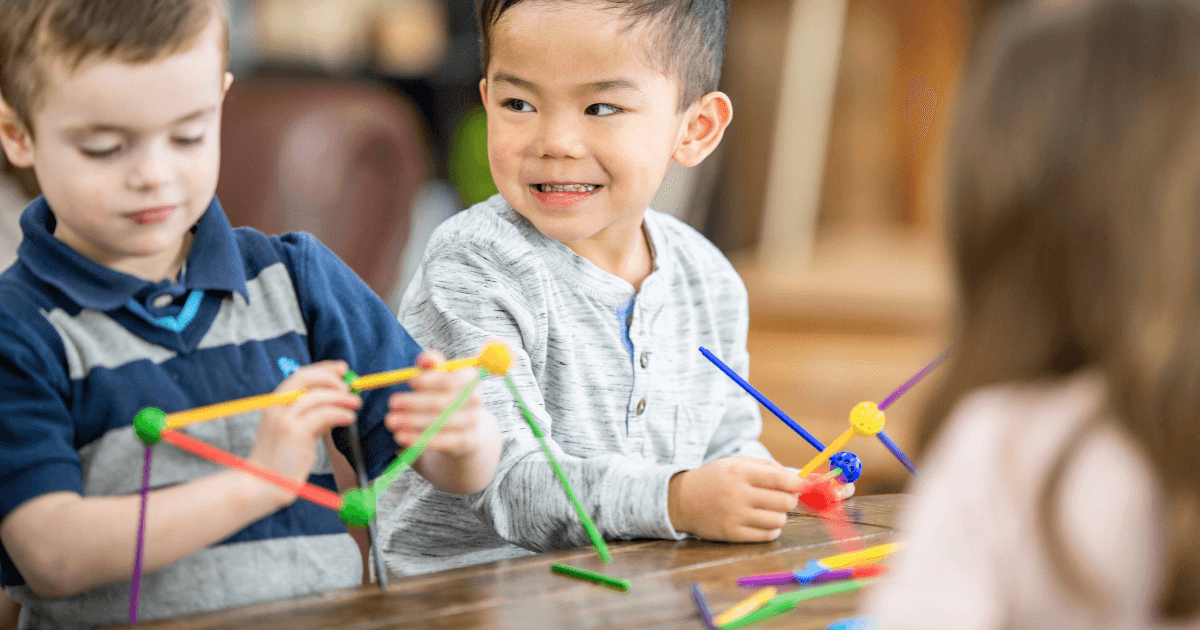
According to a 2025 systematic review cited by the Waldorf Education Association, play significantly enhances problem-solving, divergent thinking, and academic readiness. The review analyzed 25 empirical studies and found that “loose parts play” (play with open-ended materials that can be used in multiple ways) was particularly beneficial.
A longitudinal Australian study found that 1-5 hours of active, unstructured play per day predicted significantly stronger self-regulation in children aged 2 to 7—a critical finding given the importance of self-regulation for school success.
4. Stronger Social-Emotional Development
Play-based learning provides rich opportunities for children to develop crucial social-emotional skills:
- Negotiating with peers
- Managing emotions
- Developing empathy
- Building resilience
- Practicing cooperation
The Institute of Education Sciences (IES) notes that play-based learning is “linked to the development of 21st century learning skills, including collaboration, communication, critical thinking, and confidence.”
These social-emotional skills have been shown to be strong predictors of long-term academic success and life outcomes, often more so than early academic skills.
5. Fostering Intrinsic Motivation and Love of Learning
One of the most significant advantages of play-based learning is its ability to nurture children’s natural curiosity and love of learning.
As US News & World Report explains, “Play-based learning fosters curiosity and a love for learning, which are viewed as vital outcomes of early childhood education.”
This intrinsic motivation is crucial for long-term academic success. When children are forced to learn through direct instruction and rote memorization, they may develop negative associations with learning. In contrast, play-based approaches capitalize on children’s natural drive to explore and discover, creating positive learning experiences that can last a lifetime.
The Science Behind Play-Based Learning
The growing support for play-based learning isn’t just based on educational philosophy—it’s grounded in neuroscience and developmental psychology.
How Play Affects the Brain
Play activates multiple regions of the brain simultaneously, creating rich neural connections that enhance learning. When children engage in play:
- The prefrontal cortex (responsible for executive functions) is highly activated
- Dopamine and endorphins are released, creating positive associations with learning
- Stress hormones like cortisol are reduced, creating optimal conditions for learning
- Neural pathways are strengthened through repetition and variation
As noted by CC Avero, “Play activates multiple brain regions simultaneously, creating rich neural networks that enhance cognitive abilities.”
Deep vs. Surface Learning
Educational researchers distinguish between “surface learning” (memorization of facts) and “deep learning” (understanding and application of knowledge). Play-based approaches excel at promoting deep learning.
According to US News & World Report, many academic preschools focus on “surface learning,” which involves rote memorization, rather than “deep learning,” which emphasizes understanding and applying knowledge through real-world experiences.
For example, children in academic programs might memorize that 2+3=5, but children in play-based programs might develop a deeper understanding of addition by combining groups of objects during play, counting them, and discovering the principle for themselves.
Types of Play-Based Learning
It’s important to note that play-based learning isn’t a single approach but encompasses various types of play, each with unique benefits:
Free Play
In free play, children choose their activities, materials, and playmates with minimal adult direction. This type of play:
- Promotes autonomy and decision-making
- Enhances creativity and imagination
- Develops intrinsic motivation
- Builds social negotiation skills
Guided Play
Guided play strikes a balance between child-directed activity and adult guidance. In this approach:
- Teachers have specific learning goals in mind
- Children maintain choice and agency
- Adults scaffold learning through questions and suggestions
- Learning is embedded in playful contexts
Research from the IES indicates that “guided play is more effective than direct instruction for teaching academic content to children under eight.”
Structured Games
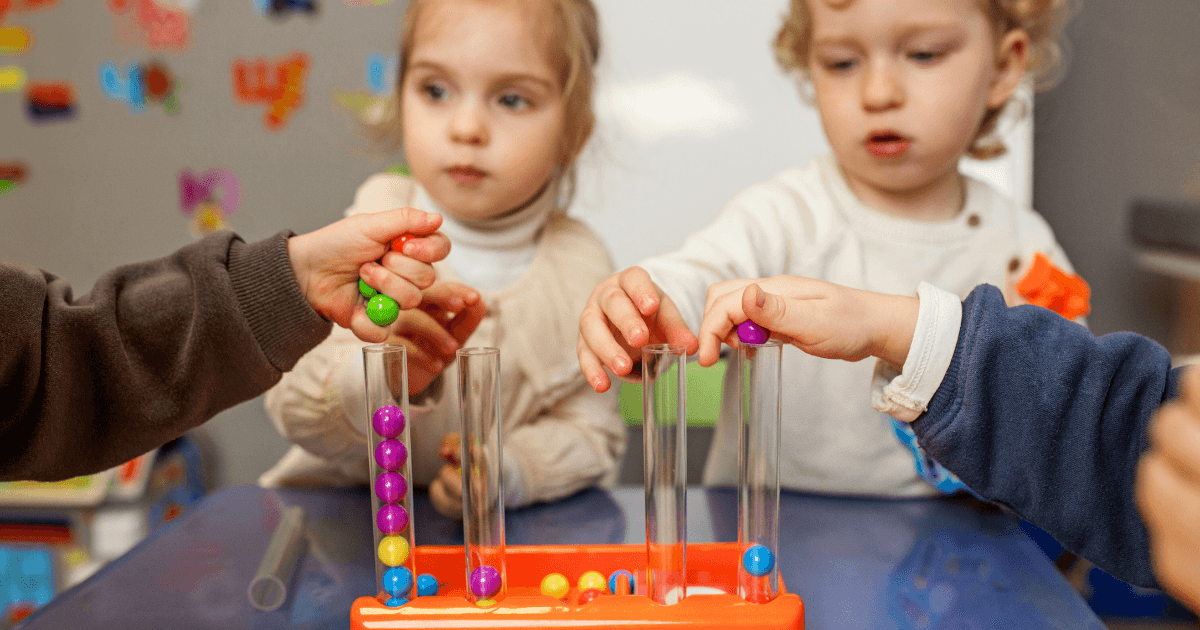
Games with rules provide opportunities for children to:
- Practice following directions
- Develop strategic thinking
- Learn turn-taking
- Experience healthy competition
Sensory Play
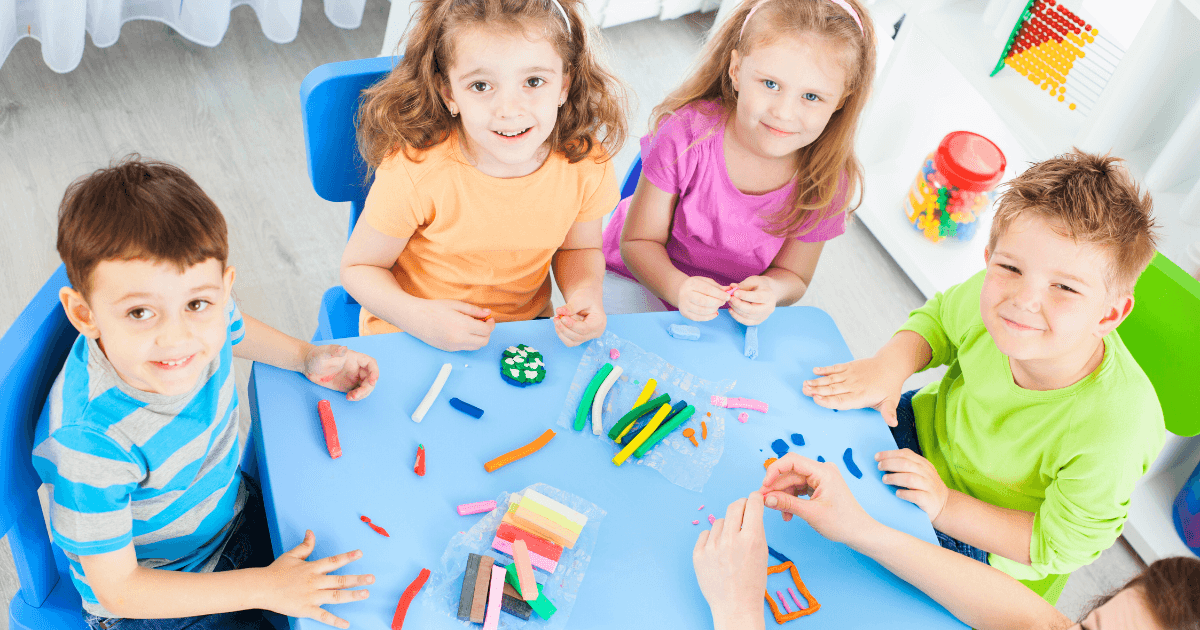
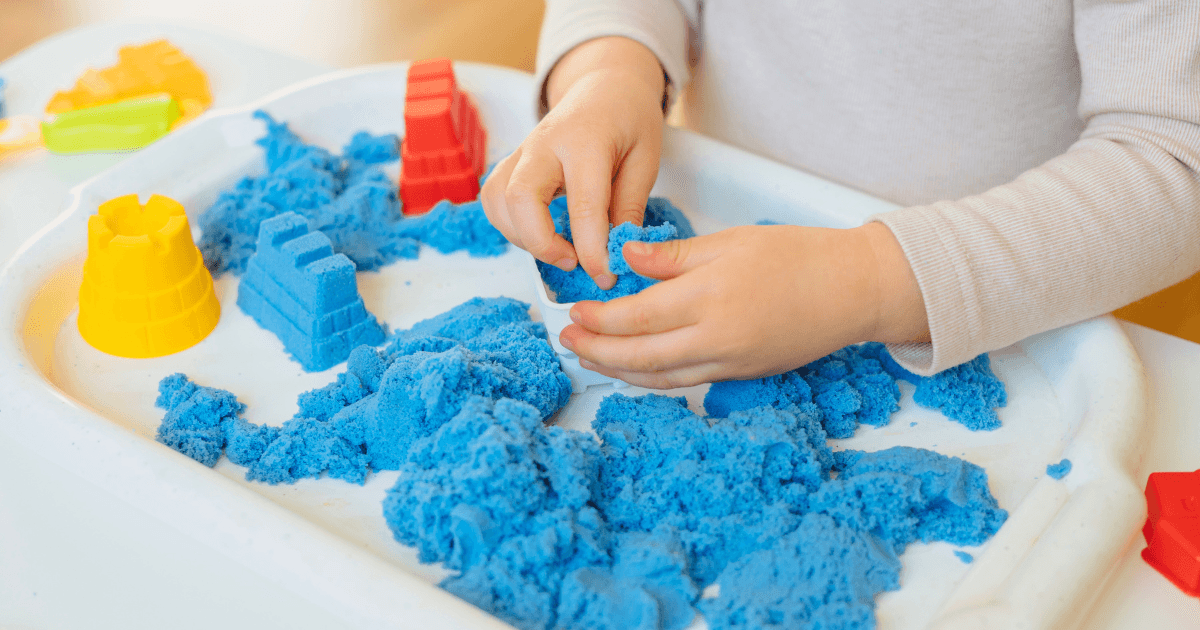
Engaging with materials like water, sand, clay, and other sensory media helps children:
- Develop fine motor skills
- Understand scientific concepts
- Process sensory information
- Regulate emotions
Dramatic Play
When children engage in pretend play, they:
- Develop narrative thinking
- Practice perspective-taking
- Expand vocabulary and language skills
- Process real-life experiences
Addressing Common Concerns About Play-Based Learning
Despite the research supporting play-based approaches, many parents still have concerns. Let’s address some of the most common ones:
“Will my child be prepared for kindergarten?”
Research actually suggests that children from play-based programs are better prepared for kindergarten than those from academic preschools. They typically have stronger self-regulation, problem-solving abilities, and social skills—all crucial for kindergarten success.
A meta-analysis referenced by the IES found that “guided play is more effective than direct instruction for teaching academic content to children under eight,” suggesting that play-based approaches can effectively prepare children for academic challenges.
“Will my child learn to read and write?”
Play-based programs incorporate pre-literacy skills in meaningful contexts. Children develop phonological awareness through rhyming games and songs, learn letter-sound relationships through playful activities, and build fine motor skills needed for writing through art and manipulative play.
Research indicates that these embedded approaches to literacy often lead to stronger reading comprehension in later years compared to direct instruction of isolated skills.
“How will my child learn discipline and structure?”
Play-based classrooms still have rules, routines, and expectations. In fact, children in play-based settings often develop stronger self-discipline because they learn to regulate their behavior in meaningful social contexts rather than simply following directions.
According to Edweek, “Play-based learning is believed to foster not only academic skills but also essential lifelong skills such as collaboration, communication, and critical thinking.”
The Resurgence of Play-Based Learning
After years of increasing academic pressure in early childhood classrooms, there’s a notable shift back toward play-based approaches. According to Edweek, “Play-based learning in kindergarten is making a comeback as educators and policymakers respond to concerns about the lack of play in early education.”
This trend is reflected in recent policy changes:
- Connecticut passed legislation in 2023 mandating play-based learning in public preschool and kindergarten
- New Hampshire amended its education legislation in 2018 to emphasize a play-based model for kindergarten education
- Massachusetts launched a Playful Learning Institute initiative for educators in 2021
These policy changes reflect growing recognition among educators and policymakers that play is not just a break from learning—it is learning in its most developmentally appropriate form for young children.
Finding a Quality Play-Based Program
If you’re convinced of the benefits of play-based learning, here are some characteristics to look for in a quality program:
Balance of Free and Guided Play
Look for programs that offer both unstructured play time and intentionally designed play experiences guided by knowledgeable teachers.
Thoughtful Environment
The classroom should be organized into distinct learning areas with open-ended materials that can be used in multiple ways.
Skilled Teachers
Teachers should be actively engaged with children during play, asking open-ended questions, and extending learning through thoughtful interactions.
Visible Learning
While the approach is play-based, you should still see evidence of learning across all developmental domains—cognitive, social, emotional, physical, and language.
Joyful Atmosphere
Children should appear engaged, curious, and happy. A quality play-based program fosters joy in learning.
Supporting Play-Based Learning at Home
Parents can extend the benefits of play-based learning at home:
- Provide open-ended materials: Blocks, art supplies, dress-up clothes, and natural materials encourage creative play.
- Limit structured activities: Ensure your child has plenty of unscheduled time for self-directed play.
- Join in sometimes: Engage in play with your child occasionally, following their lead while gently extending their thinking through questions and suggestions.
- Limit screen time: The American Academy of Pediatrics recommends no more than one hour of high-quality screen time per day for preschoolers.
- Value play: Show your child that you value their play by giving them time, space, and positive attention for their play-based explorations.
Conclusion: The Compelling Case for Play-Based Learning
The research is clear: play-based learning offers significant advantages over traditional academic preschools for young children’s development and long-term success.
By choosing a play-based approach, parents aren’t sacrificing academic preparation—they’re actually providing a stronger foundation for academic success by nurturing the development of crucial cognitive, social, and emotional skills.
As the American Academy of Pediatrics emphasizes, play is not a luxury but a necessity for healthy child development—as essential as good nutrition and adequate sleep. In the words of developmental psychologist Alison Gopnik, “Play is to early childhood as work is to adulthood—it’s not just about having fun, it’s about learning how to be human.”
In a world increasingly focused on test scores and academic achievement, the science of child development reminds us that young children learn best through joyful, meaningful play experiences. By honoring this fundamental truth, we give our children the gift of a developmentally appropriate education that nurtures their natural love of learning and sets them up for success in school and in life.
What are your experiences with play-based learning? Share your thoughts and questions in the comments below!