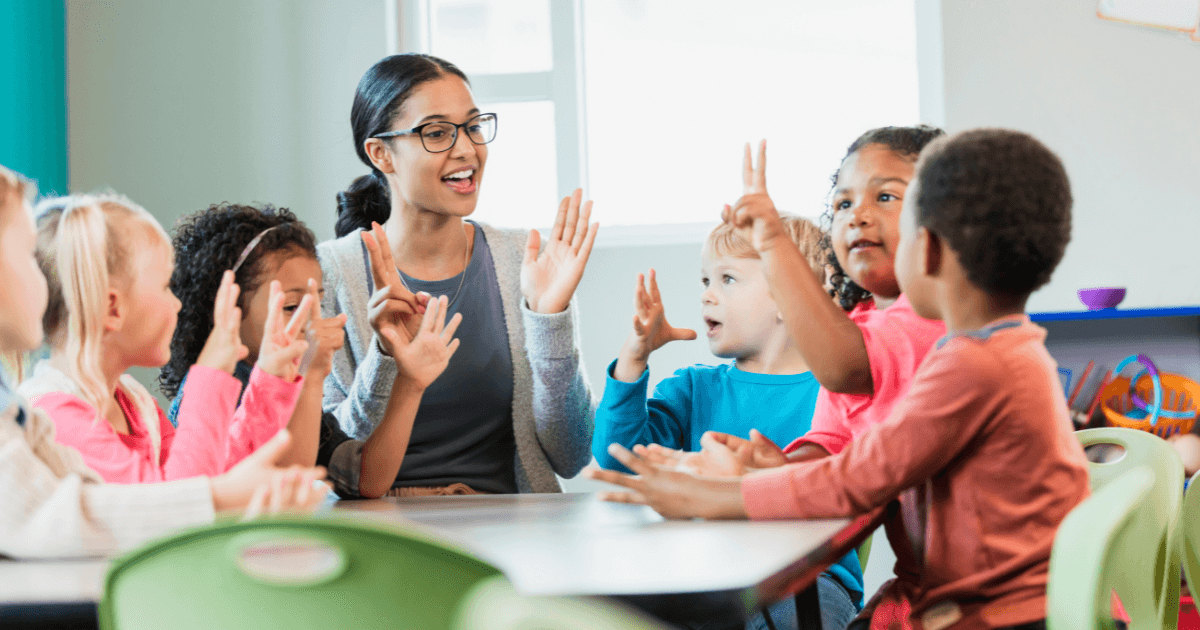
Play-Based Learning: Why ‘Just Playing’ Is Actually Crucial Brain Work
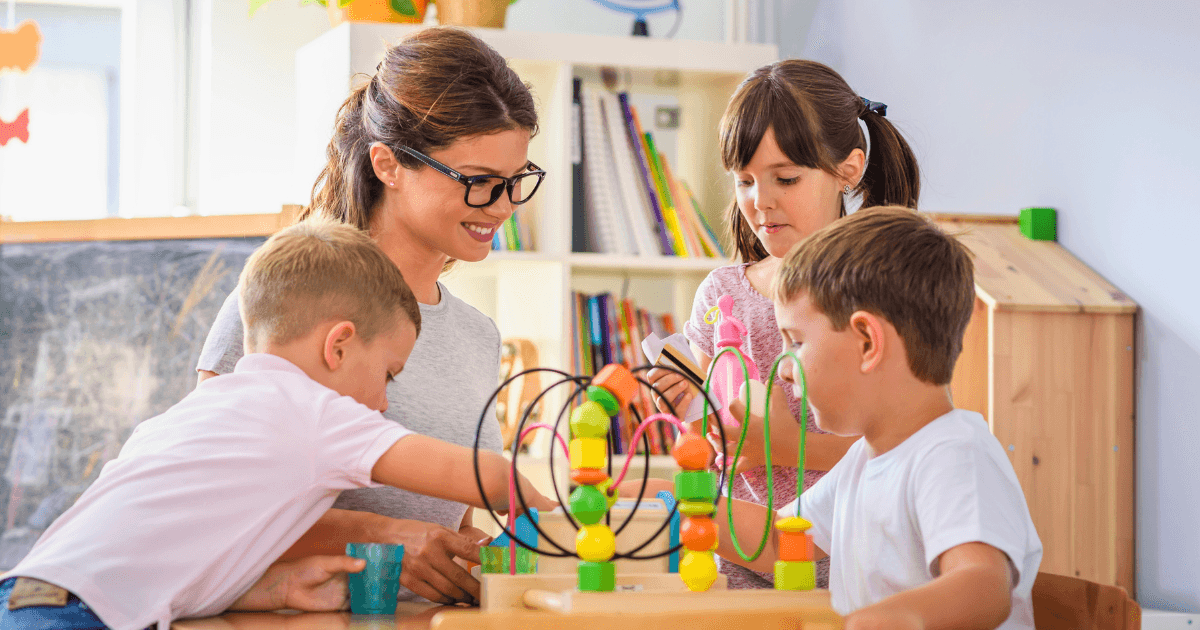
“Look at them—just playing again.”
If you’ve ever heard this comment (or thought it yourself) while watching children stack blocks, splash in puddles, or engage in elaborate pretend scenarios, you might be surprised to learn what’s really happening beneath the surface. What looks like “just playing” to the casual observer is actually sophisticated brain development in action.
In fact, according to the Harvard Center on the Developing Child, play is one of the most powerful ways children build sturdy brain architecture—the foundation for all future learning, behavior, and health.
Let’s explore why play isn’t just a way for children to pass time, but rather crucial work that shapes their developing brains and sets the stage for lifelong success.
The Neuroscience of Play: What’s Happening in Your Child’s Brain
When children play, their brains are firing on all cylinders. Recent neuroscience research has revealed fascinating insights into what happens during play:
Building Neural Connections
During the first few years of life, more than one million new neural connections form every second. Play experiences directly influence how these connections develop and strengthen. According to research from the National Institute for Play, over 70% of the brain’s wiring is completed by age three, with play being essential for this process.
Developing the Prefrontal Cortex
The prefrontal cortex—responsible for executive functions like planning, decision-making, and self-regulation—is particularly activated during play. When children engage in imaginative scenarios or solve problems during play, they’re exercising and strengthening this crucial brain region.
As noted in a 2023 American Academy of Pediatrics report, “Play enhances brain structure and function, promoting executive function, which is crucial for learning and goal pursuit.”
Releasing Growth Chemicals
Play triggers the release of brain-derived neurotrophic factor (BDNF), often called “brain fertilizer,” which supports the growth and maintenance of brain cells. It also stimulates the release of dopamine, creating positive feelings that motivate children to continue engaging in learning activities.
Creating Stress-Buffering Systems
Through playful interactions, children develop neural systems that help regulate stress responses. This is particularly important for children facing adversity, as play can provide a protective buffer against the negative effects of stress on brain development.
Strengthening Cross-Hemispheric Communication
Many types of play, especially those involving physical activity and coordination, strengthen the corpus callosum—the bridge between the brain’s left and right hemispheres. This enhanced communication between hemispheres supports integrated thinking, creativity, and problem-solving.
The Six Types of Play and Their Brain-Building Benefits
Not all play is the same, and different types of play develop different skills and neural pathways. Understanding these varieties can help you recognize and support your child’s development through play.
1. Physical Play
What it looks like: Running, jumping, climbing, dancing, rough-and-tumble play
Brain benefits:
- Develops motor cortex and cerebellum, improving coordination and balance
- Strengthens connections between brain and body
- Releases endorphins that support positive mood and stress regulation
- Builds spatial awareness through proprioception (awareness of body in space)
A 2024 study published in the Chartered College of Teaching found that physical play supports the development of coordination, gross and fine motor skills, and overall physical health, with children who engage in active play showing better physical development outcomes.
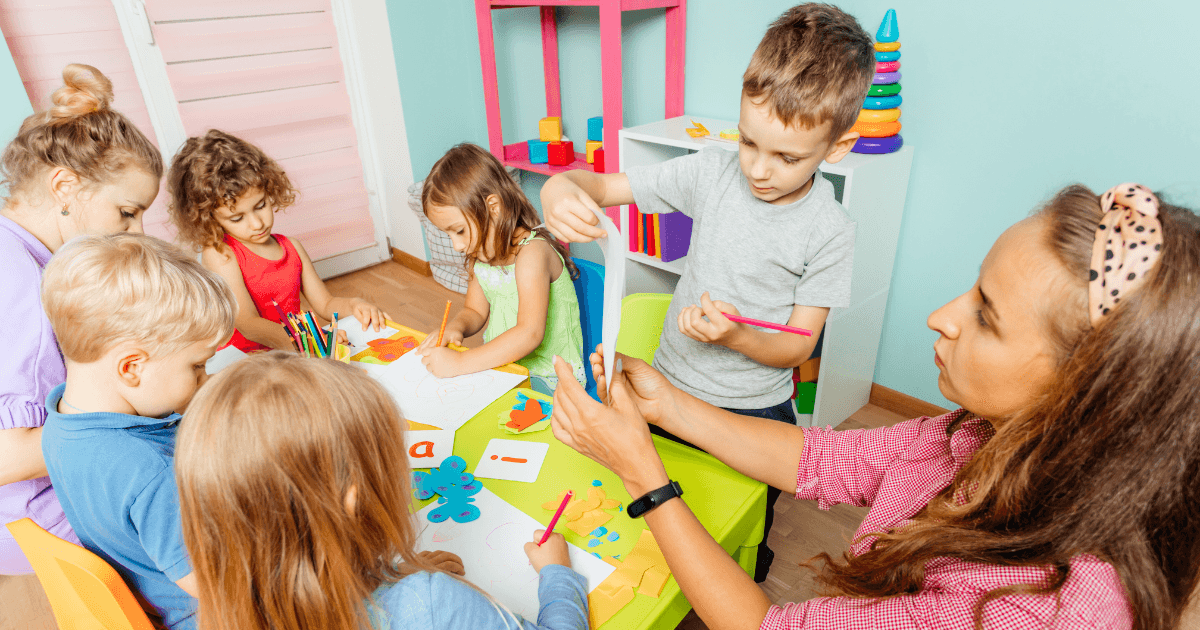
2. Constructive Play
What it looks like: Building with blocks, creating with clay, making art, putting puzzles together
Brain benefits:
- Enhances spatial reasoning and mathematical thinking
- Develops problem-solving neural pathways
- Strengthens fine motor skills through hand-eye coordination
- Builds persistence and focus through completion of projects
Research published in PMC in 2023 found that constructive play occupies approximately 40% of a three-and-a-half-year-old’s playtime and increases to 50% for four- to six-year-olds. It’s linked to early math development, preacademic literacy, problem-solving, cognitive flexibility, and emotional regulation skills.
3. Imaginative Play
What it looks like: Role-playing, pretending, creating scenarios and stories
Brain benefits:
- Develops abstract thinking and symbolic representation
- Strengthens language centers through narrative creation
- Builds empathy by taking on others’ perspectives
- Enhances executive function through planning and executing scenarios
According to TCU Child Development, Lev Vygotsky found that social make-believe play is ideal for cognitive development, helping children follow internal ideas and social rules. Joint make-believe play with peers has been shown to improve self-regulation in highly impulsive preschoolers.
4. Social Play
What it looks like: Games with rules, cooperative play, negotiating roles and turns
Brain benefits:
- Develops social cognition and theory of mind
- Strengthens emotional regulation through managing wins and losses
- Builds communication pathways through negotiation and collaboration
- Enhances impulse control and patience
A recent review of 39 studies found that guided play significantly enhances early math skills and other cognitive abilities compared to direct instruction, while also fostering essential soft skills like collaboration, communication, critical thinking, and creativity.
5. Sensory Play
What it looks like: Exploring textures, sounds, smells, tastes, and visual stimuli
Brain benefits:
- Strengthens sensory processing pathways
- Builds neural connections between sensory input and meaning
- Develops discrimination and classification skills
- Supports language development through sensory vocabulary
Accelerate Learning notes that meaningful play helps children connect new experiences to their existing knowledge, stimulating brain networks associated with memory and problem-solving.
6. Exploratory Play
What it looks like: Investigating how things work, cause-and-effect experimentation, nature exploration
Brain benefits:
- Develops scientific thinking and hypothesis testing
- Builds observation skills and attention to detail
- Enhances categorization and pattern recognition
- Fosters curiosity and intrinsic motivation to learn
As Childcare.gov explains, “Play encourages brain development by promoting exploration, curiosity, and the use of senses. Children learn to think creatively and develop critical thinking skills through problem-solving during play.”
Executive Function: The Hidden Superpower Developed Through Play
One of the most significant benefits of play is the development of executive function skills—the mental processes that enable us to plan, focus attention, remember instructions, and juggle multiple tasks successfully.
These skills are better predictors of academic success than IQ and are crucial for life success. According to a PMC study, working memory at age 5 is a better predictor of academic performance at age 11 than IQ.
Through play, children develop three core executive function skills:
1. Working Memory
How play develops it: When children follow the sequence of a pretend scenario or remember the rules of a game, they’re exercising working memory.
Example: A child playing restaurant must remember customer orders, menu items, and the sequence of service.
2. Inhibitory Control
How play develops it: Taking turns, following game rules, and resisting the urge to knock down another child’s block tower all build inhibitory control.
Example: During a board game, children must wait for their turn and follow rules rather than acting on impulse.
3. Cognitive Flexibility
How play develops it: Adapting to changing scenarios in pretend play or problem-solving when a construction project doesn’t work as planned builds cognitive flexibility.
Example: When a child’s block tower keeps falling, they try different approaches until finding a stable structure.
The Building Brains and Futures (BBF) program found that children engaged in play-based activities designed to enhance executive function for just six weeks showed significant improvement in executive function, language, and motor skills.
The Academic Connection: How Play Prepares Children for School Success
Parents concerned about academic readiness might wonder if “just playing” is enough to prepare children for school. Research increasingly shows that play-based learning creates stronger foundations for academic success than early formal instruction.
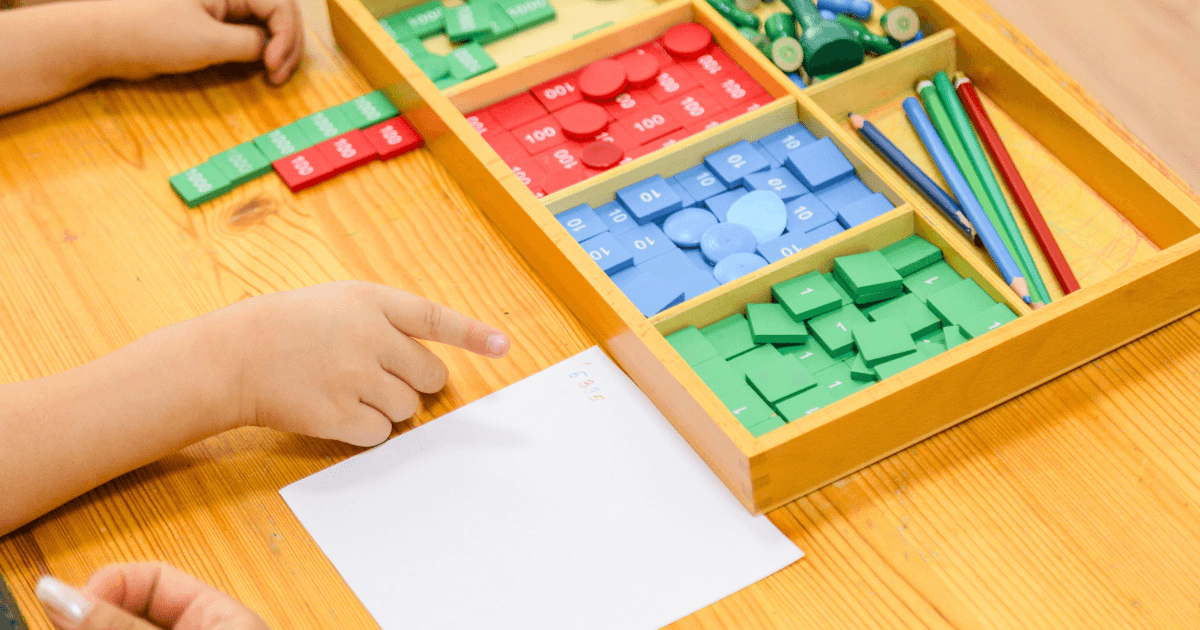
Mathematics
Through block building, sorting, pattern play, and measurement activities, children develop fundamental mathematical concepts like:
- Spatial awareness
- Classification
- Seriation (ordering)
- One-to-one correspondence
- Geometric understanding
A 2022 review of 39 studies found that guided play significantly enhances early math skills compared to direct instruction.
Literacy
Play builds essential pre-literacy skills through:
- Language-rich pretend scenarios
- Storytelling and narrative creation
- Environmental print in play settings
- Symbolic representation (understanding that one thing can stand for another)
Research shows that children with access to play-based curricula have significantly greater growth in narrative retelling and grammatical knowledge (Stagnitti et al., 2016).
Science
Exploratory play naturally develops scientific thinking through:
- Hypothesis testing (“What happens if…?”)
- Observation skills
- Cause-and-effect understanding
- Classification and categorization
Social Studies
Through dramatic play, children explore:
- Community roles and responsibilities
- Cultural practices and traditions
- Cooperation and conflict resolution
- Economic concepts (in play scenarios like store or restaurant)
A study by Taylor et al. (2015) found that children in Wales who experienced play-based learning until age seven had better academic outcomes compared to those who did not.
Creating a Play-Rich Environment at Home
Parents are children’s first and most important play partners. Here are practical ways to support play-based learning at home:
1. Provide Open-Ended Materials
The best toys and materials for brain development are those that can be used in multiple ways, encouraging creativity and problem-solving:
- Blocks and building materials
- Art supplies (paper, crayons, clay, paint)
- Dress-up clothes and props
- Natural materials (sticks, stones, shells)
- Household items repurposed for play (cardboard boxes, fabric scraps)
According to NAEYC, “Open-ended materials, such as blocks, foam pieces, and ribbon scraps, can inspire creative thinking and allow children to use their imagination.”
2. Create Time and Space for Play
In our busy world, unstructured play time is increasingly squeezed out. Prioritize it by:
- Scheduling regular play time in your family routine
- Creating a designated play space (doesn’t need to be large)
- Limiting structured activities to allow for free play
- Reducing screen time (the American Academy of Pediatrics recommends no more than 1 hour daily of high-quality programming for preschoolers)
3. Follow Your Child’s Lead
Children are naturally motivated to engage in play that supports their current developmental needs:
- Observe what interests your child
- Provide materials that extend their current play themes
- Ask open-ended questions that prompt thinking
- Resist the urge to direct the play or correct “mistakes”
As Start Early notes, “Parents can enhance play by observing their child’s interests and providing appropriate materials.”
4. Engage as a Play Partner (Sometimes)
While independent play is valuable, playing with your child offers unique benefits:
- Get down on their level and follow their lead
- Use rich language to describe what’s happening
- Extend play scenarios with gentle suggestions
- Model problem-solving strategies
Research from Better Family Therapy indicates that responsive caregiving and co-regulation during play are essential for healthy parent-child relationships, fostering emotional resilience and self-awareness.
5. Embrace Messy, Active, and Outdoor Play
Some of the most beneficial play experiences aren’t the tidiest:
- Allow for sensory exploration with water, sand, mud, and other materials
- Provide opportunities for big body movements and physical challenges
- Ensure regular outdoor play time in diverse natural environments
- Accept that valuable play is sometimes loud, messy, and seemingly chaotic
A 2023 study found that children engaged in risky play exhibit fewer symptoms of anxiety and depression, highlighting the emotional benefits of allowing children to challenge themselves physically.
When to Be Concerned: Red Flags in Play Development
While all children develop at their own pace, certain signs might indicate the need for additional support:
- Lack of interest in toys or play materials
- Highly repetitive play without variation or progression
- Difficulty engaging in pretend play by age 3-4
- Consistent preference for solitary play beyond age 4
- Significant frustration or distress during play activities
- Regression in play skills previously mastered
If you notice these patterns consistently, consider discussing them with your child’s healthcare provider or an early childhood specialist.
The Shifting Landscape: Play-Based Learning Makes a Comeback
After decades of increasing academic pressure in early childhood settings, play-based learning is experiencing a resurgence. According to a 2025 EdWeek report, several states have recently passed legislation promoting play-based learning:
- Connecticut requires play-based learning in public preschool and kindergarten
- New Hampshire amended education legislation to emphasize a play-based model in kindergarten
- Massachusetts launched a Playful Learning Institute to support play as an instructional strategy
This shift reflects growing recognition among educators and policymakers that play-based approaches create stronger foundations for learning than early academic instruction.
Conclusion: Reframing “Just Play” as Essential Development
The next time you see a child deeply engaged in play—whether building an elaborate block structure, creating an imaginary world, or simply exploring how water flows—remember that you’re witnessing crucial brain development in action.
Play isn’t something children do instead of learning—it’s how they learn best. By supporting and valuing play, we’re not just letting children have fun; we’re helping them build the brain architecture they’ll need for success in school and life.
As Dr. Stuart Brown, founder of the National Institute for Play, eloquently states: “Play is not a luxury but a necessity. It’s not just something children do to pass the time—it’s something they need to do to pass into healthy adulthood.”
So the next time someone says a child is “just playing,” you can confidently respond: “Actually, they’re doing important brain work—and they’re absolutely brilliant at it.”
Howdo you support play-based learning at home? Share your experiences and questions in the comments below!