How Much Does Quality Preschool Really Matter? What the Research Shows
Parents of young children face a dizzying array of preschool options, from play-based programs to academic-focused curricula, from half-day to full-day schedules, and from budget-friendly to premium-priced. With so many choices—and often significant costs—many parents wonder: Does quality preschool really make a meaningful difference in children’s lives? Is it worth the investment?
The answer isn’t as straightforward as many would hope. The research on preschool’s impact shows both promising benefits and some puzzling contradictions. In this evidence-based guide, we’ll unpack what the research really tells us about quality preschool, helping you make informed decisions about your child’s early education.
Defining “Quality” in Preschool Education
Before diving into the research on outcomes, it’s important to understand what constitutes “quality” in early childhood education. According to the California Department of Education, quality preschool provides “a safe and stimulating environment for children’s mental and physical growth.”
Researchers typically measure preschool quality through two lenses:
Structural Quality
These are the measurable, regulatable aspects of preschool:
- Teacher qualifications and education: Degree level, specialized training in early childhood education
- Teacher-child ratios: The number of children per adult
- Group size: Total number of children in a classroom
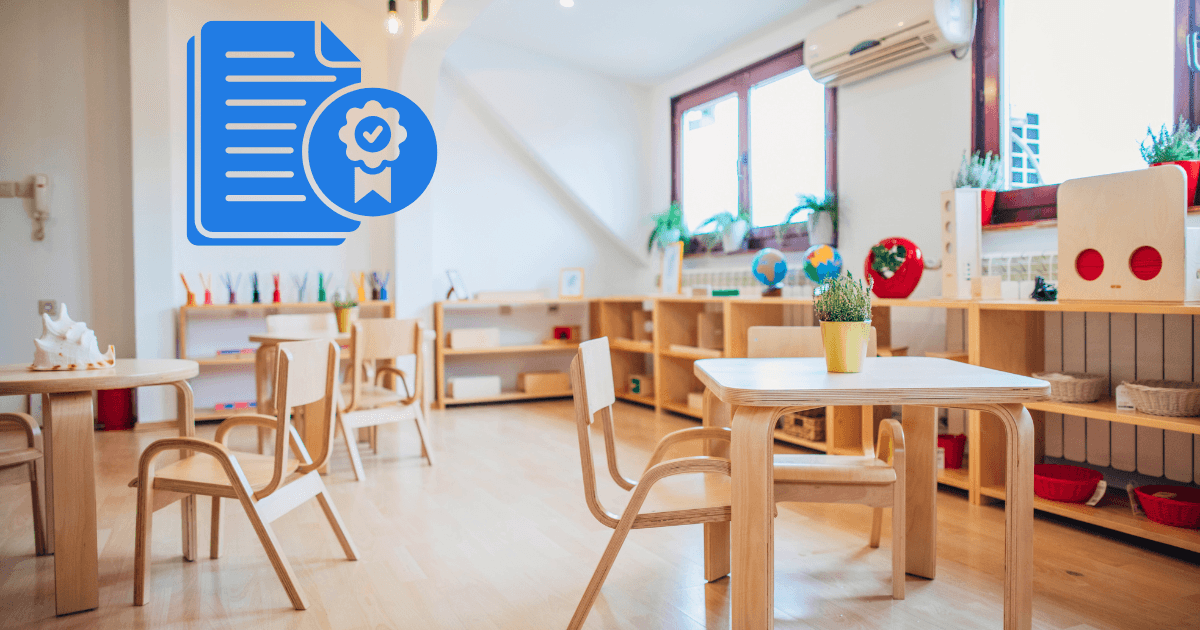
- Physical environment: Safety, materials, space design
- Program structure: Hours, curriculum approach, daily schedule
Process Quality
These factors relate to the actual experiences children have:
- Teacher-child interactions: Warmth, responsiveness, engagement
- Instructional approaches: How content is taught, types of activities
- Emotional climate: How safe, respected, and valued children feel
- Cognitive stimulation: Complexity of language and activities
- Peer interactions: Opportunities for social learning and cooperation
According to Reading Rockets, only about 24% of preschool programs score in the “good” to “excellent” range on standardized quality measures, suggesting that truly high-quality preschool may be less common than parents might assume.
The Short-Term Benefits: What Research Shows
Research consistently demonstrates several immediate benefits of quality preschool attendance:
Academic Readiness
Multiple studies show that children who attend quality preschool programs enter kindergarten with stronger:
- Early literacy skills (letter recognition, phonological awareness)
- Early math concepts (counting, patterns, shapes)
- General knowledge about the world
- Vocabulary and language development
According to a 2025 study published in ESMED, children participating in public pre-kindergarten programs “perform significantly better in academic subjects compared to peers who did not participate.”
Social-Emotional Development
Quality preschool also provides advantages in non-academic areas:
- Better self-regulation (ability to control impulses and emotions)
- Stronger social skills and peer relationships
- Enhanced attention spans and task persistence
- Greater independence in self-care routines
Reduced Need for Special Services
Research from multiple studies indicates that quality preschool attendance is associated with:
- Lower rates of grade retention (being held back a grade)
- Reduced special education placements
- Fewer behavioral interventions needed in early elementary years
The 2025 ESMED study noted that “special education placement for PPK [public pre-kindergarten] students is markedly lower compared to NPPK students.”
The Long-Term Impact: A More Complex Picture
When researchers examine the longer-term effects of preschool, the findings become more nuanced and sometimes contradictory.
The “Fade-Out” Phenomenon
One of the most consistent findings in preschool research is what’s known as “fade-out”—the tendency for initial academic advantages to diminish over time. According to a 2024 analysis from Georgia Family Connection Partnership:
- Many studies show initial gains in language and literacy skills fade by the end of kindergarten or early elementary school
- Math advantages tend to persist somewhat longer but often diminish by 3rd grade
- The fade-out effect appears more pronounced in universal preschool programs than in targeted interventions for disadvantaged children
Conflicting Evidence from Major Studies
Recent large-scale studies have produced seemingly contradictory results:
The Tennessee Pre-K Study
This randomized controlled study followed children through 6th grade and found that:
- Children who attended Tennessee’s state pre-K program showed initial advantages at kindergarten entry
- By 3rd grade, pre-K attendees actually performed worse on state achievement tests than non-attendees
- By 6th grade, pre-K attendees had higher disciplinary infractions and poorer attendance rates
These surprising negative findings have caused significant debate in the early childhood field.
The Boston Pre-K Study
In contrast, a study of Boston’s public preschool program by MIT’s School Effectiveness and Inequality Initiative, highlighted by the First Five Years Fund, found that:
- Preschool attendees showed no significant differences in elementary school test scores
- However, they were more likely to graduate high school, take the SAT, and enroll in college
- They also had fewer suspensions and lower rates of juvenile incarceration
This study suggests that while academic advantages may fade, other important benefits may emerge later.
The “Sleeper Effect” Theory
To explain these contradictory findings, some researchers propose a “sleeper effect” theory:
- Initial academic advantages may fade as non-preschool children catch up
- However, non-cognitive skills developed in preschool (persistence, curiosity, self-regulation) may have lasting impacts that manifest later in life
- These skills may not be captured by standardized tests but influence life outcomes nonetheless
What Factors Make the Biggest Difference?
Not all preschool programs are created equal. Research indicates that specific quality factors are particularly important for positive outcomes:
Teacher Qualifications and Interactions
According to The Discovery Source, teacher quality is consistently linked to better outcomes:
- Teachers with bachelor’s degrees and specialized training in early childhood education tend to provide higher-quality experiences
- More important than credentials is the quality of interactions—warm, responsive relationships between teachers and children predict better outcomes
- Ongoing professional development for teachers significantly impacts classroom quality
Curriculum and Instructional Approaches
The content and teaching methods matter significantly:
- Intentional teaching with specific learning goals (rather than just free play or just academic drills)
- Balance of teacher-directed and child-initiated activities
- Curriculum that addresses both academic and social-emotional development
- Opportunities for deep engagement rather than superficial coverage of many topics
Research from Live Handbook notes that “an evidence-based curriculum supported by coaching is effective for improving preschool instruction and children’s readiness for kindergarten.”
Structural Factors
Some structural elements consistently predict better outcomes:
- Lower child-to-teacher ratios (ideally no more than 10 preschoolers per adult)
- Smaller group sizes (under 20 children per classroom)
- Adequate physical space and materials
- Sufficient program duration and intensity (more hours generally yield stronger results)
Family Engagement
Programs that effectively partner with families show enhanced outcomes:
- Regular, two-way communication between teachers and parents
- Opportunities for family involvement in the classroom
- Resources to support learning at home
- Respect for cultural diversity and home languages
Who Benefits Most from Quality Preschool?
Research consistently shows that while quality preschool benefits all children, the impact is not equal across different populations:
Children from Low-Income Backgrounds
The strongest and most consistent positive effects are seen for children from economically disadvantaged families:
- Larger academic gains that persist longer
- Greater reduction in special education placements and grade retention
- More significant long-term outcomes in educational attainment and earnings
According to the Office of Disease Prevention and Health Promotion, “High-quality early childhood programs can increase earning potential and support educational attainment” for disadvantaged children.
Children with Developmental Delays or Disabilities
Quality preschool offers particular benefits for children with special needs:
- Earlier identification and intervention for developmental concerns
- Opportunities for inclusive learning with typically developing peers
- Development of social skills in a supported environment
Dual Language Learners
Children learning English as a second language often show strong benefits from quality preschool:
- Enhanced language development in both home language and English
- Better social integration and cultural adjustment
- Stronger academic foundations before entering kindergarten
Making Sense of Mixed Research: What Parents Should Know
With conflicting research findings, what should parents take away about the value of quality preschool?
1. Quality Matters More Than Attendance Alone
The research is clear that simply attending any preschool isn’t enough—the quality of the program significantly influences outcomes. A low-quality program may provide few benefits beyond basic childcare.
2. Benefits Extend Beyond Academics
While academic “fade-out” is real, the social-emotional and executive function skills developed in quality preschool may have lasting impacts on life outcomes not captured by standardized tests.
3. Individual Factors Influence Impact
Your child’s temperament, existing skills, home environment, and specific needs all influence how much they’ll benefit from preschool. For some children, the advantages may be substantial; for others, more modest.
4. The “Goldilocks” Approach to Academic Content
Research suggests that preschools with either too little or too much academic focus may be less effective than those with a balanced approach—embedding learning in meaningful, play-based experiences.
5. Context and Implementation Matter
Even well-designed preschool programs can show different results depending on implementation quality, community context, and alignment with later schooling.
What to Look for in a Quality Preschool
Based on the research, parents should prioritize these factors when evaluating preschool options:
Teacher Qualities
- Warm, responsive interactions with children
- Appropriate qualifications and experience
- Ongoing professional development
- Low turnover rates
Classroom Environment
- Appropriate teacher-child ratios (1:10 or better)
- Small group sizes (under 20 children)
- Organized, well-equipped learning centers
- Mix of indoor and outdoor spaces
Curriculum and Approach
- Balance of play-based and intentional teaching
- Attention to both academic and social-emotional development
- Individualized attention to children’s interests and needs
- Cultural responsiveness and inclusion
Family Engagement:
- Regular communication about children’s progress
- Opportunities for family involvement
- Respect for diverse family structures and cultures
- Resources to support learning at home
The Bottom Line: Is Quality Preschool Worth It?
The research suggests several key takeaways:
- Quality preschool provides clear short-term benefits for most children, particularly in kindergarten readiness.
- Academic advantages often diminish over time, especially if elementary schools don’t build effectively on preschool foundations.
- Non-academic benefits may be more enduring, potentially influencing high school graduation, college attendance, and career success.
- Children from disadvantaged backgrounds typically show the strongest and most lasting benefits from quality preschool.
- The quality of the program matters enormously—a high-quality preschool is likely worth the investment, while a low-quality program may offer minimal benefits beyond basic care.
For most families, a thoughtfully chosen, high-quality preschool program represents a valuable investment in their child’s development—not because it will necessarily result in higher test scores throughout schooling, but because it provides a foundation of learning approaches, social skills, and self-regulation that support lifelong success.
As Pathways LA notes, the best preschool choice aligns with “a child’s unique needs and family values.” By understanding both the promises and limitations of preschool research, parents can make informed decisions that serve their child’s specific developmental journey.
What factors are most important to you when considering preschool options? Share your thoughts in the comments below.