25 Fine Motor Activities for Preschoolers: Preparing Little Hands for Writing
Those tiny scribbles your preschooler proudly presents might seem simple, but they represent a complex developmental milestone years in the making. Before children can form letters and words, they need strong, coordinated fingers and hands—the foundation of handwriting success.
Fine motor skills—the ability to make movements using the small muscles in our hands and wrists—develop gradually from infancy through the preschool years. These skills don’t just affect handwriting; they impact everything from self-care (buttoning shirts, using utensils) to academic tasks (cutting with scissors, manipulating math manipulatives).
As a parent or educator, you play a crucial role in developing these skills through purposeful play and activities. In this comprehensive guide, we’ll explore:
- The developmental progression of fine motor skills
- Why hand strength matters for writing readiness
- The importance of proper pencil grip
- 25 engaging activities to strengthen little hands
- Signs that may indicate fine motor challenges
- Tips for adapting activities for different skill levels
Let’s dive into the fascinating world of fine motor development and discover how simple, playful activities can prepare preschoolers for writing success!
Understanding Fine Motor Development: A Developmental Progression
Fine motor skills develop in a predictable sequence, building upon earlier milestones. Understanding this progression helps us provide age-appropriate activities that support children’s natural development.
The Journey from Palmar Grasp to Tripod Grip
According to occupational therapists at NAPA Center, handwriting readiness begins developing long before a child picks up a pencil:
Birth to 1 year:
- Reflexive grasp (0-3 months)
- Palmar grasp—whole hand gripping (3-6 months)
- Pincer grasp—thumb and index finger (9-12 months)
1-2 years:
- Digital pronate grasp—all fingers holding a tool pointing downward
- Beginning to scribble with whole arm movements
2-3 years:
- Three-jaw chuck grasp—holding tools with thumb, index, and middle fingers
- Increased wrist stability
- Scribbling with more control
3-4 years:
- Static tripod grasp—thumb, index, and middle finger holding tool
- Beginning to copy simple shapes
- More isolated finger movements
4-6 years:
- Dynamic tripod grasp—mature pencil grip with movement coming from the fingers
- Ability to stay within lines
- Beginning to form letters
This progression shows why rushing handwriting before developing foundational skills can lead to frustration. As pediatric occupational therapist Christie Kiley explains, “We need to build the house before we can decorate it. Hand strength and coordination are the foundation; letter formation is the decoration.”
The Critical Role of Hand Strength
Hand strength isn’t just about power—it’s about endurance and controlled movements. According to a 2025 study published by the International Literacy Association, children with stronger hand muscles:
- Write for longer periods without fatigue
- Apply appropriate pressure when writing
- Have better control over writing tools
- Show improved letter formation
- Experience less frustration during writing tasks
The study found that a 13-week intervention focusing on hand-strengthening activities significantly improved both fine motor skills and writing abilities in preschoolers.
The Importance of Proper Pencil Grip
While there are several functional pencil grips, the dynamic tripod grip is considered optimal for most children. This grip involves:
- Holding the pencil with the thumb, index, and middle fingers
- The pencil resting on the middle finger
- The ring and little fingers curled into the palm for stability
- The wrist slightly extended
- Movement coming primarily from the fingers rather than the whole hand or arm
According to Therapy Smarts, developing this grip supports:
- Writing efficiency and speed
- Reduced hand fatigue
- Improved legibility
- Better control for detailed work
It’s important to note that pencil grip should develop naturally through appropriate fine motor activities rather than through forced correction. As occupational therapist Colleen Beck of The OT Toolbox notes, “The grip is the result of developed hand muscles and coordination, not the cause of it.”
25 Engaging Fine Motor Activities for Preschoolers
Now that we understand the importance of fine motor development, let’s explore activities that build these crucial skills while keeping children engaged and having fun!
Activities to Build Hand Strength
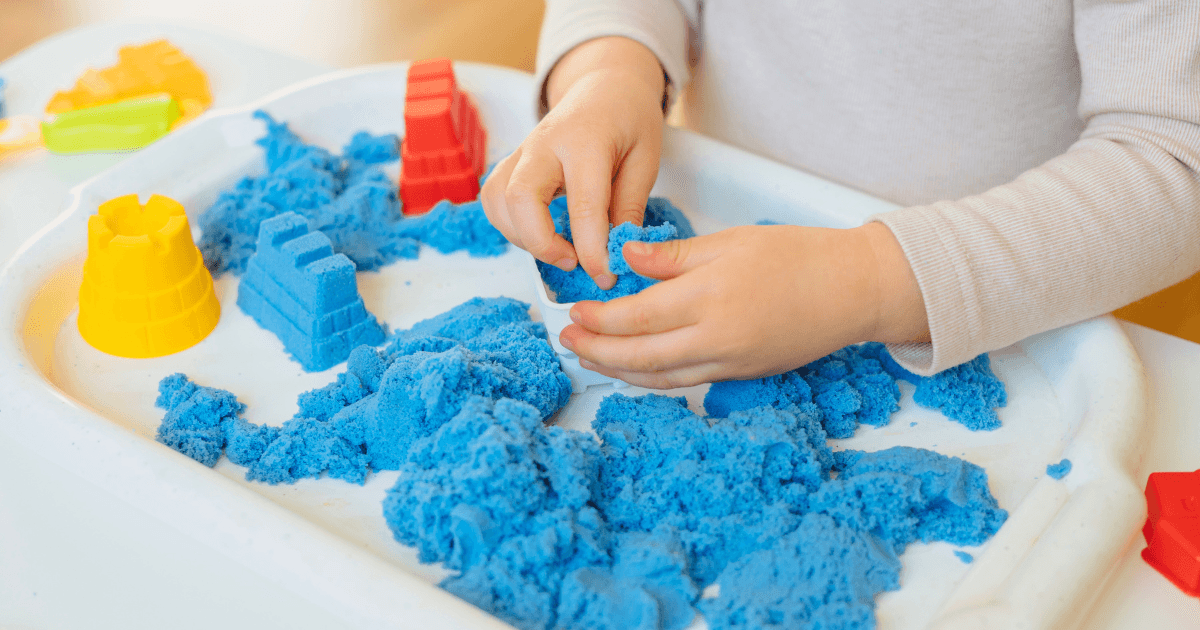
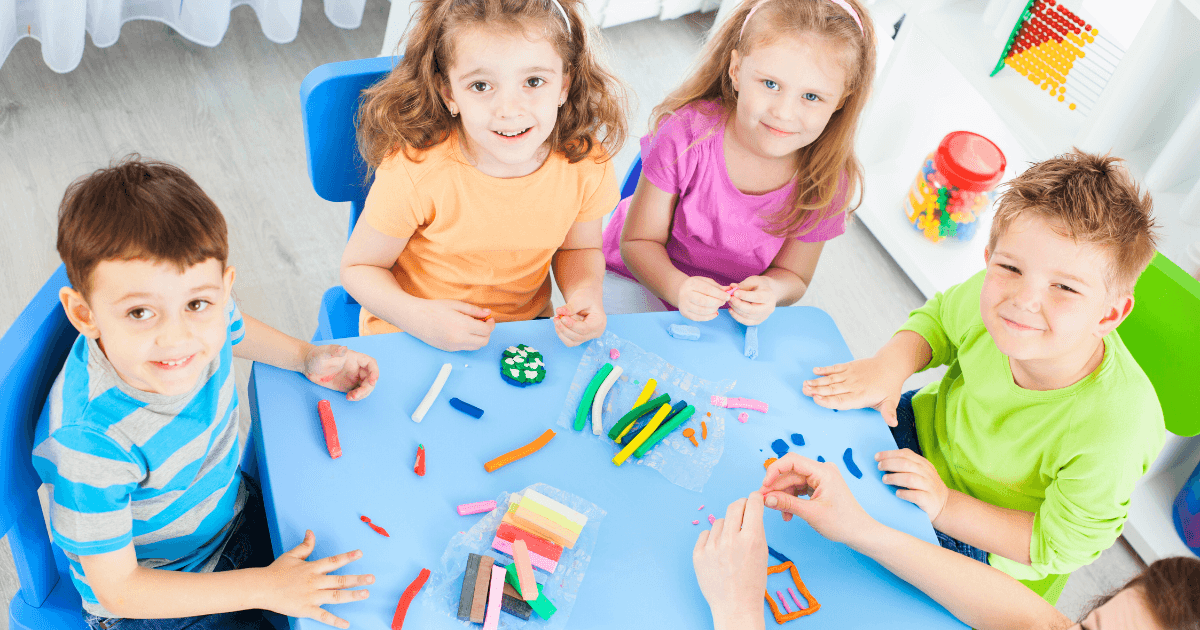
1. Playdough Workout
Materials:
- Playdough or therapy putty (store-bought or homemade)
- Small toys or objects to hide inside (optional)
How to Do It: Have children squeeze, pinch, roll, and flatten playdough. Create specific challenges like “make tiny balls using just your fingertips” or “roll the longest snake you can.” Hide small objects inside for children to find by pulling the dough apart.
Skills Developed:
- Hand and finger strength
- Endurance
- Finger isolation
Writing Connection: The resistance of playdough strengthens the same muscles used for pencil control and applying appropriate pressure during writing.
2. Spray Bottle Activities
Materials:
- Small spray bottles filled with colored water
- Paper or outdoor surfaces
- Small targets (optional)
How to Do It: Have children spray to create art, water plants, or hit specific targets. For added fun, create a “car wash” for toy vehicles or a “rain shower” for toy animals.
Skills Developed:
- Hand strength
- Finger isolation
- Bilateral coordination (one hand holds bottle, other stabilizes)
Writing Connection: The squeezing action develops the muscles needed for sustained writing, while aiming builds precision.
3. Clothespin Challenge
Materials:
- Spring clothespins
- Containers
- Small objects to transfer
- Cardboard with outlines or colors for matching
How to Do It: Have children pick up small objects using clothespins and transfer them to containers. Alternatively, clip clothespins around the edge of a paper plate or along a line. For color recognition, match colored clothespins to colored dots.
Skills Developed:
- Pincer grip
- Hand strength
- Hand-eye coordination
Writing Connection: The pinching motion strengthens the thumb, index, and middle fingers—the same fingers used in a tripod grip for writing.
4. Crumpling Paper
Materials:
- Various types of paper (newspaper, construction paper, tissue paper)
- Target containers
How to Do It: Challenge children to crumple paper into tight balls using just one hand, then toss them into a target container. Vary the thickness of paper for different resistance levels.
Skills Developed:
- Whole hand strength
- Finger coordination
- Graded pressure
Writing Connection: Crumpling paper builds overall hand strength and teaches children to adjust the pressure they apply—a crucial skill for writing without breaking pencil tips or tearing paper.
5. Hole Punch Art
Materials:
- Child-friendly hole punchers (regular and decorative)
- Construction paper
- Container for paper dots
How to Do It: Have children create designs or patterns by punching holes in paper. Collected dots can be used for collage art.
Skills Developed:
- Hand strength
- Bilateral coordination
- Visual planning
Writing Connection: The squeezing action of hole punching builds strength in the same muscles used for sustained writing sessions.
Activities to Develop Finger Dexterity and Isolation
6. Finger Puppets
Materials:
- Finger puppets (store-bought or homemade from paper or felt)
- Simple scripts or songs
How to Do It: Place puppets on different fingers and have children move each finger independently while telling stories or singing songs.
Skills Developed:
- Finger isolation
- Finger strength
- Coordination
Writing Connection: Writing requires precise control of individual fingers, which this activity directly promotes.
7. Bubble Wrap Popping
Materials:
- Bubble wrap of various bubble sizes
- Markers to create patterns (optional)
How to Do It: Challenge children to pop bubbles using different fingers or combinations of fingers. Draw shapes or letters on the bubble wrap and have them pop along the lines.
Skills Developed:
- Finger isolation
- Finger strength
- Precision
Writing Connection: The isolated finger pressure mimics the control needed when applying pressure with a pencil.
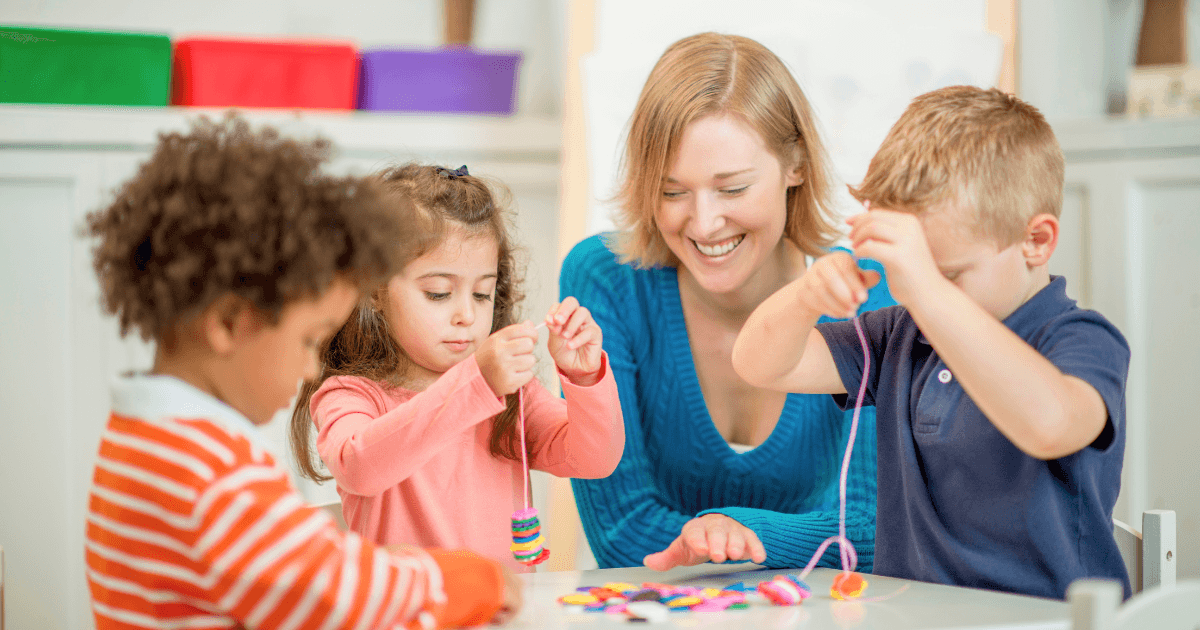
8. Lacing Activities
Materials:
- Lacing cards (commercial or homemade from cardboard)
- Shoelaces or yarn with taped ends
- Beads with large holes for stringing
How to Do It: Have children thread laces through holes in cards or string beads onto laces. Increase difficulty by making smaller holes or using thinner laces as skills develop.
Skills Developed:
- Pincer grip
- Hand-eye coordination
- Bilateral hand use
Writing Connection: The precise movements and coordination required for lacing directly translate to the control needed for letter formation.
9. Finger Counting Games
Materials:
- None required, or small counters to place on fingertips
How to Do It: Play games that require touching thumb to each finger in sequence, such as “Where is Thumbkin?” or counting 1-5 on fingers. For an added challenge, place small objects on fingertips and have children move them to their palm one at a time.
Skills Developed:
- Finger isolation
- Finger dexterity
- Sequencing
Writing Connection: These activities develop the precise finger movements needed for manipulating a pencil during writing.
10. Chopstick or Tweezer Pick-Up
Materials:
- Child-friendly chopsticks, tweezers, or tongs
- Small objects (pom-poms, cereal, small toys)
- Containers for sorting
How to Do It: Challenge children to pick up and transfer small objects using tweezers or chopsticks. Sort by color, size, or type for added cognitive benefit.
Skills Developed:
- Pincer grip
- Hand-eye coordination
- Controlled pressure
Writing Connection: The precision grip used with tweezers mirrors the control needed for a proper pencil grip.
Activities to Promote Proper Wrist Position
11. Vertical Surface Drawing
Materials:
- Easel, wall-mounted paper, or tape paper to wall
- Crayons, markers, or chalk
How to Do It: Have children draw or color on vertical surfaces at eye level or slightly below. This naturally positions the wrist for optimal writing.
Skills Developed:
- Wrist extension
- Shoulder stability
- Proper arm position
Writing Connection: Drawing on vertical surfaces promotes the slight wrist extension that supports proper pencil grip and control.
12. Q-tip Painting
Materials:
- Q-tips or cotton swabs
- Paint
- Paper
How to Do It: Have children create dot paintings using Q-tips dipped in paint. They can create patterns, pictures, or practice making letter shapes.
Skills Developed:
- Pincer grip
- Wrist stability
- Precision
Writing Connection: The short length of Q-tips encourages a proper tripod grip and wrist position similar to holding a pencil.
13. Flashlight Writing
Materials:
- Small flashlight
- Darkened room
- Wall or ceiling
How to Do It: In a darkened room, have children “write” letters, numbers, or shapes on the wall or ceiling using a small flashlight.
Skills Developed:
- Wrist mobility
- Finger control
- Visual tracking
Writing Connection: This activity develops the wrist movements needed for fluid handwriting while making practice fun and novel.
14. Sidewalk Chalk Activities
Materials:
- Sidewalk chalk (regular or chunky)
- Outdoor surface
How to Do It: Have children draw on sidewalks or driveways. The resistance of the concrete and the position of drawing on the ground promotes proper wrist alignment.
Skills Developed:
- Wrist stability
- Shoulder strength
- Proper grasp
Writing Connection: The resistance of chalk on concrete builds strength while the larger movements help children internalize the shapes needed for letter formation.
15. Water Painting
Materials:
- Paintbrushes of various sizes
- Container of water
- Outdoor surfaces (fence, sidewalk, brick wall)
How to Do It: Have children “paint” with water on outdoor surfaces. The vertical or horizontal orientation can be varied to work different muscles.
Skills Developed:
- Wrist control
- Proper arm position
- Grasp strength
Writing Connection: This activity builds the arm and wrist strength needed for sustained writing while practicing the movements used in letter formation.
Activities to Develop In-Hand Manipulation
16. Coin Rotation
Materials:
- Large coins or flat marbles
- Container for storage
How to Do It: Have children hold a coin between their thumb and index finger, then rotate it using just their fingertips until it flips over.
Skills Developed:
- Finger dexterity
- In-hand manipulation
- Finger isolation
Writing Connection: This advanced skill helps children manipulate a pencil within their hand for efficient writing.
17. Bead Manipulation
Materials:
- Medium-sized beads
- Container
How to Do It: Have the child pick up 3-4 beads, one at a time, and hold them in their palm. Then ask them to move one bead at a time to their fingertips without using the other hand or dropping the remaining beads.
Skills Developed:
- In-hand manipulation
- Finger isolation
- Controlled movements
Writing Connection: This activity develops the ability to make small adjustments to the pencil position while writing, without having to use the other hand.
18. Paper Clip Game
Materials:
- Large and small paper clips
- Container
How to Do It: Challenge children to link and unlink paper clips using just one hand. Start with larger clips and move to smaller ones as skills develop.
Skills Developed:
- Finger dexterity
- In-hand manipulation
- Precision
Writing Connection: The fine movements required for this activity mirror the precise control needed for letter formation.
19. Penny Flip
Materials:
- Pennies or other coins
- Flat surface
How to Do It: Have children place a penny on a table, then use their index finger and thumb of the same hand to pick it up and flip it over before placing it back down.
Skills Developed:
- Pincer grip
- Finger strength
- Dexterity
Writing Connection: This activity develops the refined finger movements that allow for fluid handwriting.
20. Stress Ball Squeezes
Materials:
- Small stress balls or therapy putty
- Timer (optional)
How to Do It: Have children squeeze stress balls with their whole hand, then just with their fingertips. Challenge them to transfer the ball from fingertips to palm and back without using the other hand.
Skills Developed:
- Hand strength
- In-hand manipulation
- Finger control
Writing Connection: This activity builds both strength and dexterity, supporting sustained writing with proper pressure.
Activities to Promote Tripod Grip Development
21. Broken Crayons
Materials:
- Crayons broken into 1-2 inch pieces
- Paper for drawing
How to Do It: Provide short crayon pieces for coloring. The small size naturally encourages a tripod grip.
Skills Developed:
- Tripod grasp
- Finger control
- Proper wrist position
Writing Connection: Short crayons physically cannot be held in a fisted grasp, promoting the same grip used for efficient handwriting.
22. Eyedropper Art
Materials:
- Eyedroppers or pipettes
- Liquid watercolors or food coloring mixed with water
- Coffee filters, paper towels, or watercolor paper
- Small containers for colored water
How to Do It: Have children use eyedroppers to transfer colored water onto absorbent paper, creating beautiful bleeding color effects. They can create patterns, mix colors, or just explore.
Skills Developed:
- Tripod grip
- Finger strength
- Controlled pressure
Writing Connection: The grip used to squeeze an eyedropper closely resembles the tripod grip needed for efficient handwriting, while the controlled pressure teaches children to regulate their movements.
23. Golf Tee Pounding
Materials:
- Golf tees
- Play hammer
- Styrofoam block, floral foam, or playdough
How to Do It: Have children hold golf tees with a tripod grip and pound them into a foam base. They can create patterns or pictures with the tees.
Skills Developed:
- Tripod grasp
- Hand-eye coordination
- Controlled force
Writing Connection: The precise grip needed to hold and position the tees develops the same finger placement used for pencil control.
24. Clothespin Color Match
Materials:
- Clothespins
- Colored paper or paint samples
- Container or cardboard with colored sections
How to Do It: Label clothespins with colors (using colored tape or markers) and have children match them to the corresponding colors on a container or cardboard edge.
Skills Developed:
- Pincer grip
- Hand strength
- Color recognition
Writing Connection: The squeezing motion strengthens the thumb and index finger, which are crucial for maintaining a proper pencil grip during writing.
25. Tong Transfer Games
Materials:
- Kitchen tongs or tweezers of various sizes
- Objects to transfer (pom-poms, cotton balls, small toys)
- Containers for sorting
How to Do It: Challenge children to pick up and transfer objects using tongs. Sort by color, size, or type for added cognitive benefit.
Skills Developed:
- Hand strength
- Coordination
- Controlled grasp and release
Writing Connection: The controlled open-close motion develops the same muscles used for the dynamic movements of writing.
Incorporating Fine Motor Activities Into Daily Routines
While dedicated fine motor activities are valuable, some of the best opportunities for development happen during everyday routines. Here are ways to incorporate fine motor practice naturally:
Mealtime Opportunities
- Self-serving: Allow children to use tongs or serving spoons to serve themselves
- Food preparation: Let them tear lettuce, peel bananas, or spread butter with a knife
- Utensil use: Encourage proper fork and spoon grip, which develops the same muscles used for writing
Dressing Skills
- Buttons and zippers: These challenging fasteners build finger strength and dexterity
- Putting on socks: The pulling motion strengthens fingers and hands
- Shoe tying: This complex task integrates multiple fine motor skills
Cleanup Time
- Picking up small toys: Sorting small items develops pincer grip
- Wiping tables: The pressure and circular motions build hand strength
- Opening and closing containers: This builds hand strength and coordination
Creating a Fine Motor-Rich Environment
The physical environment plays a crucial role in developing fine motor skills. Here are tips for setting up spaces that naturally encourage fine motor development:
At Home
- Accessible art supplies: Keep crayons, scissors, and paper within reach
- Manipulative toys: Provide building blocks, interlocking toys, and puzzles
- Self-help stations: Set up areas where children can practice zipping, buttoning, and other dressing skills
- Vertical surfaces: Mount a chalkboard or paper at eye level to encourage proper wrist position
In the Classroom
- Fine motor centers: Create dedicated spaces with rotating activities
- Writing center: Stock with various writing tools, paper, and fine motor supports
- Sensory table: Fill with materials that can be scooped, poured, and manipulated
- Practical life area: Include activities like pouring, transferring, and fastening
Adapting Activities for Different Skill Levels
Children develop at different rates, and fine motor activities should be adjusted to provide the right level of challenge. Here’s how to modify activities:
For Children Who Need More Support
- Increase stability: Use heavier materials or tape paper down
- Provide larger tools: Start with chunky crayons before moving to regular ones
- Reduce steps: Break activities into smaller components
- Add visual cues: Use colored tape to mark finger placement
- Consider positioning: Ensure proper seating with feet flat on the floor
For Children Who Need More Challenge
- Decrease size: Use smaller beads or objects
- Add complexity: Incorporate multiple steps or materials
- Increase precision requirements: Add targets or boundaries
- Introduce time elements: “How many can you move in one minute?”
- Combine skills: Integrate cutting and gluing in the same activity
Signs That May Indicate Fine Motor Challenges
While development varies among children, certain signs may indicate a need for additional support:
- Avoiding fine motor activities or showing frustration during them
- Consistently using a fisted grasp on writing tools past age 3-4
- Applying too much or too little pressure when writing
- Switching hands frequently during fine motor tasks
- Difficulty with self-help skills like buttoning or using utensils
- Fatigue or complaints of hand pain during writing activities
If you notice several of these signs persisting over time, consider consulting with an occupational therapist who specializes in pediatric development. According to the American Academy of Pediatrics, early intervention for fine motor challenges can significantly improve outcomes.
The Role of Occupational Therapy in Fine Motor Development
Occupational therapists (OTs) are specialists in developing fine motor skills and can be valuable resources for children who need additional support. According to Happy Chatter, OTs can:
- Assess a child’s current fine motor development
- Identify specific areas of strength and challenge
- Create customized activity plans
- Recommend adaptive tools if needed
- Collaborate with parents and teachers
A 2025 study cited by the International Literacy Association found that collaboration between classroom teachers and occupational therapists led to significant improvements in both fine motor skills and writing abilities among preschoolers.
Technology and Fine Motor Development: Finding Balance
In our digital world, it’s important to consider how technology impacts fine motor development:
Potential Challenges
- Reduced opportunities for manipulating physical objects
- Less practice with traditional writing tools
- Limited development of hand strength through resistance activities
Thoughtful Integration
- Use stylus tools with tablets to promote proper grip
- Select apps that require precise finger movements
- Balance screen time with hands-on fine motor activities
- Use technology as a motivator (e.g., earn tablet time after completing fine motor tasks)
Pediatric OT specialist Dr. Anne Zachry notes, “While technology has its place, the physical manipulation of real objects provides sensory feedback that digital experiences cannot replicate. This tactile input is crucial for developing the neural pathways that support fine motor skills.”
Tracking Progress: Celebrating Fine Motor Milestones
Documenting a child’s fine motor development helps recognize progress and identify areas for continued focus:
Simple Documentation Methods
- Take photos of artwork over time to show development
- Save writing samples monthly to track improvement
- Create a skills checklist (cutting, drawing shapes, using utensils)
- Record videos of the child completing fine motor tasks
Celebrating Milestones
- Focus on effort and improvement rather than perfection
- Create a “Fine Motor Achievement” board or book
- Share progress with the child: “Remember when this was hard for you?”
- Introduce new challenges as skills develop
Conclusion: Building the Foundation for Writing Success
The journey from random scribbles to legible handwriting is a developmental process that requires time, practice, and the right kinds of support. By engaging preschoolers in playful fine motor activities, we build not just the physical skills needed for writing, but also the confidence and competence that foster a positive attitude toward written expression.
Remember that each child develops at their own pace, and the goal isn’t perfection but progress. The activities outlined in this guide provide a roadmap for supporting fine motor development in ways that are engaging and developmentally appropriate.
As occupational therapist Colleen Beck reminds us, “When we focus on building the foundational skills through play, the handwriting often takes care of itself.” By strengthening little hands today, we’re preparing children for writing success tomorrow—and all the learning opportunities that writing will unlock throughout their educational journey.
What fine motor activities have been most successful with the preschoolers in your life? Share your experiences in the comments below!