Community Helper Appreciation: Meaningful Ways to Say Thank You

In a world that often moves too quickly, we sometimes forget to pause and recognize those who form the backbone of our communities. From the crossing guard who ensures our children arrive safely at school to the healthcare workers who pulled us through a global pandemic, community helpers deserve our gratitude now more than ever.
But here’s the thing – a hasty “thanks” as we rush by doesn’t always convey the depth of our appreciation. So how can we thank these everyday heroes in ways that truly resonate? Let’s explore some meaningful approaches that go beyond the ordinary.
Why Meaningful Appreciation Matters
Before diving into specific ideas, it’s worth understanding why thoughtful appreciation is so important. According to research published in the Journal of Personality and Social Psychology, expressing gratitude strengthens social bonds and improves both the giver’s and receiver’s well-being. For community helpers who often work in challenging and underappreciated roles, recognition can significantly boost morale and prevent burnout.
As Dr. Sara Algoe, director of the Emotions and Social Interactions in Relationships Lab, notes, “When people feel appreciated, they’re more likely to continue their helpful behaviors and feel fulfilled in their roles.”
Who Are Our Community Helpers?
When planning your appreciation efforts, consider this wide range of individuals who keep our communities functioning:
- Emergency Services: Firefighters, police officers, EMTs, paramedics
- Healthcare Workers: Doctors, nurses, medical assistants, hospital staff
- Educators: Teachers, school staff, librarians, coaches
- Public Services: Mail carriers, sanitation workers, utility workers
- Social Services: Social workers, counselors, nonprofit staff
- Food & Agriculture: Farmers, grocery store workers, food bank volunteers
- Volunteers: Those who give their time freely to improve the community
Meaningful Ways to Show Appreciation
1. Personalized Thank You Notes
In our digital age, handwritten notes stand out more than ever. A study by Epsilon found that physical mail has a 29% higher response rate than email. But what makes a thank you note truly meaningful?
How to make it count:
- Be specific about what you’re thanking them for
- Mention the impact their work has had on you personally
- Use quality stationery (it doesn’t have to be expensive)
- Consider including a photo if their work affected you or your family directly
Sample message for a mail carrier: “Dear James, I wanted to take a moment to thank you for your reliability in delivering our mail through all seasons. During my mother’s illness last year, your prompt delivery of her medications made a difficult time much easier. Your friendly wave always brightens our day.”
2. Community Recognition Campaigns
Amplify your appreciation by involving the broader community.
Ideas to implement:
- Create a “Helper Spotlight” series on community social media pages
- Organize a “Thank You” banner that community members can sign
- Work with local media to feature stories about community helpers
- Coordinate with the National Association of Counties for larger recognition initiatives
3. Practical Support and Gifts
Sometimes the most appreciated gestures address practical needs.
Thoughtful approaches:
- Arrange meal deliveries to workplaces during busy periods
- Create care packages with self-care items and healthy snacks
- Organize volunteers to help with tasks around their facilities
- Partner with local businesses to provide service discounts for community helpers
The National First Responders Fund suggests focusing on items that make long shifts more comfortable, like quality coffee, comfortable socks, or portable phone chargers.
4. Skill-Based Contributions
Offer your professional skills or talents as a form of appreciation.
Examples:
- Photographers can offer free portrait sessions
- Web designers might update a department’s outdated website
- Landscapers could beautify the grounds of a community center
- Chefs might provide cooking demonstrations or meals
5. Educational Initiatives
Help community helpers by educating others about their work.
Approaches:
- Organize “A Day in the Life” presentations at schools or community centers
- Create informational materials about how to make their jobs easier
- Develop a community helper curriculum with the National Education Association
- Host panel discussions where community helpers can share their experiences
6. Celebration Events
Organize events specifically to honor community helpers.
Event ideas:
- Annual appreciation picnic or dinner
- Community helper parade
- Award ceremonies recognizing outstanding service
- Family fun days where helpers can bring their families for activities
7. Sustainable Support Systems
Create ongoing structures that provide regular appreciation.
Long-term initiatives:
- Establish a community helper appreciation month with weekly activities
- Create a rotating schedule where different community groups take turns providing appreciation
- Develop a “Helper of the Month” program with local business sponsorship
- Partner with the Points of Light Foundation to create sustainable volunteer programs
Involving Children in Appreciation Efforts
Teaching children to recognize and appreciate community helpers builds a foundation for civic engagement.
Age-appropriate activities:
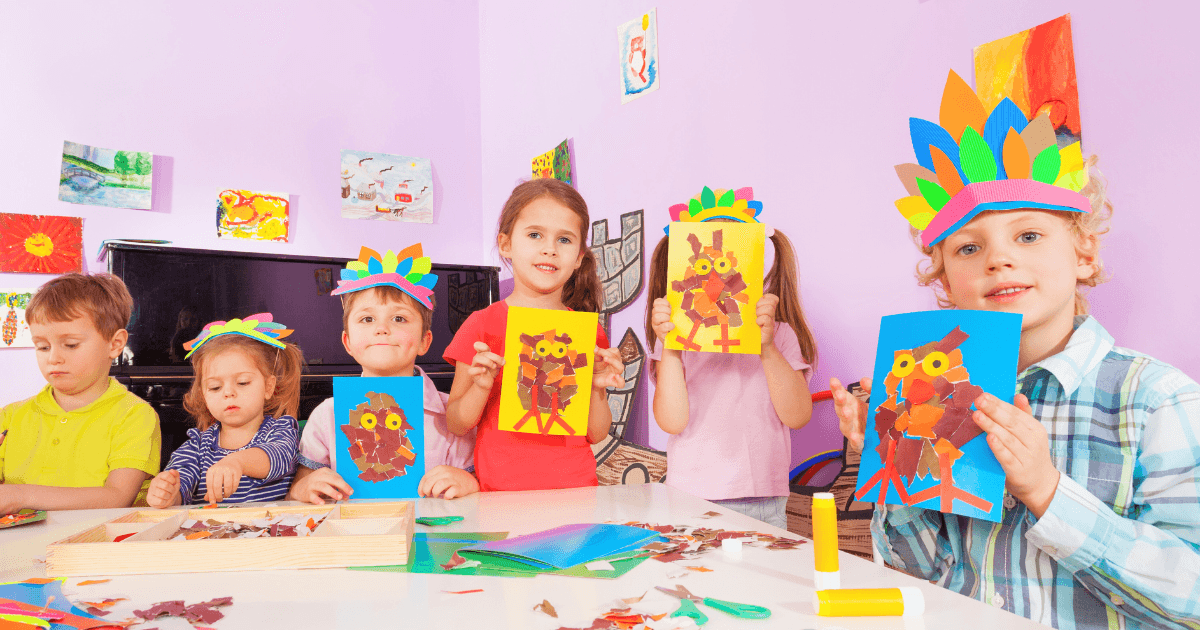
- Preschoolers can create colorful artwork
- Elementary students can write letters or poems
- Middle schoolers can interview helpers and create presentations
- High school students can organize appreciation events or campaigns
Making Your Appreciation Authentic
The most meaningful appreciation efforts share these characteristics:
- Specificity: They acknowledge particular actions or qualities
- Relevance: They consider what would be most valued by the recipient
- Consistency: They happen regularly, not just during crises
- Inclusivity: They recognize all helpers, including those in less visible roles
- Respect: They honor the helper’s time and preferences
The Ripple Effect of Gratitude
When we take the time to meaningfully appreciate our community helpers, we create a culture of gratitude that extends far beyond the initial gesture. Research from the Greater Good Science Center at UC Berkeley shows that witnessing acts of gratitude makes observers more likely to express appreciation themselves.
As community members, our appreciation can inspire others to recognize these essential workers, creating a cycle of recognition that strengthens community bonds and improves collective wellbeing.
Starting Today
You don’t need to wait for a special occasion to begin showing appreciation. Consider which community helpers you encounter regularly and how you might meaningfully thank them this week. Even small gestures, when sincere and specific, can make a significant difference in someone’s day—and perhaps in their entire outlook on their important work.
After all, a community that appreciates its helpers is not just a more pleasant place to live—it’s a more resilient one.
What meaningful ways have you found to thank community helpers? Share your ideas in the comments below!